
How Long Should a Bed Frame Last? What the Construction Tells You Before You Buy
The honest answer to "how long will this bed frame last?" is: it depends almost entirely on decisions that were made before it left the factory. The materials, the joinery method, the finish, the slat system — each of these either adds years to a frame's life or quietly subtracts them. By the time you are assembling a new frame in your bedroom, most of those decisions are already locked in.
Which means the useful question is not "how long will this last?" It is "what does this frame's construction tell me about how long it will last?" Those are different questions, and the second one is something you can actually evaluate before buying — whether you are looking at solid wood platform beds or comparing options across the market.
This guide covers the specific failure modes that end most bed frames early, the construction signals that predict longevity before you buy, how to calculate whether a more expensive frame actually costs less over time, and what maintenance genuinely extends a frame's life versus what does not matter much.
Why Most Bed Frames Fail Before They Should
Bed frames rarely fail catastrophically. They degrade — slowly and then all at once. Understanding how that degradation happens tells you exactly what to look for when evaluating a frame.
Hardware loosening over time is the most common failure mode across all price points. Every time you get in and out of bed, the frame experiences lateral and vertical stress. In frames held together primarily by bolts, cam locks, and metal brackets — the standard flat-pack assembly method — that stress gradually works the fasteners loose. The frame develops a wobble. The wobble accelerates wear on every joint. Within a few years, tightening the bolts no longer fully fixes it because the wood around the fastener holes has begun to compress and round out.
Engineered wood swelling and delaminating is the second most common. Particleboard and MDF are manufactured with adhesives and binders that absorb moisture from the air over time. In a bedroom with normal humidity variation, this means the material slowly swells, warps, and eventually separates at the edges and faces. The process is invisible at first — a finish hides it — and tends to become obvious around year three to five. Once MDF begins to delaminate, it cannot be structurally repaired.
Slat system failure happens when slats are too thin, too widely spaced, or made from low-grade wood that flexes excessively under load. Over months of nightly use, slats that flex too much fatigue and crack. Central support beams with inadequate contact points let the slat field bow in the middle. The mattress sags. Most people attribute the sag to the mattress rather than the frame underneath it.
Finish degradation matters more than it seems. A finish is not just cosmetic — on a natural wood frame, it is the primary protection against the moisture cycling that causes wood to move, check, and eventually crack at joints. A thin lacquer or surface spray that chips and wears through in a few years leaves the wood exposed. A penetrating oil finish that is periodically renewed stays protective indefinitely.

The Construction Signals Worth Checking Before You Buy
Most of this information is available in product descriptions, materials specs, and assembly instructions if you know what to look for. Some of it requires asking the retailer directly.
Frame material: solid wood vs. engineered wood. This is the single highest-leverage variable. Solid wood — beech, oak, pine, cherry — is dimensionally stable, can be repaired, and does not delaminate. The grain runs continuously through the piece, which means it handles stress through the whole structure rather than at surface layers. Engineered wood products (particleboard, MDF, plywood) are manufactured materials with predictable failure modes. The question is not whether they will degrade but when. For a frame you intend to keep for a decade or more, engineered wood is structurally unsuitable regardless of price.
Joinery method: how the pieces connect. Bolt-together assembly with metal brackets is fast to manufacture and easy to ship, but every connection is a potential failure point that loosens with use. Traditional wood joinery — mortise-and-tenon, dowel, or interlocking wood-to-wood connections — transfers load through the wood itself rather than through hardware. A well-cut mortise-and-tenon joint that has been properly fitted does not loosen because there is nothing to loosen. The principles behind Japanese joinery methods illustrate why wood-to-wood connections outperform hardware-dependent assembly over decades of use. Look for descriptions that specify the joinery type rather than just the material. "Solid wood" with bolt-together assembly is still a bolt-together frame.
Slat specification: thickness, spacing, and material. Slats should be solid wood, not MDF or thin plywood. Thickness matters — slats under about 0.7 inches flex excessively under an adult's weight over time. Spacing matters — gaps over about 3 inches allow a foam or latex mattress to deform into the gaps over months. A center support beam that runs the full length of the frame and contacts the floor (rather than being cantilevered from the sides) is a meaningful indicator of structural intent. The specifics of how slat design affects mattress support and longevity are worth understanding before you commit to a frame. Frames that do not specify slat dimensions in their product information usually have slats that would not survive scrutiny if listed.
Finish type: surface coating vs. penetrating finish. A penetrating oil or wax finish soaks into the wood fibers and becomes part of the surface rather than sitting on top of it. It cannot chip or peel, and it can be refreshed with additional coats. A lacquer or polyurethane coating forms a film on the surface that eventually chips, scratches, and allows moisture to enter wherever the film is broken. For a frame you want to last twenty years, an oil finish is not just an aesthetic preference — it is a maintenance advantage.
Assembly method: flat-pack vs. assembled. A frame that ships assembled, or requires minimal assembly with wood-to-wood connections rather than bolt brackets, has fewer introduced stress points. Every bolt hole is a place where the wood can eventually compress and loosen. A frame that arrives as a finished piece has already proven that its joinery holds under transport stress — which is more than most bolt-together frames can claim before assembly.
-
Columbus Natural Platform Bed
Regular price From $469.99Regular price $799.99 Sale price From $469.99Sale -
Lakewood Natural Platform Bed
Regular price From $679.99Regular price $899.99 Sale price From $679.99Sale -
Sacramento Natural Platform Bed
Regular price From $599.99Regular price $829.99 Sale price From $599.99Sale -
Plainfield Natural Platform Bed
Regular price From $409.99Regular price $739.99 Sale price From $409.99Sale -

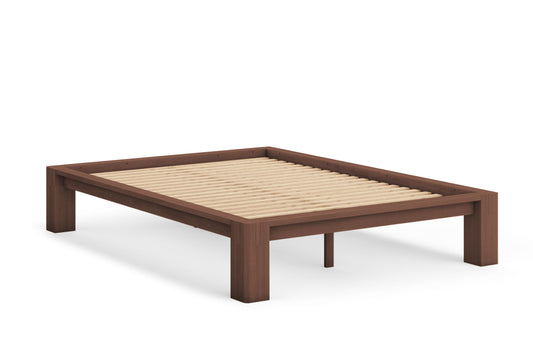 Sale
SaleKanso Tatami Bed
Regular price From $749.99Regular price $899.99 Sale price From $749.99Sale -
Anchorage Platform Bed
Regular price From $549.99Regular price $799.99 Sale price From $549.99Sale -
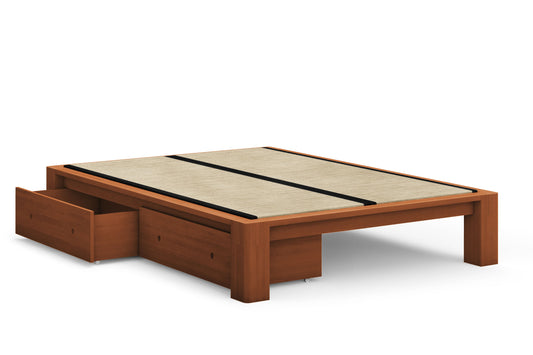
Japanese Tatami Platform Bed
Regular price From $729.99Regular price $929.99 Sale price From $729.99Sale -
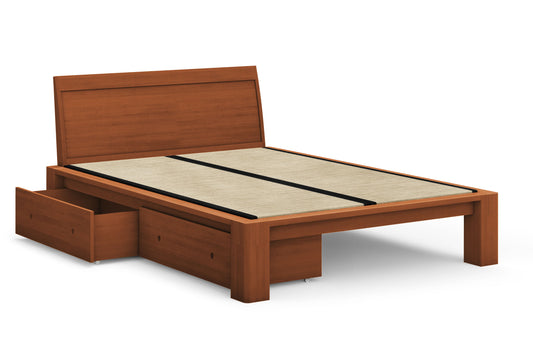
Japanese Tatami Platform Bed with Solid Headboard
Regular price From $929.99Regular price $1,129.99 Sale price From $929.99Sale -
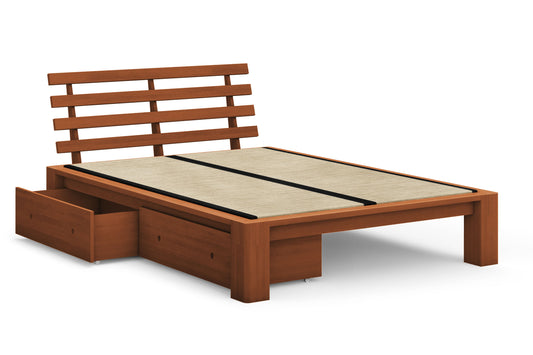
Japanese Tatami Platform Bed with Slatted Headboard
Regular price From $819.99Regular price $1,019.99 Sale price From $819.99Sale -
Japanese Tatami Platform Bed with Grooved Headboard
Regular price From $899.99Regular price $1,099.99 Sale price From $899.99Sale -
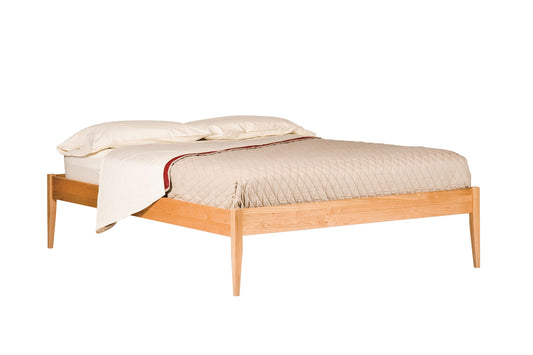
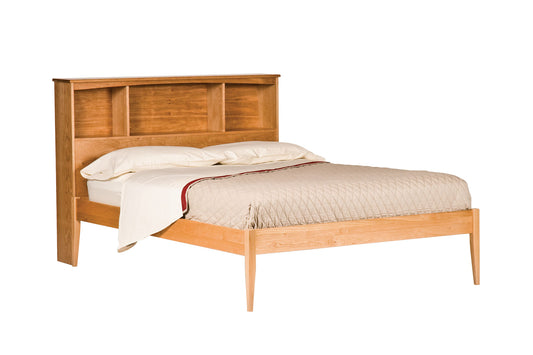 Sale
SaleBasic Platform Bed
Regular price From $799.99Regular price $999.99 Sale price From $799.99Sale -
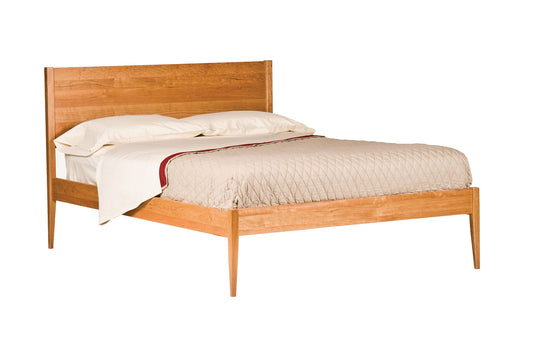
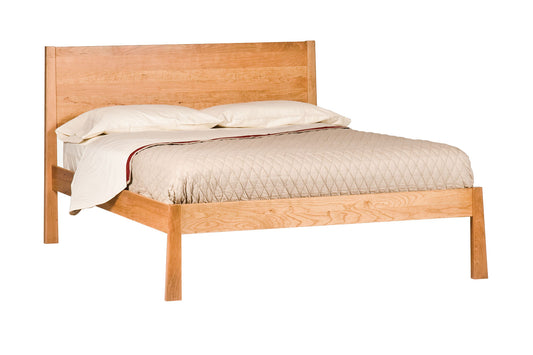 Sale
SaleEclipse Platform Bed
Regular price From $1,149.99Regular price $1,439.99 Sale price From $1,149.99Sale