
How Long Do Futons Last? Lifespan, Quality Levels, And When To Replace
If you are wondering how long a futon will actually last, you are not alone. Queries like “how long do futons last” and “how long does a futon mattress last” show up constantly in search data, especially from people who want a futon as a real bed, not just an emergency guest solution. The honest answer is that it depends heavily on materials, construction, how you use it, and how well you take care of both the frame and the mattress.
This guide will walk through typical lifespan ranges for different quality levels, what wears out first, the signs your futon is reaching the end of its comfortable life, and how to stretch that lifespan as much as possible. We will focus on natural fiber futons and shikibuton-style mattresses, since those are designed to be durable, breathable, and repairable in ways that cheap foam cushions are not.
What Actually Wears Out In A Futon?
A futon is really two separate components: the frame and the mattress. Each one has its own expected lifespan and its own weak spots. Understanding where wear and tear shows up first helps you decide whether you need a complete replacement or just an upgrade of one part.
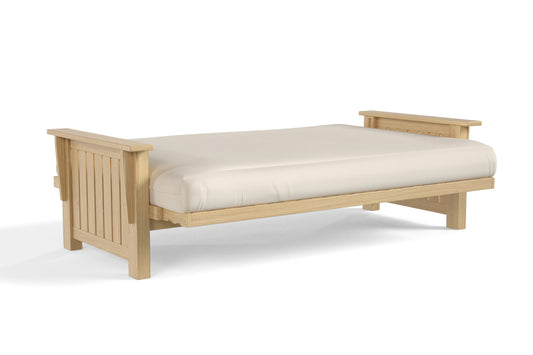
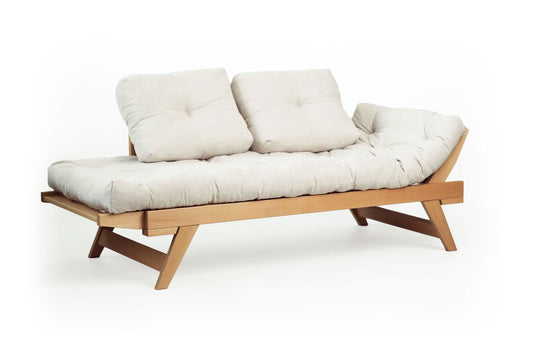
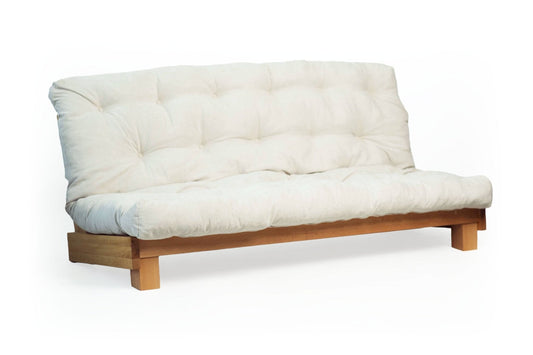
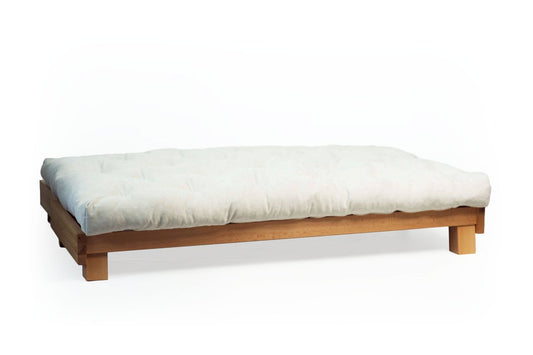
- The frame: On a well-built frame, the main structure is usually solid hardwood. The parts most likely to fail are moving hardware, thin slats, and any areas where screws loosen over time. A solid frame made from real wood can easily outlast multiple mattresses if you tighten hardware occasionally.
- The mattress: The padding compresses over years of use. Cotton, wool, and latex respond differently to weight, humidity, and usage patterns. The more often someone sleeps in the same spot, the faster that zone flattens and loses resilience.
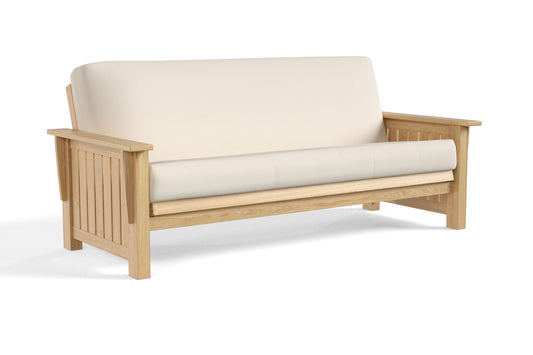
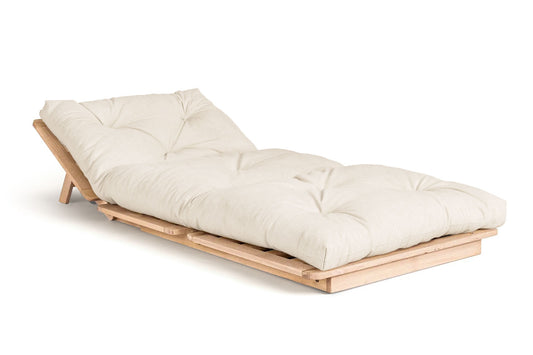
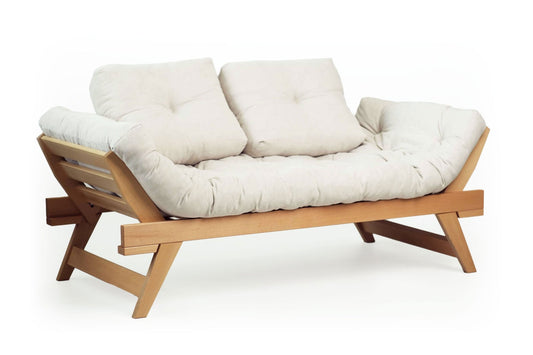
If you start with solid wood futon frames and a well-made natural mattress instead of a bargain set, you give yourself a much better starting point for long-term use.

Average Futon Lifespan By Quality Level
These are general ranges for everyday home use, based on typical adult sleepers. Heavier sleepers, very humid climates, or daily sofa-bed conversion will shorten these numbers; gentle use in a dry, well-ventilated space can stretch them.
- Entry-level foam or fiber futon mattresses on basic metal or particleboard frames: often only 2–4 years before noticeable sagging, lumps, squeaks, or bent hardware. These are usually designed as occasional guest solutions, not permanent beds.
- Mid-range cotton futon mattresses on a decent wood frame: roughly 5–7 years of regular use, sometimes a bit longer if you rotate and flip consistently and use a breathable base.
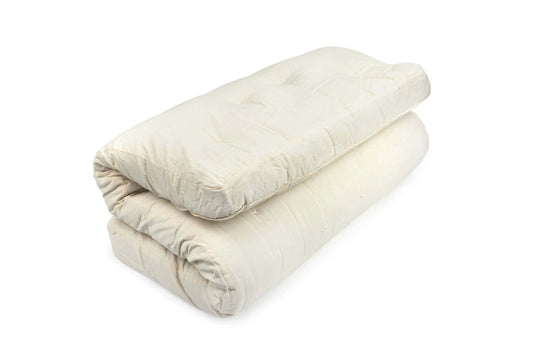
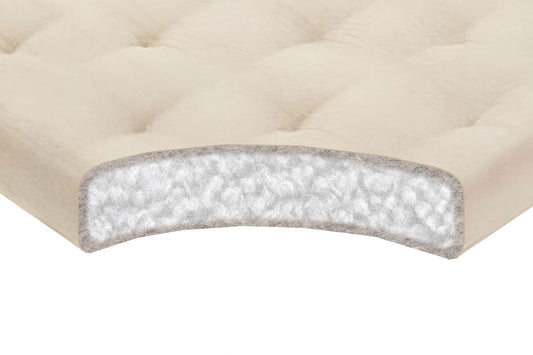
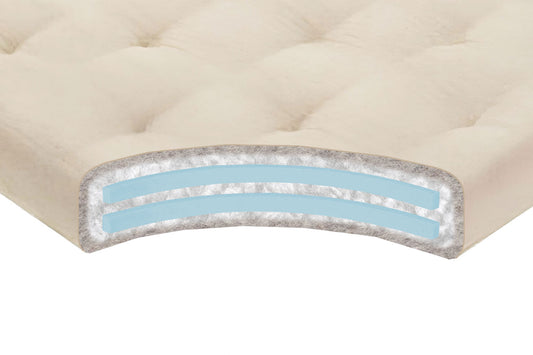
- High-quality natural fiber futons and Japanese-style floor mattresses on a sturdy hardwood frame: 8–12 years is very realistic, and some can go beyond that if you stay on top of airing, rotating, and protecting the surface from spills.
- The frame itself: a solid hardwood frame with good joinery can easily last 10–20 years or more if hardware is checked occasionally and the wood is not abused or left in extreme humidity.
For a deeper look at how natural futons compare to conventional beds in day-to-day use, you can explore a more detailed futon versus traditional mattress comparison here: futon versus traditional mattress comparison.
| Mattress Quality & Type | Estimated Lifespan | Common Mattress Issues |
|---|---|---|
|
Entry-Level (Foam or synthetic fiber filling) |
2–4 years | Noticeable sagging, lumps, and rapid loss of support. Designed for occasional guest use rather than daily sleep. |
|
Mid-Range (Cotton or wool blend) |
5–7 years | Padding compresses and becomes firmer over time. Lifespan improves significantly with regular rotation and flipping. |
|
High-Quality (100% Natural fiber or Shikibuton) |
8–12 years | Very durable. Requires regular airing and rotating to maintain loft and prevent moisture buildup, but holds shape well. |
What Shortens A Futon’s Lifespan?
Even a well-made futon will not last forever. Certain conditions speed up wear and tear, especially on the mattress side. If you want your futon to last as long as possible, these are the habits and environmental factors to watch out for.
- Constant use in the same spot: Sleeping in exactly the same position, on the same small section, will compress cotton or wool fibers faster. This is especially noticeable for solo sleepers on a larger futon.
- High humidity and poor airflow: A mattress that is directly on the floor in a humid climate, without tatami or a breathable underlay, is more likely to trap moisture. That can cause clumping, odors, or even mold in extreme cases.
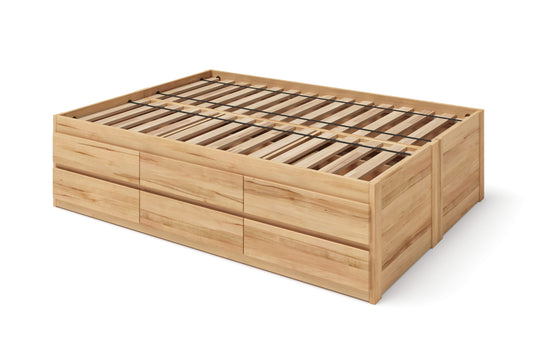
- Weak or widely spaced slats: A frame with very thin slats or large gaps between them allows the mattress to sag down between supports. Over time, that creates permanent valleys that are hard to fix.
- Never airing or rotating: If the futon stays in one position, day in and day out, the filling does not get a chance to loft back up. Lack of airflow also means sweat and humidity collect instead of dissipating.
- Direct sunlight all day: Occasional sun is wonderful for freshening a mattress, but baking one side in direct sunlight day after day can dry out the fibers unevenly.
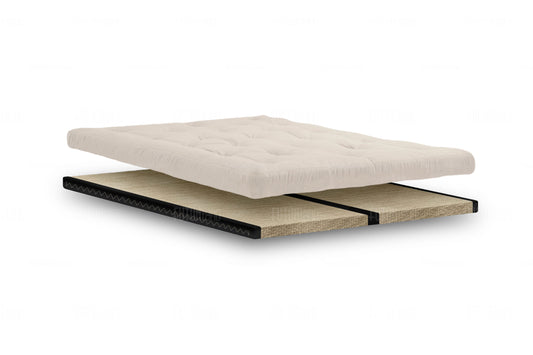
If your space or climate is challenging, pairing a futon mattress with breathable support like tatami or a coir bed rug from the bed rug collection can help preserve the filling and reduce moisture buildup.

Signs Your Futon Mattress Is Near The End Of Its Life
People often ask whether they really need to replace their futon, or if they can just flip it and keep going. There is nothing wrong with stretching the life of your mattress, but there are clear signs that it is no longer giving you the support and comfort you need.
- Deep body impressions that do not bounce back, even after flipping and rotating.
- A noticeable ridge in the middle where no one sleeps, with “trenches” on the sides.
- You wake up sore or stiff in ways that improve when you sleep on a different mattress.
- Lumps, hard spots, or areas where the filling feels clumped together instead of smooth.
- A musty smell that does not go away after airing and sunning, which can indicate trapped moisture.
If you primarily sleep on the floor, and you are not sure whether the discomfort is from the mattress or from the overall setup, a quick comparison with a different floor bed (like the one discussed in this floor mattress deep dive) can help you isolate the issue.
-
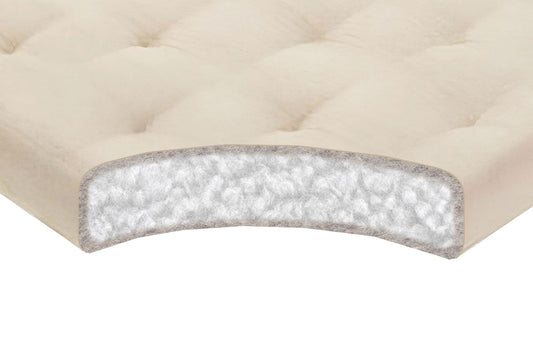
Natural Cotton and Wool Shiki Futon Mattress
Regular price From $279.99Regular price $419.99 Sale price From $279.99Sale -
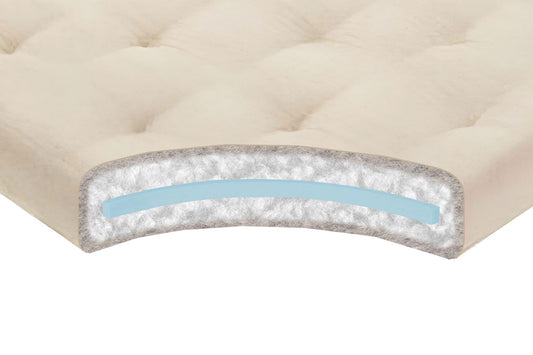
Natural Cotton, Wool and Foam Futon Mattress
Regular price From $469.99Regular price $709.99 Sale price From $469.99Sale -
Natural Cotton, Wool and Latex Shiki Futon Mattress
Regular price From $879.00Regular price $1,759.99 Sale price From $879.00Sale -
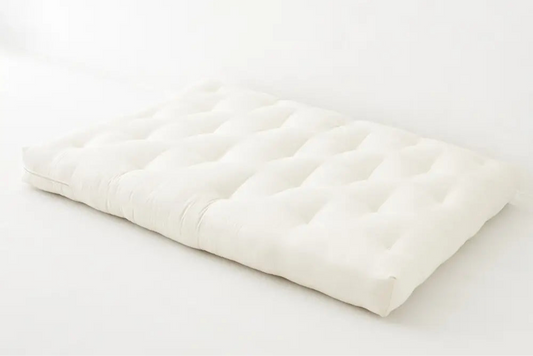
Natural All Cotton Shiki Futon Mattress
Regular price From $199.99Regular price $299.99 Sale price From $199.99Sale -
Natural Cotton and Wool Japanese-Style Firm Futon Mattress
Regular price From $529.99Regular price $669.99 Sale price From $529.99Sale -
Natural Cotton, Wool and Foam Japanese-Style Medium-Firm Futon Mattress
Regular price From $659.99Regular price $829.99 Sale price From $659.99Sale -
Natural Cotton, Wool and Latex Japanese-Style Medium-Firm Futon Mattress
Regular price From $839.99Regular price $1,049.99 Sale price From $839.99Sale -
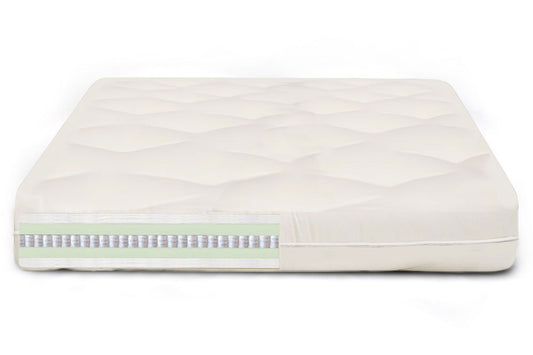
Natural Cotton, Foam and Pocket Spring Mattress
Regular price From $649.98Regular price $999.96 Sale price From $649.98Sale -
Natural Cotton, Foam and Innerspring Mattress
Regular price From $523.48Regular price $769.96 Sale price From $523.48Sale -
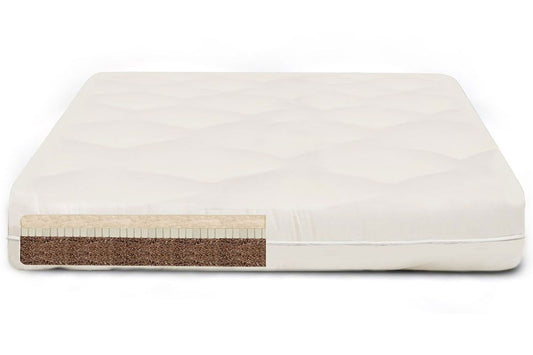
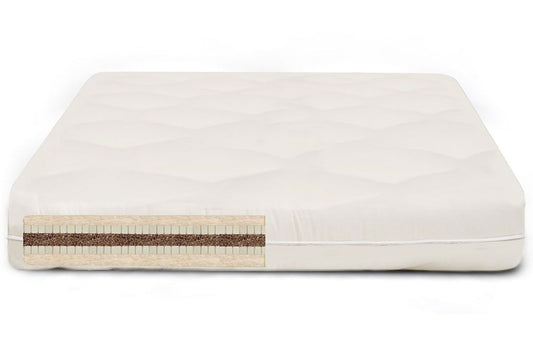
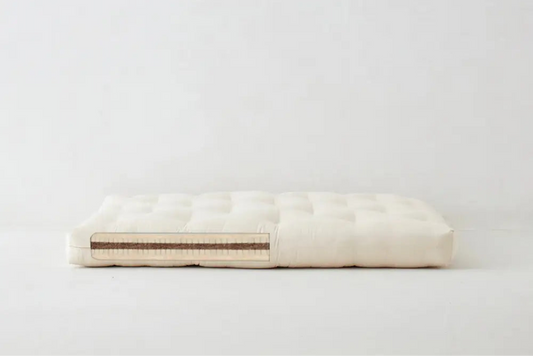
Natural Coconut, Latex and Wool Bed Mattress (Extra-Firm)
Regular price From $1,288.98Regular price $1,979.96 Sale price From $1,288.98Sold out -
 Sold out
Natural Coconut and Latex Mattress
Regular price From $1,547.48Regular price $2,449.96 Sale price From $1,547.48Sold out -
Natural Latex, Coconut and Wool Mattress (Extra-Firm)
Regular price From $1,272.98Regular price $1,979.96 Sale price From $1,272.98Sold out




-
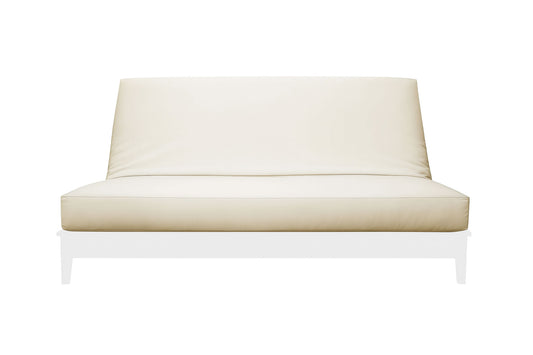
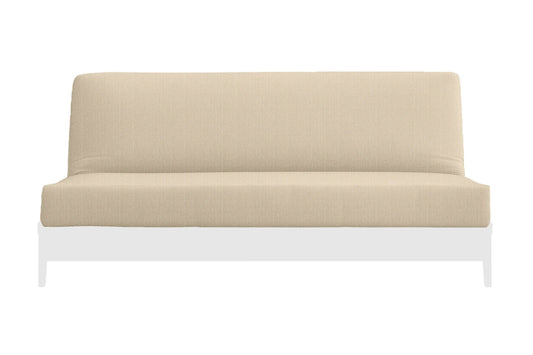
Essential 100% Cotton Twill Futon Mattress Cover
Regular price From $89.99Regular price $129.99 Sale price From $89.99Sale -
Natural 100% Cotton Fabric Futon Mattress Cover - Natural
Regular price From $94.99Regular price $164.99 Sale price From $94.99Sale -
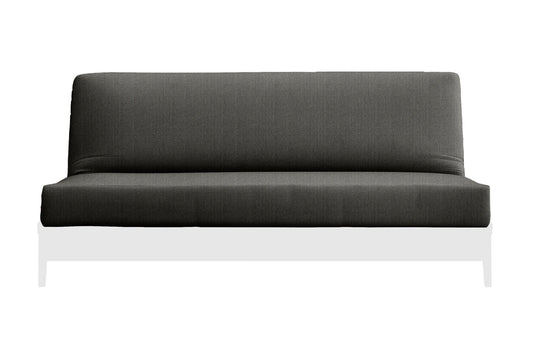
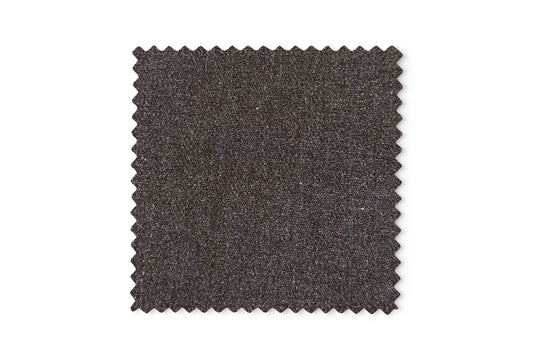
Natural 100% Cotton Fabric Futon Mattress Cover - Dark Graphite
Regular price From $94.99Regular price $164.99 Sale price From $94.99Sale -
Natural 100% Cotton Fabric Futon Mattress Cover - Black
Regular price From $94.99Regular price $164.99 Sale price From $94.99Sale -
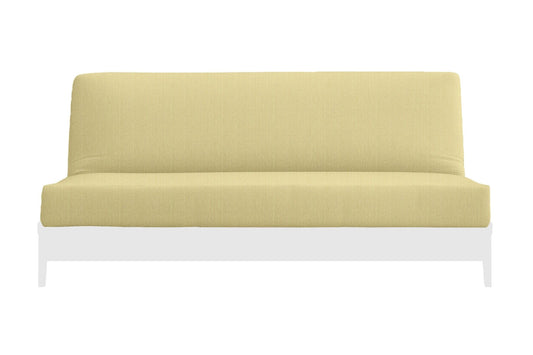
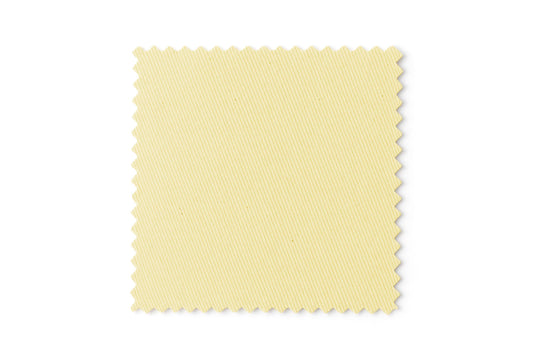
Natural 100% Cotton Fabric Futon Mattress Cover - Pale Yellow
Regular price From $94.99Regular price $164.99 Sale price From $94.99Sale -
Natural 100% Cotton Fabric Futon Mattress Cover - Air Force Blue
Regular price From $94.99Regular price $164.99 Sale price From $94.99Sale -
Natural 100% Cotton Fabric Futon Mattress Cover - Neon Lime Green
Regular price From $94.99Regular price $164.99 Sale price From $94.99Sale -
100% Organic Cotton Twill Futon Mattress Cover
Regular price From $248.00Regular price Sale price From $248.00 -
Japanese Printed Futon Cover - Storks Beige (Gray & Green)
Regular price From $179.99Regular price Sale price From $179.99 -
Japanese Printed Futon Cover - Storks Purple (Black & White)
Regular price From $179.99Regular price Sale price From $179.99 -
Japanese Printed Futon Cover - Geometric (Burgundy & White)
Regular price From $179.99Regular price Sale price From $179.99 -
Japanese Printed Futon Cover - Geometric (Gray & Black)
Regular price From $179.99Regular price Sale price From $179.99