
What Is Cotton Sateen (and Can Organic Sheets Be Sateen?)
If you have gone shopping for new bedding and felt lost in a sea of terms like percale, sateen, jersey, and satin, you are in good company. It is easy to assume cotton sateen is some kind of synthetic fabric, or that anything with a silky glow cannot possibly be organic. In reality, sateen is simply a way of weaving cotton yarns — not a separate material — and it can absolutely be made from certified organic fiber.
Understanding what cotton sateen actually is will help you decide whether it suits the way you sleep. Do you like crisp, papery sheets that feel like a freshly pressed shirt? Or do you prefer a smoother, drapier fabric that hugs the body? Are you trying to keep your bedroom as natural and low-tox as possible? This guide covers what cotton sateen is, how it compares to other weaves, how it behaves in real use, and how organic certification fits into the picture.

Cotton Sateen Is About the Weave, Not the Fiber
Cotton sateen is still cotton. The difference from other cotton fabrics lies in the pattern the yarns follow as they are woven on the loom.
In a standard percale weave, each yarn goes over one thread, under one thread, over one, under one — a balanced, matte structure that produces a crisp, cool fabric with a bit of surface texture. In a sateen weave, the yarns follow a different path. A common structure is "four over, one under," meaning each yarn floats over several threads on the surface before dipping underneath. That floating is what changes everything about how the fabric feels and looks:
- The surface becomes smoother and almost creamy to the touch
- A gentle, quiet sheen emerges — especially when long-staple cotton is used
- The fabric drapes more heavily over the body and the contours of the mattress
Because the underlying fiber is still cotton, sateen can be plant-based, breathable, and made from organically grown crops. The weave changes how the yarns are arranged — it does not introduce synthetics or change what the fabric is made from.
How Sateen Differs from Satin, Percale, and Jersey
Sateen gets mixed up with satin often because the names sound similar and both fabrics tend to look smoother than classic woven cotton. The differences matter, especially if you are trying to avoid synthetic fibers in your bedding.
Satin is a weave typically made with polyester or other synthetic fibers in bedding contexts. It looks very shiny and feels slick, but it traps heat and can feel clammy in warm or humid climates. It is not cotton.
Cotton sateen uses a satin-style weave pattern with cotton yarns. The surface feels smooth and slightly lustrous, but the fabric still breathes and drapes more naturally than polyester satin.
Percale is a plain-weave cotton with a matte finish and a crisp, cool hand. Many people compare it to a freshly ironed shirt or a clean hotel sheet. It is often the preference of hot sleepers for its airiness.
Jersey is a knitted cotton fabric, not a woven one. It feels like a soft T-shirt and tends to be stretchy and cozy rather than smooth and sleek.
If your ideal sheet is smooth and gentle on the skin but still breathable, cotton sateen sits comfortably between slick polyester satin and traditional crisp percale. It pairs naturally with the rest of a natural bedding setup — cotton sheet sets, wool comforters, breathable protectors — without introducing synthetics into the mix.
-
100% Cotton Terry Zippered Style Futon Mattress Protector (up to 8")
Regular price From $79.99Regular price $119.99 Sale price From $79.99Sale -
Natural 100% Cotton Fabric Futon Mattress Cover - Natural
Regular price From $94.99Regular price $164.99 Sale price From $94.99Sale -
Protective Covers for Shikibutons
Regular price From $99.99Regular price $159.99 Sale price From $99.99Sale -
Organic Wool and Buckwheat Pillow
Regular price From $98.98Regular price $197.96 Sale price From $98.98Sale -
Natural 100% Cotton Fabric Futon Mattress Cover - Dark Graphite
Regular price From $94.99Regular price $164.99 Sale price From $94.99Sale -
Protective Covers for Tatami Daybed Sofa Sleeper
Regular price From $199.99Regular price Sale price From $199.99 -
Essential 100% Cotton Twill Futon Mattress Cover
Regular price $79.99Regular price $129.99 Sale price $79.99Sale -
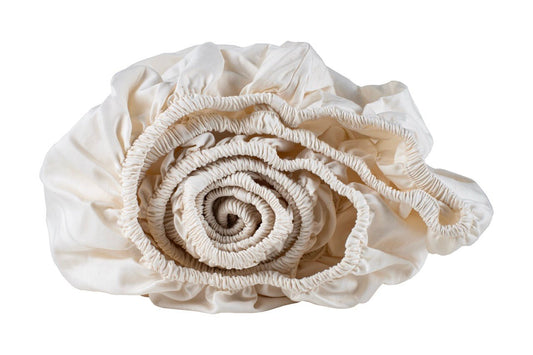
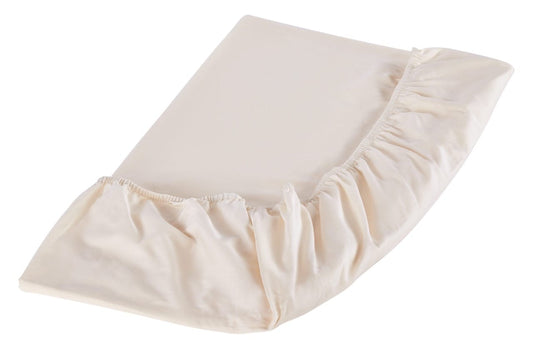
100% Organic Cotton Sateen Fitted Sheet
Regular price From $65.00Regular price Sale price From $65.00 -
Natural 100% Cotton Fabric Futon Mattress Cover - Light Gray
Regular price From $94.99Regular price $164.99 Sale price From $94.99Sold out -
Organic Cotton Pillow
Regular price From $93.98Regular price $187.96 Sale price From $93.98Sale -
Natural Wool Mattress Topper (3 Inch)
Regular price From $329.99Regular price $659.99 Sale price From $329.99Sale -
Alpaca Wool Comforter (Duvet Insert)
Regular price From $319.00Regular price Sale price From $319.00



What Cotton Sateen Feels Like in Everyday Use
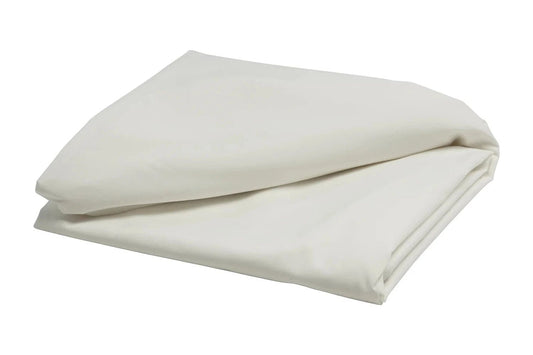
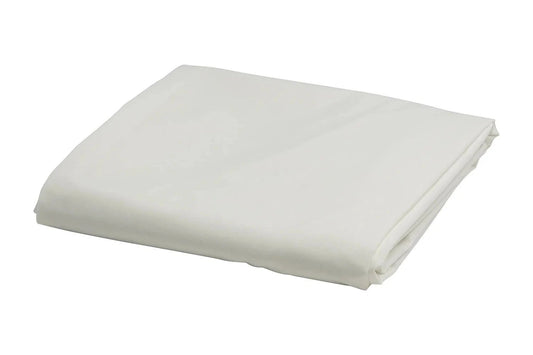
The most common way people describe cotton sateen is "buttery" — smooth without being slippery. When you run your hand across it, your skin glides rather than catching on visible texture. The surface has a quiet glow under soft light, nothing like the bright shine of synthetic satin.
Compared to percale:
- Sateen usually feels warmer and cozier because the weave is denser
- It drapes more heavily, wrapping around the body and mattress rather than lying flat
- It tends to be quieter — less of the papery rustle some people notice with percale
- It comes out of the dryer looking smoother, with less dramatic creasing
For cool sleepers, or anyone who likes the feeling of being cocooned, sateen can be very satisfying. If your bedroom runs hot or you tend to overheat, a lighter percale may still be your warm-weather default, with sateen reserved for the cooler months.
Can Cotton Sateen Be Organic?
Yes — and this is probably the most important thing to understand about sateen if you care about what is in your bedding.
"Organic" describes how the cotton is grown and processed, not how it is woven. An organic sateen sheet starts with cotton grown without synthetic pesticides or herbicides, under farming standards that also account for soil health and social responsibility. From there, the yarns are spun, woven, dyed, and finished according to stricter rules on what chemicals can be used — certain resins, heavy-metal dyes, and harsh finishing treatments are limited or prohibited.
Because the weave and the farming method are completely independent of each other, you can find several combinations on the market:
- Conventional cotton sateen — non-organic fiber, but still 100 percent cotton
- Certified organic sateen — organic fiber plus verified, stricter processing
- Polyester "satin" sheets — synthetic, even if they look shiny from a distance
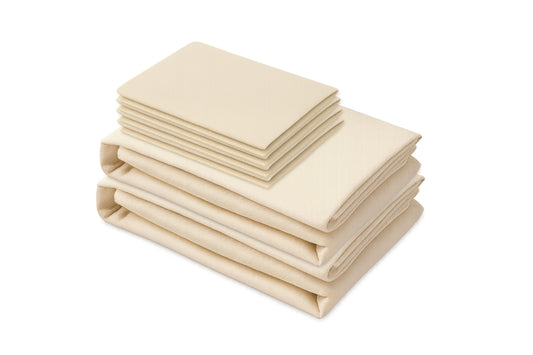
If you want the softness of sateen alongside the clean-material benefits of organic certification, look for products that clearly state both: the fiber (100 percent cotton) and the certification that covers how it was grown and finished. GOTS is the label most worth looking for, since it covers the full supply chain from farm to finished textile — not just the raw fiber. Our organic cotton sateen sheet set gives you that combination: smooth hand, gentle luster, and cotton grown and processed without synthetic pesticides. If you want to understand what the different certifications actually mean, this overview of bedding and furniture certifications is a useful reference.

Pros and Cons of Cotton Sateen Sheets
Every fabric has trade-offs. Knowing them helps you decide whether to build your whole bedding setup around sateen or use it as one layer in a rotation.
Advantages
- Soft against skin. The long surface floats in the weave create a gentle feel that many people find soothing, particularly those with sensitive or easily irritated skin.
- Subtle sheen. Sateen adds a touch of quiet warmth to the bed without the slippery, plasticky feel of synthetic satin.
- Cozy weight. The denser weave gives the fabric a comforting drape and a slightly warmer feel — welcome in cooler rooms and cooler seasons.
- Smoother out of the dryer. All cotton creases, but sateen tends to emerge looking more settled than crisp percale.
Drawbacks
- Can be too warm for very hot sleepers. In humid climates or for those who generate a lot of body heat, a lighter plain weave may feel more comfortable through summer.
- Slightly more delicate face. The floating yarns that create that smooth surface can be more prone to small snags if they meet rough surfaces or sharp edges.
- Sensitive to harsh care. Overly hot washing and drying can roughen the surface over time. Moderate temperatures and gentle detergent keep the hand feeling smooth longer.
One practical approach: treat sateen as part of a small rotation. Keep an organic sateen set on the bed in cooler months, then switch to a crisper percale when summer humidity arrives.
Thread Count, Fiber Quality, and What Actually Matters
Sateen bedding is often marketed with very high thread counts. Thread count does matter up to a point — it reflects how tightly the fabric is woven — but chasing the highest number can backfire. Extremely high thread counts can indicate multi-ply yarns counted multiple times, or fabric woven so tightly that air cannot move through it easily.
Rather than fixating on a number, focus on:
- The length and quality of the cotton fibers. Long-staple cotton produces smoother, stronger yarns that wear better and feel better.
- Whether the product carries independent certification covering both fiber and processing.
- How the fabric actually feels in your hand, and how it holds up after several washes.
How to Shop for Cotton Sateen Without Guesswork
When you are ready to bring sateen into your bedroom, a short checklist makes comparing options easier.
- Confirm the fiber content. Look for 100 percent cotton, with a clear organic claim if that matters to you. Blends that add polyester for wrinkle resistance will not breathe as well.
- Look for credible certification. GOTS is the most comprehensive for organic bedding textiles. It covers the full supply chain, not just the raw material.
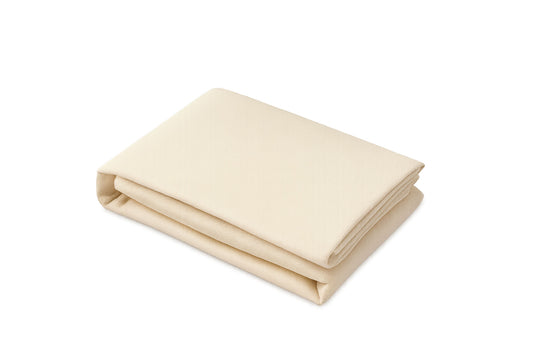
- Start with a complete set. A fitted sheet, flat sheet, and pillowcases are the essentials. An organic cotton sateen set keeps the whole base layer consistent.
- Add coordinating pieces over time. An extra fitted sheet, a spare pair of pillowcases, or an organic cotton duvet cover can round out the setup without requiring everything at once.
- Consider color and pattern. Sateen's gentle sheen tends to look best in solid colors or understated designs that let the texture carry the visual interest.
How to Care for Cotton Sateen
Cotton sateen does not require special detergents or elaborate routines, but a few habits will keep it feeling smooth for longer.
- Wash in cool or warm water. Moderate temperatures are usually enough to clean the fabric without stressing the fibers.
- Use a gentle, low-residue detergent. Heavy fragrances and softening additives can leave film on the fabric that reduces breathability over time.
- Skip fabric softener. Sateen already has a smooth hand. Liquid softeners and dryer sheets are unnecessary and may coat the cotton.
- Tumble dry on low and remove promptly. High heat roughens the surface over time. Taking sheets out while still slightly warm and smoothing them onto the bed minimizes creasing.
- Rotate your sets. Two or three sets in rotation spreads out the wear so each one lasts longer.
Where Sateen Fits in a Natural Bedroom
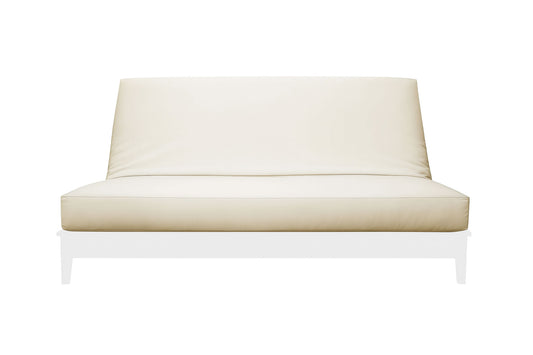
In a bedroom built around natural materials, cotton sateen is one more way to fine-tune comfort without compromising on what goes against your skin. A sateen fitted sheet and pillowcases give you that smooth, settled feeling at the contact layer, while a more matte cotton shell on your wool-filled duvet or a textured throw adds visual and tactile contrast that keeps the bed from feeling one-note.
Sateen's gentle luster also works well alongside the clean lines of solid wood furniture. A low-profile platform bed or a simple solid wood frame pairs naturally with soft, draping sheets — the smoothness of the fabric and the warmth of the wood share the same quiet quality.
Sheets are also just one part of a larger system. For a fuller view of how sateen fits alongside wool comforters, cotton blankets, and breathable protectors, this guide to natural bedding combinations covers how all the layers work together. And if you are curious about how the animal fiber components of your bedding are sourced, this piece on ethical wool sourcing gives useful background.
Cotton sateen is ultimately a particular way of weaving cotton into a fabric that feels smooth, drapes well, and adds a bit of warmth to the bed. When the fiber is organically grown and the processing is verified, it fits naturally alongside a natural mattress and solid wood frame — another quiet, considered layer in a bedroom built to last.
Frequently Asked Questions
What is the difference between cotton sateen and satin?
Cotton sateen uses a satin-style weaving technique with natural cotton yarns to create a smooth, slightly luminous surface that breathes well. Satin, in the context of bedding, is typically woven from synthetic fibers like polyester, which makes it very shiny and slick but prone to trapping heat and feeling clammy.
Are cotton sateen sheets breathable?
Yes. Because they are made from 100% cotton, sateen sheets are naturally breathable. However, their specific weave is denser than standard percale, which gives them a heavier drape and a warmer, cozier feel. They are excellent for cooler months or for people who love to feel "cocooned" while they sleep.
Can cotton sateen sheets actually be organic?
Absolutely. "Sateen" refers only to the weave pattern, while "organic" refers to how the cotton is grown and processed. You can easily find sheets that are both. For the highest standard of purity, look for sateen bedding with a GOTS (Global Organic Textile Standard) certification, which ensures no synthetic pesticides or harsh chemicals were used from the farm to the finished textile.
Does thread count matter for cotton sateen sheets?
It matters up to a point, as it reflects how tightly the fabric is woven. However, chasing extremely high thread counts can backfire—it often indicates multi-ply yarns counted multiple times or a weave so tight that air cannot flow through it. It is much better to focus on the use of long-staple cotton and independent organic certifications rather than just a high number.
How do I wash and care for cotton sateen sheets?
Wash your sateen sheets in cool or warm water using a gentle, low-residue detergent. You should avoid fabric softeners and dryer sheets entirely, as sateen is naturally smooth and these additives can leave a film that reduces breathability. Tumble dry on low heat and remove them promptly to minimize creasing.