
How to Transition from a High Bed to a Floor Bed (Without Wrecking Your Back)
Most people who try to transition to a floor bed do it the same way, and most of them fail for the same reason. They pull the mattress off the frame on a Saturday evening, put it on the floor, sleep badly for two or three nights, and conclude that floor sleeping is not for them. Then they put the frame back.
The problem is almost never the floor. It is the speed of the transition.
If you have spent years sleeping on a tall, soft mattress, your body has adapted to that surface completely. Your muscles know how to release into it. The pressure points your hips and shoulders have learned to expect are all in specific places. Moving abruptly to a firm, flat surface at floor level is asking your body to undo years of postural habit in a single night — and it will push back.
The solution is not to tough it out. It is to step down gradually, giving your body time to adjust at each stage before moving to the next. This guide covers that process in practical terms: what to do, in what order, what your body will likely feel at each stage, and when to slow down.

Why the Step-Down Approach Works
The body adapts to sleeping surfaces the same way it adapts to anything else physical — incrementally, with recovery time in between. A sudden shift from a tall foam bed to a thin mattress on the floor asks too much at once. You are changing your height off the ground, your surface firmness, and your body mechanics for getting in and out of bed all at the same time. In fact, the Sleep Foundation notes that while floor sleeping can greatly improve spinal alignment and posture, making the jump without allowing your body to adapt to the lack of cushioning around pressure points (like your hips and shoulders) is exactly what causes acute stiffness and discomfort.
Breaking that into stages lets you isolate each variable. If something feels wrong, you know exactly what changed and can adjust without starting over. It also gives your muscles and connective tissue time to strengthen in response to each new demand, which is what actually makes floor sleeping comfortable long-term rather than punishing.
Most adults complete the full transition in four to six weeks. Some find a midpoint — a low platform bed with a natural mattress — suits them permanently, and never go all the way to the floor. Both outcomes are valid. The process itself tells you which one fits your body.
Stage One: Remove the Box Spring (Weeks 1–2)
If you are starting on a standard metal frame with a box spring, begin here. The box spring adds 8 to 12 inches of height and a layer of give that the floor will not provide. Removing it is the lowest-friction entry point into the transition — you change one thing, sleep on your existing mattress in the same room, and let your body adjust to a lower, slightly firmer surface without any other variables.
At the same time, remove any thick memory foam or pillow-top layers you have been using. These are typically compensating for a surface that is too soft, and keeping them will slow the transition rather than ease it.
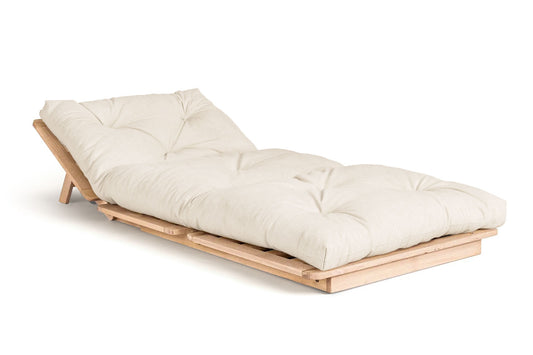
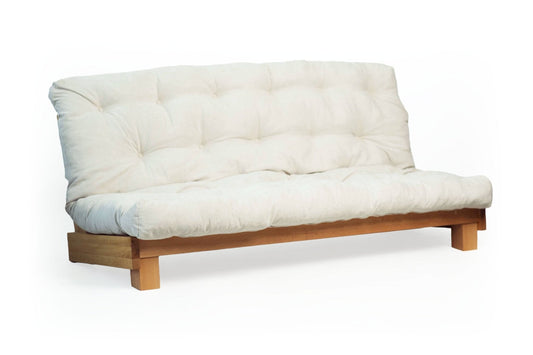
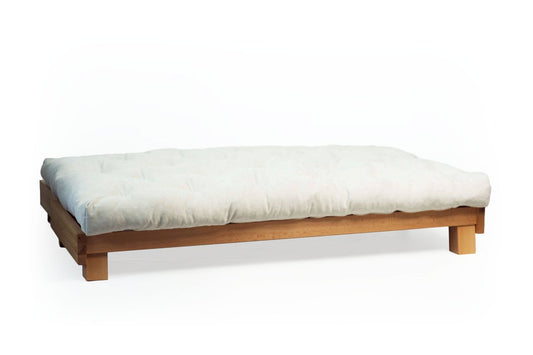
Move your mattress directly onto a solid wood platform bed or a slatted base on the floor. Sleep this way for two full weeks before doing anything else.
What to expect: The first few days often bring mild stiffness in the lower back or hips in the morning. This is your muscles adjusting to a surface that does not contour around them. It typically resolves within a week. If it worsens rather than improves, slow down and give this stage more time before moving forward.
-
Columbus Natural Eco Platform Bed
Regular price From $469.99Regular price $799.99 Sale price From $469.99Sale -
Lakewood Natural Eco Platform Bed
Regular price From $679.99Regular price $899.99 Sale price From $679.99Sale -
Sacramento Natural Eco Platform Bed
Regular price From $599.99Regular price $829.99 Sale price From $599.99Sale -
Plainfield Natural Eco Platform Bed
Regular price From $409.99Regular price $739.99 Sale price From $409.99Sale -
Anchorage Platform Bed
Regular price From $549.99Regular price $799.99 Sale price From $549.99Sale -
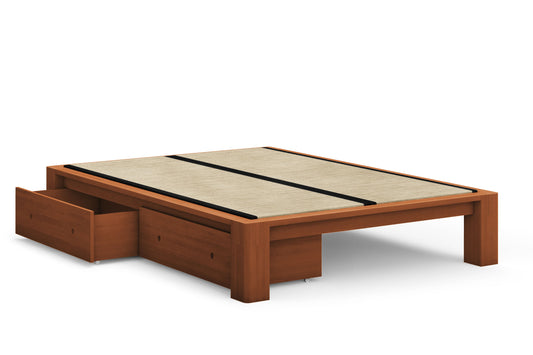
Japanese Tatami Platform Bed
Regular price From $729.99Regular price $929.99 Sale price From $729.99Sale -
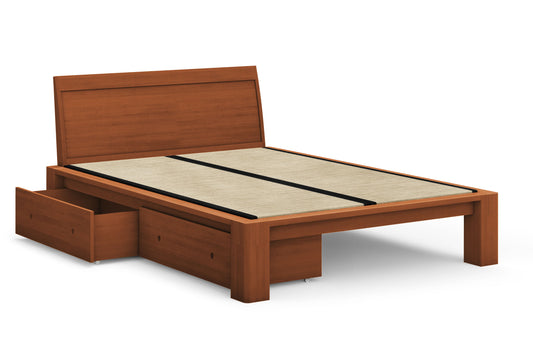
Japanese Tatami Platform Bed with Solid Headboard
Regular price From $929.99Regular price $1,129.99 Sale price From $929.99Sale -
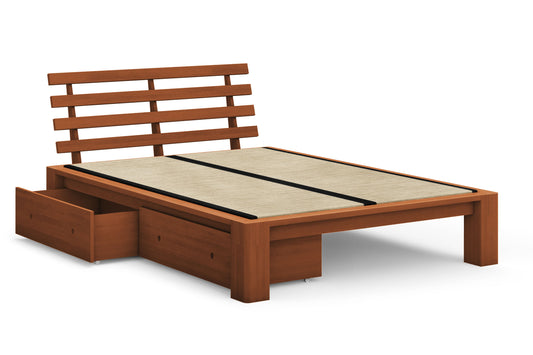
Japanese Tatami Platform Bed with Slatted Headboard
Regular price From $819.99Regular price $1,019.99 Sale price From $819.99Sale -
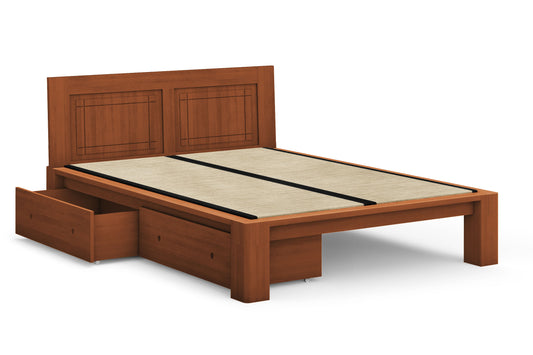
Japanese Tatami Platform Bed with Grooved Headboard
Regular price From $899.99Regular price $1,099.99 Sale price From $899.99Sale -
 Sale
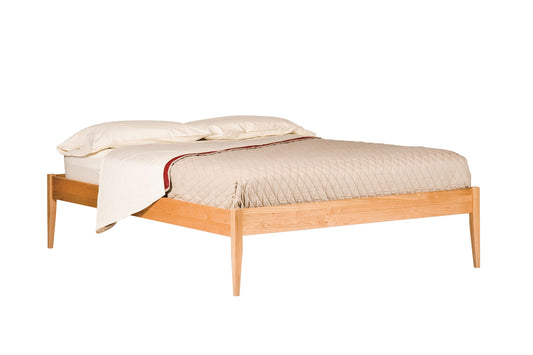
SaleBasic Platform Bed
Regular price From $799.99Regular price $999.99 Sale price From $799.99Sale -
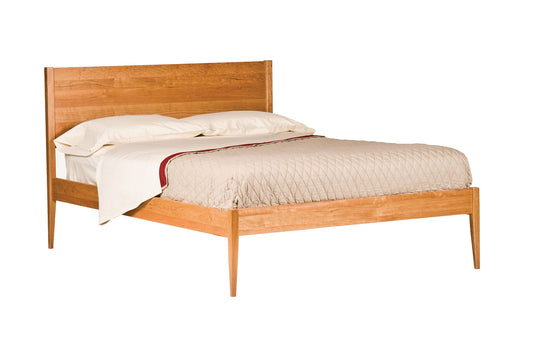
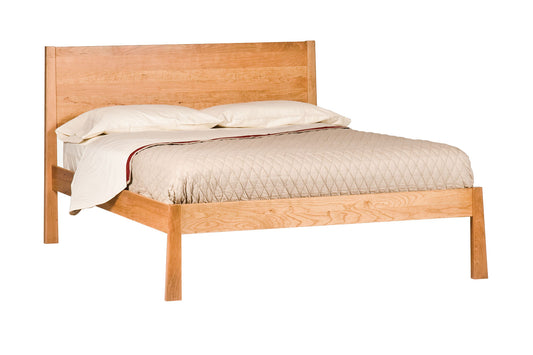 Sale
SaleEclipse Platform Bed
Regular price From $1,149.99Regular price $1,439.99 Sale price From $1,149.99Sale -
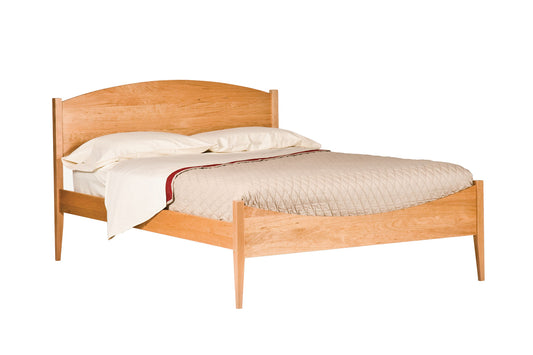
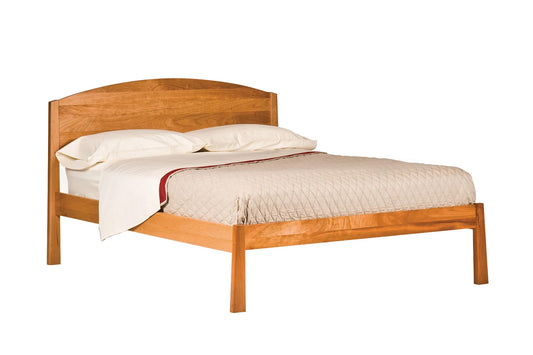
Moondance Platform Bed
Regular price From $1,159.99Regular price $1,459.99 Sale price From $1,159.99Sale







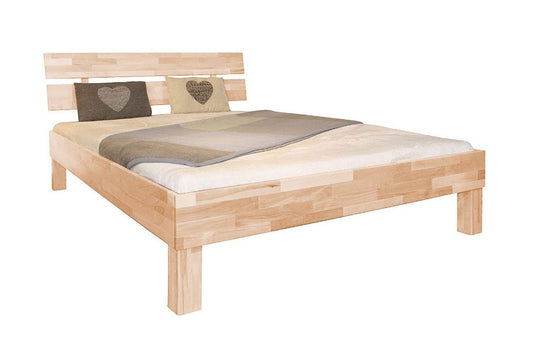




-
 Sale
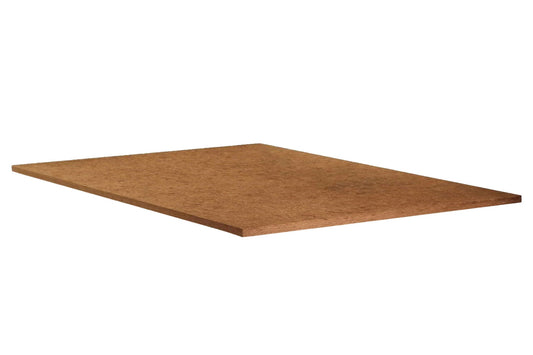
SaleCoconut Coir Bed Rug
Regular price From $209.99Regular price $329.99 Sale price From $209.99Sale -

 Sale
SaleTatami Mat
Regular price From $169.99Regular price $219.99 Sale price From $169.99Sale -

 Sale
SaleFolding Tatami Mat
Regular price From $179.99Regular price $269.99 Sale price From $179.99Sale -
 Sale
SaleGoza Tatami Mat
Regular price $79.99Regular price $129.99 Sale price $79.99Sale -
Tatami Floor Room Kit
Regular price From $779.99Regular price $1,289.99 Sale price From $779.99Sale


Stage Four: Move to the Floor
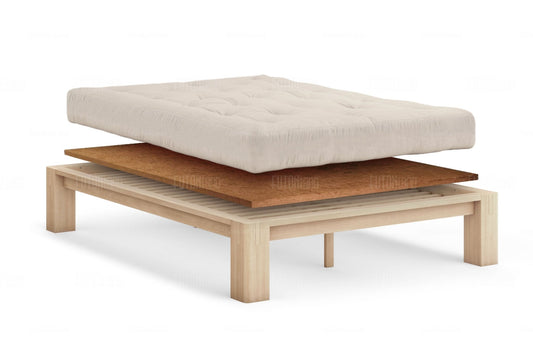
After two to three weeks on the tatami-and-shikibuton setup on your low frame, the final step is straightforward: take the mat and mattress off the frame and place them directly on the floor in the same position.
Do not treat the first night as a permanent commitment. Start with naps, or sleep on the floor for part of the night and return to the low frame if you need to. The adjustment at this final stage is usually minor, because your body has already done most of the work in the earlier stages. Most people find they are sleeping comfortably on the floor within one to two weeks of this final move.
Some people try the floor at this stage and find they genuinely prefer the low platform. That is useful information, not a failure. The gradual process exists to help you find out what actually suits your body — not to produce a predetermined outcome.
The Transition at a Glance
| Stage | What changes | Duration | What to watch for |
|---|---|---|---|
| 1. Remove box spring | Lower height, remove soft toppers, move to platform base | 1–2 weeks | Mild morning stiffness is normal; worsening pain means slow down |
| 2. Low platform frame | Move to a genuinely low solid wood frame | 2 weeks minimum | This may be your permanent landing point — that is fine |
| 3. Tatami + shikibuton | Introduce natural mattress and woven base layer on the frame | 2 weeks minimum | First-week stiffness normal; sharp or persistent pain means add a topper and wait |
| 4. Move to the floor | Take the same setup off the frame onto the floor | 1–2 weeks to settle | Start with naps; most people adapt quickly at this stage |
Who Should Pause Before Going to the Floor
The gradual process works well for most healthy adults. There are a few situations where it is worth slowing down further or reconsidering the end goal.
Older adults and anyone with mobility limitations should carefully assess whether getting up from floor level is physically realistic on a daily basis — and particularly in the middle of the night. The mechanics of rising from the floor change significantly with age and with conditions affecting the hips, knees, or lower back. A low platform bed often captures most of what people are looking for in a floor setup without requiring floor-level access. It is not a compromise; for many people it is simply the right destination.
Anyone recovering from injury or surgery should check with a physiotherapist or physician before beginning the transition. A firmer sleep surface may be beneficial or contraindicated depending on the specific injury — there is no universal answer.
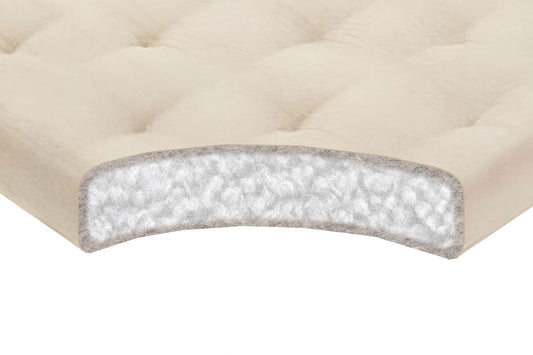
Side sleepers with existing hip or shoulder issues may find that even a well-padded shikibuton creates pressure points at those joints. A thicker futon (6 to 8 inches) or a natural wool topper often resolves this, but if it does not resolve within the normal adjustment period, the floor may not be the right end point regardless of how gradually you transition.

Frequently Asked Questions
How long does the full transition take?
For most adults, four to six weeks from the first stage to sleeping comfortably on the floor. The gradual approach takes longer than going cold turkey, but it dramatically reduces the chance of the kind of acute back pain that sends people back to their old setup after a few nights.
Can I skip stages if I feel fine?
You can, but it is worth waiting the minimum time at each stage even if you feel good. Comfort in the first few days is not always a reliable indicator — some adjustments show up later in the week as the initial novelty wears off and your body settles into the new surface.
What if I feel worse at the end of each stage than at the beginning?
Discomfort that increases rather than decreases over a two-week period is a signal to add padding — a wool topper over the shikibuton is the most useful first adjustment — or to stay at the current stage longer before moving on. Progressive worsening is not something to push through.
Do I need tatami mats, or can I put the shikibuton directly on the floor?
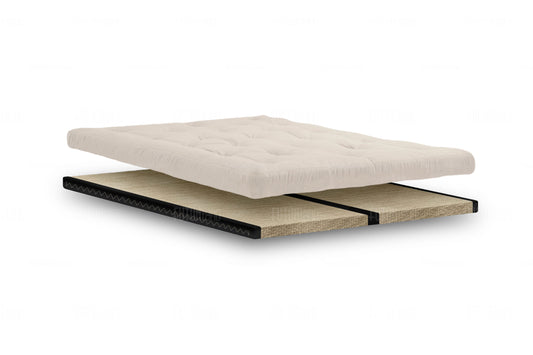
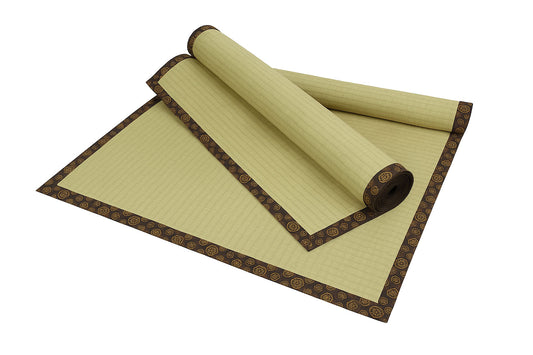
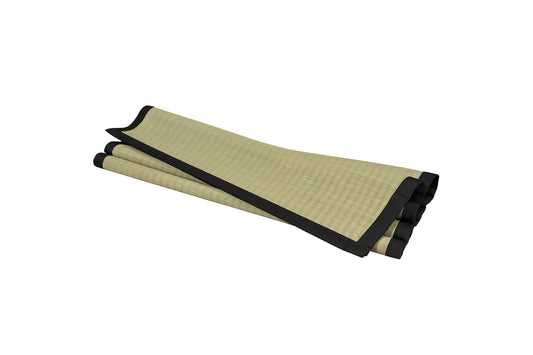
In practice, a tatami mat or coconut coir pad is close to essential for a floor setup that lasts. A natural fiber mattress placed directly on hardwood or carpet traps body moisture underneath with no way to escape. Over days and weeks, that moisture accumulates and mold follows — often invisibly. The mat creates a small but sufficient air gap that lets the underside breathe. It also provides a flat, even surface that bare hardwood does not.
Is a low platform bed a reasonable permanent solution?
Absolutely. Many people who go through this process discover that a low solid wood platform with a natural shikibuton or futon mattress gives them everything they were looking for — the grounded feel, the firm support, the visual calm — without the daily maintenance demands of a true floor setup. Stopping there is not a failure to commit; it is listening to what your body is telling you.