
Light Wood Nightstand: A Guide to Species, Finishes, and Aging
A light wood nightstand can get its color from four different places, and the listing rarely tells you which one. It might be a naturally pale species. It might be a darker wood under a clear finish that lets its true tone through. It might be any wood at all under a tinted or white-washed finish. Or it might be a printed image of pale grain over particleboard.
Those four age in completely different directions. One warms slowly and evenly for decades. One wears through at the handled edges. One shows a dark core the first time it chips. So the useful question is not which nightstand looks lightest in the photograph, but which of the four you are actually buying — and the tells are visible on most product pages if you know where to look. Our solid wood nightstands sit in the first two categories, and this guide explains why that distinction still matters five years in.

Species and finish are two separate decisions
The single most common misreading in this category is treating wood tone as a fixed property of the species. It is not. Most furniture makers offer the same frame in several finish tones, so one nightstand design might be sold in a pale natural, a mid amber, and a deep brown — all built from the identical wood underneath.
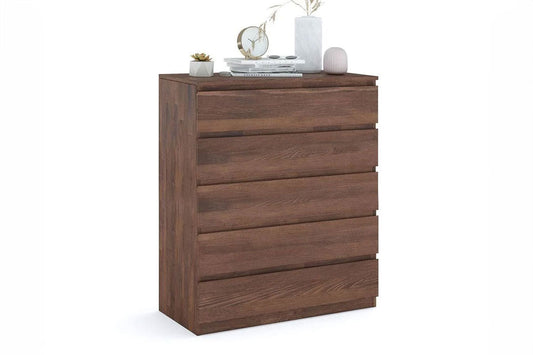
That means a finish name in a dropdown tells you about color, not material. A nightstand offered in a "walnut" tone is very often a beech or oak frame finished to read like walnut, not a piece of walnut lumber. Neither is dishonest, and the darker finish is frequently the more durable choice, but it does mean you cannot infer the wood from the color name.
Read the two independently. The species line tells you hardness, grain character, stability, and how the piece behaves over decades. The finish line tells you the tone you will live with, how repairable it is, and how much it will shift under daylight. A pale finish on a hard species and a pale species under a clear finish look similar on day one and diverge considerably by year five.
Light wood species, compared
Four species account for most genuinely pale furniture on the market, with two more appearing often enough to recognize.
| Species | Tone | Grain | Hardness | How it ages |
|---|---|---|---|---|
| White oak | Pale tan to light brown | Open, prominent, straight | Hard | Ambers gently; the grain deepens more than the field |
| Beech | Pale pinkish cream | Very fine, tight, subtle fleck | Hard | Warms toward honey; one of the more visible shifts |
| Bamboo | Blond to pale straw | Uniform, linear, node markings | Varies widely by construction | Ambers modestly and evenly |
| Maple | Near-white cream | Very fine, nearly featureless | Hard | Yellows noticeably; the most visible change of the group |
| Birch | Pale with faint warm cast | Fine, slightly wavy | Moderate | Yellows; softer, so it marks more easily |
| Ash | Pale blond | Open and prominent, oak-like | Hard | Warms slowly and evenly |
White oak is the most forgiving choice for a nightstand because its open grain hides the small marks that a bedside surface accumulates. It also reads pale without reading stark, which suits rooms that are not rigidly modern. If the open grain pattern appeals, the same character runs through the rest of our oak furniture.
Beech is the quietest of the pale hardwoods. Its grain is fine enough that the surface reads almost as a solid tone, which keeps a nightstand visually light next to a low bed. It is also dense and takes a clean edge, which matters where a piece has a routed finger pull rather than hardware. Our beech furniture shows the tight, even figure this species is known for.
Bamboo is the outlier and deserves the caveat. It is a grass rather than a hardwood, and its performance depends almost entirely on how it was processed — strand-woven bamboo is extremely hard, while flat-pressed bamboo is closer to a moderate hardwood. The look is uniform and linear, with periodic node markings that read as a deliberate pattern rather than natural figure. It is the fastest-renewing material in the group, which is the usual reason people choose it. Our bamboo furniture is where that construction question is worth asking directly.
Maple and birch are common in the wider market and worth recognizing on a spec sheet. Maple is the palest of everything listed here and the most prone to yellowing, which is why maple pieces from different years rarely match. Birch is softer and marks more readily, which a nightstand punishes more than most furniture.
What the finish actually does
Finish determines the tone you see, how the piece can be repaired, and how fast the color moves.
Hardwax oil and penetrating oil soak into the wood rather than forming a film. They leave the grain visible and the surface matte, and they keep a pale species looking pale. Their best property is repairability — a scratch is sanded and re-oiled locally, which is the difference between a nightstand that improves with age and one that accumulates permanent damage.
Water-based clear coats form a film and stay closer to colorless than solvent-based finishes do. They are the usual choice when a maker wants a pale wood to stay pale, since they add less initial amber cast.
Solvent-based lacquer and polyurethane add a warm tint on application and continue to yellow over time. On a pale species this is significant: the finish, not the wood, drives much of the color change people notice over a decade.
White-wash and cerused finishes add pigment to lighten the wood beyond its natural tone. Cerusing packs white pigment into open grain, which is why it appears on oak and ash and not on maple. These are the least durable of the group at handled edges, where the pigment wears back to the wood underneath.
-
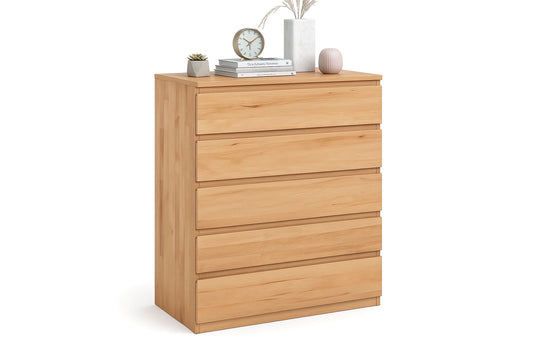
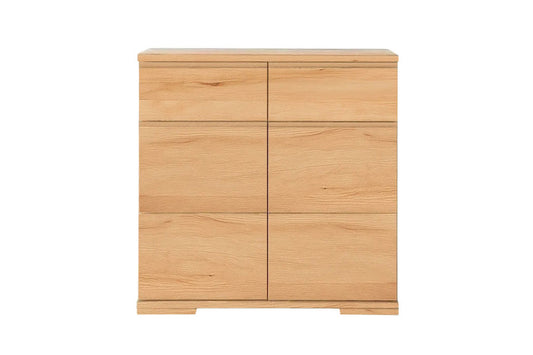
Natural Eco Bedroom Chest
Regular price From $579.99Regular price $799.99 Sale price From $579.99Sale -
 Sale
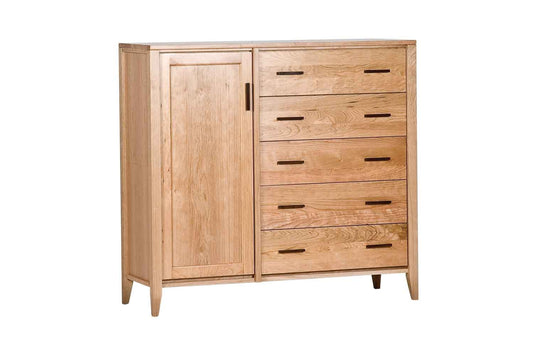
SaleAnchorage Chest
Regular price From $999.99Regular price $1,199.99 Sale price From $999.99Sale -

 Sale
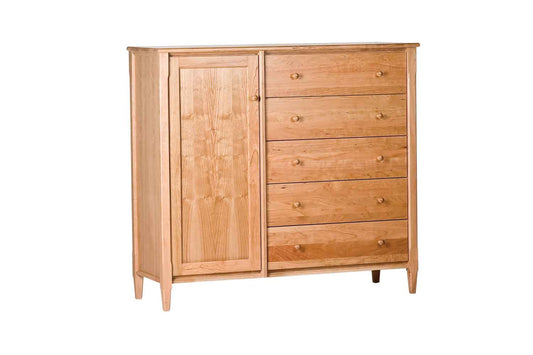
SaleLuna Chest
Regular price From $1,359.99Regular price $1,699.99 Sale price From $1,359.99Sale -

 Sale
SaleShaker Chest
Regular price From $1,329.99Regular price $1,669.99 Sale price From $1,329.99Sale -

 Sale
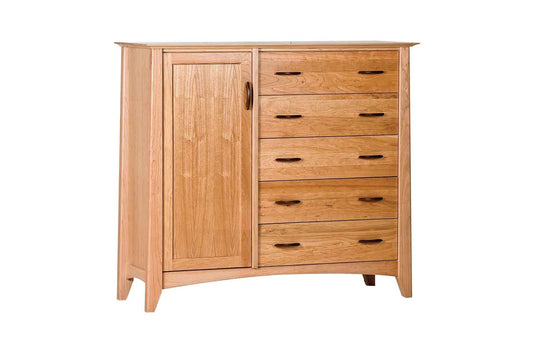
SaleWillow Chest
Regular price From $1,529.99Regular price $1,909.99 Sale price From $1,529.99Sale -
 Sale
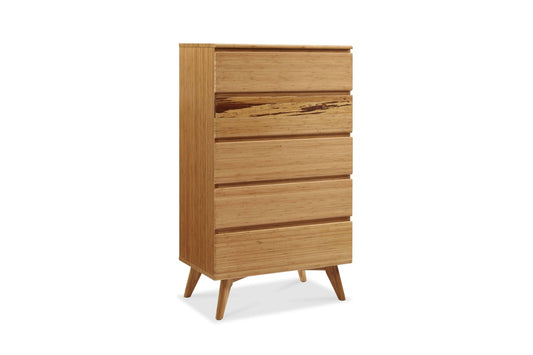
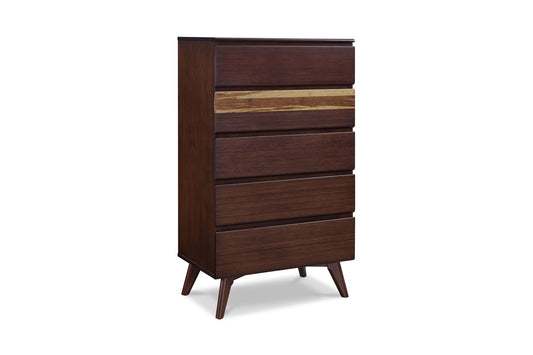
SaleAzara Chest
Regular price $2,759.00Regular price $3,309.00 Sale price $2,759.00Sale -

 Sale
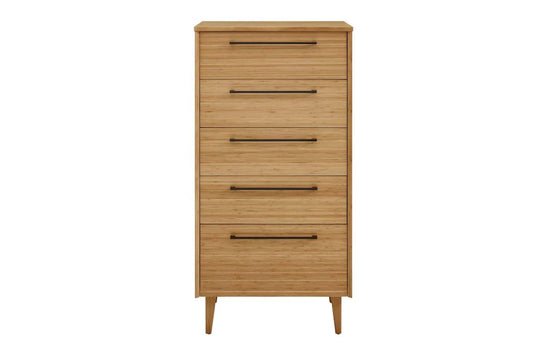
SaleSienna Chest
Regular price $2,509.00Regular price $3,009.00 Sale price $2,509.00Sale -

 Sale
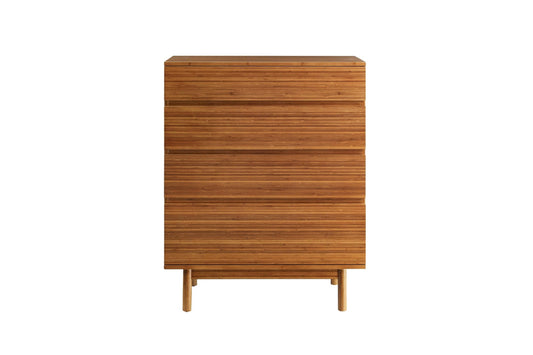
SaleVentura Chest
Regular price $2,119.00Regular price $2,549.00 Sale price $2,119.00Sale -

 Sale
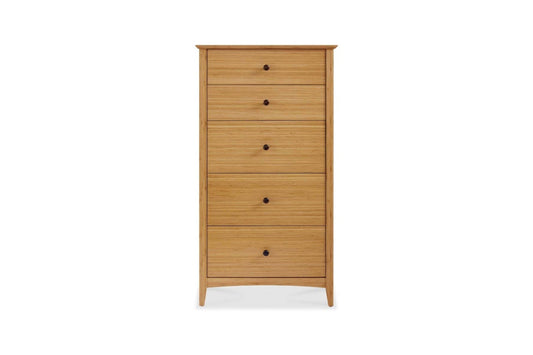
SaleWillow Chest
Regular price $1,959.00Regular price $2,349.00 Sale price $1,959.00Sale -
Contemporary Craftsman 3-Drawer Chest
Regular price From $3,013.00Regular price Sale price From $3,013.00 -
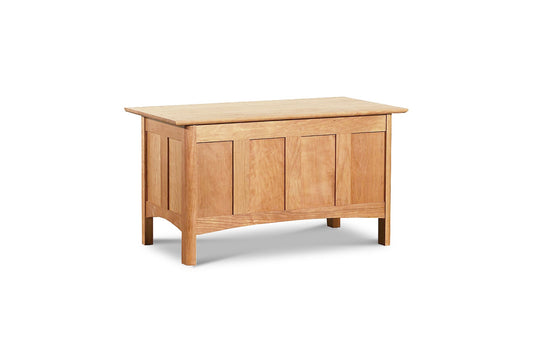
Heartwood Shaker Blanket Chest
Regular price From $2,089.00Regular price Sale price From $2,089.00 -
Modern American 7-Drawer Chest
Regular price From $4,512.00Regular price Sale price From $4,512.00