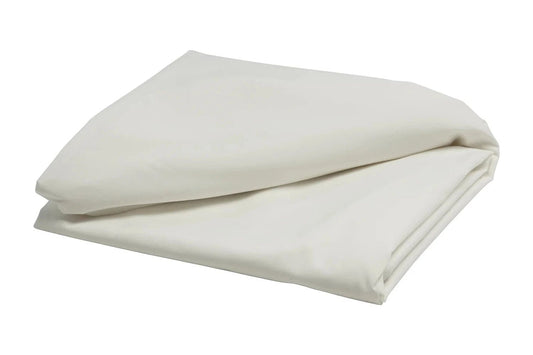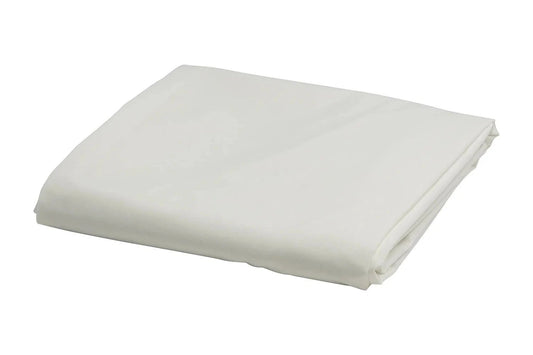

Organic Cotton Fitted Sheet: How to Choose the Right Weave, Certification, and Fit
You notice a fitted sheet most when it fails. It rides up at the corners. It traps heat. It feels slick for a week, then flat. Or it says "organic" on the product page without telling you much about the fabric, the finish, or how it was made.
For something that sits against your skin for hours every night, that lack of detail matters. A good organic cotton fitted sheet is simpler than the marketing around it: the material should be clean and certified, the weave should match how you sleep, the elastic should keep the sheet anchored, and the pocket depth should account for the actual height of your mattress — especially if you use a topper.

What Makes It Organic — and What That Doesn't Automatically Cover
An organic cotton fitted sheet is a mattress-covering sheet made from cotton grown and processed under certified organic standards. The material matters, but the word "organic" on a product page doesn't always mean the same thing across brands.
GOTS (Global Organic Textile Standard) is the certification most worth checking. It sets rules not just for the fiber, but for how the fabric is processed, dyed, and finished — which matters because the sheet touching your skin isn't just raw cotton. It's cotton that has been spun, woven, treated, and sewn. GOTS covers the supply chain, not just the farm.
OEKO-TEX Standard 100 answers a different question. Rather than verifying organic sourcing, it tests the finished textile for harmful substances — residual chemicals, heavy metals, dyes, and other inputs that may remain in the product. For a fabric in daily skin contact, OEKO-TEX is a practical layer of assurance about what remains in the sheet you bring home. The two certifications work together: GOTS speaks to the material system and production rules, OEKO-TEX speaks to the finished product's safety profile.
A few things to check when reading a product listing:
- Is the whole product GOTS-certified, or just the fiber? "Made with organic cotton" and "GOTS-certified" are different claims in practice
- Is there a finished-fabric safety standard — OEKO-TEX or similar — alongside the fiber certification?
- Does the product page explain construction details — weave, pocket depth, elastic design — or only show certification logos?
Labels help narrow the field. Construction decides how the sheet actually performs.
The Difference Between Percale and Sateen
Weave is the first detail to check because it affects airflow, surface feel, and how the sheet settles on the bed — and the choice between percale and sateen is the practical decision most buyers face when shopping organic cotton specifically.
Percale uses a plain one-over-one-under weave. The result is a crisp, matte fabric that sits lighter on the skin and allows more air to move through. It tends to feel cool and dry on first contact. That characteristic makes it the natural starting point for hot sleepers, warm rooms, and anyone who likes a crisper, more hotel-sheet feel. Percale can feel less immediately plush than sateen, but it typically softens with washing without losing its breathable character.
Sateen uses a weave with longer surface floats — more thread on top than underneath — which creates a smoother, more lustrous hand feel and better drape. It's softer and more fluid on first touch. The trade-off is that the denser surface traps more warmth once body heat builds, making it a better fit for cooler sleepers or rooms where extra comfort matters more than temperature management.
| Characteristic | Organic percale | Organic sateen |
|---|---|---|
| Feel | Crisp, dry, matte | Smooth, silky, slightly lustrous |
| Sleep temperature | Cooler — better airflow | Warmer — denser surface |
| Weight feel | Lighter on the body | More drape, slightly heavier |
| Best for | Hot sleepers, warm rooms, people who like a fresh crisp feel | Cool sleepers, those who prefer a softer surface and more drape |
| Long-term character | Stays crisp, softens gradually with use | Relaxes with washing, keeps smooth surface |
| Common downside | Can feel less immediately plush | Can feel too warm for hot sleepers |
Neither weave is more "organic" than the other — they're structural choices that change the surface feel and temperature behavior. For hot sleepers, percale is usually the safer starting point. For cooler rooms or sleepers who dislike a crisp surface, sateen often feels noticeably better.

Thread Count: What It Does and Doesn't Tell You
Thread count is useful only in context — after weave and yarn quality are accounted for. A very high number can indicate a denser cloth with tighter airflow and more heat retention. In percale specifically, a count in the 200–400 range with good single-ply yarns typically performs better in daily use than an inflated high count using multi-ply threads.
The more useful question is whether the fabric feels balanced — breathable enough to sleep in, substantial enough to wash and use for years. Signs of a well-built sheet that go beyond the count:
- Single-ply yarns, rather than multi-ply threads counted together to inflate the number
- Longer fiber length (long-staple cotton), which keeps the surface smoother over time and reduces pilling
- A weave that matches your sleep temperature, not just the number on the label
- A finish that feels clean and natural rather than heavily coated — which often means the sheet may feel less artificially slick on day one, but more consistently breathable after a few washes
A moderate thread count with good construction almost always outperforms a high count used as the main selling point.
Pocket Depth and Elastic: The Fit Details That Actually Decide Performance
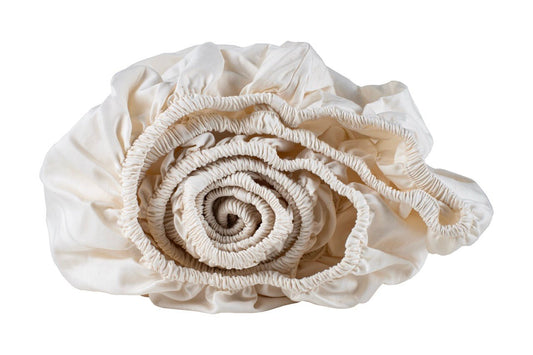
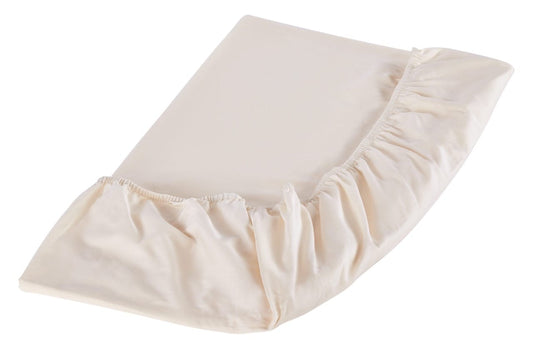
A fitted sheet has to grip a three-dimensional form, stay anchored at the corners, and resist creeping toward the center as a sleeper turns through the night. That requires two things to be right: pocket depth matched to the actual mattress height, and elastic with enough recovery to hold tension through repeated use.
Pocket depth. The most common buying mistake in fitted sheets is measuring the mattress spec rather than the full sleeping stack. If you use a mattress topper or a thick protector, those add height that a standard 12–14 inch pocket may not accommodate. The right measurement is from the bottom edge to the top sleeping surface with everything in place — then add a few inches of margin so the fabric tucks under without straining the elastic. A sheet that's too shallow pulls off the corners. A sheet that's too deep gathers excess fabric under the body and shifts.
Elastic construction. Full-perimeter elastic spreads tension around the entire mattress, keeping the sheet anchored through turning, getting in and out of bed, or raising an adjustable base. Corner-only elastic is simpler and lower cost, but it's more prone to loosening along the sides and pulling toward the center over time. This difference is easy to miss in a product description and obvious after a week of use.
On an adjustable bed base, full-perimeter elastic is especially important — the flex of the base puts more stress on the sheet than a flat platform does, and corner-only elastic tends to fail faster in that environment.
Breathability and Skin Contact: Why Certification Matters in Practice
A fitted sheet is in contact with skin for seven or eight hours at a stretch, in the warmest and most humid part of the bed. The material question isn't abstract in that context.
Certified organic cotton addresses two things that conventional cotton processing doesn't automatically control: the agricultural inputs that may leave residues in the fiber, and the chemical treatments added during spinning, weaving, and finishing. GOTS restricts what can be used at each stage of the production chain. For sensitive skin, reactive sleepers, or households trying to reduce chemical load in daily-contact textiles, that restriction matters more than the general "organic" label does.
Cotton's natural structure also supports breathability in a way that finishing-heavy conventional cotton sometimes works against. Organic cotton sheets — particularly those that haven't been coated with heavy softening treatments — often feel less slick right out of the package, but more consistently breathable and less clammy once body heat builds through the night. That's particularly relevant in warm climates, for hot sleepers, or in households where someone is already reacting to fragrance or rougher fabrics.
For a broader look at how organic cotton and wool bedding materials work across the full sleep system, this guide to organic cotton and wool bedding covers the material choices in more depth.
-
mySheet Set®
Regular price From $135.00Regular price Sale price From $135.00 -
100% Organic Cotton Sateen Sheet Set
Regular price From $199.00Regular price Sale price From $199.00 -
100% Organic Cotton Sateen Sheet Set (Patterns)
Regular price From $213.00Regular price Sale price From $213.00 -
100% Organic Cotton Percale Sheet Set
Regular price From $189.00Regular price Sale price From $189.00 -
100% Organic Cotton Sateen Duvet Cover Set
Regular price From $209.00Regular price Sale price From $209.00 -
100% Organic Cotton Percale Duvet Cover Set
Regular price From $199.00Regular price Sale price From $199.00 -
100% Organic Cotton Honeycomb Jacquard Blanket
Regular price From $169.00Regular price Sale price From $169.00 -
100% Organic Cotton Muslin Blanket
Regular price From $239.00Regular price Sale price From $239.00 -
100% Organic Cotton Sateen Fitted Sheet
Regular price From $65.00Regular price Sale price From $65.00 -
100% Organic Cotton Sateen Fitted Sheet (Patterns)
Regular price From $104.00Regular price Sale price From $104.00 -
myWoolly® Pillow Case
Regular price From $79.00Regular price Sale price From $79.00 -
Organic Cotton Waterproof Pillow Case Encasement Pair
Regular price From $99.00Regular price Sale price From $99.00