
Organic Cotton Blanket: How Fiber, Weave, and Certification Change the Choice
A blanket is often chosen the same way someone might pick a candle or throw pillow — color first, then hand feel. If it seems soft in the moment, that's usually enough.
That works for decor. It's not enough for bedding. A blanket sits against your skin for hours at a time, gets washed regularly, and lives in the same air you breathe every night. The material matters more than the first impression, and the weave matters more than most people realize.
An organic cotton blanket is one of the simplest upgrades you can make for a bedroom that feels calmer and easier to live with — not because "organic" makes anything automatically better, but because fiber standard and fabric structure change how a blanket handles heat, moisture, and repeated washing over time.

Why Organic Cotton Is a Different Starting Point
Conventional cotton is a natural fiber, but it's one of the most pesticide-intensive crops in global agriculture. According to the Environmental Justice Foundation, cotton accounts for approximately 2.4% of the world's cultivated land but is responsible for around 6% of global pesticide use and 16% of global insecticide use. That's a disproportionate chemical footprint for a single crop.
For everyday textiles, that matters in a specific way. The concern with conventional cotton isn't only what happened at the farm — it's what happens through the rest of the production chain. Fabric can be treated with dyes, finishes, and softening agents at various stages of processing. Some of these give the fabric a characteristic feel straight out of packaging that doesn't persist once the coating washes away. Others affect breathability or leave residues in a high-contact material.
GOTS (Global Organic Textile Standard) addresses both sides of this. It covers fiber origin — requiring organically grown cotton — and the full processing chain, including restrictions on prohibited chemicals in dyeing, finishing, and manufacturing. That scope is what distinguishes GOTS from softer claims like "made with organic cotton" or "natural fiber." A GOTS-certified blanket has passed through a supply chain where chemical inputs were restricted at every stage, not just at the farm.
OEKO-TEX Standard 100 answers a different but complementary question. It tests the finished textile for harmful substances — what's actually present in the product you're buying. For a blanket in daily skin contact, that's a practical second layer of assurance beyond the organic sourcing story.
In practical terms, an organic cotton blanket often makes the most difference for:
- Sensitive sleepers or households trying to reduce chemical load in daily-contact textiles
- Children's bedding, where frequent use and skin contact make material standards more relevant
- Anyone whose current blanket feels artificially slick early on, then noticeably different after washing — a common sign of surface finishing chemistry rather than underlying fiber quality
Understanding GSM and Why Structure Matters More Than Weight
For blankets, weave matters more than thread count. Comfort comes from openness, loft, texture, and how air moves through the fabric — none of which thread count captures.
GSM (grams per square meter) gives a useful starting measure of fabric density. But density alone doesn't tell you how a blanket will perform: a dense blanket in an open weave can sleep comfortably warm in winter, while a lighter blanket in a closed weave can trap more heat than expected. Structure decides how density performs.
General GSM guidance for cotton blankets:
- Under 300 GSM: Lightweight, best for warm months or as a top layer in a layered system. Muslin and gauze typically fall here.
- 300 to 450 GSM: The versatile all-season range. Waffle and honeycomb weaves commonly land here, with more structure and warmth than gauze while still breathing well.
- Over 500 GSM: Heavier builds designed for cooler temperatures. Less flexible for year-round use in most bedrooms.
The Main Weave Types and What They're Good For
Muslin and gauze use an open plain weave — almost sheer when held to light. The loose structure allows air to move freely through the fabric, which prevents the heat buildup that wakes warm sleepers in the small hours. Double and triple gauze variations layer two or three gauze sheets together, increasing softness and warmth while keeping the breathable character of the weave. Muslin softens with every wash and develops a more relaxed texture over time. It's the natural first choice for warm sleepers, summer use, and anyone who wants a blanket that folds down small and looks unfussy.
Waffle and honeycomb weaves create three-dimensional pockets in the fabric. Those pockets add visible texture and help the blanket trap air more efficiently than a flat cloth, giving it better warmth retention than muslin without becoming a sealed-off surface. This is one of the most versatile constructions for organic cotton blankets — it breathes reasonably well, holds its shape, and looks more structured than gauze. A waffle or honeycomb blanket often presents better when draped on a bed or bench than a very limp fabric does, which matters in minimal rooms where the blanket is frequently visible.
Jersey is a knit rather than a woven structure. It feels softer and more flexible, with the familiar give of a well-worn cotton T-shirt. That softness is its main appeal — it's the most immediately comfortable for many people and requires no adjustment period. The trade-offs are visual and thermal: jersey has less structural depth than waffle or muslin and can feel warmer because the knit structure is less open. It suits people for whom softness is the primary priority, especially for casual or lounging use.
| Weave type | Feel and texture | Breathability | Best for |
|---|---|---|---|
| Muslin / gauze | Soft, airy, lightly crinkled | High | Warm sleepers, summer use, relaxed minimal bedrooms |
| Waffle or honeycomb | Textured, springy, structured | High to moderate | Year-round layering, transitional weather, visible bed styling |
| Jersey | Smooth, flexible, T-shirt-like | Moderate | People who prioritize softness and casual comfort |
A few simple rules help narrow the choice. If you run hot, start with muslin or an open waffle — dense flat blankets consistently disappoint warm sleepers. If you want one blanket that works across most of the year, honeycomb or waffle is usually the easiest middle ground. If texture bothers you, jersey is typically the safer choice. If you want a blanket that also reads as intentional in the room, waffle and honeycomb present better than jersey when draped or folded at the foot of the bed.

How Cotton Weave Affects Temperature and Daily Use
Cotton's natural fiber structure manages moisture in a way that most synthetic alternatives don't replicate well. Cotton fibers are hydrophilic — they absorb and release moisture — which helps the sleep surface stay drier and less clammy through the night. Open cotton weaves enhance this by allowing heat and humidity to dissipate rather than build up near the body.
That matters most in the hours when body temperature peaks. Many people don't describe their blanket problem as a heat problem directly — they just say the blanket "feels heavy" or the bed feels "stuffy" at some point in the night. A breathable organic cotton weave often resolves this without requiring anything else to change.
For everyday durability, organic cotton also benefits from the absence of coating-dependent softness. A blanket that feels soft because of processing chemistry may lose that feel gradually as the coatings wash away. Organic cotton processed under GOTS tends to feel more consistent across many washes because the fiber quality and weave are doing the work, not finishing treatments.
For a broader look at how organic cotton and natural fiber bedding work across the full sleep system, this guide to organic cotton and wool bedding covers the material choices in more depth.
-
100% Cotton Terry Zippered Style Futon Mattress Protector (up to 8")
Regular price From $79.99Regular price $119.99 Sale price From $79.99Sale -
Natural 100% Cotton Fabric Futon Mattress Cover - Natural
Regular price From $94.99Regular price $164.99 Sale price From $94.99Sale -
Protective Covers for Shikibutons
Regular price From $99.99Regular price $159.99 Sale price From $99.99Sale -
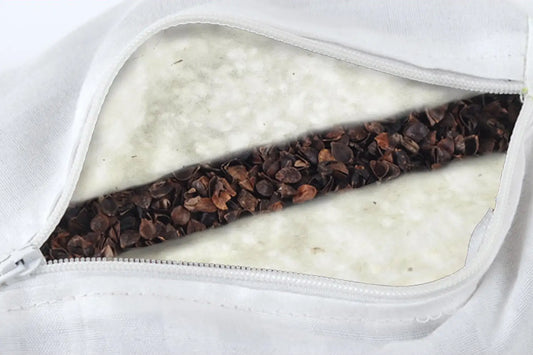
Organic Wool and Buckwheat Pillow
Regular price From $98.98Regular price $197.96 Sale price From $98.98Sale -
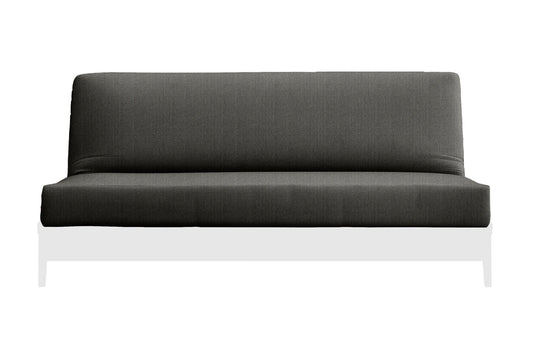
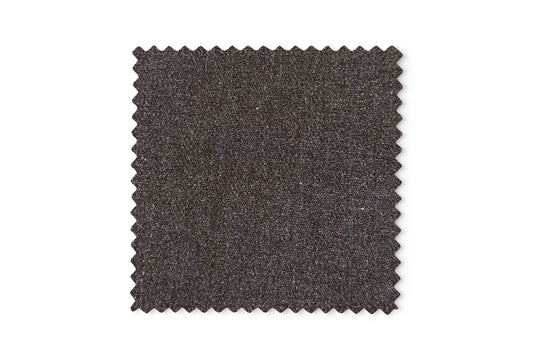
Natural 100% Cotton Fabric Futon Mattress Cover - Dark Graphite
Regular price From $94.99Regular price $164.99 Sale price From $94.99Sale -
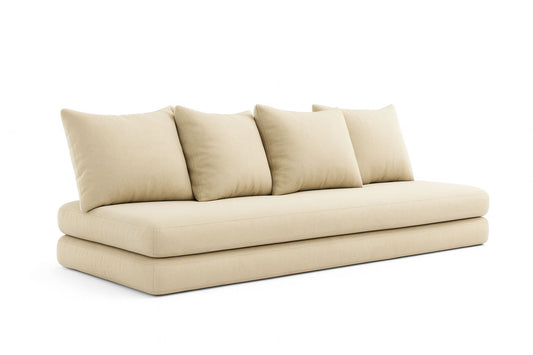
Protective Covers for Tatami Daybed Sofa Sleeper
Regular price From $199.99Regular price Sale price From $199.99 -
Essential 100% Cotton Twill Futon Mattress Cover
Regular price From $89.99Regular price $129.99 Sale price From $89.99Sale -
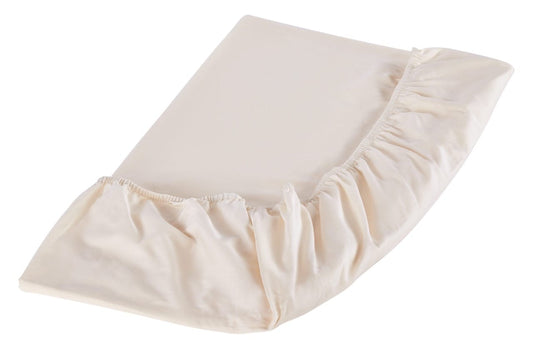
100% Organic Cotton Sateen Fitted Sheet
Regular price From $65.00Regular price Sale price From $65.00 -
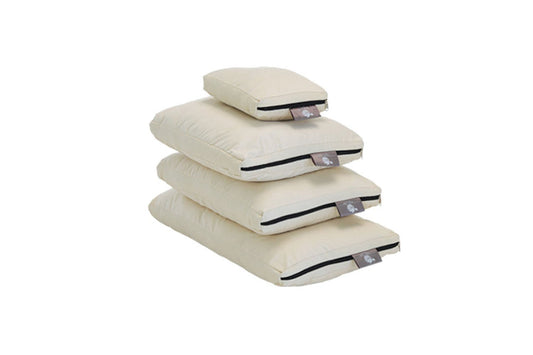
Organic Cotton Pillow
Regular price From $93.98Regular price $187.96 Sale price From $93.98Sale -
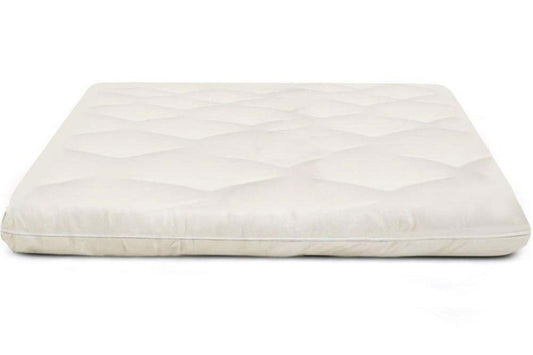
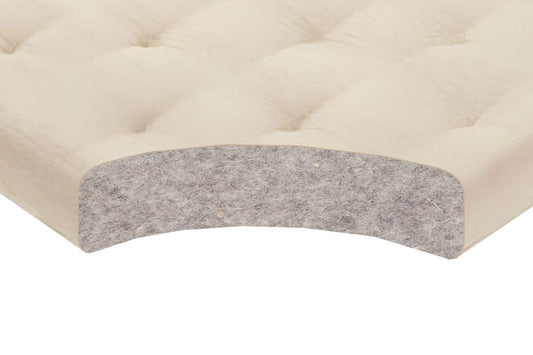
Natural Wool Mattress Topper (3 Inch)
Regular price From $329.99Regular price $659.99 Sale price From $329.99Sale -
Buckwheat Pillow
Regular price From $33.00Regular price Sale price From $33.00 -
Alpaca Wool Comforter (Duvet Insert)
Regular price From $319.00Regular price Sale price From $319.00