
Minimalist Bedroom Furniture: How to Spot Real Construction
Minimalist bedroom furniture is sold on a look that is easy to fake. Strip the trim off a particleboard dresser, wrap it in a flat matte laminate, photograph it against a white wall, and it reads minimalist in a listing. Six months later the edge banding lifts at a corner and the dark chipboard underneath tells you what you actually bought.
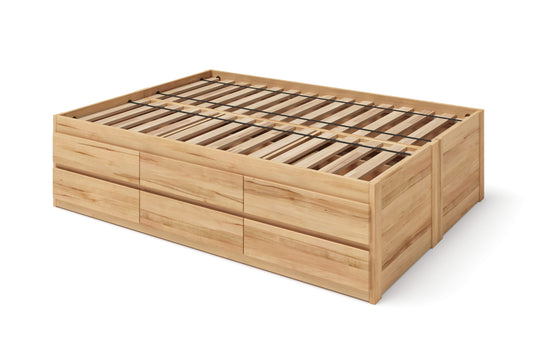
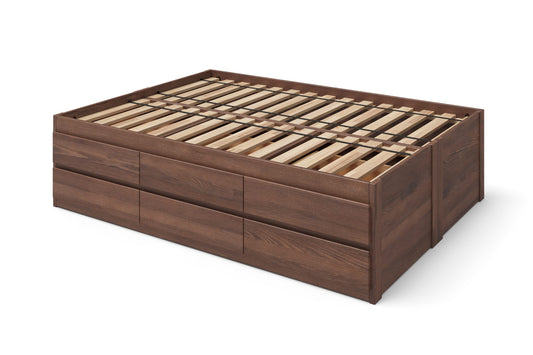
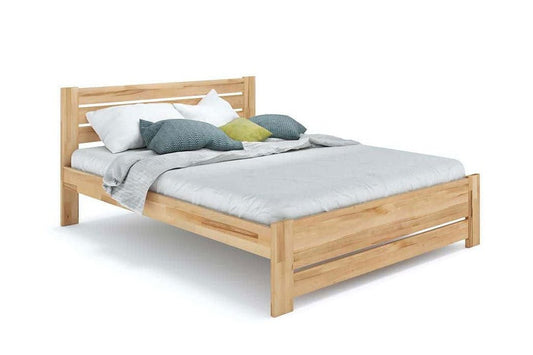
The distinction that matters is between furniture that is designed simple and furniture that is merely stripped simple. Real minimalist design gets its appearance from the construction — visible joinery, honest panels, a single material carried through the whole piece, and nothing applied on top to hide a transition. That is why the tradition has always been built in solid wood, and why a solid wood bed frame looks different from a flat-fronted one even when the silhouettes match. This guide covers what the difference looks like on a product page, so you can tell them apart before the corner lifts.

What makes furniture minimalist
Minimalism in furniture is not the absence of detail. It is the absence of applied detail — no carving, no moldings, no decorative hardware, no ornament added after the piece is built. What remains has to carry the design on its own: proportion, line, the grain of the material, and the way parts meet.
That constraint is unforgiving. On an ornate dresser, a badly cut joint disappears under a molding. On a minimalist one there is nowhere to put it. A flush drawer front sits within a consistent reveal all the way around or it does not, and the eye catches a sixteenth of an inch immediately. Minimalist furniture is harder to build well for exactly the reason it looks simple.
Three things read as minimalist across nearly every example: low visual weight, so the piece does not dominate the room; continuity of material, so one wood and one finish run through the whole thing; and legible structure, so you can see how it holds together. A piece that fails all three is not minimalist, whatever the listing says.
Solid, veneer, or laminate — and how to tell
This is the single most useful skill for buying in this category, because the three look nearly identical in a styled photograph and behave nothing alike over a decade.
Solid wood is lumber all the way through. Veneer is a thin slice of real wood bonded to a substrate — plywood, MDF, or particleboard. Laminate is a printed image of wood grain over a substrate; no wood on the surface at all. Veneer over plywood is legitimate construction with real advantages in stability across wide panels, and dismissing it outright is a mistake. Laminate over particleboard is a different proposition entirely.
| What to check | Solid wood | Veneer | Laminate |
|---|---|---|---|
| Grain across a joint | Continues around the corner and onto the end | Stops at the edge; edge banding covers it | Pattern repeats across separate panels |
| End grain on the top edge | Visible, with pores running through | Thin line of face wood over a different core | Printed or plain banding |
| Underside and back panel | Same wood, sometimes less finished | Plywood or MDF, often unfinished | Particleboard, visible chips |
| Weight | Heavy for its size | Moderate | Heavy but dense and dead-feeling |
| Sound when tapped | Resonant | Slightly hollow on wide panels | Flat thud |
| If it chips | Sand and refinish | Patchable if the veneer is thick | Permanent; core is exposed |
Grain repetition is the fastest tell. Real wood grain never repeats. If two drawer fronts on the same dresser carry the same knot in the same place, you are looking at a printed surface. Scroll the gallery images at full size and compare panels against each other.
The second tell is the spec line. Listings that say "solid wood construction" without naming a species are often describing a frame with panels of something else. A listing that says "solid beech" or "solid mahogany" is making a claim it can be held to. The USDA Forest Products Laboratory's Wood Handbook covers how the composites differ structurally, if you want the engineering behind it.
Three traditions behind the look
Most minimalist bedroom furniture on the market traces to one of three sources, and knowing which you are looking at tells you what to expect from the construction.
Shaker is American, nineteenth century, and built on the idea that utility and beauty are the same problem. Flat panels, tapered legs, simple wooden knobs, no ornament. Shaker bedroom furniture is the most forgiving of the three to live with because the proportions are generous and the joinery is conventional — dovetailed drawers, mortise-and-tenon frames.
Scandinavian came out of the mid-twentieth century with pale woods, rounded edges, and an emphasis on light. Scandinavian bedroom furniture tends to sit lower and lighter than Shaker, with more curve in the leg and edge details. It is also the tradition most widely imitated in laminate, so the checks above matter most here.
Japandi is the recent hybrid of Japanese and Scandinavian design — the low profile and joinery of the former, the palette and softness of the latter. Japandi bedroom furniture is the lowest of the three and the most likely to use visible joinery as the decorative element. If you want the look at its source rather than its interpretation, Japanese furniture is where the construction ideas came from.
-
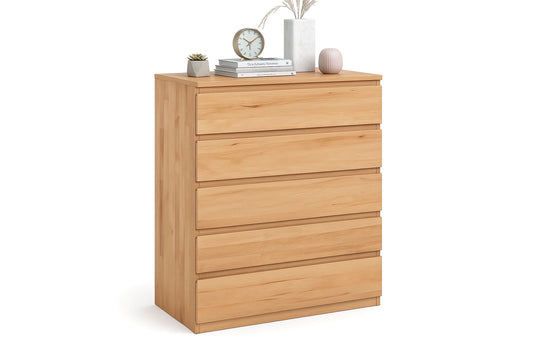
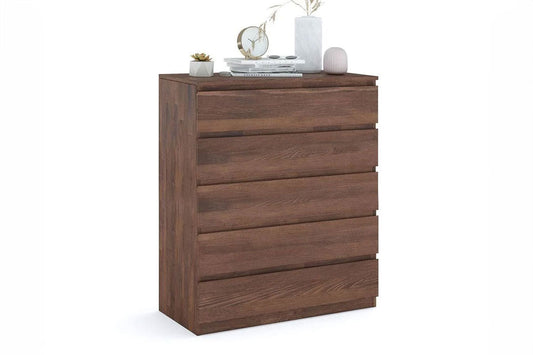
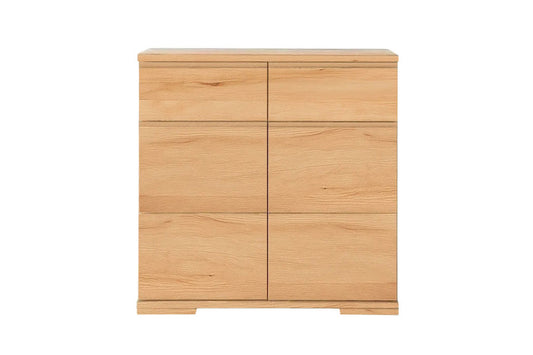
Natural Eco Bedroom Chest
Regular price From $579.99Regular price $799.99 Sale price From $579.99Sale -
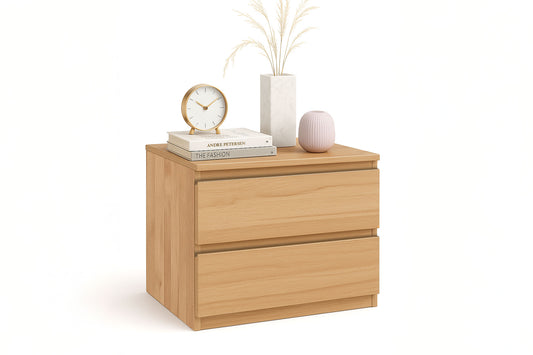
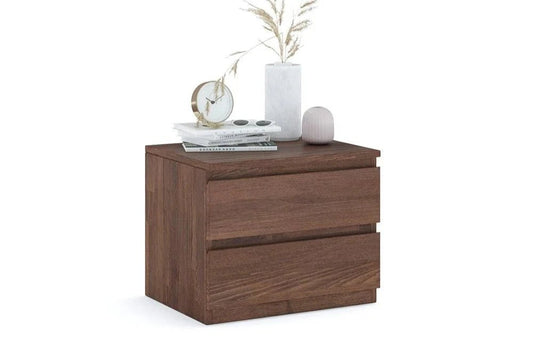
Natural Eco Nightstand
Regular price $279.99Regular price $369.99 Sale price $279.99Sale -
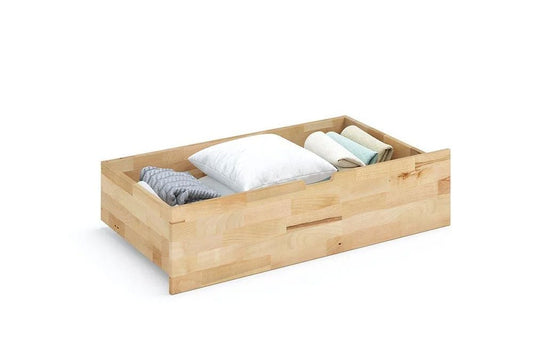
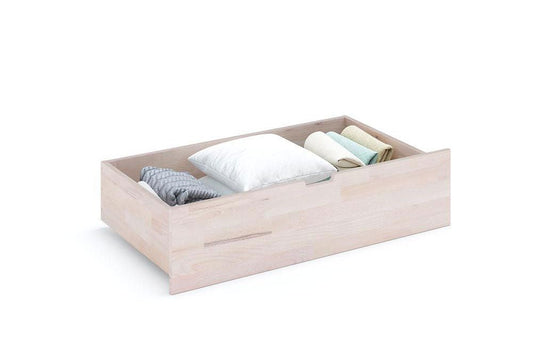
Storage Drawers for Platform Bed (Set of 2)
Regular price From $299.99Regular price Sale price From $299.99 -
 Sale
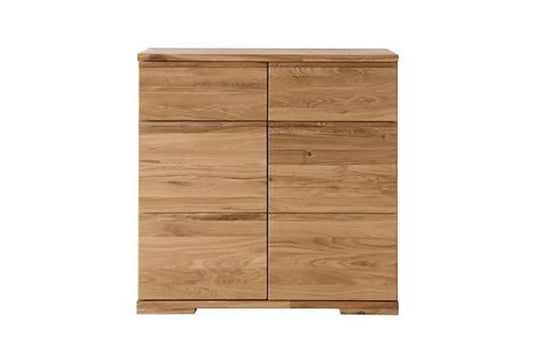
SaleAnchorage Chest
Regular price From $999.99Regular price $1,199.99 Sale price From $999.99Sale -
 Sale
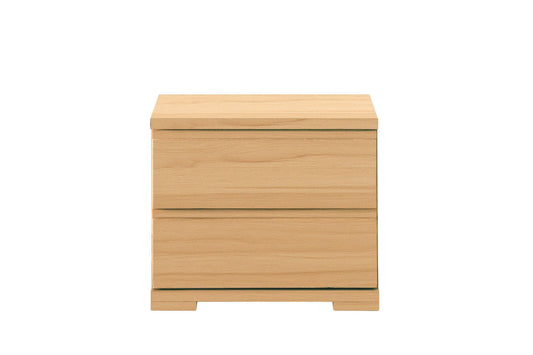
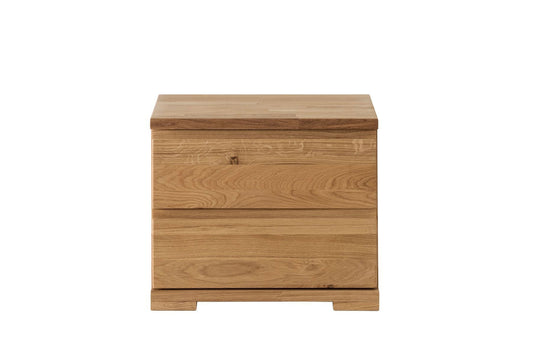
SaleAnchorage Nightstand
Regular price From $339.99Regular price $399.99 Sale price From $339.99Sale -
 Sale
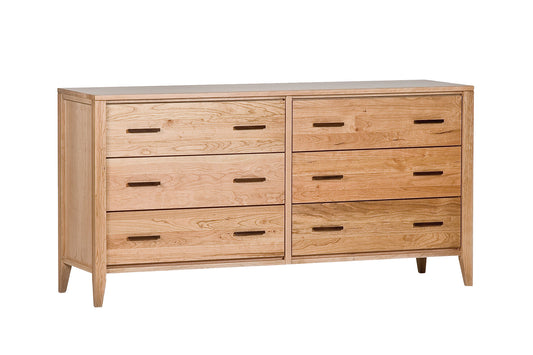
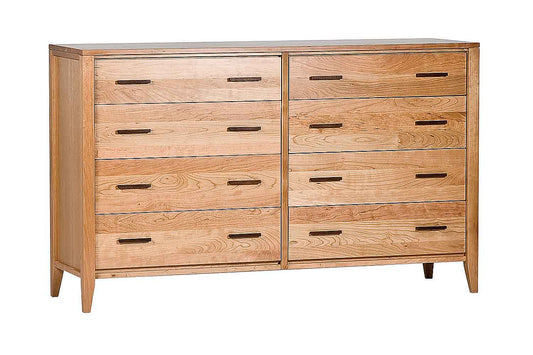
SaleLuna Dresser
Regular price From $1,999.99Regular price $2,499.99 Sale price From $1,999.99Sale -
 Sale
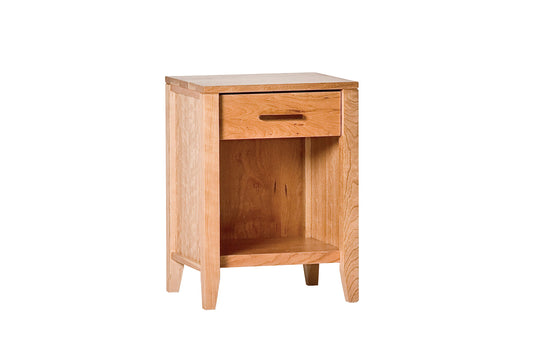
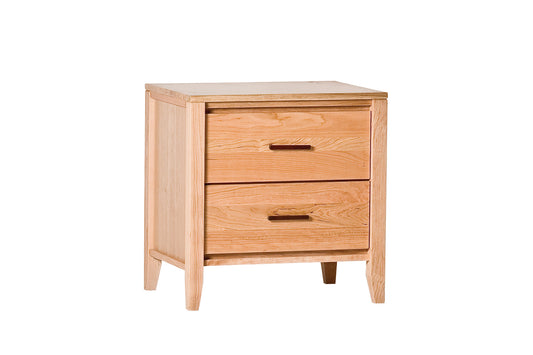
SaleLuna Nightstand
Regular price From $819.99Regular price $1,029.99 Sale price From $819.99Sale -
 Sale
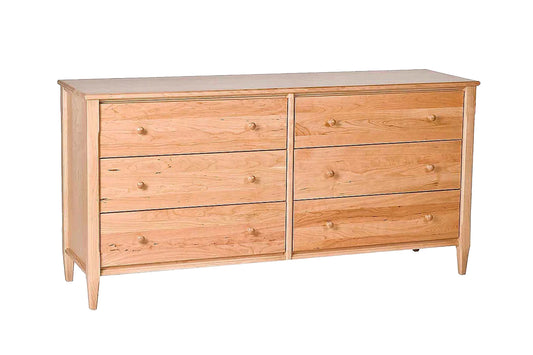
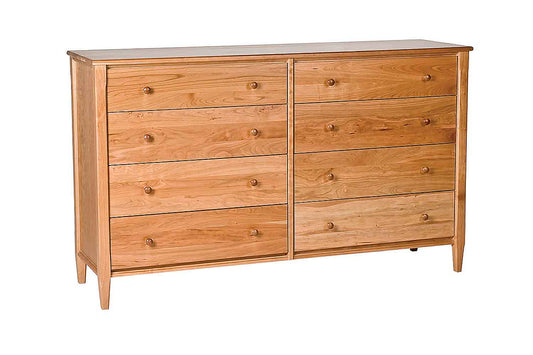
SaleShaker Dresser
Regular price From $1,879.99Regular price $2,359.99 Sale price From $1,879.99Sale -
 Sale
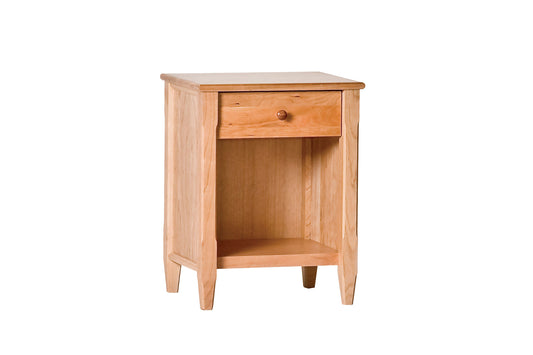
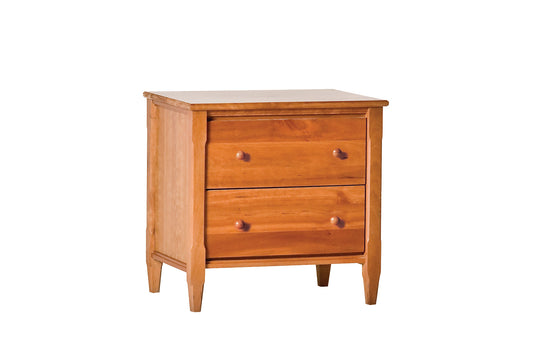
SaleShaker Nightstand
Regular price From $789.99Regular price $989.99 Sale price From $789.99Sale -
 Sale
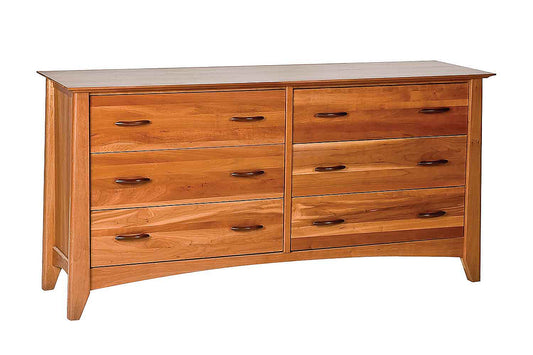
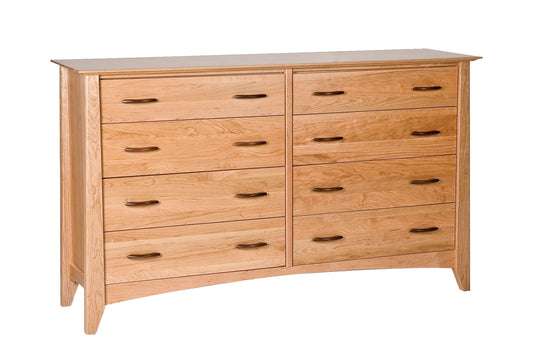
SaleWillow Dresser
Regular price From $2,199.99Regular price $2,749.99 Sale price From $2,199.99Sale -
 Sale
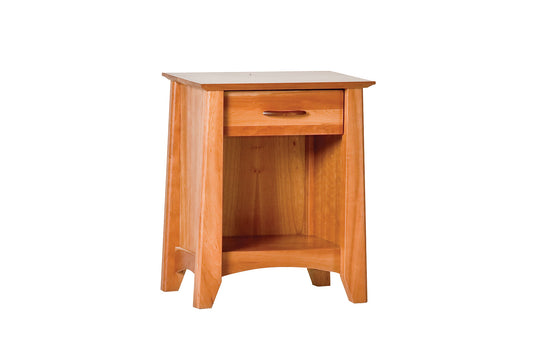
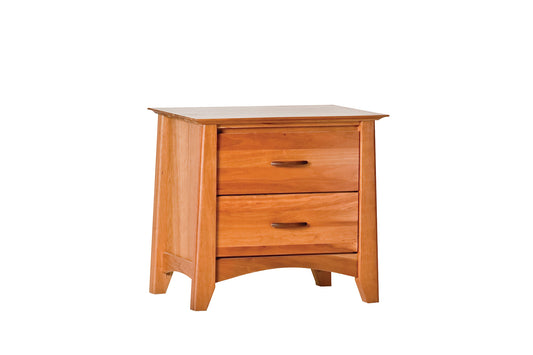
SaleWillow Nightstand
Regular price From $969.99Regular price $1,209.99 Sale price From $969.99Sale -
 Sale
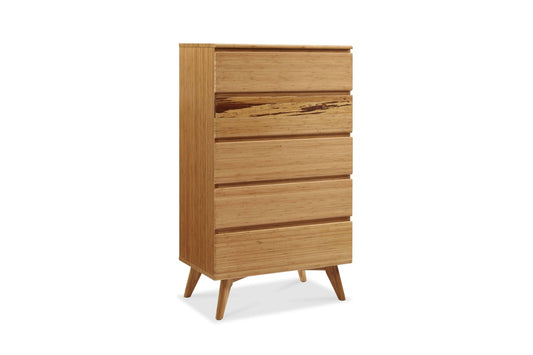
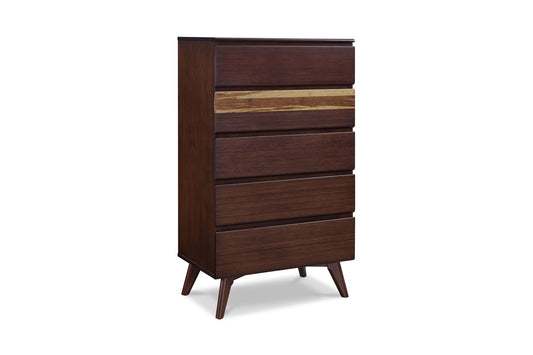
SaleAzara Chest
Regular price $2,759.00Regular price $3,309.00 Sale price $2,759.00Sale