
How to Cover a Futon Mattress: The Right Layers in the Right Order
A futon works harder than a regular bed. It folds, it takes seated weight, it hosts overnight guests, and in many homes it sits in the room where most of daily life happens. One layer of fabric is not enough to handle all of that — not if you want the futon to stay clean, comfortable, and looking good for more than a season or two.
The most practical approach is a simple stack: a protective layer that never leaves the mattress, a removable slipcover that defines the look and takes the daily contact, and lighter washable layers on top for everyday use. Each one does a different job. Together they make the futon easy to maintain without requiring you to wrestle the whole mattress through the laundry every time something spills.
This guide covers how to build that stack, which materials work best at each level, how to size everything correctly, and how to keep it all in good shape long-term.

Layer One: The Protective Base
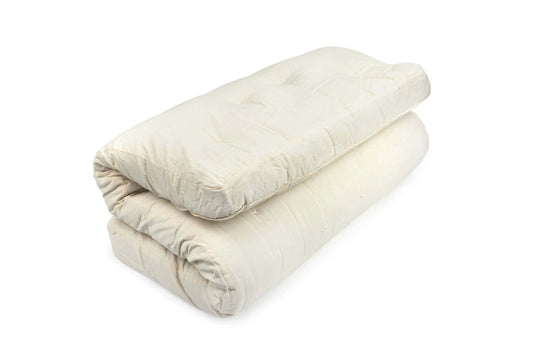
The first layer goes directly on the futon mattress and stays there. Its job is to intercept what a slipcover alone cannot stop: moisture, body oils, dust, and anything that soaks through fabric before you can catch it. A natural cotton futon mattress is comfortable and breathable, but it is also difficult to clean once something reaches the fill. A protector keeps the mattress itself in long-term condition.
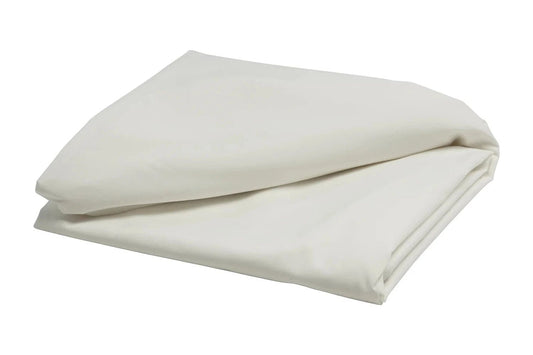
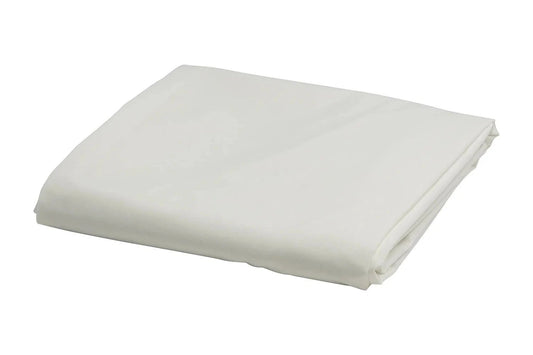
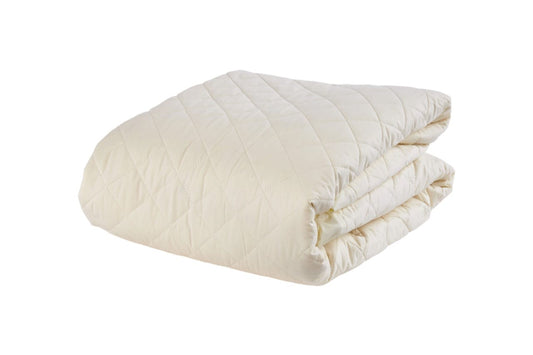
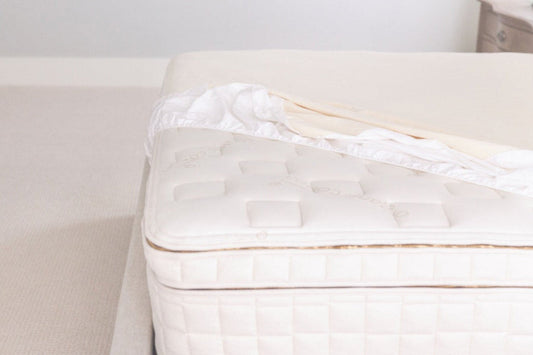
The most thorough option is a zippered encasement — a protector that fully encloses the futon on all sides with a continuous zipper closure. This blocks moisture, reduces dust accumulation inside the fill, and gives you the cleanest foundation for everything that goes on top. The Natural Cotton Futon Mattress Protector is built specifically for futon dimensions — cotton terry on the outside with a thin waterproof membrane inside, quiet and soft to the touch, and machine washable. It is the futon-specific answer to this layer: sized for futon depths rather than adapted from standard mattress profiles, which means it fits without bunching at the corners or straining at the zipper when the frame folds.
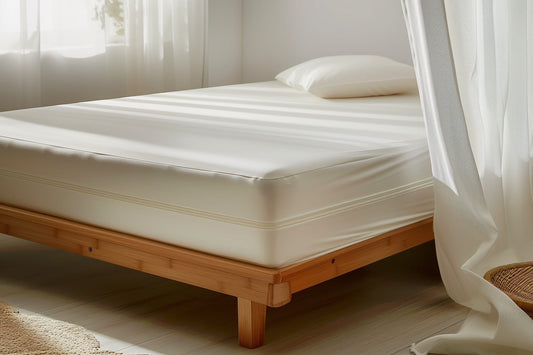
If organic certification matters to you throughout the bed stack, the Organic Cotton Zippered Mattress Encasement is the premium alternative — organic cotton construction with full encasement coverage and a waterproof barrier. It is designed for standard mattresses as well as futons and carries organic certification across the fabric and processing, which makes it the right choice for anyone building a fully certified natural sleep setup.
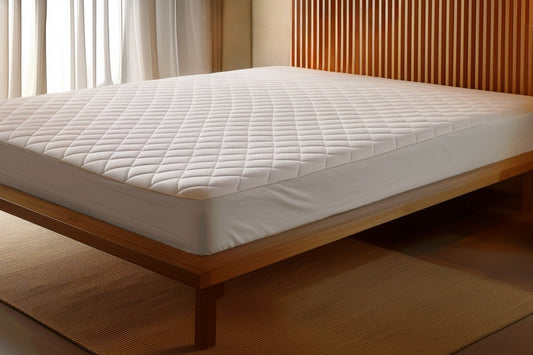
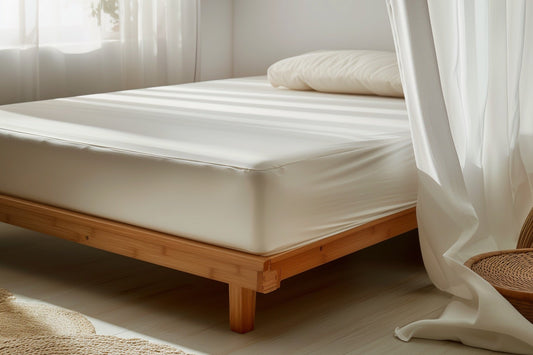
A fitted waterproof protector — essentially a deep-pocket fitted sheet with a waterproof backing — is a lighter alternative if the futon does not need full encasement. It covers the top and sides without zipping around the bottom, which makes it easier to put on and take off but leaves the underside unprotected. For most futons used primarily as sleeping surfaces, this is sufficient. For futons in high-risk environments — households with young children, pets, or allergy concerns — the encasement provides more complete coverage.
Either way, the protector is the layer you wash only when something reaches it. It is not part of the weekly laundry rotation. That distinction matters because waterproof membranes wear faster with frequent washing than with occasional, careful cleaning.
-
100% Cotton Terry Zippered Style Futon Mattress Protector (up to 8")
Regular price From $79.99Regular price $119.99 Sale price From $79.99Sale -
Organic Cotton Waterproof Zippered Mattress Protector (up to 16")
Regular price From $129.00Regular price Sale price From $129.00 -
myProtector® Washable Wool Fitted Mattress Protector (up to 18")
Regular price From $159.00Regular price Sale price From $159.00 -
Organic Cotton Waterproof Fitted Mattress Protector (up to 18")
Regular price From $119.00Regular price Sale price From $119.00 -
Waterproof Organic Protector Pad
Regular price From $129.00Regular price Sale price From $129.00

-
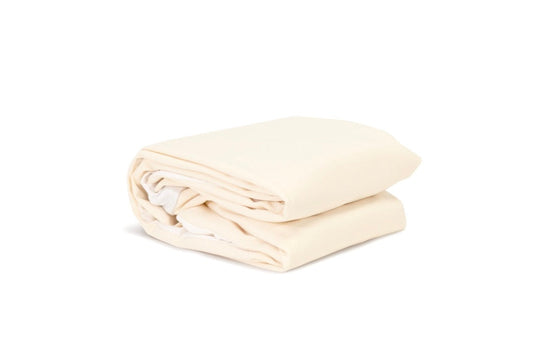
Essential 100% Cotton Twill Futon Mattress Cover
Regular price $79.99Regular price $129.99 Sale price $79.99Sale -
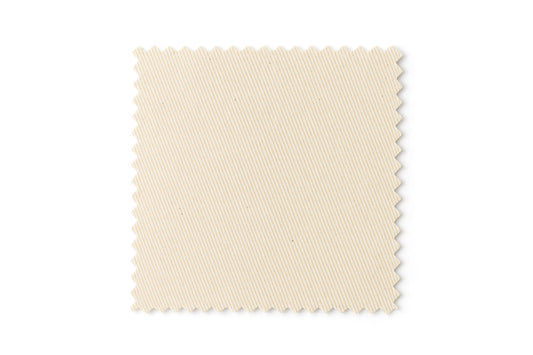
Natural 100% Cotton Fabric Futon Mattress Cover - Natural
Regular price From $94.99Regular price $164.99 Sale price From $94.99Sale -
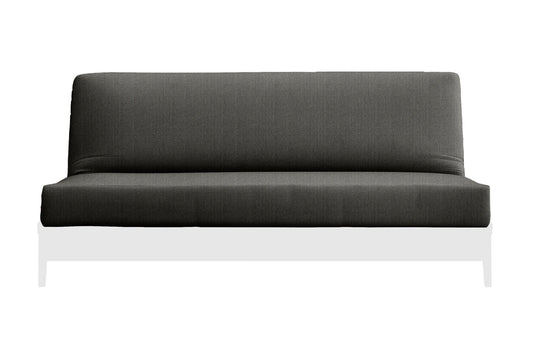
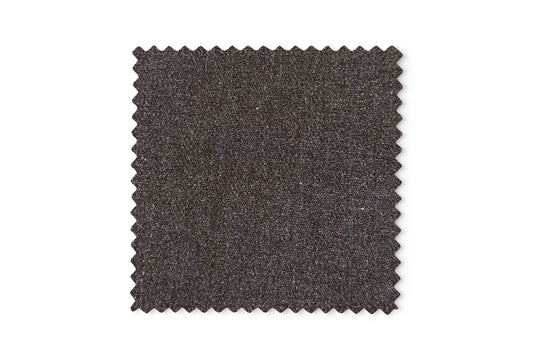
Natural 100% Cotton Fabric Futon Mattress Cover - Dark Graphite
Regular price From $94.99Regular price $164.99 Sale price From $94.99Sale -
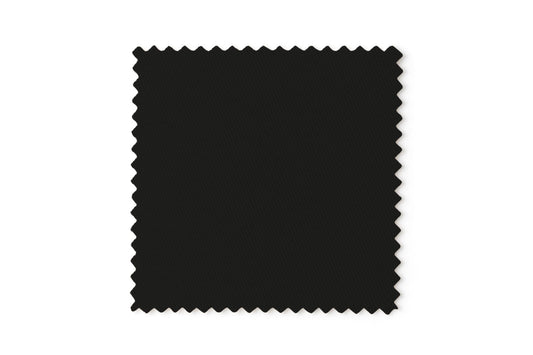
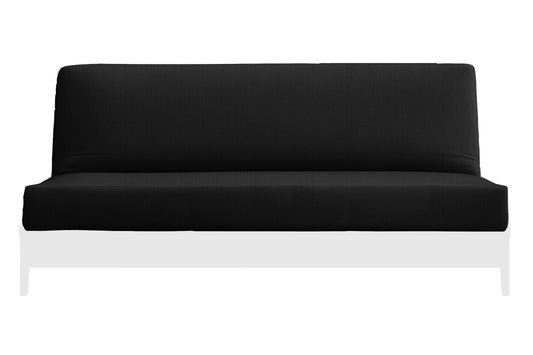
Natural 100% Cotton Fabric Futon Mattress Cover - Black
Regular price From $94.99Regular price $164.99 Sale price From $94.99Sale -
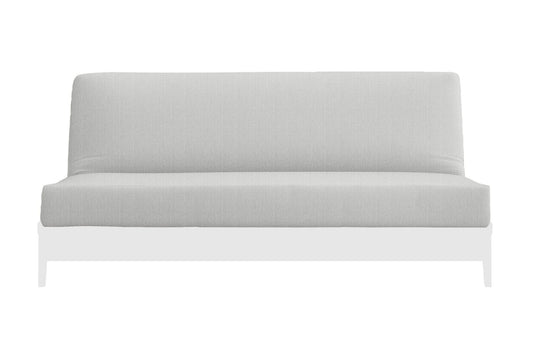
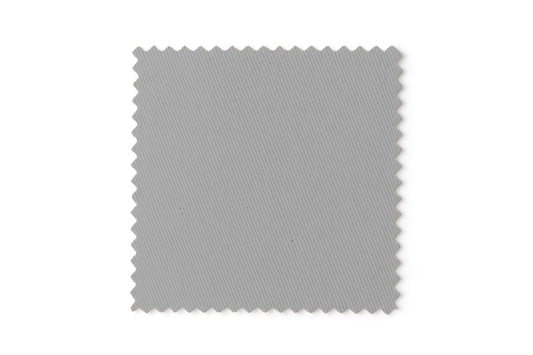
Natural 100% Cotton Fabric Futon Mattress Cover - Light Gray
Regular price From $94.99Regular price $164.99 Sale price From $94.99Sold out -
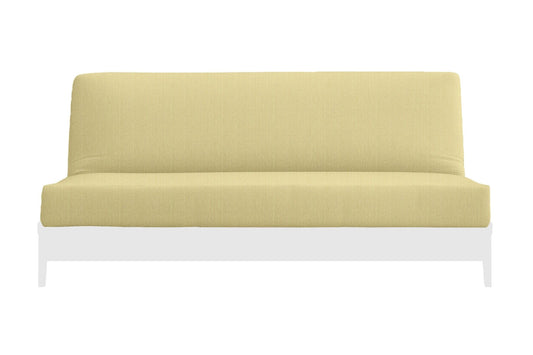
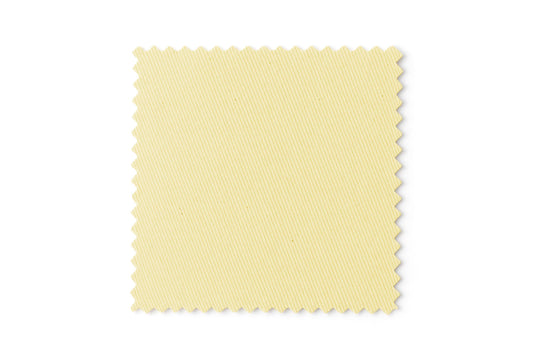
Natural 100% Cotton Fabric Futon Mattress Cover - Pale Yellow
Regular price From $94.99Regular price $164.99 Sale price From $94.99Sale -
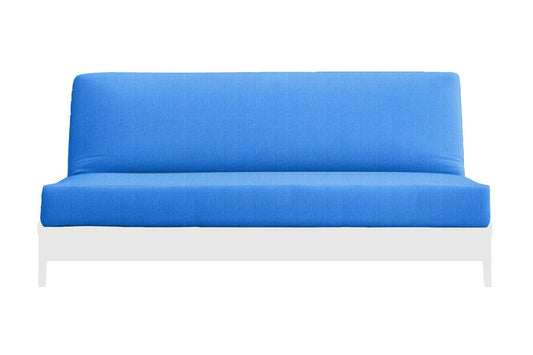
Natural 100% Cotton Fabric Futon Mattress Cover - Air Force Blue
Regular price From $94.99Regular price $164.99 Sale price From $94.99Sale -
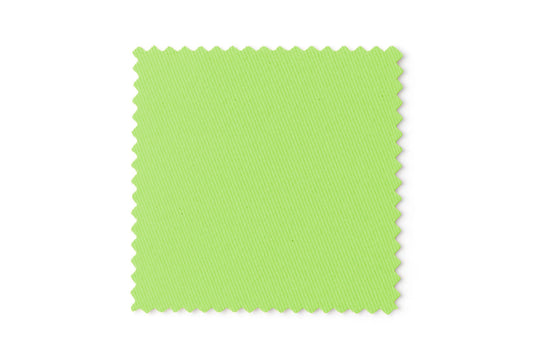
Natural 100% Cotton Fabric Futon Mattress Cover - Neon Lime Green
Regular price From $94.99Regular price $164.99 Sale price From $94.99Sale -
100% Organic Cotton Twill Futon Mattress Cover
Regular price From $248.00Regular price Sale price From $248.00 -
Japanese Printed Futon Cover - Storks Beige (Gray & Green)
Regular price From $179.99Regular price Sale price From $179.99 -
Japanese Printed Futon Cover - Storks Purple (Black & White)
Regular price From $179.99Regular price Sale price From $179.99 -
Japanese Printed Futon Cover - Geometric (Burgundy & White)
Regular price From $179.99Regular price Sale price From $179.99






Layer Three: Sheets, Throws, and Daily Protection
Once the protector and slipcover are in place, the daily-use layers go on top. These are the pieces you wash most frequently because they are doing the most contact work.
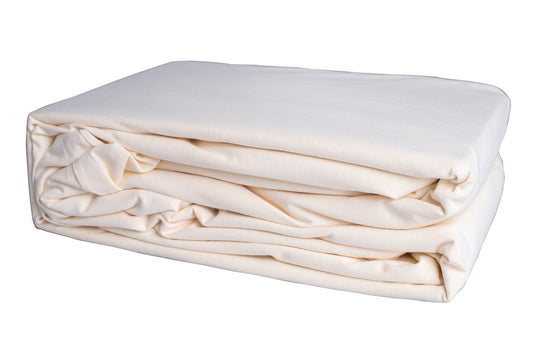
A fitted sheet makes the most sense when the futon is used regularly as a sleeping surface. It gives a familiar soft layer for sleeping, catches body oils and dust before they reach the slipcover, and can be changed and washed several times a week without disturbing anything underneath. An organic cotton fitted sheet works well here — the same certified fiber that makes sense for the rest of a natural sleep setup, and a format that fits a futon mattress used as a bed without any adaptation. Many people keep the slipcover in place full-time — sofa by day, bed by night — and use sheets to signal the shift. The sheets come off in the morning, the futon folds or stays flat, and the slipcover handles the daytime look on its own.
A washable throw is the practical equivalent for living-room and lounge setups. Draped across the futon, it catches the immediate surface contact — arms, legs, pets, snacks — and goes in the wash whenever it needs it. It also gives you a low-commitment way to change the color or texture of the futon without touching the slipcover. A linen or cotton throw in a complementary tone can shift the look of the futon seasonally without any of the effort of re-covering.
Neither of these is strictly necessary once the base layers are in place — they are convenience layers, not structural ones. But they make the daily maintenance rhythm much easier, because washing a fitted sheet or a throw takes five minutes, while washing and reinstalling a full slipcover takes considerably more.
Sizing: What to Measure Before You Order
A futon cover that does not fit correctly creates problems at every layer. A protector that pulls at the corners will shift during sleep. A slipcover that is too tight will strain at the zipper when the futon folds. One that is too loose will bunch and wear unevenly. Measuring before ordering is worth the two minutes it takes.
Measure the futon in its flat, bed position — not compressed under weight, and not folded. You need three dimensions:
- Length — from one end to the other along the long axis
- Width — across the broad sleeping surface
- Thickness — from the base to the top, measured at the fullest point (not compressed)
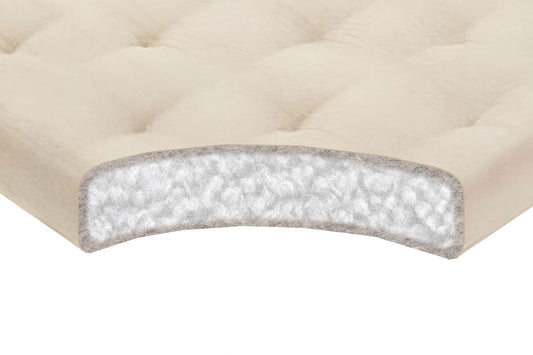
If your futon has rounded edges or significant tufting, measure the fullest practical depth so the cover is not overstretched at the corners. Most covers specify a thickness range they accommodate — typically around 6 to 8 inches for standard futons. If your mattress falls outside that range, check the product specifications carefully before ordering.
For futons on convertible frames, the slipcover needs enough ease to flex when the frame shifts between positions — but not so much that it bunches visibly at the fold line. A cover that fits the flat dimensions correctly will usually work on a bi-fold frame without adjustment. Tri-fold frames that bend in multiple places need slightly more generous sizing, particularly in the width, so the fabric does not pull at the outer fold.
One detail that sometimes causes confusion: the inch size listed on a cover — 4", 6", and so on — refers to the futon mattress thickness it's made to fit, not a measurement of the cover itself. A cover listed as 4" is cut with enough room to zip cleanly over a 4" mattress. The side panel or corner loft may measure slightly less than that number when the cover is empty and lying flat — that's intentional. On the mattress, it will fit correctly.

Care: One Routine for Each Layer
The layered approach makes care easier precisely because each piece has its own washing frequency. You are not pulling the whole mattress apart every time something needs cleaning.
The protective encasement or protector: Wash when something reaches it — a spill, a sweat event, a periodic refresh every few months. Follow the care label carefully, especially heat limits. High heat degrades waterproof membranes faster than anything else. Air-drying extends the life of the membrane significantly. Do not wash it weekly; frequent washing adds wear without adding much benefit when the outer layers are doing their job.
The slipcover: Every few weeks in normal use, or sooner if it gets visibly dirty. Most cotton twill and canvas covers wash well in cold or warm water on a gentle cycle. Check for shrinkage on the first wash — natural cotton can tighten slightly. If the cover comes out slightly smaller, stretching it back over the mattress while still slightly damp and allowing it to dry in place usually brings it back to fit.
Sheets and throws: Weekly, or as needed. These are the layers designed for frequent washing. For natural fiber throws — linen or cotton — cold water and air-drying keep them from shrinking and from losing the softness that develops with use.
Beyond washing, a quick vacuum of the slipcover surface every few weeks removes surface dust and lint before it works its way into the fabric. On futons that fold regularly, checking the fold points for wear is worth doing occasionally — this is where slipcovers develop stress first, and catching a strained seam early is easier than replacing the cover after it fails.
For a deeper guide on keeping a natural futon fresh over time — including the mattress itself, not just the cover layers — the natural futon cleaning guide covers the full maintenance routine.
The Simple Starting Point
If you are setting up a futon from scratch and are not sure where to begin, this combination handles the majority of everyday situations well:
- A Natural Cotton Futon Mattress Protector directly on the futon — quiet, breathable, waterproof at the base, sized specifically for futon depths
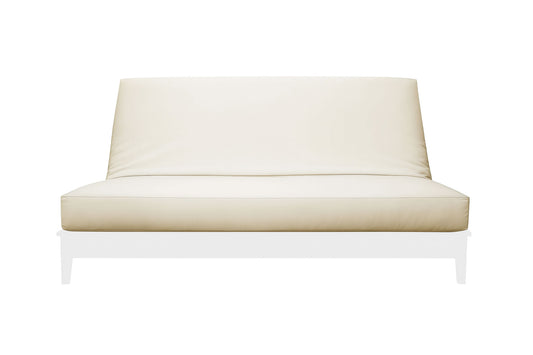
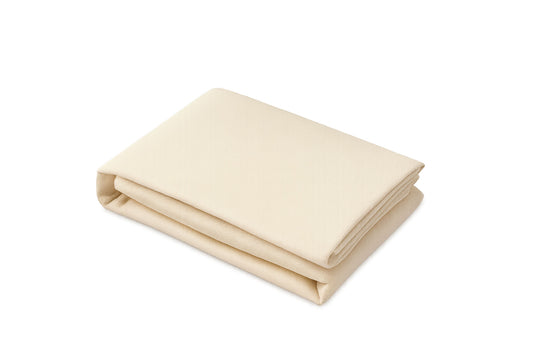
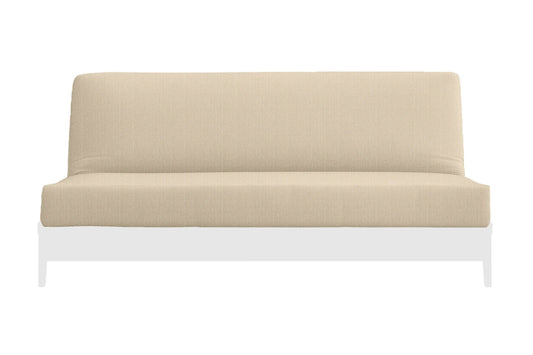
- A natural cotton twill slipcover from the futon cover collection for the visible layer — durable, washable, clean-looking
- An organic cotton fitted sheet when the futon is in bed mode, a washable throw when it is in sofa mode
That is three layers, each with a clear job, none of them redundant. The protector handles what you cannot see or easily clean. The slipcover handles what you can. The daily linens handle everything in between.
For covers and protectors sized specifically for futons — not repurposed from standard mattress dimensions — the futon cover collection brings together natural cotton options across multiple weights and colors, and the protector range includes encasements and fitted styles designed around futon depth rather than standard bed profiles.
Futon Layers FAQ
What are the best layers for covering a futon mattress?
The most practical approach is a three-layer stack: a protective base layer (like a waterproof zippered encasement) that stays on the mattress, a durable removable slipcover (like cotton twill or canvas) for daily contact, and washable sheets or throws on top for everyday use.
What is the best material for a futon slipcover?
For daily use, cotton twill and cotton canvas are the most reliable choices. They handle friction and abrasion well, wash cleanly, and soften over time without losing their structural integrity. It is best to avoid polyester microfiber, which traps heat and tends to pill.
How do you measure a futon mattress for a cover?
Measure the futon in its flat, bed position without compressing the mattress. You will need to take three dimensions: the length, the width across the broad sleeping surface, and the thickness measured at the fullest point.
How often should I wash my futon mattress covers?
Your top layers (sheets and throws) should be washed weekly. The middle slipcover should be washed every few weeks, or when visibly dirty. The bottom protective encasement should only be washed when something reaches it, as frequent washing and high heat will degrade its waterproof membrane.