
Washable Futon Covers: How to Keep a Natural Futon Clean Without Harsh Chemicals
Natural futons are amazing at creating a cozy, breathable sleep space, but they do ask for a little more care than a plastic-wrapped foam mattress. The good news is that you do not need harsh cleaners or constant dry-cleaning to keep a futon fresh. With the right combination of washable covers, gentle routines, and a bit of airflow, a natural futon can stay clean, comfortable, and odor-free for years.
Why natural futons need a different cleaning approach
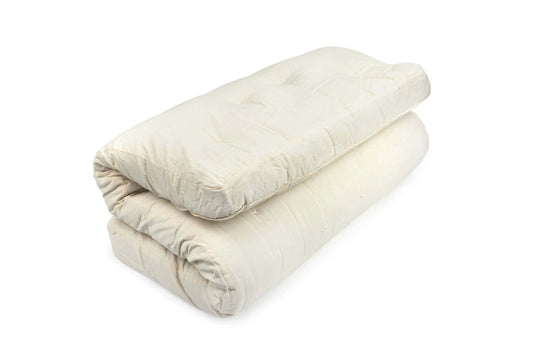
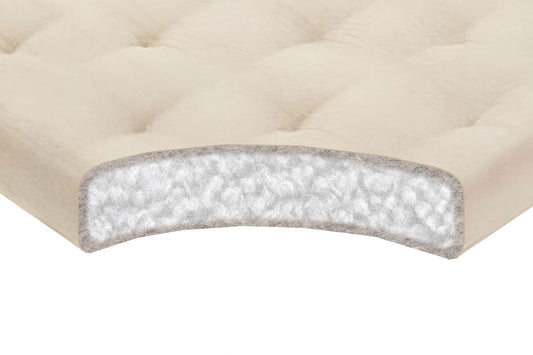
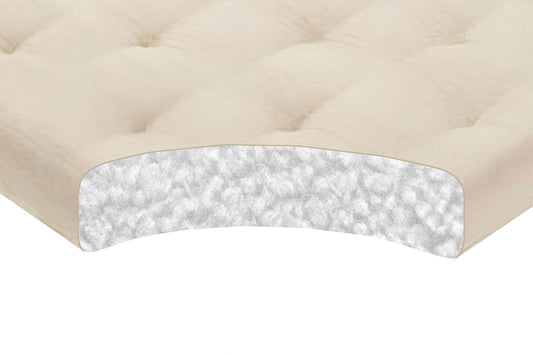
Most traditional futons and shikibuton mattresses are filled with cotton, wool, or a blend of natural fibers. These materials breathe beautifully and wick moisture, but they do not like being soaked or scrubbed the way synthetic foam sometimes can be. Saturating the inner core can cause clumping, slow drying, and even mold if moisture gets trapped deep inside.
That is why the smartest strategy is to treat the mattress core as something you protect rather than wash. You build a washable “shell” around it, then use regular airing and light touch-ups for the mattress itself. Think in layers: sheets, a protector, and a removable cover all working together so the futon core almost never sees spills or stains in the first place.

What parts of your futon setup are actually washable?
When you think about “washing a futon,” what you are usually talking about is washing the layers around it. A typical natural setup might look like this:
- A fitted or zippered cover that slips over the futon mattress.
- A breathable mattress protector that shields against spills and sweat.
- Sheets and blankets that you launder regularly.
- The futon core itself, which should only be spot-cleaned and aired.
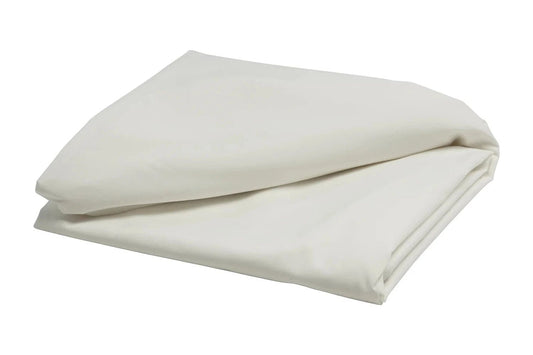
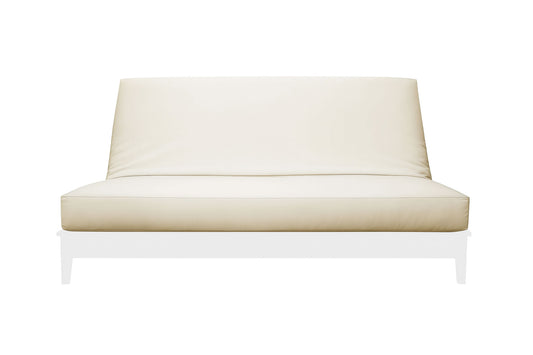
If you want cleaning to be easy, start with outer layers that are designed for the washer. A zippered cotton cover makes a big difference: it takes the brunt of everyday use and can go straight into the machine when needed. You can find options that fit this role in collections such as washable futon covers made for everyday use, where the fabrics and closures are designed with removal and laundering in mind.
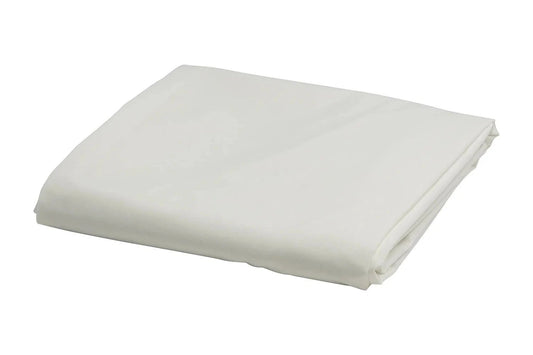
Underneath that, a protector adds a second line of defense, especially for households with kids, pets, or lots of spills. Look for options that balance protection with breathability, like the ones in natural mattress protectors that still let air move. This layer takes care of liquids so they never reach your cotton or wool core.
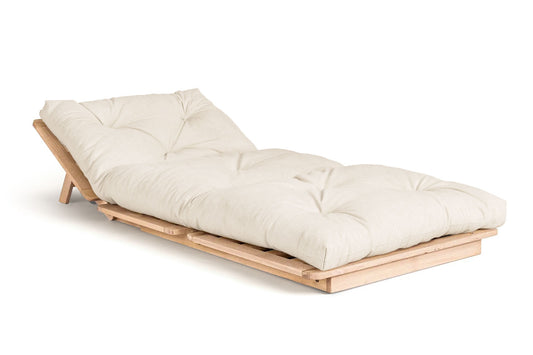
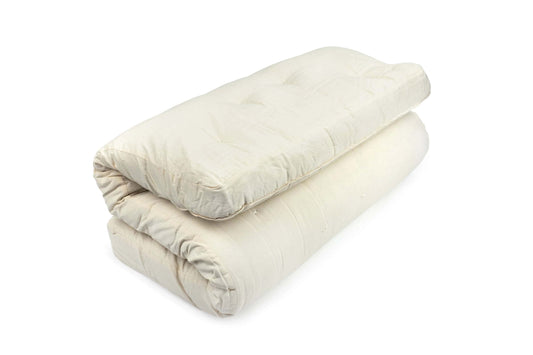
The futon or shikibuton itself is the one piece you do not want to soak. Instead, focus on keeping it dry, protected, and regularly aired out. Collections like shikibuton and futon mattresses made from natural fibers are built to breathe; your job is to keep that airflow going and shield them from the worst messes.
-
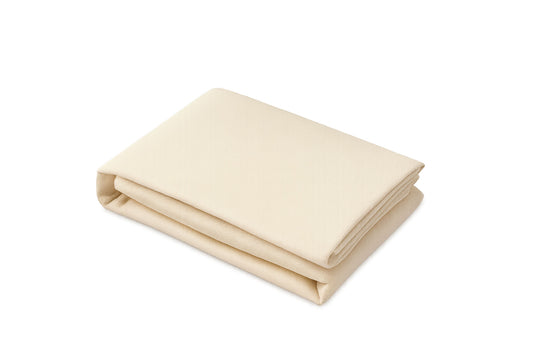
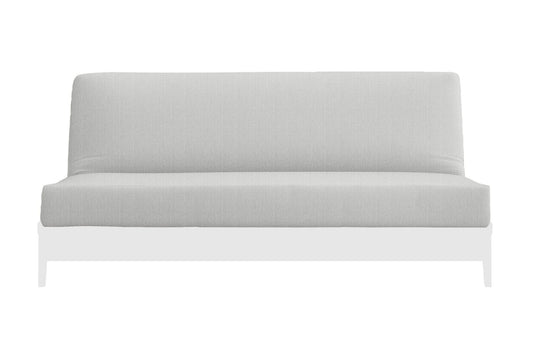
Essential 100% Cotton Twill Futon Mattress Cover
Regular price From $89.99Regular price $129.99 Sale price From $89.99Sale -
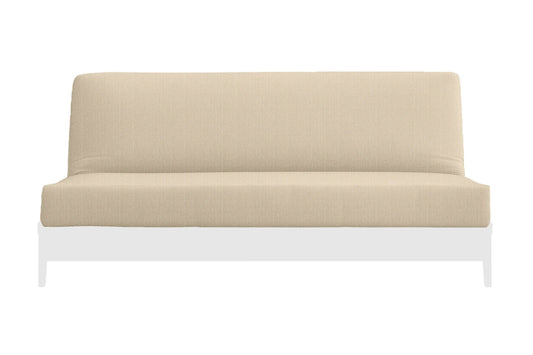
Natural 100% Cotton Fabric Futon Mattress Cover - Natural
Regular price From $94.99Regular price $164.99 Sale price From $94.99Sale -
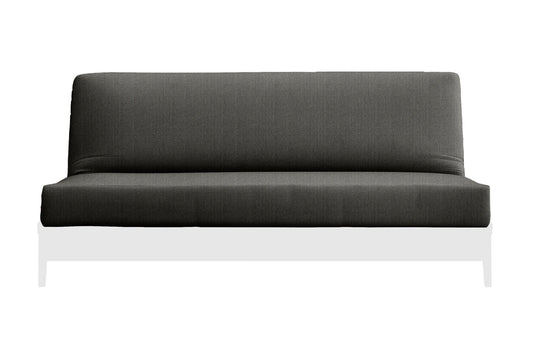
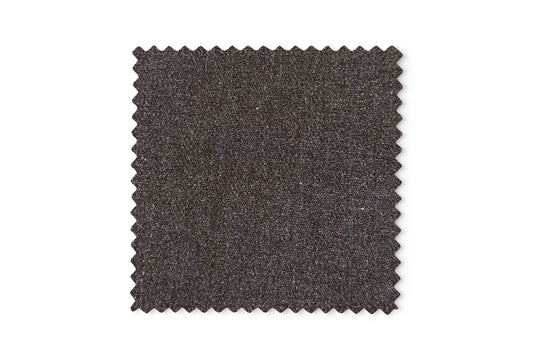
Natural 100% Cotton Fabric Futon Mattress Cover - Dark Graphite
Regular price From $94.99Regular price $164.99 Sale price From $94.99Sale -
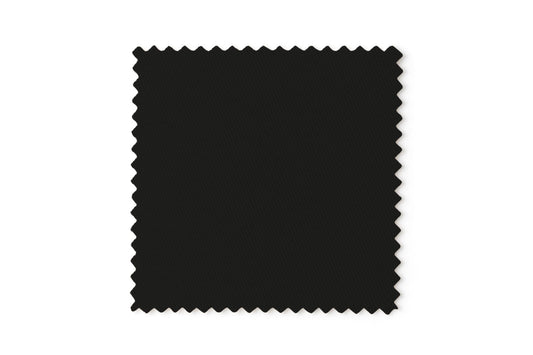
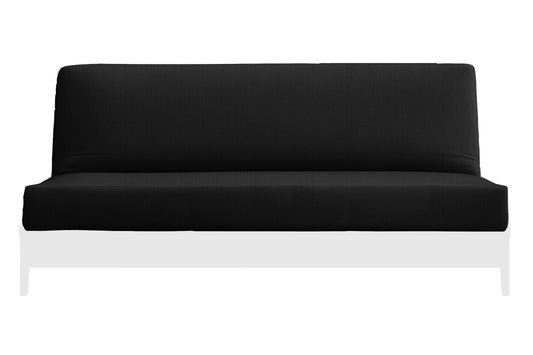
Natural 100% Cotton Fabric Futon Mattress Cover - Black
Regular price From $94.99Regular price $164.99 Sale price From $94.99Sale -
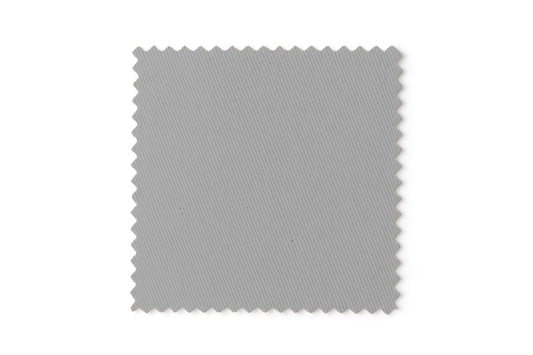
Natural 100% Cotton Fabric Futon Mattress Cover - Light Gray
Regular price From $94.99Regular price $164.99 Sale price From $94.99Sold out -
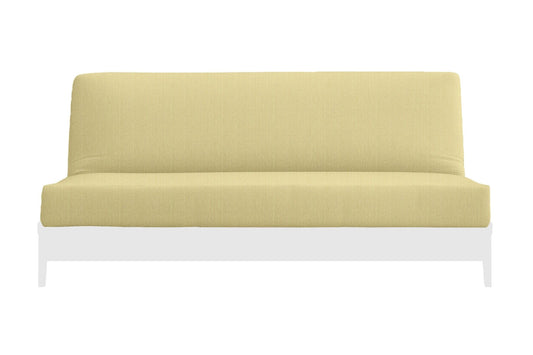
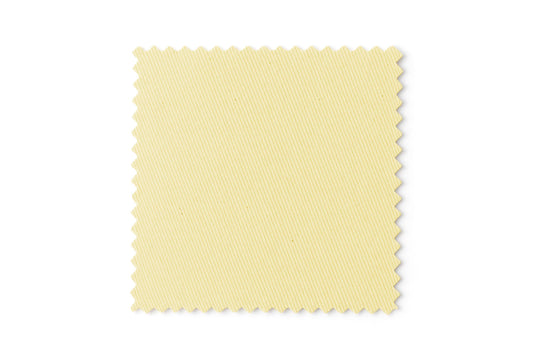
Natural 100% Cotton Fabric Futon Mattress Cover - Pale Yellow
Regular price From $94.99Regular price $164.99 Sale price From $94.99Sale -
Natural 100% Cotton Fabric Futon Mattress Cover - Air Force Blue
Regular price From $94.99Regular price $164.99 Sale price From $94.99Sale -
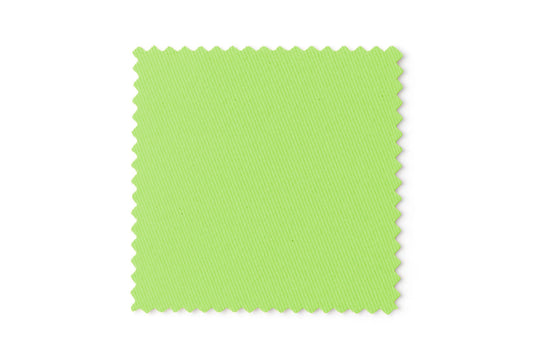
Natural 100% Cotton Fabric Futon Mattress Cover - Neon Lime Green
Regular price From $94.99Regular price $164.99 Sale price From $94.99Sale -
100% Organic Cotton Twill Futon Mattress Cover
Regular price From $248.00Regular price Sale price From $248.00 -
Japanese Printed Futon Cover - Storks Beige (Gray & Green)
Regular price From $179.99Regular price Sale price From $179.99 -
Japanese Printed Futon Cover - Storks Purple (Black & White)
Regular price From $179.99Regular price Sale price From $179.99 -
Japanese Printed Futon Cover - Geometric (Burgundy & White)
Regular price From $179.99Regular price Sale price From $179.99







Daily and weekly habits that keep a futon cleaner
A lot of “clean futon” magic comes from simple, repeatable habits rather than intense cleaning sessions. These small routines add up and dramatically reduce how often you need to deal with stains or deep odors.
- Make a habit of airing the surface. When you get up, fold back the blankets and let the futon breathe for a bit instead of immediately covering it with a duvet or throw.
- Rotate or flip the mattress regularly. Turning your futon head-to-foot or flipping it over helps it wear evenly and avoid compressed spots that collect moisture.
- Vacuum the surface now and then. A vacuum with a clean upholstery attachment picks up dust, hair, and allergens before they become embedded.
- Keep the floor and surrounding area clean. If your futon lives close to the ground or directly on a tatami or rug, regular sweeping and vacuuming around it keeps dust from migrating into the fibers.
These habits are simple, but they are especially powerful for natural futons that rely on airflow. Having breathable surroundings, including the right bedding from collections like organic bedding sets that complement your futon, makes it easier to keep the whole sleep system feeling fresh.

How to deal with spills and accidents
Even with good routines, spills and accidents can happen. When they do, your goal is to act quickly, keep moisture as close to the surface as possible, and help everything dry thoroughly.
- Start by stripping the bed. Remove sheets, the removable cover, and any protector so you can see how far the spill has gone.
- Blot, do not rub. Use clean, absorbent towels to press into the wet area and lift moisture straight up. Rubbing can push liquid deeper into the fibers.
- Spot-clean the outer fabrics first. If your slipcover or protector is washable, rinse the affected area with cool water, then launder according to the care tag.
- For the futon core, use minimal moisture. A small amount of mild soap and water on a cloth is usually enough for surface spots. Work from the outside of the stain toward the center and keep the area as dry as you can.
- Dry thoroughly. After spot-cleaning, prop the futon in a well-ventilated spot. If weather allows, sunlight can help with both drying and deodorizing.
For pet accidents or anything with a strong odor, a light sprinkle of baking soda on the dry surface can help absorb smells. Let it sit for a few hours, then vacuum it up. Just be sure the fabric is completely dry before you add baking soda, so it does not clump.
Creating a gentle wash routine for futon covers and protectors
Your removable layers carry most of the cleaning load, so a thoughtful wash routine matters. In many cases:
- Covers that are in direct contact with skin can be washed on a gentle cycle every one to four weeks, depending on use and sweat.
- Protectors can be washed less often, unless there has been a spill or accident.
- Sheets and pillowcases should follow your usual weekly laundry rhythm, just as they would with a regular mattress.
Always check the care labels on the specific products you choose. Many natural covers and protectors are happiest with cool or warm water, mild detergents, and avoiding high-heat drying. If you want more guidance on fabric choices and how different slipcover materials hold up to repeated washing, the article a guide to choosing a futon slipcover that fits your lifestyle goes into detail about fabric types, zipper placements, and practical maintenance tips.
Airflow, foundations, and why they matter for cleanliness
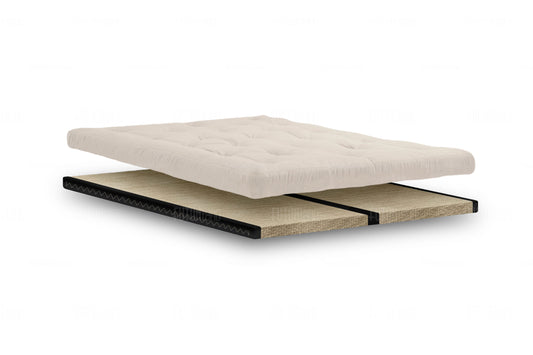
Keeping a futon clean is not just about the surface. The foundation under your mattress plays a big role in how quickly moisture and odors dissipate. A futon set directly on a non-breathable floor is more likely to trap humidity than one resting on a slatted frame, a tatami platform, or a breathable rug designed for mattresses.
If your futon lives on tatami, you are already using a foundation designed for airflow. Just make sure to clean and maintain the tatami itself; the piece this tatami care routine for airflow and mold prevention explains how simple sweeping, wiping, and airing can keep that base fresh.
For floor setups on hardwood or concrete, consider adding a breathable layer beneath, such as a bed rug or tatami platform, to give air a path to move. This helps moisture evaporate and can significantly reduce the risk of musty smells or mildew, especially in humid climates.
Keeping mold and musty odors away from natural futons
Natural fibers handle moisture differently than foam. They can absorb humidity from the air and from your body, then slowly release it if the environment allows. When air cannot move freely or the room stays damp, that moisture can linger too long, and a musty smell or spotting may develop.
Key habits for preventing mold and stale odors include:
- Giving the futon time to breathe every day before you make the bed.
- Regularly lifting or propping the mattress so both sides can air out.
- Using foundations and accessories that support airflow instead of blocking it.
- Running a dehumidifier in very humid rooms, especially basements.
If you want a deeper dive into why airflow matters and what warning signs to watch for, the article this overview of mattress airflow and mold risks explains how moisture builds up, how to spot early symptoms, and what to do before it becomes a serious problem.
Special care for homes with pets, kids, and allergies
Some households simply put more stress on a futon. Pets that like to nap on the bed, young kids who bring snacks onto the sofa, and family members with allergies all raise the stakes for cleanliness. In these situations, washable layers are even more important.
For pet-friendly homes, choose covers with tighter weaves that resist hair and dander and can handle more frequent washing. A zippered design is helpful so you can remove the entire cover for laundering instead of wrestling with a tight fitted style. Pair it with a protector that can block liquids and occasional accidents from ever reaching the core.
For allergy-sensitive sleepers, prioritize natural, low-odor materials and wash outer layers regularly in warm water. Complementing your futon with breathable blankets, duvets, and pillows from collections like hypoallergenic bedding made from cotton and wool helps manage dust and reduces reliance on chemical treatments or strong detergents.
When it is time to refresh or replace
Even with excellent care, there will come a time when a futon needs more than a wash. If the mattress has deep, permanent impressions, feels lumpy even after rotation, or has persistent odors that do not respond to airing and cleaning, it may be time to refresh the core itself.
Sometimes you can extend the life of a slightly tired mattress by adding a new, thicker cover or a natural topper, especially if the issue is mild pressure points rather than structural failure. However, if the futon no longer supports you comfortably or has significant discoloration from past spills, a replacement may be the healthier and more comfortable option.
When that time comes, it helps to think back through what worked in your cleaning routine and what did not. Choosing a new futon from a range of natural shikibuton-style mattresses and pairing it from day one with a good protector and a washable cover sets you up for an easier, low-stress routine next time.
With a thoughtful mix of washable layers, gentle spot-cleaning, and solid airflow, you can keep your futon system fresh without harsh chemicals or complicated routines. The goal is not perfection, but a simple habit loop that lets your natural bedding do what it does best: breathe, support, and stay comfortable for many nights to come.