
Floor Bed vs Low Platform Bed: Which Is Better for Your Space and Health?
-
Columbus Natural Eco Platform Bed
Regular price From $469.99Regular price $799.99 Sale price From $469.99Sale -
Lakewood Natural Eco Platform Bed
Regular price From $679.99Regular price $899.99 Sale price From $679.99Sale -
Sacramento Natural Eco Platform Bed
Regular price From $599.99Regular price $829.99 Sale price From $599.99Sale -
Plainfield Natural Eco Platform Bed
Regular price From $409.99Regular price $739.99 Sale price From $409.99Sale -
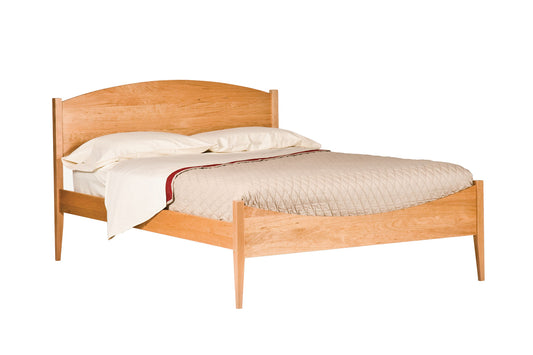
Anchorage Platform Bed
Regular price From $549.99Regular price $799.99 Sale price From $549.99Sale -
Japanese Tatami Platform Bed
Regular price From $729.99Regular price $929.99 Sale price From $729.99Sale -
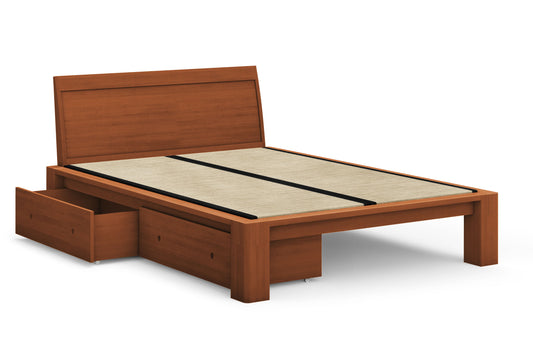
Japanese Tatami Platform Bed with Solid Headboard
Regular price From $929.99Regular price $1,129.99 Sale price From $929.99Sale -
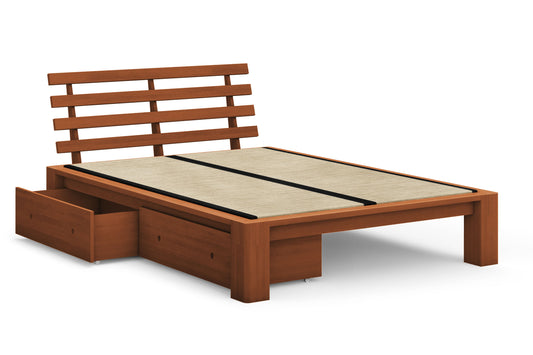
Japanese Tatami Platform Bed with Slatted Headboard
Regular price From $819.99Regular price $1,019.99 Sale price From $819.99Sale -
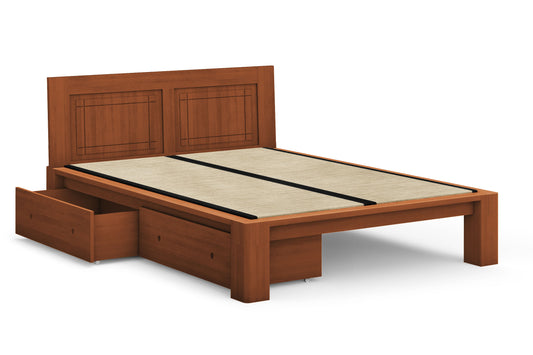
Japanese Tatami Platform Bed with Grooved Headboard
Regular price From $899.99Regular price $1,099.99 Sale price From $899.99Sale -
 Sale
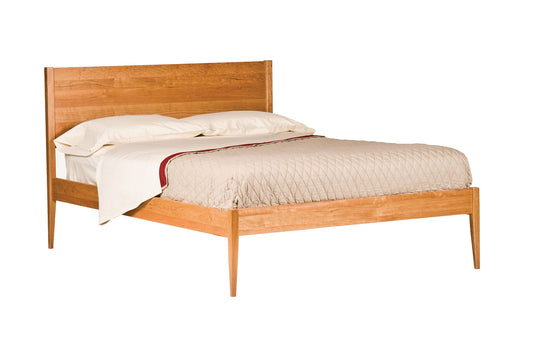
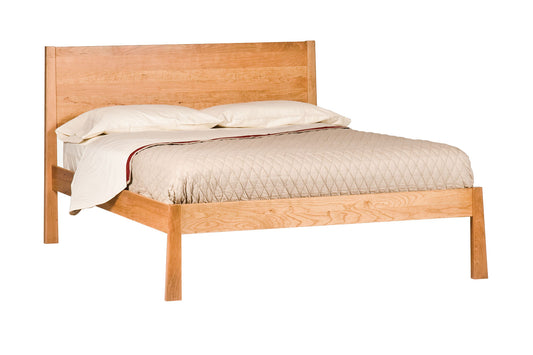
SaleBasic Platform Bed
Regular price From $799.99Regular price $999.99 Sale price From $799.99Sale -
 Sale
SaleEclipse Platform Bed
Regular price From $1,149.99Regular price $1,439.99 Sale price From $1,149.99Sale -
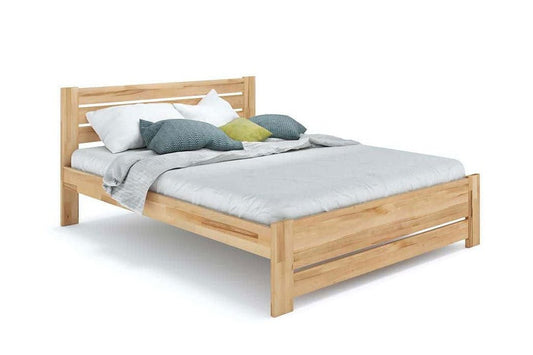
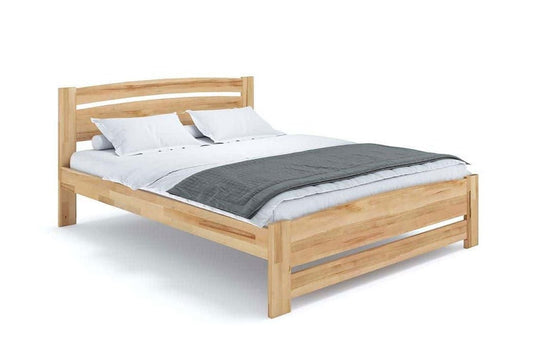
Moondance Platform Bed
Regular price From $1,159.99Regular price $1,459.99 Sale price From $1,159.99Sale








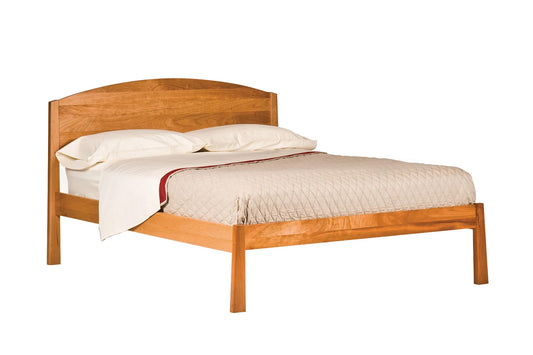
What Counts as a Low Platform Bed?
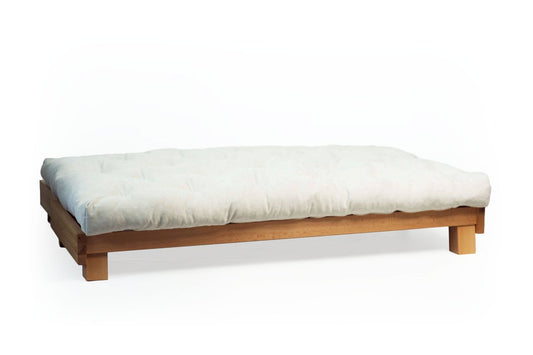
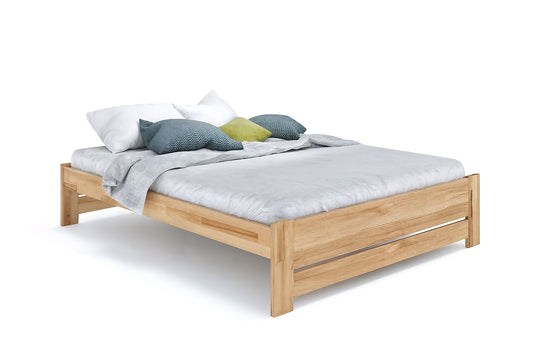
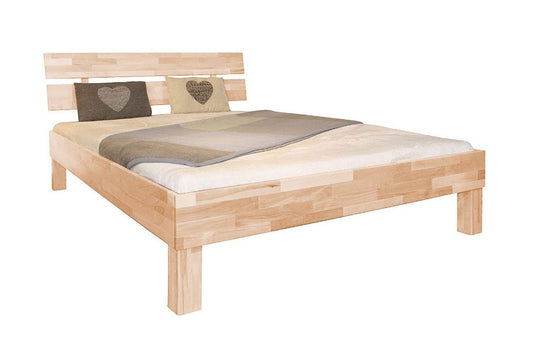
A low platform bed gives you many of the same benefits as a floor bed—firm support, clean lines, a grounded look—while lifting the mattress several inches off the floor. Instead of resting directly on tatami or coir, the mattress sits on wooden slats or a solid platform, supported by legs.
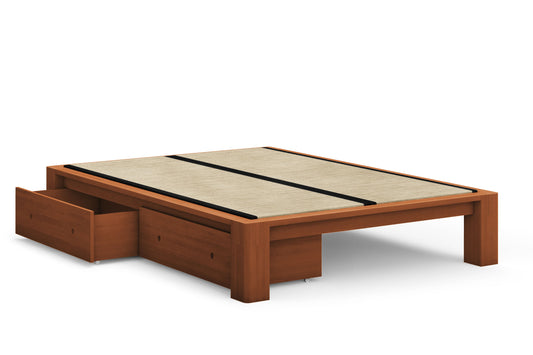
Comfort Pure’s Japanese-style tatami beds are good examples of this category. The core design, the Tatami Bed, is:
- Crafted from 100% solid Indonesian mahogany hardwood.
- Built with an interlocking, tool-free frame (no visible screws or brackets).
- Supplied with thick wooden slats that pair best with tatami mats or a futon mattress.
- Offered with standard legs that create generous storage and airflow under the bed, with the option to order shorter legs for a more floor-like profile.
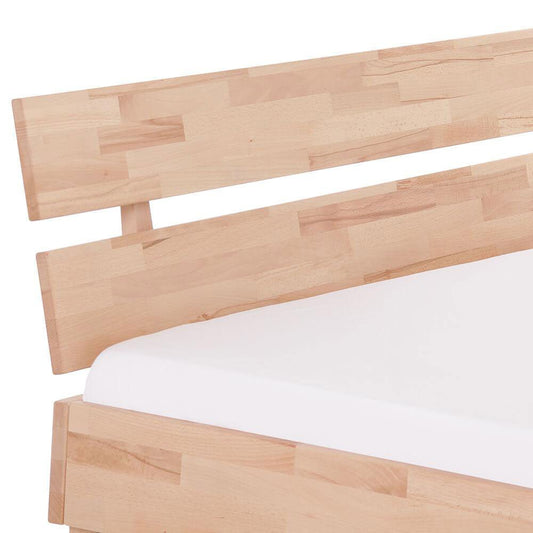
Variations like the Tatami Bed with Solid Headboard, Tatami Bed with Slatted Headboard, and Tatami Bed with Grooved Headboard keep the same low platform design while adding different backrests. All are built from the same solid Indonesian mahogany hardwood, using the same interlocking construction and slatted base.
Because these frames use solid wood and sit much lower than a standard bed, they often feel like a middle ground between a pure floor bed and a conventional raised frame.
Comfort and Spinal Support
The biggest question people have when comparing floor beds and low platform beds is simple: which one is more comfortable and supportive?
Floor bed comfort
On a true floor bed, your comfort depends heavily on the combination of base and mattress. A well-built system might look like:
- Hard surface (floor) + tatami mats + natural shikibuton.
- Hard surface + coir bed rug + futon mattress.
This can feel very supportive, especially if you prefer a firm sleeping surface. Many people report better spinal alignment once their body adjusts. However, if you are used to a softer mattress, the transition can feel abrupt. The floor underneath does not “give” at all, so the cushioning has to come from the tatami and mattress layers.
Low platform bed comfort
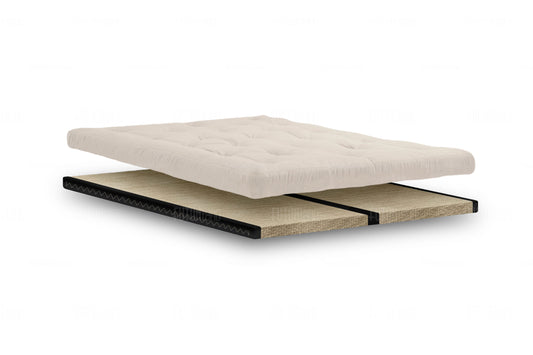
On a low platform bed, you still get a firm, even foundation—but instead of the floor, the support comes from the slatted frame. A setup with a tatami bed might look like:
- Wooden slats + tatami mats + shikibuton.
- Wooden slats + tatami mats or plywood + conventional mattress.
The slats help distribute weight across the frame, while the slight elevation reduces the “hardness” you feel compared to resting directly on the floor. With the Japanese tatami bed frames, the slats are thick and spaced to support futon-style mattresses well, especially when combined with tatami mats for a smoother, more continuous surface.
If you like the idea of a firm, grounded feel but want a bit more forgiveness than a pure floor bed, a low platform like the mahogany tatami bed is often a comfortable compromise.

Airflow, Moisture, and Mold Risk
Airflow is where the differences between floor beds and low platform beds become more pronounced, especially in humid climates or in rooms where air does not move well. If you want general guidance on preventing indoor mold, the EPA’s mold resources are a useful reference point for ventilation and moisture control.
Floor beds and moisture
On a floor bed, there is little space for air to move underneath the mattress. If your base is a cold or non-breathable floor (concrete, tightly sealed hardwood, or vinyl), moisture from your body and the room can get trapped between the mattress and the floor. Over time, this can create conditions for mold or mildew, particularly if:
- You live in a humid climate.
- Your bedroom is on a lower level or has limited air circulation.
- The mattress or futon contains a lot of synthetic foam that holds moisture.
You can reduce risk by using tatami mats or a coir bed rug underneath the mattress, airing the bedding regularly, and letting sunlight hit the sleeping area when possible. In more humid homes, that upkeep matters.
Low platform beds and airflow
Low platform beds naturally improve airflow because the mattress is lifted off the floor and supported by slats. With tatami bed frames, the open space underneath and the slatted base allow air to circulate on all sides of the mattress. When you add tatami mats on top of the slats, you create a breathable “bridge” between the wooden frame and your shikibuton or mattress.
That combination—slats for airflow, tatami for breathability, and a natural fiber mattress on top—can significantly reduce the risk of trapped moisture. It is one of the main reasons many people in humid climates lean toward low platform beds rather than pure floor setups, especially if they do not want to roll and store their bedding every day.
Ease of Getting In and Out of Bed
Height matters more than most people expect, especially as you think about aging, joint comfort, and daily habits.
Living with a floor bed
On a floor bed, you are sitting and standing from near floor level every time you get in or out. This can feel grounded if you are flexible and enjoy floor living, but it can be challenging if you:
- Have knee, hip, or back issues.
- Find it uncomfortable to kneel or squat.
- Frequently get up at night.
For some people, the act of lowering down and standing up from that height eventually becomes a strain, even if they like how the bed feels while lying down.
Living with a low platform bed
A low platform bed keeps much of the visual calm of a floor bed but raises the sitting height enough that you can stand up more easily. Tatami bed frames are designed with legs that create substantial clearance under the bed; standard legs give you space for storage drawers and a more conventional sitting height, while custom legs can be ordered shorter for a closer-to-floor profile.
This means you can choose a height that feels right for your body. You might:
- Opt for a lower leg height if you want a traditional Japanese-style look and do not mind bending a bit more.
- Keep the standard leg height if you prefer a slightly higher seat and appreciate being able to slide drawers or baskets underneath.
For many people, especially those planning to keep the same bed for years, this adjustable approach is more sustainable than a fixed floor-level setup.

Climate and Room Size Considerations
The best choice for you will also depend on where you live and how your room is set up.
Floor beds in different climates
Floor beds tend to shine in:
- Dry or temperate climates, where humidity is low and mold is less of a concern.
- Spaces with good cross-ventilation and sunlight, so bedding can be aired and dried easily.
- Rooms where you truly need maximum flexibility, such as studio apartments where the bed is folded away daily.
If you live in a highly humid region or a basement-level space, you have to be more diligent with airing, rotating, and protecting the mattress when it is directly on the floor. Tatami and coir bases can help a lot, but they do not replace the airflow you get from being elevated.
Low platform beds in different climates
Low platform beds are more forgiving in a wide range of climates. The combination of solid wood frame, slatted base, and optional tatami mats works well in:
- Humid climates, where airflow is essential.
- Colder regions, where sleeping directly on a very cold floor can feel uncomfortable.
- Upstairs rooms or spaces with less perfect ventilation, where you still want to avoid trapped moisture.
They are also easier to fit into more conventional bedrooms. A low-profile tatami bed still looks minimal and grounded, but it behaves like a “normal” bed in terms of changing sheets, pulling drawers out from underneath, and vacuuming around it.
How the Mahogany Tatami Beds Bridge the Gap
The four tatami bed designs—headboard-free, solid, slatted, and grooved—are essentially different expressions of the same idea: a low, solid wood platform that plays nicely with both floor-style mattresses and more conventional sleep setups.
- The base Tatami Bed keeps the silhouette as simple as possible. No headboard, just a clean frame that lets your tatami mats and bedding be the focus.
- The solid headboard version adds a calm, continuous wood backdrop behind your pillows.
- The slatted headboard option introduces vertical lines and a slightly airier feel.
- The grooved headboard version adds subtle texture while keeping the profile low and streamlined.
All four share the same fundamentals: 100% solid Indonesian mahogany hardwood, interlocking joinery with no exposed metal hardware, thick wooden slats, and the option to pair them with tatami mats for a firm, breathable sleeping surface. Together, they offer a way to capture the essence of floor-level sleeping while still enjoying the health and practical benefits of a low platform frame.

Other Low-Profile Platform Bed Options
If you love the idea of a low platform but want a different style, the broader platform bed collection includes other hardwood designs with varying heights, wood species, and storage options. Some offer integrated drawers, some use different headboard shapes, and some sit a little higher while still feeling grounded and minimal—an approach that pairs well with the calm look often associated with Japandi interiors.
These beds share the same core principles outlined in the article on solid wood platform beds: durable hardwood construction, good mattress support, enhanced airflow from slats, and a timeless look that works in both minimalist and more eclectic interiors.
FAQ: Floor Beds vs Low Platform Beds
Is a floor bed healthier than a low platform bed?
It depends on your body and your environment. Floor beds can feel very firm and supportive, but low platform beds often win for airflow, moisture control, and everyday livability while still keeping a grounded feel.
Which option is better for mold prevention?
Low platform beds are typically safer because the slatted base and open space underneath improve airflow. Floor beds can work well too, but they usually require more consistent airing and moisture management.
Do you need tatami mats for a floor bed?
Tatami mats are strongly recommended because they add breathability and a firm, stable surface. In many homes they also help reduce trapped moisture compared to placing a mattress directly on the floor.
Which is easier to live with day to day?
Low platform beds are usually easier: making the bed, changing sheets, cleaning around it, and getting in and out are all more straightforward than a true floor setup.
What should you choose if you have knee or hip issues?
A low platform bed is often the better fit because it raises the sitting height while keeping a minimalist look. A true floor bed can be uncomfortable if getting up from near floor level is difficult.
So Which Should You Choose?
There is no single “right” answer, but there are patterns that make the decision easier.
A floor bed is usually best if you:
- Love very low, traditional Japanese-style sleeping and are comfortable getting up from floor level.
- Enjoy the ritual of folding, airing, and sometimes storing your bedding during the day.
- Live in a relatively dry, well-ventilated space, or are prepared to be diligent about mold prevention.
- Need maximum flexibility in a multipurpose room where the bed often disappears during waking hours.
A low platform bed is usually best if you:
- Want many of the posture and aesthetic benefits of floor sleeping without going fully to the floor.
- Live in a humid climate or in a space where airflow is a real concern.
- Prefer a more conventional routine around making the bed, changing sheets, and using under-bed storage.
- Are thinking long term about aging, joint comfort, and ease of getting in and out of bed.
If you find yourself somewhere in the middle, starting with a low platform bed like the Japanese-style tatami frame is often a comfortable way to experiment. You can pair it with tatami mats and a shikibuton for a very authentic, firm feel, or with a natural mattress if you prefer something more familiar. Over time, you can adjust how high or low you keep your sleep surface while keeping the same solid wood frame as the anchor of your bedroom.
For a bigger-picture look at floor setups, the floor bed guide is a helpful companion piece.
If you want a deep dive into floor sleeping specifically, you can pair this article with this guide to floor beds, their traditions, and modern tips. For more detail on bed frames, this article on solid wood platform beds explains why a well-built low frame is often a long-term investment.