
Tatami Mats and Allergies: The Truth About Hay Fever & Floor Sleeping
You’ve likely seen the photos: a quiet, minimalist bedroom where a white futon sits on a textured, woven floor. It’s a grounded, peaceful look that feels like a needed break from a cluttered modern life.
But if you struggle with seasonal allergies, that woven grass might look less like a sanctuary and more like a giant sponge for pollen. It’s a reasonable concern. For those of us with hay fever, the idea of bringing a massive square of dried grass into the bedroom sounds like a disaster waiting to happen. Why would you invite in the very thing you spend your life trying to keep out?
The truth about Japanese Tatami Mats isn't as simple as "grass equals sneezing." While they are made of natural Rush Grass (Igusa), they interact with allergens differently than you might think. For some people, they are actually a relief compared to the dust-trapping fibers of a standard carpet; for others, they can be a genuine trigger.
Igusa vs. Pollen: Why the "Grass" Myth Persists
The biggest hesitation people have is the idea that the mats are covered in pollen. If you have a grass allergy, you’re likely picturing a field of blooming Timothy grass releasing clouds of yellow dust. You naturally assume a Tatami mat is just a dried-out version of that.
But that isn't quite how it works.
Traditional Tatami is woven from Igusa (Soft Rush Grass). Crucially, the mats are made from the dried stem of the plant, not the flowering, pollen-producing tops. High-quality mats are harvested before the plant even flowers, and any flowering heads are removed during processing.
The stems are dried and cured to be used as furniture material. This process essentially neutralizes the parts of the plant that cause hay fever. When you sleep on a Tatami mat, you are sleeping on a cellulosic fiber—similar to wood or cotton—rather than a pollen factory.
The Scent Factor: Allergy or Sensitivity?
For most people, the "green" scent of a new mat is actually a benefit. It comes from natural phytoncides, compounds plants release that are known to help lower heart rates and reduce stress (similar to the concept of "forest bathing").
There is a catch, though. About 5-10% of people find this initial "fresh hay" smell overwhelming. If you are chemically sensitive to strong botanical scents, your body might react with a headache or stuffy nose, even if it's not a true allergy. If you're worried about this "off-gassing" period, we’ve written a deep dive on why natural materials smell at first and how to manage it.
Also, if you have a severe contact-based grass allergy (the kind where touching a lawn immediately gives you hives), Igusa can still be a trigger because the proteins in the stems remain biologically active.

The Real Problem: Dust and Moisture
If you wake up with a stuffy nose after sleeping on a mat, it’s usually not the grass itself attacking you. It’s likely dust mites or mold.
Because Tatami has a woven texture, it has tiny grooves where dust can settle. However, compared to wall-to-wall carpet, Tatami is surprisingly hygienic. Carpet traps skin cells and allergens deep in its pile where vacuums can’t reach, creating a permanent reservoir of dust. Tatami is a tight, flat weave. Dust stays on the surface. If you vacuum with the grain of the weave, you can get most of it out quite easily.
The bigger risk is moisture. Igusa is a "breathing" material; it absorbs humidity from the air and moisture from your body. This is great for regulating a room's climate, but if a mat sits on a damp floor without being aired out, it becomes a breeding ground for mold. Mold spores are a far more aggressive allergen than grass ever would be.
Better Alternatives for Sensitive Sleepers
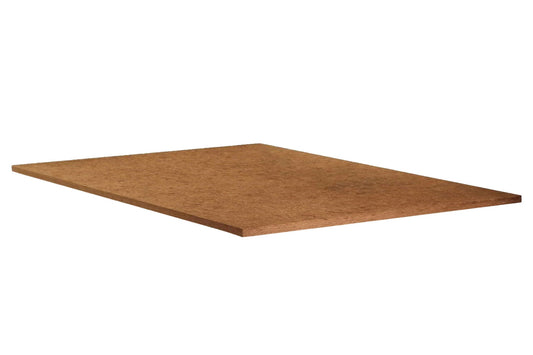
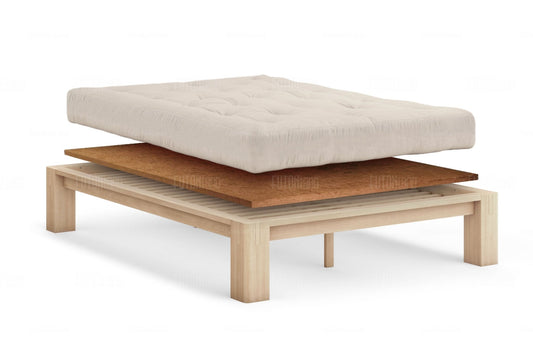
If you love the firm, breathable feel of a Japanese-style bed but know your nose simply won't tolerate Rush Grass, you don't have to stick with synthetic foam. The Coconut Coir Bed Rug is a great hypoallergenic middle ground.
Coconut Coir is made from the fibrous husk of the coconut fruit, bound together with natural latex. It offers three distinct advantages for the allergy sufferer:
- No Grass Proteins: Since it is a fruit fiber, it simply cannot trigger hay fever or grass pollen allergies. It is biologically inert.
- Virtually Odorless: It lacks the potent botanical scent of Igusa, making it safer for those sensitive to strong smells.
- Superior Airflow: The porous, fibrous structure is hostile to mold and dust mites. They can't thrive in such a dry, highly ventilated environment.
-
 Sale
SaleCoconut Coir Bed Rug
Regular price From $209.99Regular price $329.99 Sale price From $209.99Sale -

 Sale
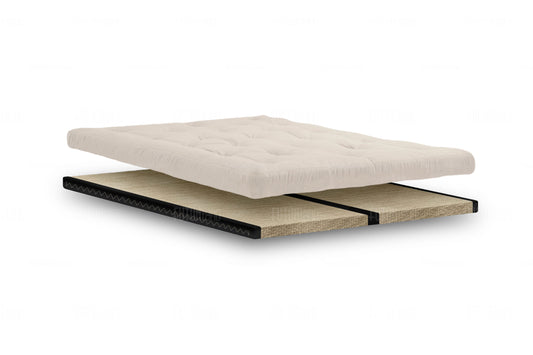
SaleTatami Mat
Regular price From $169.99Regular price $219.99 Sale price From $169.99Sale -

 Sale
SaleFolding Tatami Mat
Regular price From $179.99Regular price $269.99 Sale price From $179.99Sale -
 Sale
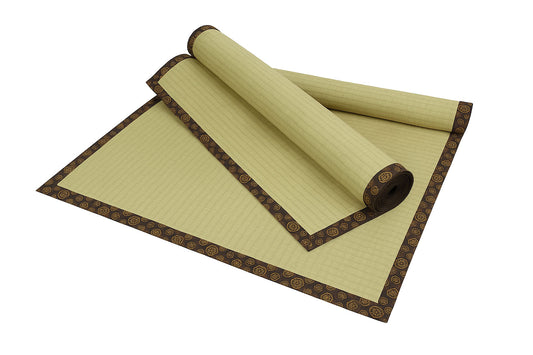
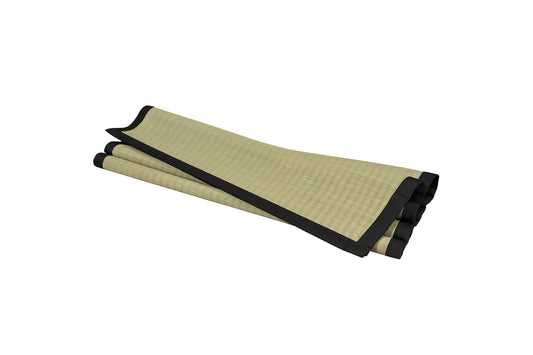
SaleGoza Tatami Mat
Regular price $79.99Regular price $129.99 Sale price $79.99Sale -
Tatami Floor Room Kit
Regular price From $779.99Regular price $1,289.99 Sale price From $779.99Sale