
Low Profile Platform Beds: Why an Interlocking Wood Frame Works
Low-profile beds are having a moment, but they are not a new idea. Sleeping closer to the ground has deep roots in Japanese interiors, where a calm, uncluttered room is not just an aesthetic choice, but a practical one. A lower bed can make a space feel larger, cleaner, and more intentional. It reduces visual weight, keeps the room feeling open, and puts the focus on materials, light, and proportion rather than bulky furniture.
Still, “low profile” should not be treated as a purely visual trend. The height of your bed affects how you enter and exit the bed, how the room functions day to day, how much air moves underneath your sleep surface, and whether storage is realistic. A low bed can feel serene and architectural, but it should also support your mattress properly, stay quiet and stable over time, and fit the way you actually live.
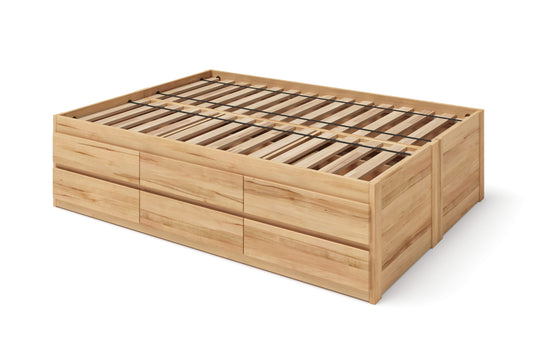
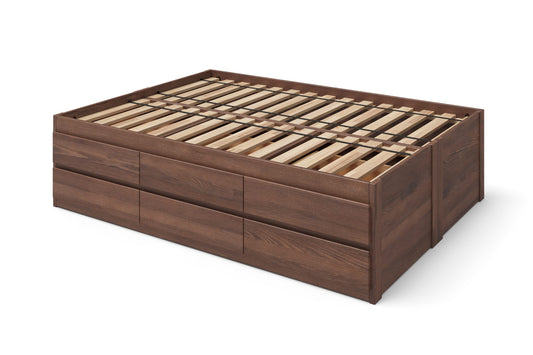
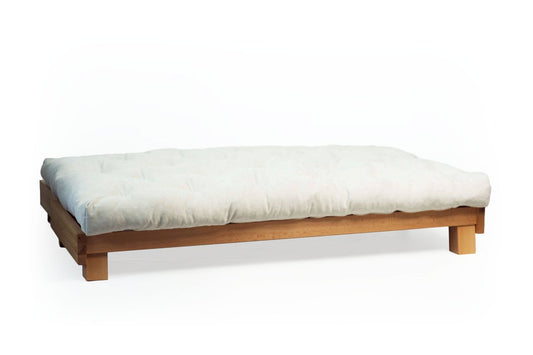
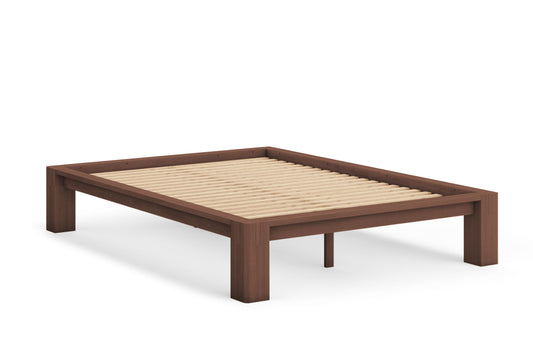
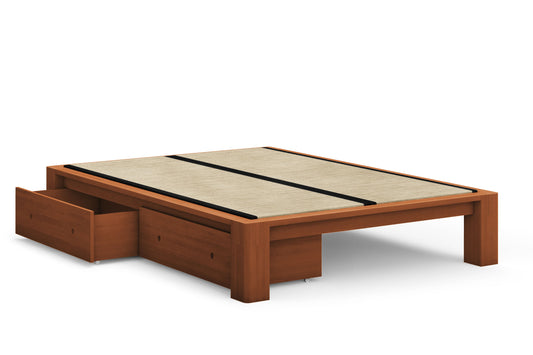
This article introduces low-profile beds through the lens of a Japanese-style tatami platform: an interlocking bed frame built as a solid hardwood frame with a minimalist footprint, available without a headboard or with three different wooden headboards. It is designed to work beautifully on its own with a mattress placed on the slats, and it becomes even more compelling when paired with matching signature tatami mats that sit precisely within the frame.

What “Low Profile” Really Means (Beyond the Look)
In most bedrooms, the bed is the largest object in the room. When it is tall, it dominates the space. When it is low, it changes the entire balance. The ceiling feels higher, the walls feel more expansive, and the room can read as calmer and more modern. This is why low-profile platform beds show up so often in minimalist interiors and why they blend so well with natural materials like wood, linen, wool, and woven fibers.
But low profile is not a single height. A bed that is “low” for one person can be “too low” for another, depending on comfort preferences and the way the room is used. The right choice is often less about a label and more about clearance, ergonomics, and lifestyle.
For example, our tatami platform bed is offered in a true low-profile 8-inch height. This option creates 3.25 inches of clearance, allowing the bed to stay low and minimalist while providing noticeable practicality for light cleaning and ventilation.
If you need a bed height that aligns with your body, your room layout, or the height of your nightstands, the platform can also be custom ordered with leg heights from 7 to 16 inches. At the taller end, 16-inch standard models provide 11.25 inches of clearance, which opens up real underbed storage and allows the bed to fit matching underbed drawers.
Why Low Profile Beds Feel Different to Sleep On
A bed that sits close to the floor can feel more stable even before you lie down. That stability is partly psychological, but it is also structural. Lower beds reduce leverage. There is less height for the frame to amplify movement, so the platform can feel quieter and more grounded. Many people describe the experience as less “bouncy” and more anchored, which is one reason low platform beds are often preferred in minimalist or Japanese-inspired bedrooms.
Another factor is how low-profile beds interact with the rest of the room. The lower the frame, the more important your foundation becomes. If your platform is not built well, you will feel it. If the joinery shifts, you will hear it. If the slats are not aligned, you may notice uneven support. A low bed does not hide those flaws. It highlights them.
This is where the construction of an interlocking platform becomes especially relevant.

The Case for an Interlocking Bed Frame
An interlocking bed frame uses precisely cut components that connect by fit and geometry rather than by dependence on exposed hardware. The goal is to create a structure that locks together tightly and distributes force across the entire frame. In practical terms, this can mean fewer points that loosen over time, fewer sources of squeaks, and a cleaner silhouette without metal brackets interrupting the design.
This approach is often described as a Japanese joinery bed frame style, not because it copies a single historical template, but because it carries a similar philosophy: stability through precise woodworking, minimalism through structural clarity, and durability through a well-made wood-to-wood connection.
In the context of a low-profile platform, the advantages become even more noticeable. A low bed puts you closer to the structure, and your body senses any instability more directly. With an interlocking design, the platform can feel monolithic and quiet. The frame becomes more like a single object than a collection of parts.
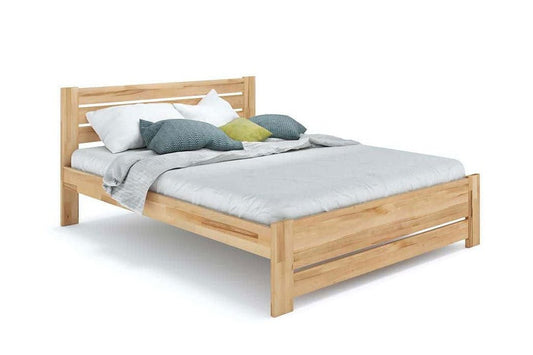
This tatami platform is built as a solid hardwood wood frame, designed to be heavy-duty and supportive. The legs attach to the side, head, and foot rails in an interlocking fashion. The result is a bed that embraces minimalist design without sacrificing the type of support most sleepers actually need.
Low Profile, High Impact: How Height Changes the Room
Low-profile beds are often chosen because they make a bedroom feel more spacious. That effect is real, but it becomes much stronger when the rest of the room supports the same visual logic. A low platform creates horizontal lines. Those lines look best when they are echoed by a low nightstand, a wide rug, soft lighting, and a restrained palette.
When you choose a 7-inch profile, the bed can feel almost like a built-in platform. It can make the room feel calm and intentional, but it also makes the floor plane more visually important. Materials like light wood, warm rugs, and simple textiles become more noticeable. That is a benefit when your room is designed for minimalism, but it can feel harsh if the space is cluttered or visually busy.
When you choose an 8-inch profile, you keep the low look but gain a bit more practicality. That extra clearance can matter in a real home. It is easier to sweep, easier to monitor dust buildup, and it can support a little more airflow beneath your sleep surface.
For many people, the best answer is not “lowest possible” but “lowest that still fits my routine.” That is why custom leg heights can be so useful. If you want the low-profile look but you also want the sleep surface to sit at a more comfortable sitting height, a custom height can give you both.
-
Japanese Tatami Platform Bed
Regular price From $729.99Regular price $929.99 Sale price From $729.99Sale -
Japanese Tatami Platform Bed with Solid Headboard
Regular price From $929.99Regular price $1,129.99 Sale price From $929.99Sale -
Japanese Tatami Platform Bed with Grooved Headboard
Regular price From $899.99Regular price $1,099.99 Sale price From $899.99Sale -

 Sale
SaleKanso Tatami Bed
Regular price From $749.99Regular price $899.99 Sale price From $749.99Sale -
Japanese Daichi Tatami Platform Bed
Regular price From $499.99Regular price Sale price From $499.99 -
Japanese Tatami Platform Bed with Slatted Headboard
Regular price From $819.99Regular price $1,019.99 Sale price From $819.99Sale -
Japanese Zen Platform Bed
Regular price From $869.99Regular price $1,049.99 Sale price From $869.99Sale -
Headboard for a Tatami Bed
Regular price From $159.99Regular price Sale price From $159.99 -
Headboard for Kanso Tatami Bed
Regular price From $209.99Regular price Sale price From $209.99







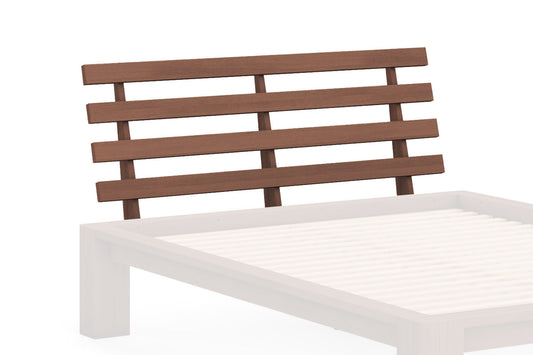
Headboard or No Headboard: Three Ways to Finish the Look
Minimalists often start by choosing a platform without a headboard. It is the cleanest expression of the style. It keeps the wall open, works beautifully with textured finishes, and makes a small bedroom feel less crowded. It also gives you flexibility. You can style the wall however you like without committing to a large visual element.
At the same time, headboards solve real problems. If you like to sit up in bed to read, a headboard adds comfort and structure. It can prevent pillows from shifting into the wall. It can also anchor the bed visually, especially if the room is large or if you want the bed to feel more “finished.”
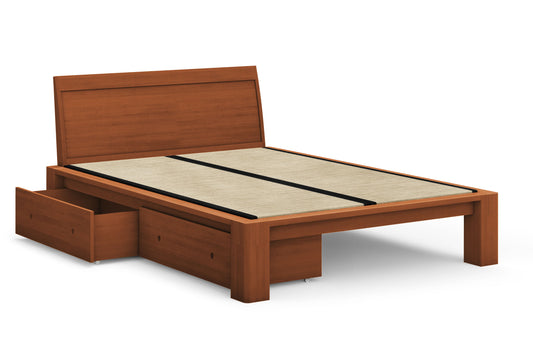
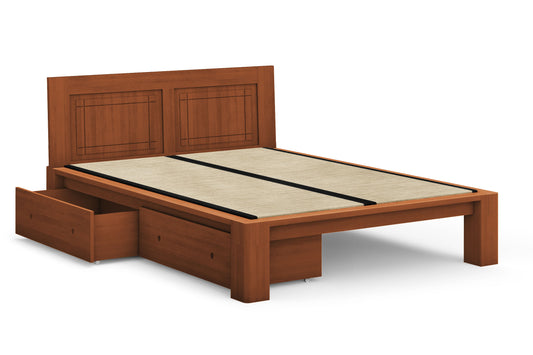
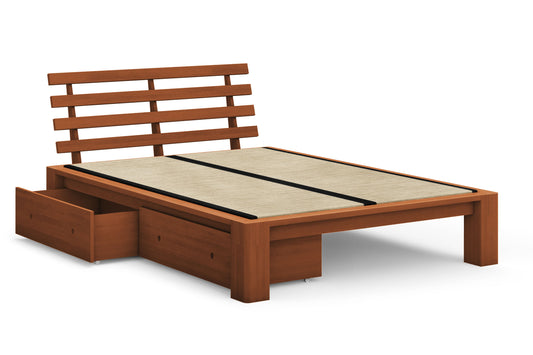
This platform is available without a headboard or with three wooden headboard options. That range is valuable because not everyone wants the same balance of minimalism and presence. A headboard can be subtle and linear, or more architectural, depending on the style you choose. The important part is that you can keep the interlocking platform design and decide how much visual framing you want behind it.
Slats Set Below the Surface: A Detail That Matters More Than You Think
One of the easiest ways to recognize a thoughtfully designed platform is to look at how the slats sit relative to the top of the frame. In many basic platform beds, slats sit flush with the top rails, which can work fine, but often makes the mattress feel like it is perched on top rather than integrated into the structure.
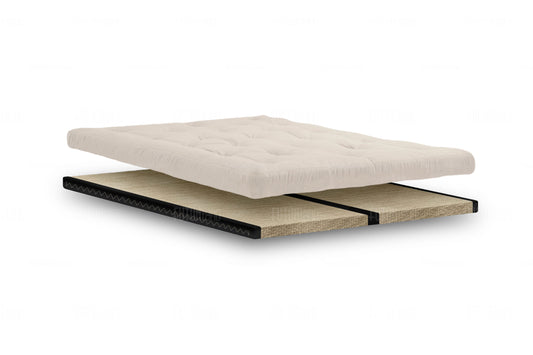
On this tatami platform, the slats are set about 2 inches beneath the bed surface. That creates a recessed area where the sleep surface sits more naturally within the frame. It also creates a cleaner visual line and a more intentional “platform” effect, which becomes especially important when you add tatami mats.
In other words, this is not just a platform that can accept tatami mats. It is built to match them. The recessed slat placement helps the mats sit neatly and securely, so the full system reads as cohesive and designed rather than stacked.

Tatami Mats as a Sleep System, Not a Decoration
Tatami mats are often introduced as a traditional Japanese material made from woven natural fibers. That is true, but it does not explain why they still matter in a modern bedroom. When used on a platform bed, tatami functions as a performance layer. It can create a flatter, more even foundation for your mattress, and it can improve the feel of certain mattress types.
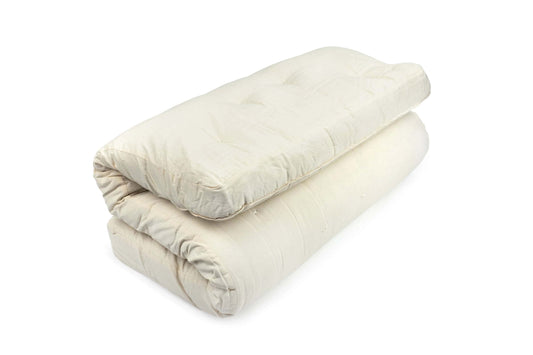
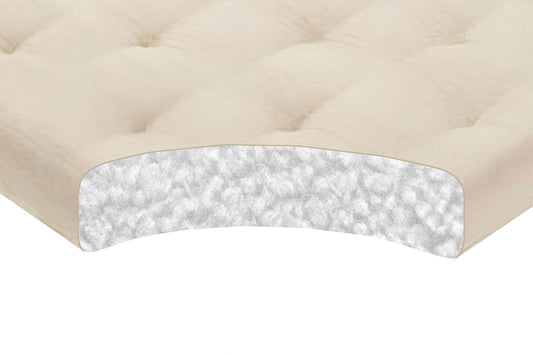
This matters most if you are sleeping on a futon or latex mattress. Those mattresses often benefit from a foundation that is stable, breathable, and evenly supportive. A mattress can go directly onto the wood slats, but tatami mats can improve comfort and usability by creating a more continuous surface and by adding a natural buffer between the mattress and the slats.
The signature tatami mats are designed to pair with the platform. They are built from natural materials with a dense rice straw core and a woven surface, creating a firm and breathable layer that complements a minimalist bed frame. If you want the full Japanese-style experience without compromising modern support, tatami is not just optional styling. It becomes part of how the bed performs.
Choosing the Right Height for Tatami, Storage, and Everyday Comfort
Low-profile beds ask a simple question: how close to the floor do you actually want to live? The answer depends on your body, your room, and your preferences.
If you want the most grounded look possible and you are committed to a minimalist feel, the 7-inch option is the boldest expression. With 2.25 inches of clearance, it reads as an architectural platform. It is visually calm and extremely low, but it does not prioritize underbed cleaning or airflow beneath the frame. It is chosen primarily for aesthetic and for the grounded feel.
If you want a low profile but you want a little more breathing room, the 8-inch option is often the most balanced. With 3.25 inches of clearance, it stays firmly in low-profile territory while making day-to-day maintenance easier. It is still minimalist, but it is less extreme.
If you want low profile styling but also want under-bed storage, you should think in terms of clearance. Storage needs space to function, not just to exist. This is why a 16-inch standard model, with 11.25 inches of clearance, changes the bed from “low platform” into “clean storage base.” At that height, the platform can fit matching underbed drawers, which can keep the bedroom visually uncluttered while preserving the calm look that makes low beds appealing in the first place.
And if none of those heights align with your exact needs, custom leg heights from 7 to 16 inches allow you to dial in the right balance. You can match your nightstand height, optimize comfort getting in and out of bed, or create just enough clearance for your storage plan without jumping to the tallest option.

Underbed Drawers: When Minimalism Needs a Place to Hide Things
Minimal bedrooms look effortless in photos, but real life includes linens, seasonal clothing, extra blankets, and the everyday items that otherwise end up in piles. Underbed drawers are one of the most effective ways to keep a minimalist room functional without adding a bulky dresser or extra cabinet.
When drawers are designed specifically for the bed, they feel like part of the architecture of the frame rather than an afterthought. They align to the footprint, slide cleanly beneath the platform, and preserve a cohesive look. If your goal is a calm room that stays calm, built-to-fit storage can matter as much as the bed itself.
If you plan to use the matching drawers, choose a height that provides real clearance. A 16-inch setup, with 11.25 inches of clearance, is designed to support that function while keeping the room visually clean.
Why This Style Works So Well in Modern Homes
Low-profile beds are popular because they are visually minimal, but the best versions succeed because they are structurally and materially honest. A solid hardwood wood frame makes the platform feel substantial rather than hollow. An interlocking design reduces dependence on hardware and keeps the form clean. The recessed slat placement creates a more integrated foundation and a better fit for tatami mats. The option to go headboard-free or choose one of three wooden headboards allows you to tune the final look without changing the core design.
And when you add tatami mats, the system becomes more than a platform. It becomes a Japanese-inspired foundation that supports breathable, grounded sleep with natural materials and a minimalist footprint.
That is the real appeal of an interlocking bed frame built with Japanese joinery bed frame principles. It is not just low. It is intentional. It is not just minimal. It is functional. It is a modern way to bring calm, structure, and natural materials into the place you spend a third of your life.
Building your ideal sleep sanctuary starts with the right foundation. Begin with the interlocking platform frame, then customize your setup with breathable tatami mats, a headboard that suits your style, or underbed drawers for hidden utility. While each piece functions beautifully on its own, combining them creates a truly cohesive, Japanese-inspired system.