
Thuma Alternatives: 11 Beds Worth Considering
You've found Thuma because you like the quiet wood, the clean lines, and the promise of assembling a bed without a toolbox. Then the price, material, storage, or profile gives you pause. The right alternative depends on that exact objection. A cheaper platform, a hardwood frame, a tatami base, and a storage bed solve different problems.
Quick Answer Routes by Motivation
If you're keeping the budget below $800, start with a budget platform frame and accept more visible hardware. If you prefer oak or walnut to rubberwood, look at solid-wood frames with clearly documented species and finish details. If drawers matter more than a floating profile, choose a storage bed. If you want a low, Japanese-style platform, Comfort Pure is the tatami route. If you're willing to wait for custom sizing or a particular species, speak with a made-to-order maker.
Don't choose from a generic “best” list. Choose the construction that fixes the reason you're leaving Thuma.

What Thuma Is Known For
Thuma's Classic Bed is a solid-wood platform frame built around a Japanese-influenced look and a tool-free assembly system. The frame uses wooden joinery with dowels and wedges, while pre-cut slats support the mattress. That approach gives the bed a restrained appearance and keeps assembly simple, without relying on a conventional collection of visible bolts and brackets. Thuma describes the Classic Bed's Japanese joinery and tool-free setup here.
The current queen Classic Bed starts at $1,195, while a queen configuration with a pillowboard is listed at $1,395 and headboard configurations start at $1,995, according to Thuma's current bed listings. Those add-ons change the value calculation quickly, particularly if you already need a headboard rather than a bare platform.
The frame's proportions are another part of its identity. Independent coverage reports approximately 9 inches of under-bed space, with matching drawers available at an additional charge. Apartment Therapy's coverage of Thuma beds is useful if under-bed access is part of your decision.
Practical rule: Treat Thuma as the benchmark for easy assembly and minimalist joinery, not as the answer to every bedroom layout.
The exact dimensions also matter in smaller rooms. A review reports the Classic Bed at 65 inches wide by 85 inches deep and 13 inches high, with the headboard configuration reaching 39 inches. The reported Thuma dimensions are detailed by Esquire. If you want a lower sleeping surface, more drawers, a taller headboard, or a different wood species, the alternatives become more relevant.

For readers specifically comparing low frames, the minimalist low-profile bed frame collection shows the type of headboard-free silhouette that sits closest to the floor-oriented end of this category.
Why Buyers Look Beyond Thuma
The usual objection isn't that Thuma looks wrong. It's that one detail doesn't suit the room, mattress, budget, or ownership plan.
The wood species comes first
Thuma's material choice won't satisfy every hardwood buyer. Some shoppers want oak, walnut, or a documented domestic hardwood. Others specifically want FSC-certified wood or a finish they can inspect before ordering. If species is central to your decision, compare the actual material description, not lifestyle photography.
The entry price excludes some shoppers
A queen frame beginning at $1,195 places Thuma outside the budget of buyers who want to spend under $800. Lower-cost frames can solve the immediate need, but they often use more hardware or engineered components. That's a construction tradeoff, not a flaw to hide.
Storage changes the whole design
The platform leaves useful room beneath the mattress, but it isn't a built-in drawer system. If you need bedding storage, clothing storage, or a lift-up compartment, a purpose-built storage bed is more practical than adding separate boxes later.
The profile isn't floor-level
Thuma's frame creates a low visual line, but it isn't a true tatami platform. Buyers seeking a floor-adjacent sleeping arrangement, futon use, or a very low room profile need to look at a different construction.
Other friction points are more personal. Finish options may feel limited if you want a specific color or sheen. The compressed-felt slat system may feel different from rigid wood slats, particularly if you prefer a very firm base. Warranty transfer, mattress restrictions, shipping weight, and the fact that a mass-produced frame isn't made to order can also matter.

Each reason points toward a different type of alternative. Don't trade a material problem for a storage problem, or a price problem for a difficult assembly process.
The Best Alternatives Matched to Each Reason
For budget pressure, choose a straightforward engineered-wood platform. Zinus and Olee Sleep suit shoppers who want a lower purchase price and widely available shipping. The Mellow Naturalista, for example, uses solid pine and is reported at $149.99. Lower-cost platform designs often show more screw holes and may feel less substantial over years of use. The construction and pricing comparison is covered by Root & Reef Interiors. Inspect the support rails, slat spacing, and return terms before ordering.
For hardwood buyers, choose documented solid-wood construction. Birch Lane's solid-wood options and Article's Tessu fit shoppers who care about species, grain, and conventional furniture construction. Confirm that each structural rail is solid, whether any panel is veneered, and which components carry the load. A hardwood frame gives you a clearer material choice, while Thuma retains the simpler joinery approach.
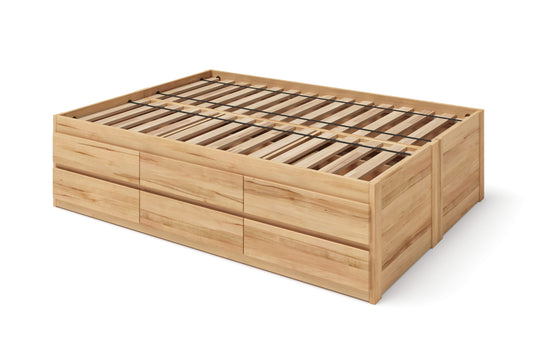
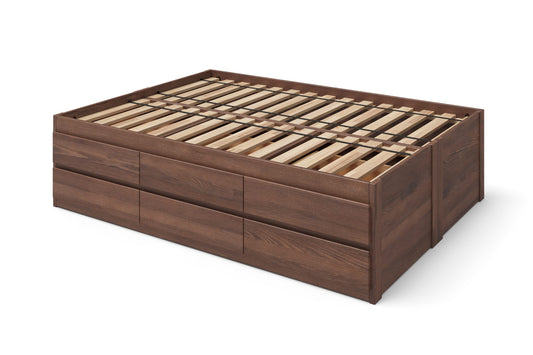
For storage-first rooms, buy a storage bed. Mellow and Dynasty Mattress offer designs centered on drawers or lift-up access, which suit apartments, guest rooms, and bedrooms without a separate closet. The tradeoff is visual weight. Storage mechanisms add structure beneath the mattress, so the bed looks less open than a simple platform.
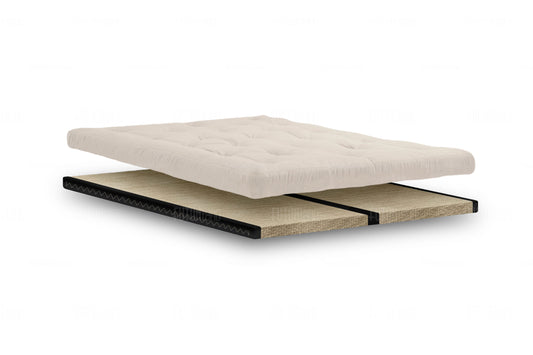
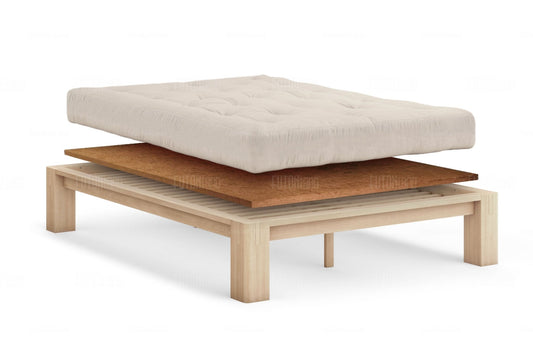
For a lower profile, choose Floyd or a tatami frame. Floyd works for buyers who want a modern platform with a distinct furniture presence. A tatami-style frame is the stronger match when the mattress should sit close to the floor. Check how easily you can get in and out, clean underneath, and confirm that your mattress suits the support system.
For made-to-order work, contact The Futon Shop or a local craftsperson. Choose this route for custom dimensions, an unusual species, or a specific height. Pricing is less predictable, and production may take longer. You are paying for fit and choice instead of immediate availability.
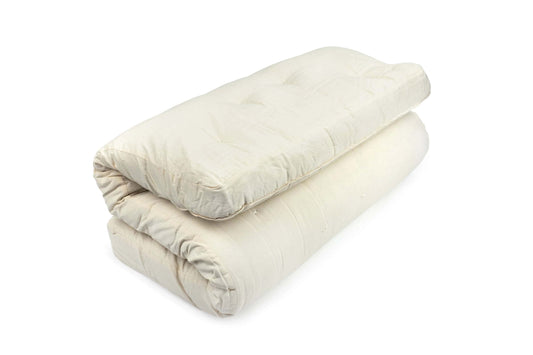
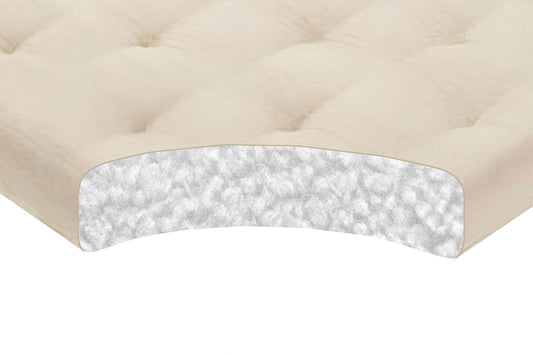
For a Japanese-style natural-material setup, consider Comfort Pure's platform bed collection. Its tatami-oriented designs suit sleepers who want a solid-wood, floor-leaning arrangement with natural materials rather than a conventional upholstered frame. The minimalist look is deliberate, but it will not suit someone who wants substantial under-bed clearance or a visually heavier bed. Confirm the current product details and shipping terms before ordering.
Side-by-Side Comparison of Thuma Alternatives
Scan price first if budget is the main reason you're leaving. Scan profile height if you want a floor-adjacent arrangement, and scan storage if your bedroom needs the bed to do more than hold a mattress. The table is a starting point, not a substitute for the current product page.
| Brand | Construction | Material | Assembly | Storage | Profile Height | Price Band | Warranty | Best For |
|---|---|---|---|---|---|---|---|---|
| Thuma | Solid wood | Rubberwood | Tool-free | Optional drawers | Low platform | Premium | Limited lifetime | Joinery |
| Comfort Pure | Solid wood, tatami | Wood, tatami | Product-specific | Limited | Floor-leaning | Product-specific | Product-specific | Japanese style |
| Floyd | Platform frame | Product-specific | Product-specific | Product-specific | Low platform | Product-specific | Product-specific | Modern profile |
| Article Tessu | Solid wood | Product-specific | Product-specific | None or optional | Platform | Premium | Product-specific | Finish focus |
| Birch Lane | Solid wood | Product-specific | Product-specific | Product-specific | Platform | Premium | Product-specific | Hardwood buyers |
| Zinus | Engineered wood | Product-specific | Hardware assembly | Product-specific | Platform | Budget | Product-specific | Low price |
| Olee Sleep | Engineered wood | Product-specific | Hardware assembly | Product-specific | Platform | Budget | Product-specific | Availability |
| Mellow | Wood platform | Pine or product-specific | Hardware assembly | Drawers on some models | Platform | Budget to midrange | Product-specific | Value storage |
| Dynasty Mattress | Storage bed | Product-specific | Product-specific | Lift-up or drawers | Platform | Midrange | Product-specific | Storage utility |
| The Futon Shop | Custom platform | Product-specific | Product-specific | Product-specific | Low to platform | Made-to-order | Product-specific | Custom sizing |
The table deliberately leaves changing brand specifications open. Prices, warranties, materials, and heights vary by model and configuration, so confirm the exact listing before you compare totals.
What to Verify Before You Buy
A product page should answer these practical questions. If key details are missing, contact the seller before placing the order.
- Check slat spacing. Foam and latex mattresses usually need closer support, often around 2 to 3 inches. Confirm the manufacturer's requirement before choosing a frame.
- Confirm weight capacity. Ask whether the stated limit includes the mattress, sleepers, and bedding, or covers the frame alone.
- Read the species description. “Wood frame” tells you little. Look for solid wood, veneer, engineered wood, and the species used in load-bearing components.
- Inspect the finish. Find out whether the surface is oiled, waxed, or sealed with polyurethane. Check the manufacturer's information on water-based finishes and VOC off-gassing.
- Study the warranty. Verify its duration, exclusions, assembly requirements, mattress restrictions, and whether the remedy is replacement, repair, or refund.
- Confirm mattress compatibility. Adjustable bases, hybrids, latex, memory foam, innerspring, and boxed mattresses can require different foundation support.
- Review returns before opening boxes. A direct-to-consumer trial may differ from a retailer's return window. Return shipping can also change the purchase cost.
- Count the boxes and check delivery access. Measure stairwells, doorways, and elevators, then account for shipping weight and possible reassembly. The advertised assembly time does not cover every delivery problem.
Construction details deserve their own comparison. Browse this solid-wood bed frame collection to see how material choices are presented, then verify the exact product page, configuration, and included parts rather than relying on a roundup. A frame's listed specifications apply to that model, not automatically to every size or finish in the same collection.
The Final Verdict
Buyers priced out of Thuma should start with Zinus, Olee Sleep, or a solid-pine value frame, accepting more hardware and less furniture-like finishing. Hardwood purists should compare documented solid-wood options from Birch Lane or Article, while storage-first shoppers should choose Mellow or Dynasty Mattress. Floyd suits a cleaner modern profile. Tatami frames suit floor-leaning sleepers and futon users. Custom shoppers should speak with The Futon Shop or a local maker.
If a minimalist solid-wood frame with a Japanese-style feel is the priority and the budget allows, Comfort Pure is the straightforward match. Before checkout, verify slat spacing, weight capacity, and warranty terms, because those details shape daily satisfaction more than the brand name.
Frequently Asked Questions
How long do alternatives take to assemble?
Assembly varies by model. Thuma is known for a tool-free setup that takes roughly 5 to 10 minutes, while other frames may require hardware, more parts, or delivery assembly. Check the current instructions before buying.
Will these frames work with foam or latex?
Usually, but confirm slat spacing first. Foam and latex mattresses commonly perform best when gaps stay around 2 to 3 inches, depending on the mattress maker's requirements.
Which alternative is best for storage?
Choose a frame with built-in drawers or a lift-up base, such as a storage-focused Mellow or Dynasty Mattress model. A simple platform leaves open space but doesn't organize it for you.
When does tatami make more sense?
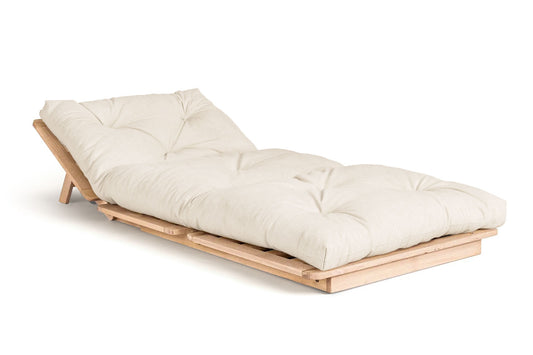
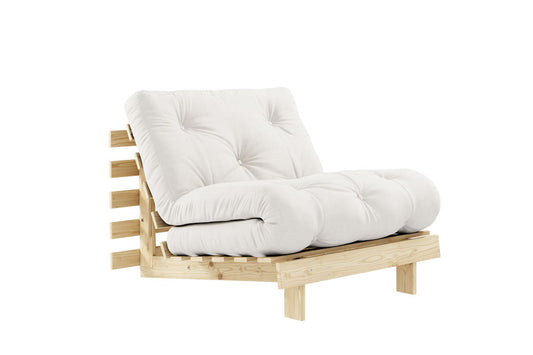
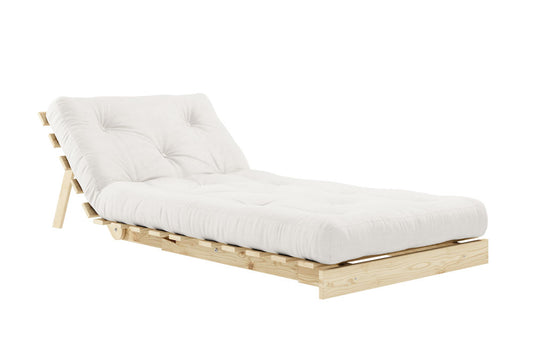
Tatami suits floor-oriented rooms, futon use, and sleepers who want a low visual profile. A standard platform is easier if you want more space underneath or a taller mattress stack.
Do alternatives include headboards?
Some pair with optional headboards, while others are intentionally headboard-free. Confirm whether the headboard is included, compatible, or sold separately.
Should I prioritize price or warranty?
Choose the warranty only after checking what it covers. A longer term doesn't help if improper assembly, mattress weight, or non-transferable ownership excludes your situation.
What should I check on the product page?
Verify the exact species, slat spacing, weight limit, finish, assembly method, delivery boxes, return policy, and warranty for the specific configuration you'll order.
If you're ready to narrow the search, compare the platform beds, tatami beds, captain's beds, headboards, and Japanese furniture collections by the feature that matters most in your room. You can also read the wood bed frame guide, the flat-pack bed article, and the existing Thuma comparison article before checking the current specifications and ordering.