
Is a Latex Mattress Toxic? The Chemical and Allergy Concerns, Separated
If you're asking whether a latex mattress is toxic, you're probably asking two questions at once — and most articles online answer only one of them. One concern is chemical: does latex off-gas harmful compounds, and what's actually inside the bed? The other concern is allergic: if you've ever reacted to a latex glove, does that mean a latex mattress is off the table? These are different questions with different answers, and mixing them up leads to decisions that don't match the actual risk.
The short version: natural latex mattresses are among the lower-concern options in the category. But "latex" on a product label tells you almost nothing on its own, and a latex allergy from glove exposure is not the same situation as sleeping on a latex mattress. Both points matter before you buy.

Natural, Blended, and Synthetic Latex Are Not the Same Material
The word "latex" gets used across very different products, and that inconsistency is where most of the confusion starts. Natural latex is made from rubber tree sap — specifically from Hevea brasiliensis — harvested, processed using either the Dunlop or Talalay method, and vulcanized into foam. The resulting material contains no petrochemicals and, in a well-made mattress, emits no meaningful volatile organic compounds (VOCs). Synthetic latex is a different product: it's manufactured from styrene-butadiene rubber, a petroleum-derived material that behaves similarly to natural latex but carries a different chemical profile. Blended latex sits between them, mixing natural and synthetic in ratios that vary by brand and are often not disclosed.
In practice, a mattress sold as a "latex mattress" could be any of these three. That distinction affects odor, emissions, additives, and overall material composition in ways that matter if your goal is a lower-chemical sleep setup.
| Type | What it usually means | Toxicity concern level | What to verify |
|---|---|---|---|
| Natural latex | Foam made from rubber tree sap | Lower in well-made products | Is every layer natural, or only the comfort layer? |
| Organic latex | Natural latex meeting organic certification standards | Lower when the latex core itself is certified | Is the latex certified, or only the cover fabric? |
| Blended latex | A mix of natural and synthetic latex | Moderate, depending on ratio and additives | Marketing may highlight the natural portion and downplay the synthetic content |
| Synthetic latex | Petrochemical-based foam, often styrene-butadiene rubber | Higher concern for off-gassing and chemical additives | Vague terms like "latex foam" with no further detail often indicate synthetic or blended |
Off-Gassing: What It Actually Means for Latex
Off-gassing is the release of VOCs from a material — the chemical smell that prompts many people to air out a new mattress for days after delivery. For conventional polyurethane and memory foam beds, this is a real concern: these foams are petroleum-based, and research has detected dozens of individual VOCs emitting from them, including some classified as probable carcinogens. The "new mattress smell" associated with foam beds is a concentrated early phase of a process that continues at lower levels for months or years.
Natural latex behaves differently. A 100% natural latex mattress made without synthetic additives does not produce the same kind of VOC emissions. A mild rubber scent when new is normal — it comes from the material itself, not from off-gassing petrochemicals — and it fades quickly. For buyers who are sensitive to smells or who have experienced sharp chemical odors from foam beds, this is a meaningful difference. Synthetic and blended latex are a different matter: the more synthetic content, the closer the emissions profile moves toward the foams people are trying to avoid.
One detail that frequently gets missed: adhesives used to bond mattress layers can introduce VOCs even when the latex itself is natural. A natural latex mattress that uses solvent-based glues can still off-gas from those adhesives. This is one reason certification matters — GOLS and related standards restrict what can be used in the manufacturing process, not just what goes into the latex layer itself.
The Layers Around the Latex
A latex mattress is not just latex. The quilting, fire barrier, edge support, base, and any adhesives used are all part of the finished product — and any of them can introduce materials a buyer was trying to avoid. A mattress that uses natural latex in one layer while relying on polyurethane foam, synthetic fire barrier chemicals, or low-disclosure adhesive elsewhere is a different product than one where every component has been considered.
Common materials to look for in a full build disclosure:
- Polyurethane foam used in quilting, base, or edge support
- Chemical flame retardants (as opposed to natural wool fire barriers)
- Adhesives with no clear material disclosure
- Synthetic latex in any layer of a mattress marketed primarily as "natural"
- Polyester-heavy quilt panels in a bed positioned as lower-synthetic
None of these automatically disqualify a mattress. They change what you are buying. The better brands make the full build clear. The weaker ones let the most marketable layer carry the credibility of the whole mattress.

What Certifications Actually Verify
Certification language is used loosely in the mattress industry, and it's worth understanding what each one covers before treating any label as a clean bill of health.
GOLS (Global Organic Latex Standard) is the most specific standard for latex itself. It requires that the latex core contain more than 95% certified organic raw material, prohibits synthetic latex and petroleum-based fillers, and tests for VOC emissions against strict limits. When a brand says "GOLS-certified organic latex," that statement applies to the latex core — it does not certify the cover, quilt, fire barrier, or any other component.
GOTS (Global Organic Textile Standard) covers the textile components — organic cotton and wool used in the cover and quilting layers. A mattress can hold GOLS certification for its latex and GOTS certification for its textiles; together, these two cover most of what's in a well-constructed natural mattress.
Oeko-Tex Standard 100 screens finished materials for harmful substances, including VOCs, heavy metals, pesticides, and certain dyes. It applies to the finished component tested, not necessarily to the whole mattress. Oeko-Tex MADE IN GREEN adds supply chain traceability.
GREENGUARD Gold tests for chemical emissions in the finished product against strict indoor air quality limits. It's particularly useful for people with chemical sensitivities or for mattresses going into children's rooms.
The useful question when reading a product page is not just which certifications appear — it's which components each certification applies to. A certification on the fabric cover does not tell you anything about the latex core. A GOLS label on the latex layer does not certify the fire barrier or adhesives.
-
Organic Cotton and Wool Shiki Futon Mattress
Regular price From $429.00Regular price $859.99 Sale price From $429.00Sale -
Organic Cotton, Wool and Latex Shiki Futon Mattress
Regular price From $1,119.00Regular price $2,239.99 Sale price From $1,119.00Sale -
Organic All Cotton Shiki Futon Mattress
Regular price From $359.00Regular price $719.99 Sale price From $359.00Sale -
Organic Cotton and Wool Japanese-Style Firm Futon Mattress
Regular price From $909.99Regular price $1,139.99 Sale price From $909.99Sale -
Organic Cotton, Wool and Foam Japanese-Style Medium-Firm Futon Mattress
Regular price From $999.99Regular price $1,249.99 Sale price From $999.99Sale -
Organic Cotton, Wool and Latex Japanese-Style Medium-Firm Futon Mattress
Regular price From $1,179.99Regular price $1,479.99 Sale price From $1,179.99Sale -
Organic Latex, Coconut and Wool Mattress (Extra-Firm)
Regular price From $1,344.98Regular price $2,099.96 Sale price From $1,344.98Sold out -
Organic Coconut, Latex and Wool Bed Mattress (Extra-Firm)
Regular price From $1,486.98Regular price $2,339.96 Sale price From $1,486.98Sold out -
Organic Latex, Coconut and Wool Mattress
Regular price From $1,356.98Regular price $2,119.96 Sale price From $1,356.98Sold out -
 Sold out
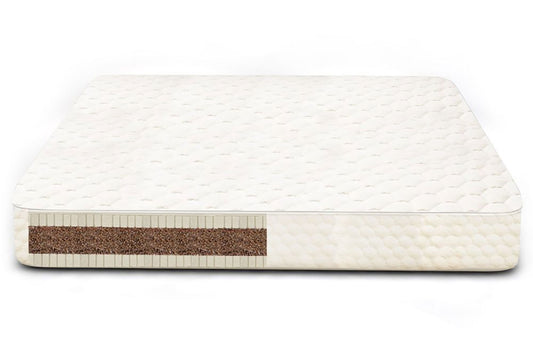
Organic Coconut and Latex Mattress
Regular price From $1,657.48Regular price $2,649.96 Sale price From $1,657.48Sold out -
Organic Latex and Wool Mattress
Regular price From $1,104.98Regular price $1,699.96 Sale price From $1,104.98Sale -
Organic All Cotton Japanese-Style Firm Futon Mattress
Regular price From $749.99Regular price $939.99 Sale price From $749.99Sale