
How to Wash Organic Cotton Sheets Without Ruining Them
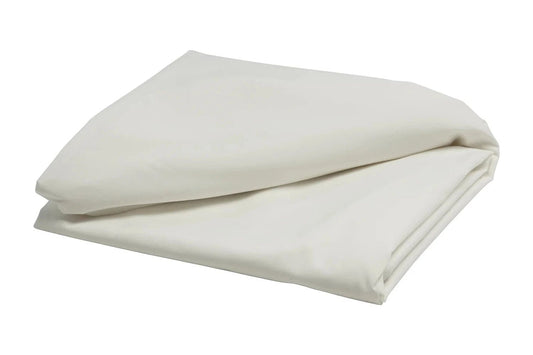
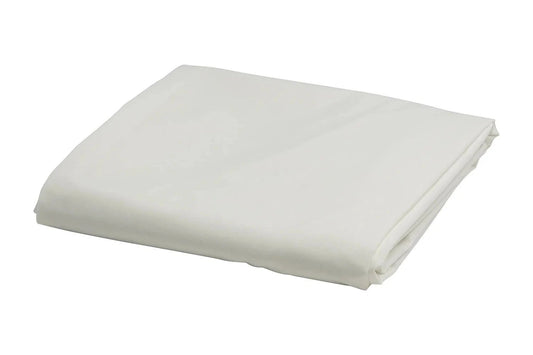
Wash organic cotton sheets in cold or warm water, use a mild detergent, skip fabric softener, and choose low-heat or line drying. For everyday care, 30–40°C is the practical default, while 60°C should be reserved for hygiene-focused washing when the care label allows it.
The counterintuitive part is that organic cotton isn't a different kind of cotton. It still consists of cotton cellulose, so it can shrink from agitation and heat just like other cotton fabric. A textile-industry report found that a 100% cotton interlock fabric shrank by more than 20% after 45 minutes of tumbling without a heat source, showing why mechanical action matters as much as temperature (Textile World's report on cotton shrinkage).
What changes your laundry routine is the finish. Organic sheets commonly arrive without wrinkle-resistant resins, optical brighteners, antimicrobial coatings, or softener films. They may wrinkle more, feel slightly firm when new, and become softer through use. Care should protect the exposed cotton fibers rather than disguise them with coatings.
Why Organic Cotton Sheets Need a Different Wash Routine
The missing synthetic finish, not the cotton fiber, changes the laundry routine. Organic cotton remains cotton cellulose, so its care needs reflect how untreated fibers absorb water, detergent, body oils, and heat. Use a mild plant-based or enzyme detergent, avoid fabric softener, and choose gentle drying. The exact temperature and drying setting belong to the care label and the cleaning problem.
Organic certification describes how cotton is grown and how the textile is processed. The fiber itself remains cotton. The Global Organic Textile Standard's history traces the development of global organic-textile standards to 2006, when GOTS was established after four years of negotiation and its first certification was completed that year.

The finish, not the fiber, is the difference
GOTS permits mechanical and thermal finishing, while restricting synthetic inputs used for antimicrobial finishing, coating, filling, stiffening, lustering, matting, and weighting (GOTS Standard 5.0). Its current standard also covers processing, manufacturing, packaging, labeling, and trading, rather than only the organic fiber (GOTS Version 8.0).
That difference is noticeable after purchase. Conventional sheets may use wrinkle-resistant resins, optical brighteners for a whiter appearance, or softener coatings for immediate slipperiness. Uncoated cotton shows more of its natural texture, so new sheets can feel firm and wrinkle readily. Washing and regular use gradually flex the fibers and remove manufacturing residue, allowing the fabric to soften without reducing its absorbency or breathability.
Give the fabric time to settle rather than forcing softness with extra detergent or conditioner. Gentle handling protects the exposed cotton structure.
For wider textile-care context, the Australian care guide for covers applies the same principle: match cleaning intensity to the textile instead of treating every natural fabric like a synthetic one. If you are assembling a natural bedding setup, Comfort Pure's bedding collection includes related cotton layers that follow this care logic.
Choosing the Right Water Temperature
The absence of synthetic finishes changes how organic cotton responds to heat. Cold water protects color and limits dimensional change, warm water removes ordinary body oils more effectively, and hot water serves a narrower hygiene purpose while adding wear.
For routine care, use 30–40°C, or 86–104°F. One cotton sheet care guidance source identifies 40°C as a practical compromise for cotton, removing soil while limiting fiber stress. Higher temperatures increase shrinkage risk, especially in unmercerized organic cotton.
| Temperature Range | Shrinkage | Color Retention | Cleaning Power | Best Use Case |
|---|---|---|---|---|
| Cold, below 30°C / 86°F | Lowest practical risk | Strongest protection | Routine surface soil | Weekly care, dark or dyed sheets |
| Warm, 30–40°C / 86–104°F | Moderate risk | Good when colors are sorted | Better body-oil removal | Regular use, warm sleepers, visible soil |
| Hot, around 60°C when label allows | Greater cumulative risk | More fading and dimensional change | Stronger oil removal and hygiene support | Whites, post-illness laundering, dust-mite-focused care |
Use the 60°C setting only when the care label permits it. It can improve removal of body oils and support dust-mite-focused or post-illness laundering. Repeated hot cycles, however, fade colors and accelerate dimensional change, as explained in this cotton sheet washing guidance.
Heat is only one source of stress. Cotton can contract through tumbling even without a heated wash, so a hot cycle followed by forceful drying applies two separate strains. Select a gentle or cotton program, leave enough room for the sheets to move, and remove them promptly when the cycle ends.
Choose cold for color-sensitive bedding and warm for oily or heavily used sheets. Reserve hot washing for a clear hygiene reason, and check the label first. Under very high heat, some care guidance reports shrinkage exceeding 4%, so temperature control protects both fit and fabric life.
Detergent Selection and What to Avoid
Organic cotton does not need an aggressive detergent. Because the fabric lacks resin finishes, optical brighteners, and softener coatings, the wash product must remove body oils, sweat, and skin residue without leaving a film behind.
Choose a mild liquid detergent with plant-based surfactants or enzymes. Surfactants lift oily soil from the fiber surface, while enzymes can help break down protein-based residue from sweat. A pH-neutral formula suits sheets washed frequently and is less likely to leave the fabric feeling harsh.

Use less detergent than your instinct suggests
Excess detergent does not improve cleaning. It can lodge in cotton's absorbent structure, leaving sheets stiff, scratchy, or dull after rinsing. If freshly washed bedding feels rough even after careful drying, residue is one of the first causes to check.
Use the amount listed for your load, then reduce it when the machine uses little water or the sheets have light soil. An extra rinse without more detergent can clear buildup. A small amount of white vinegar in the rinse may also help release residue, provided both the care label and machine instructions permit it.
Avoid fabric softener and dryer sheets. They leave a lubricating coating on fibers, which can reduce absorbency and mute cotton's breathable feel. PlushBeds also advises avoiding softeners, bleach, and high heat in its organic cotton sheet care guidance.
Use optical brighteners cautiously. They create a whitening effect without cleaning the cotton and offer little value for naturally colored or undyed bedding. Skip chlorine bleach, strong fragrance-heavy formulas, and additives that leave a persistent coating. The cleaner finish may feel less silky at first, but that texture reflects untreated cotton rather than a synthetic surface layer.
Drying Methods and Managing Wrinkles
Drying determines how well organic cotton sheets retain their strength and shape. Because untreated cotton lacks resin finishes and softening coatings, high heat removes moisture quickly but also increases shrinkage, fiber stress, and set-in wrinkles.
Choose low or medium-low heat, and remove the sheets as soon as they are dry. If practical, take them out while slightly damp. Shake each piece, align the seams, and smooth it over a drying rack or the mattress. That remaining moisture helps creases relax before the fabric cools.

Line drying reduces thermal stress and can extend the fabric's useful life. Shake the sheets firmly before hanging, match the hems, and leave space for air to circulate. Sunlight may brighten white or undyed cotton, while prolonged direct exposure can fade colored dyes.
The trade-off is texture. Line-dried sheets often feel crisper, particularly in dry air. A short, low-heat tumble can soften that feel without adding a coating. Fabric softener and dryer sheets create slip by covering fibers, which changes the surface and can reduce absorbency.
Percale usually appears more relaxed and creased than sateen because its plain weave produces a crisp hand. Wrinkles are part of that untreated finish, not evidence of poor quality. For a smoother bed, fold or place the sheets while slightly damp, or mist them lightly with water and smooth the surface by hand.
Practical rule: Use low heat, remove the load promptly, and smooth organic cotton before it fully dries.
Stain Treatment and Bleach Alternatives
Treat marks before drying. Heat can drive protein and oil residue deeper into cotton, while untreated organic sheets lack resin or softener coatings that might otherwise mask a roughened surface. The goal is targeted cleaning with the least chemical and mechanical stress.
| Stain Type | Recommended Treatment | Avoid |
|---|---|---|
| Body oils | Apply mild liquid detergent directly, then wash warm | Heavy detergent dosing and fabric softener |
| Blood | Rinse with cold water and use an enzyme-based pre-treatment | Hot water before removal |
| Sweat yellowing | Use enzyme detergent, oxygen bleach when label-safe, and rinse thoroughly | Chlorine bleach and repeated high heat |
| Makeup | Work liquid detergent gently into the mark before washing | Drying before checking the stain |
For oily marks, a baking-soda-and-water paste can lift surface residue before laundering. Use a small amount, rinse it out completely, and test treatments on an inconspicuous area if the sheet is dyed. Excess rubbing can roughen cotton fibers and spread the mark.
Chlorine bleach weakens cellulose fibers and may cause yellowing, particularly in unbleached or naturally colored cotton. Oxygen bleach, including sodium percarbonate, provides a gentler brightening option when the care label permits it. Dissolve it fully in warm water before use, and keep laundry chemicals separate unless the product instructions specifically allow combining them.
Sunlight can brighten white sheets, but prolonged direct exposure may fade colored or botanical-dyed fabric. Use it selectively, rather than treating sun drying as a universal stain-removal step.
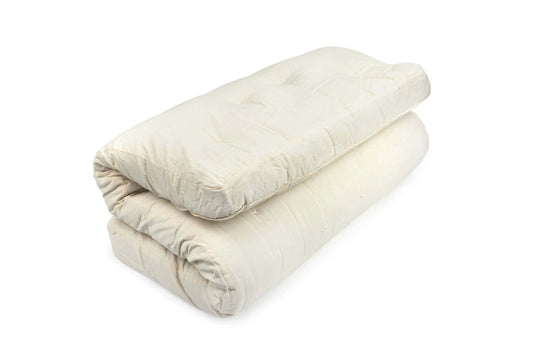
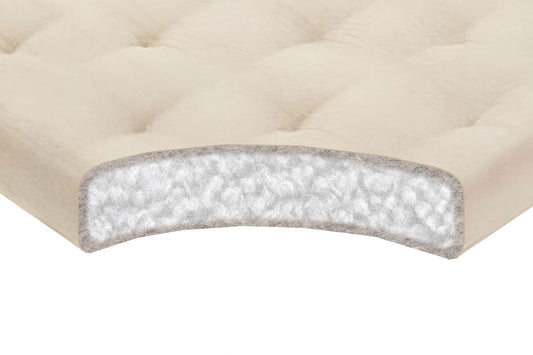
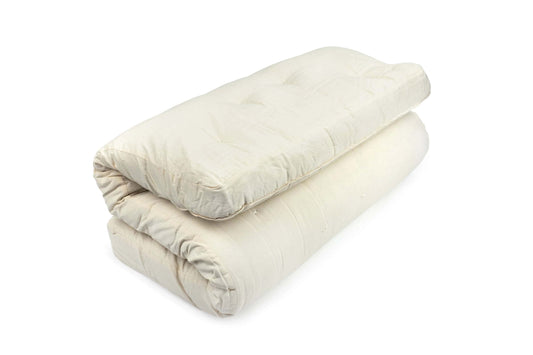
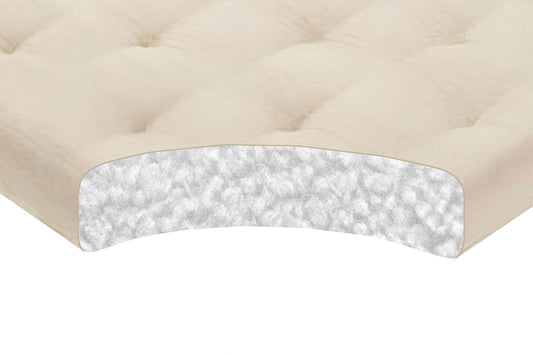
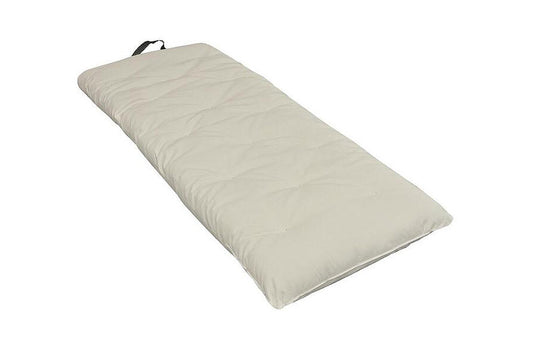
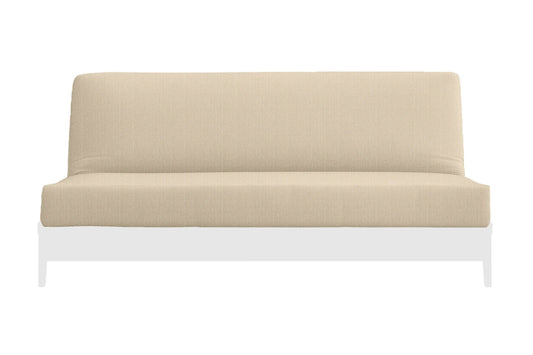
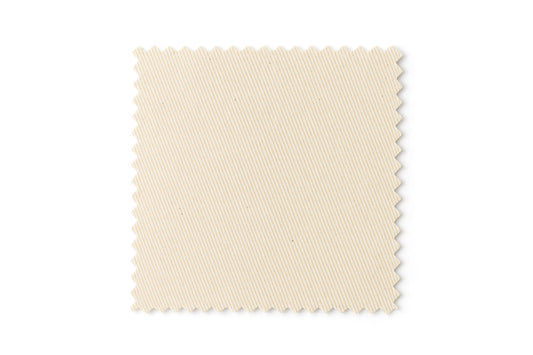
A different cotton item may have stricter care requirements. The Natural 100% Cotton Fabric Futon Mattress Cover - Natural is listed as spot-clean or dry-clean only. Its unbleached cotton fabric and zipper closure do not make it machine-washable, so follow that item's care instruction instead of applying a sheet-washing routine.

Wash Frequency and Long-Term Sheet Care

Wash sheets about once a week, staying within the 7–10 day range for ordinary use. Shorten that interval when the bedroom is hot, you sleep warm, or the fabric receives more sweat and body oil. Weekly laundering is a practical baseline, with adjustments for allergies, pets, sweating, and illness, as outlined in this sheet-washing guidance from Naturepedic.
Keep two or three sheet sets in rotation. Changing sets spreads friction across the collection and lets each fitted sheet rest between uses. Sort by color, wash compatible pieces together, and leave space in the drum. Organic cotton needs room to move freely through washing and rinsing, especially because it lacks softener coatings that can temporarily mask fiber stress.
Store bedding only after it is fully dry. A breathable cotton or linen bag, or a ventilated cupboard, allows residual moisture to escape. Plastic storage can trap dampness against natural fibers and encourage mildew. Keep the storage area cool, dry, and protected from strong direct sunlight.
GOTS certification may explain why a sheet creases more readily and lacks a chemically created crisp or silky surface. Restricted finishing inputs leave the cotton closer to its natural behavior. OEKO-TEX Standard 100 addresses harmful substances in textiles, so it serves a different purpose from GOTS organic-textile certification.
Use the same caution with accessories such as organic cotton mattress protectors. Elastic, closures, quilting, and other construction details can change the care requirement. For delicate household textiles that cannot be washed at home, professional rug cleaning for delicate textiles illustrates why the item's own label should take priority over a general sheet routine.
Frequently Asked Questions About Organic Cotton Sheet Care
Can you bleach organic cotton sheets?
Avoid chlorine bleach, which can weaken cotton cellulose and contribute to yellowing. Oxygen bleach is a gentler option, but use it only when the care label permits it and follow the product instructions.
Why do new sheets feel stiff at first?
Organic cotton sheets often lack resin finishes, optical brighteners, and softener coatings. Natural residues or manufacturing starches may remain after production, so the fabric can feel firm until several washes remove them. Softness should develop through laundering, not through added coating.
Do organic cotton sheets shrink?
Some shrinkage is normal. Tumbling can contribute substantially, so moderate temperatures, gentle movement, and low-heat drying help limit dimensional change. The Textile World cotton shrinkage research explains why drying action matters.
How often should you wash them?
Weekly washing is a practical baseline. Wash more often in hot conditions or after illness, and rotate sets to spread wear.
Can you tumble dry organic cotton sheets?
Yes, if the label permits it. Choose low heat, remove the sheets promptly, and skip dryer sheets, which can leave a coating on absorbent fibers.
What about vinegar?
A small amount in the rinse may help with detergent residue. Never combine vinegar with chlorine bleach.
Will hard water affect them?
Minerals can leave cotton feeling rough and make rinsing less effective. An extra rinse or suitable water-softening method may help.
Will direct sun fade them?
UV exposure can fade dyed sheets, while it may brighten white or undyed cotton. Use direct sunlight selectively, especially with darker colors.
For further options, browse Comfort Pure's bed sheets collection. The care label remains the final authority for washing temperature and drying.
The final verdict
The most reliable way to wash organic cotton sheets is to treat them as absorbent, uncoated cotton, not as a coated fabric that needs aggressive detergent or added softness. Wash at 30–40°C for routine care, use a mild liquid detergent without bleach or brighteners, skip fabric softener and dryer sheets, and dry with low heat or on a line. Use 60°C only when the label allows it and hygiene has a clear priority, because hotter washing trades fabric longevity for stronger soil and hygiene performance.
Keep stains out of the dryer, store sheets fully dry, and accept some wrinkling as part of a natural finish. When you need to refresh a complete sleep setup, you can compare bed sheets, bedding, comforters, and mattress protectors while matching each item's care label to its construction.
If your organic sheets are ready for their next wash, sort them by color, set the machine to 30–40°C, measure a mild detergent carefully, and choose low-heat or line drying. Check the label before using any hotter hygiene cycle, then put the clean, fully dry bedding back into rotation.