
Convertible Twin Beds: A Practical Buyer's Guide
Convertible twin beds usually fall into five mechanically different categories: a futon chair twin sleeper, daybed with trundle, bunk that separates into two twins, captain's bed with pull-out, and tri-fold frame. The key decision is how often the bed will convert, because a piece used every night needs different construction from one opened for quarterly guests.
You may be furnishing a studio where the sofa must become a bed, a home office that needs to host one visitor, or a children's room that has to handle changing arrangements. Retail listings often group all of these under one phrase, even though the mechanisms, floor clearance, mattresses, and daily effort vary sharply.
What a Convertible Twin Bed Actually Means
A convertible twin bed uses a twin-sized sleeping surface or footprint and changes into another arrangement without replacing the main frame. That second arrangement might be seating, a second sleeping level, a separate twin bed, or a folded guest frame.
The phrase is ambiguous because a bunk-to-twin system, a trundle daybed, and a folding futon frame solve different problems. A bunk may separate into two beds, while a trundle rolls out beneath a daybed. A futon chair becomes seating during the day, but its mattress and hinge system are unlike those of a storage bed with a pull-out drawer.
Start with the conversion schedule
Most buyers are solving one of three space problems:
- Guest capacity: A spare room or office needs a second sleeping surface without staying bedroom-like every day.
- Shared children's rooms: One room needs flexible sleeping arrangements as children grow.
- Multi-use living: A studio or small apartment needs one piece to work as seating and sleeping furniture.
The right choice depends less on the word “convertible” than on how often you'll operate the mechanism. Daily conversion demands accessible handles, durable runners, simple joints, and a mattress you'll tolerate every night. Occasional use allows more compromise in comfort and effort.
The broader idea has a long history. Double-duty bed designs appeared in U.S. patent records in 1885, and sofa-bed products moved into commercial use in the 1930s, according to this history of convertible furniture. Twin beds themselves became a recognized modern bedroom form by the 1890s, replacing earlier terms such as the “single bed system,” as described in research on modern twin-bed design.
If you're also comparing stacked configurations, a helpful planning reference is full size bunk bed dimensions, especially when a room may later accommodate something larger than twin mattresses.
The Five Types of Convertible Twin Beds
Each type makes a different bargain between compact storage and usable sleep space. The mechanism determines how much work you'll do, while the mattress determines whether the bed feels like a permanent sleeping surface or a practical backup.
Futon chair twin sleeper
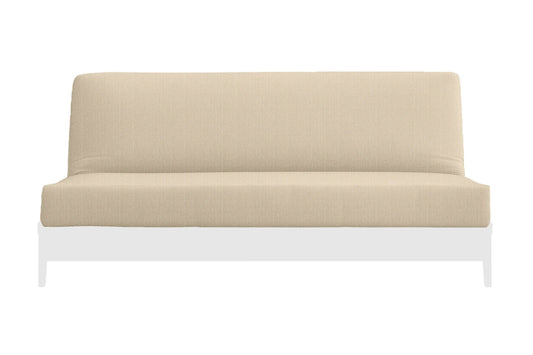
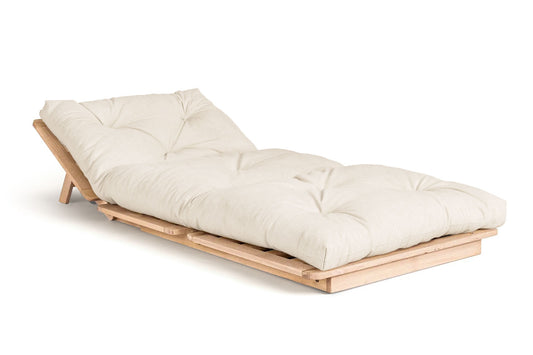
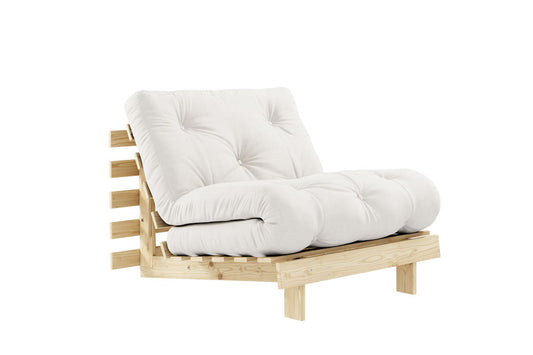
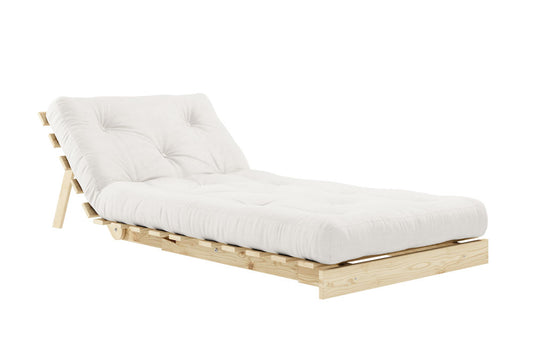
This is an upholstered chair or compact seat that folds open into a twin sleeping surface. The back and seat usually hinge forward, so conversion takes moderate effort and requires the surrounding floor to stay clear.
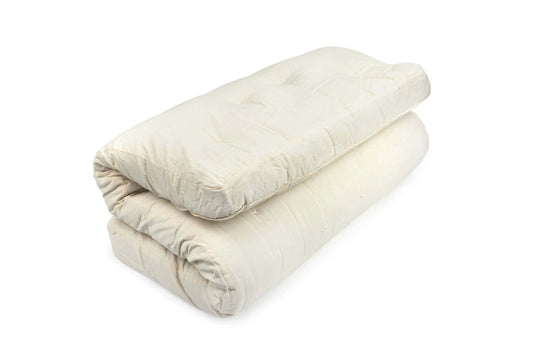
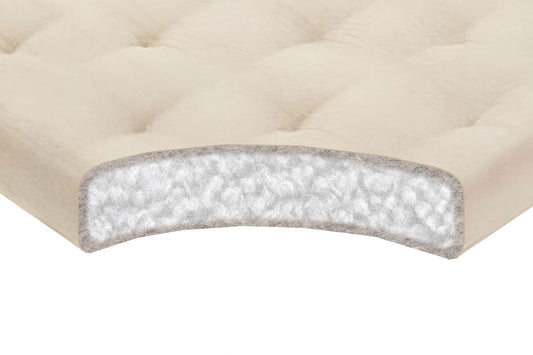
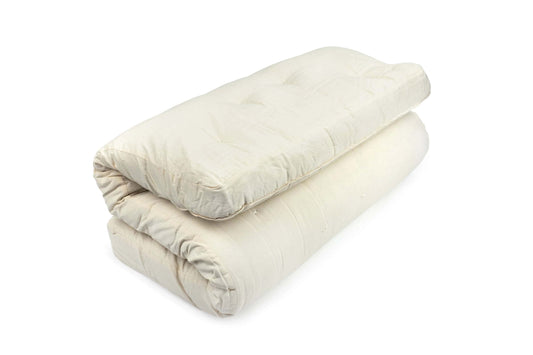
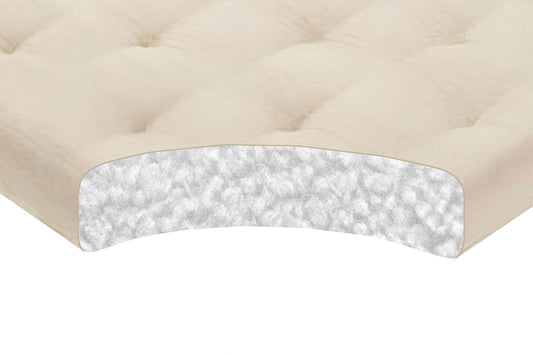
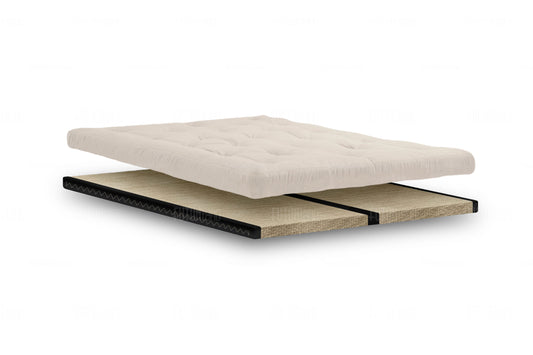
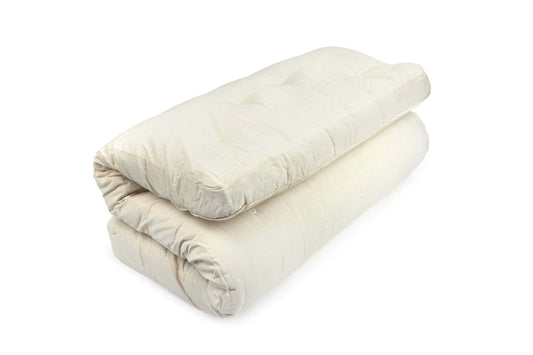
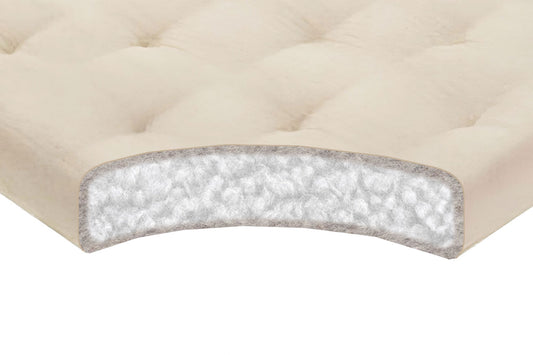
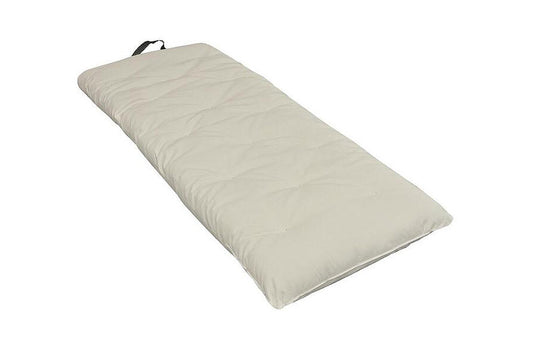
It generally uses a dedicated futon mattress rather than a standard twin innerspring. The planning range in the supplied product guidance is typically 6 to 8 inches for a chair-style futon, although some compact designs use a thinner 5 to 6 inch futon mattress. Check the frame's exact requirement before buying replacement bedding.
This type suits a studio, reading room, or home office where seating has real value. It's less convincing as a nightly adult bed because the folding zones and thinner mattress can create uneven support.
The futon chair and twin sleeper collection is the relevant category when daytime seating matters as much as the guest bed.
Daybed with trundle
A daybed keeps a twin mattress in a raised frame and stores a second twin mattress on casters underneath. Pulling the lower bed out is usually low effort, but the trundle sits close to the floor and needs enough room to roll fully clear.
The upper mattress can often be a standard twin, while the trundle commonly needs a 6 to 8 inch mattress so it fits below the daybed rails. This arrangement is well suited to children's rooms, guest rooms, and occasional visitors.
The main compromise is height. The lower sleeper can be harder for some adults to enter and leave, and the thin mattress leaves less room for luxurious bedding. For broader small-space furniture context, this convertible furniture guide is useful because it compares how different pieces behave when they must serve more than one role.
Bunk that separates into two twins
A separable bunk starts as two stacked twin beds. Depending on the design, the beds unhook, detach, or roll apart so each becomes a standalone twin. Conversion is moderate, and separating the frames usually takes more planning than pulling out a trundle.
The advantage is mattress compatibility. Each level generally accepts a standard twin mattress, subject to the manufacturer's guardrail and thickness requirements. This makes the format useful for siblings, teens, or a guest room that may later need two separate beds.
It's not an arrangement to change casually every day. You'll need clear floor space, and a second person may be necessary to handle the frame safely.
Captain's bed with pull-out
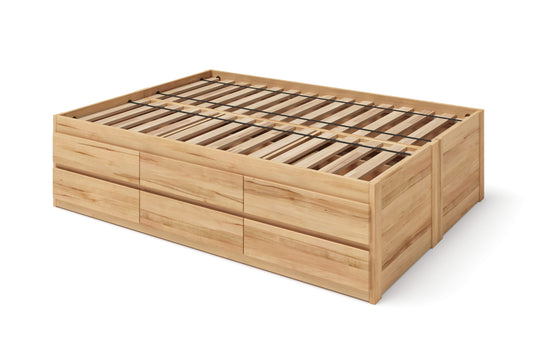
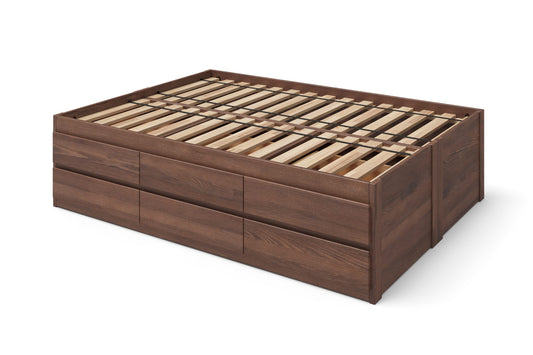
A captain's twin bed combines drawers or storage compartments with a lower trundle or pull-out bed. The mechanism is usually a drawer-like platform on casters, so the conversion effort is low and the primary footprint stays compact until the lower bed is extended.
This suits a child, teen, or adult who needs storage and an occasional second sleeper. The pull-out can be a strong choice for daily use when the frame has sturdy runners and the lower mattress is properly supported, but the sleeping height remains lower than the main bed.
Tri-fold frame
A tri-fold frame uses hinged sections that fold flat for storage and open into a twin sleeping surface. It's quick to deploy and easy to store in a closet, which makes it practical for occasional guests.
The trade-off is repeated cycling. Hinges, folding brackets, and locking points receive more wear than the simple runners in a trundle. A tri-fold frame is usually a guest solution, not the foundation of a nightly bed.
Comparing the Five Types Side by Side
The table below focuses on the factors that affect real use, not just showroom appearance. “Converted footprint” means the space occupied when the additional sleeping surface is ready.
| Type | Mechanism | Converted Footprint | Conversion Effort | Mattress Type | Best For |
|---|---|---|---|---|---|
| Futon chair twin sleeper | Folding upholstered seat and back | Chair footprint becomes a twin sleeping surface | Moderate | Dedicated futon mattress, commonly 5 to 8 inches | Studio seating and occasional guests |
| Daybed with trundle | Casters roll a second bed from below | Daybed length plus the full trundle extension | Low | Standard twin above, commonly 6 to 8 inch trundle mattress | Kids' rooms and occasional second sleepers |
| Bunk that separates | Stacked frames unhook or roll apart | Two separate twin footprints | Moderate | Standard twin mattresses, subject to guardrail limits | Siblings, teens, and flexible guest rooms |
| Captain's bed with pull-out | Drawer bed or trundle rolls from below | Main bed plus lower-bed extension | Low | Twin mattress with pull-out thickness limit | Storage-focused rooms and regular second-bed use |
| Tri-fold frame | Hinged sections fold flat and open | Folded storage footprint becomes a twin | Low | Compatible folding or foam mattress | Infrequent guests and closet storage |
The simplest daily-use choices are usually the daybed with trundle and captain's bed with pull-out because their moving parts are limited to runners and casters. A bunk that separates can handle regular sleeping well, but separating it often requires more than one person and an empty path.
Futon chair sleepers and tri-fold frames are more convenient to store, but their joints and hinges can wear faster when cycled nightly. A futon also needs a thicker, firmer mattress to reduce the chance of a pronounced fold or sag. The relevant European mechanism standard, BS EN 13759:2012, addresses operating mechanisms for seating and sofa-beds, treating cyclic operation and mechanism integrity as concerns separate from basic frame strength. The standard is summarized by BSI's furniture operating mechanism guidance.
Footprint, Clearance, and Mattress Fit
A bed can fit on paper and still fail in daily use because the person operating it can't pull it out, unfold it, or walk around it. Measure the room in its ordinary mode, then measure the path required when the sleeping surface is open.
A daybed with trundle roughly doubles its usable length when extended. Leave the full length of the lower bed plus a little operating room on the drawer side. A bunk that separates changes the problem differently. Instead of extending length, it widens the arrangement, requiring about 38 inches of bed depth for each twin footprint in the separated layout.
Tri-fold frames and futon chair sleepers need the most careful floor test. Once opened, they can require more than 70 inches of clear floor, depending on the frame and mattress design. Don't measure only wall to wall. Include desk legs, radiator covers, door swings, and the route to the closet.

Mattress rules are not interchangeable
A standard twin mattress is about 38 to 39 inches wide and 75 inches long, but the frame's interior dimensions control the actual fit. Use the manufacturer's stated size rather than assuming every “twin” opening is identical. The mattress size guide can help you compare standard formats before ordering.
Trundles often cap mattress thickness at 6 to 8 inches. Captain's bed pull-outs commonly have a similar height constraint, often around 8 inches, because the mattress must clear the upper frame. Bunk beds require particular care. Published convertible-bed instructions call for a standard twin mattress around 74 to 75 inches by 38 inches, with thickness limits around 7 inches so the sleeping surface stays below the guardrails, as shown in these twin bunk mattress specifications.
A futon chair needs its dedicated futon mattress. A standard innerspring usually won't fold correctly through the chair mechanism. Before buying, use this practical resource to find your perfect mattress size, then verify thickness and corner shape with the frame maker.
For alternative mattress options, browse the mattress collection only after confirming the frame's exact clearance.
Who Each Type Suits and How Often It Really Converts
The useful question isn't just whether the frame can convert. Ask whether you'll still want to convert it after making the bed, storing pillows, and moving nearby furniture.
A child in a shared room may use a bunk-to-twin setup during a room change, then leave the beds separated for a long period. A teen may need two independent twins after moving out of a bunk arrangement. An adult hosting relatives a few times a year can accept a lower trundle, while an adult sleeping on the piece every night needs a proper mattress height, stable support, and easy access.
| User Profile | Best Type | Weight Limit | Conversion Frequency |
|---|---|---|---|
| Child in a shared room | Bunk that separates or daybed with trundle | Use the manufacturer's stated limit for each sleeping level | Occasional arrangement changes or regular second-bed use |
| Teen moving from a bunk | Bunk that separates | Confirm the separate-bed rating before use | Infrequent separation, then daily sleeping |
| Adult in a studio | Futon chair twin sleeper | Confirm the chair and sleeping-mode ratings separately | Daily conversion only if the mechanism and mattress are rated for it |
| Adult guest | Captain's pull-out or tri-fold frame | Check the frame, slats, and mattress support rating | Occasional use |
| Two adults in a guest room | Two appropriate twin frames, not one twin sleeper | Verify each frame's rating | Occasional room reconfiguration |
Weight limits vary by frame, configuration, and sleeping level, so a listing that omits the number deserves caution. Don't infer an adult rating from a heavy-looking headboard. Ask for the limit in the exact mode you'll use, especially for a top bunk, pull-out platform, or folding chair.
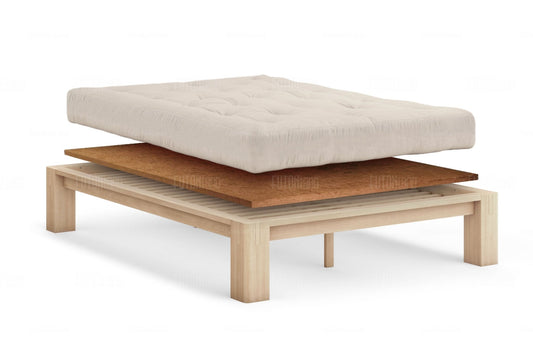
For a fixed, non-converting alternative, the Japanese Tatami Platform Bed with Slatted Headboard uses 100% solid Indonesian mahogany hardwood, wooden slats, and interlocking joinery without screws or brackets. It pairs best with a Tatami mat or plywood over the slats, and its legs can be made to order from 8 to 16 inches. It won't provide a second sleeping surface, but its simpler construction may suit someone who has decided that conversion is rarely needed.
The daybed collection is more relevant when the upper bed should remain usable as a daily sleeping surface while the lower bed appears only when needed.
Buying Checklist for a Long-Lasting Convertible Twin
Inspect the parts that move or carry concentrated load, not just the visible headboard. A solid-wood drawer front doesn't tell you whether the runners, folding brackets, or slat supports will remain aligned.
- Stress points: Look for solid construction around drawer rails, trundle runners, casters, folding brackets, and hinge mounts.
- Finish information: Ask about low-chemical finishes and low-VOC certifications, particularly for compact rooms with limited ventilation.
- Mattress clearance: Confirm the maximum thickness in writing. A mattress that fits the length can still sit too high for guardrails or fail to slide below the upper bed.
- Sheet fit: Verify whether the open configuration accepts standard twin sheets. Futon mattresses often need dedicated covers.
- Mechanism testing: Operate the frame in a showroom or watch a complete demonstration video. Listen for binding, scraping, and uneven movement.
- Assembly method: Bolt-and-barrel construction usually disassembles more cleanly for future moves. Welded frames may be harder to take through a narrow doorway.
- Replacement parts: Ask whether casters, slats, runners, hinges, and hardware can be replaced separately.

Responsible sourcing also matters. Solid wood at the stress points can be more useful than decorative wood on a headboard, while repairable hardware extends the practical life of a convertible frame.
Final Verdict and Common Questions
Choose a daybed with trundle or captain's pull-out when the second bed will appear regularly. Choose a futon chair sleeper or tri-fold frame when storage and occasional guests matter more than nightly comfort. Choose a separable bunk when the room needs two independent twins later.
Decision rule: Match the mechanism to the conversion schedule, then confirm the open footprint and mattress clearance before comparing finishes.
Frequently asked questions
What are standard twin dimensions?
A standard twin mattress is approximately 39 by 75 inches. Frame interiors can vary, so check the manufacturer's measurements.
Do standard twin sheets fit a daybed and trundle?
They usually fit standard twin mattresses, but a trundle often uses a thinner mattress. Deep-pocket sheets may be loose or difficult to manage.
How thick can a trundle mattress be?
Many trundles accept about 6 to 8 inches, but the frame's specified maximum controls.
Are daybeds suitable for nightly adult sleep?
The upper bed can be, if its frame, slats, and mattress support are designed for regular use. The lower trundle is often less comfortable because it sits low and accepts a thinner mattress.
How does a bunk separate into two beds?
The stacked frames typically unhook, detach, or roll apart. Clear the room first, and use a second person if the frame is heavy or awkward.
Can two adults use convertible twin beds?
Yes, if each frame's stated weight limit and mattress support suit the users. A twin surface still accommodates one adult at a time.
Can I replace the mattress with any twin model?
No. Check length, width, thickness, folding ability, and guardrail clearance. Futon chair sleepers require a compatible futon mattress.
Measure your room in both configurations, decide whether the bed will convert daily or only for guests, and verify the mattress thickness and weight rating before ordering. If you're still comparing formats, review the futon frames collection, bunk beds collection, captain's beds collection, and storage drawers collection, then read the existing guides on daybeds versus futons, bi-fold and tri-fold frames, and shared kids' rooms before making your final floor-plan decision.