
Bunk Bed Cost: What You Actually Pay For
Basic bunk beds run $150–$400, mid-range models $400–$800, and high-end solid-wood or feature-rich versions $800–$2,000 or more. Once you add two mattresses, safety hardware, bedding, and optional storage, the total system cost can rise sharply.
You're probably comparing listings that look similar in photos, yet sit hundreds or even thousands of dollars apart. One has a simple metal frame. Another has thick wood posts, stairs, drawers, and a finish designed to withstand years of use. The important question isn't only “What's the bunk bed cost?” It's what does the complete sleeping system include, and how long will it remain useful?
Why Bunk Bed Prices Vary So Dramatically
A parent furnishing a shared bedroom, or a small-space buyer trying to free up floor area, can find basic bunk beds around $150 to $400, mid-range models from $400 to $800, and high-end versions from $800 to more than $2,000. Those market bands reflect materials, finish, construction, and add-ons such as drawers, trundles, desks, and storage, as outlined in this bunk bed pricing guide.

The spread feels unreasonable when you compare only silhouettes. A low-priced frame may use lightweight materials, basic slats, and simple bolt connections. A premium design may use solid timber, reinforced joints, a more demanding finish, integrated stairs, and components that can be removed and rebuilt without destroying the frame.
The three price drivers
Material is usually the largest driver. Solid hardwood costs more than engineered panels because it provides a denser structural material and can often be repaired or refinished. Metal can offer strength with a different look and feel, while particleboard or MDF with laminate keeps the initial price down.
Configuration changes the amount of material and engineering required. A twin-over-twin is the simplest common layout. A larger lower bed, L-shaped arrangement, loft workspace, stair access, or built-in storage adds weight, complexity, and manufacturing time.
The complete system costs more than the frame. You'll usually need two mattresses, and you may also need bedding for two sleepers, a trundle, drawers, or a foundation component. The frame price is only the starting point.
| Price driver | What it means | Cost impact direction and rough magnitude |
|---|---|---|
| Material | Hardwood, metal, particleboard, or MDF construction | Lower for lightweight panels, higher for solid wood |
| Configuration | Twin, full, loft, L-shaped, or storage layout | Larger and more complex designs cost more |
| Convertibility | Whether the bunk separates into two beds | Higher upfront cost, potentially better long-term value |
| Construction | Slats, joints, bolts, rails, and hardware | Stronger systems move the price upward |
| Safety design | Guardrails, ladder or stairs, secure attachments | Compliance and robust hardware add cost |
| Add-ons | Trundle, drawers, desk, or shelving | Can materially increase the final purchase total |
The practical way to read the market is to stop treating bunk bed cost as one number. It's a combination of the frame, the sleeping surfaces, the safety system, and the room-specific features you'll use.
Materials Drive the Price More Than Anything Else
The most important difference between a budget bunk and a premium bunk often sits behind the finish. Product photos can't show whether the posts are solid hardwood, thin metal tubing, or engineered panels covered with a decorative laminate.

Solid hardwood
Solid oak, maple, birch, and similar hardwoods generally occupy the premium end of the market. They're dense, stable, and better suited to repeated assembly, tightening, and eventual separation into standalone beds. A good finish can also be renewed instead of discarded when the surface becomes marked.
That doesn't mean every solid-wood bunk is automatically well made. Inspect the rail thickness, slat support, joint design, and hardware specification. A hardwood frame with weak connections can still disappoint.
Look for precise wording such as “solid wood,” “solid birch,” or “solid hardwood.” If the listing says only “wood finish,” “wood-look,” or “wood style,” ask what sits beneath the surface.
Metal tubing
Metal frames can occupy a broad middle range. They're often strong for their weight and may suit a modern room, a guest space, or a buyer who prefers a slim visual profile. The trade-off is feel. Some metal bunks look and feel more utilitarian, and hollow tubing can transmit movement or noise if the connections aren't well engineered.
Check the product page for metal type, tube construction, weld quality, and the fastening system. “Metal frame” tells you more than “steel finish,” which may describe appearance rather than structure.
Particleboard and MDF with laminate
Particleboard and MDF are engineered wood products. Manufacturers cover them with laminate, foil, or veneer to create a consistent surface at a lower initial price. This approach can work for light, short-term use, but the weak points often appear at screw holes and joints.
Panels can swell if exposed to moisture. Repeated disassembly may strip the connection points. A bunk that moves at the joints can become noisy and frustrating well before the finish looks worn.
For a more deliberate material comparison, review the solid-wood bed collection, then compare its construction language with listings that use “engineered wood” or “laminated panel.” The goal isn't to reject every budget frame. It's to know what you're paying for and whether it matches your intended use.
Practical rule: If a product page avoids naming the structural material, treat that omission as a reason to ask questions before buying.
Configuration and Size Change the Math Entirely
Configuration affects both the footprint and the frame's workload. A twin-over-twin is usually the baseline because both sleeping surfaces use the same compact mattress size. It suits shared children's rooms and keeps the overall structure relatively straightforward.
A twin-over-full gives the lower sleeper more room, but the wider base needs larger rails, slats, and support points. A full-over-full uses more material again and may require a frame designed for higher loads. These layouts can be useful when one sleeper is older, taller, or likely to use the bed longer.

Choosing the shape
An L-shaped bunk uses more floor area than a straight stack but can create useful separation between sleepers. A loft bed removes the lower sleeping surface and may add a desk, shelves, or play area. These designs command more because the frame has to perform several jobs while fitting around furniture and circulation space.
A compact bedroom may make a loft or captain's bed collection more practical than a conventional bunk. Measure the usable floor area, window placement, door swing, and ceiling clearance before comparing finishes.
The strongest value reframe is convertibility. A bunk that separates into two standalone beds isn't just one bed with an extra level. It's two future beds in a temporary stacked arrangement. A $1,200 convertible bunk becomes $600 per bed when divided into two equal twin beds, though the actual value still depends on construction, condition, and whether the conversion hardware is included.
That changes resale potential too. A family may use the bunk configuration while children share a room, then separate the frames when they need individual rooms. A fixed, low-cost bunk has fewer future uses. For a visual example of a higher-end design, compare this premium bunk bed for children and check whether the construction supports the room changes you expect.
The Hidden Costs That Aren't in the Sticker Price
A family can choose a frame within budget and still overspend before anyone sleeps in it. Price the bunk as a complete system: frame, two mattresses, safety hardware, foundations, bedding, and any storage or guest-bed add-ons.

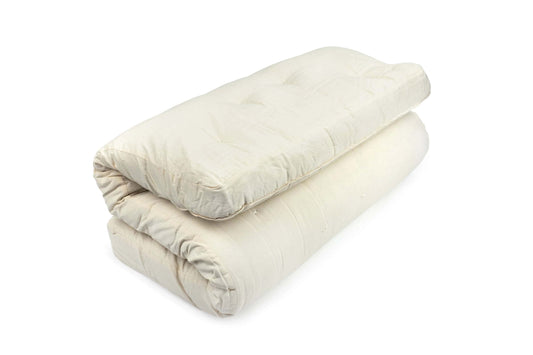
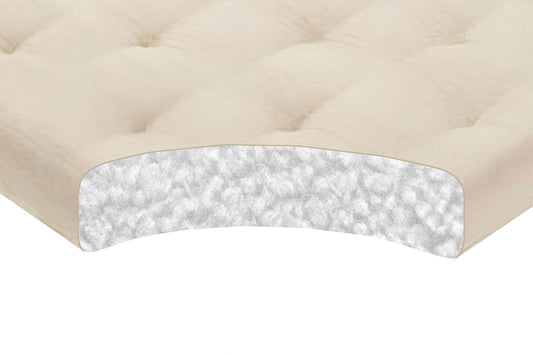
Two mattresses are often the largest omitted expense, particularly when the upper bunk has a strict thickness limit. Sheets, protectors, pillows, and blankets also need to cover two sleepers. Check whether the frame includes usable slats or requires additional mattress foundation components, then confirm the support requirements before buying mattresses.
A trundle or drawer system changes the purchase from a basic frame into a larger furniture package. One kids-furniture listing shows separate underbed trundle drawers around $269 to $359, while a bunk bed with a trundle was listed at $2,189. Those figures show how quickly added sleep or storage capacity changes the total underbed cost.
Total system cost breakdown
| Component | Typical cost range | Notes |
|---|---|---|
| Frame | Varies from basic to premium market bands | Material, size, safety design, and features set the starting point |
| Two mattresses | Varies by material and construction | Match the required dimensions and upper-bunk thickness limit |
| Trundle | Roughly $269–$359 for cited drawer examples | Often sold separately, check compatibility |
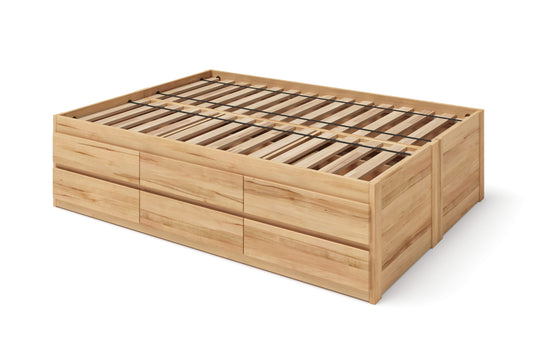
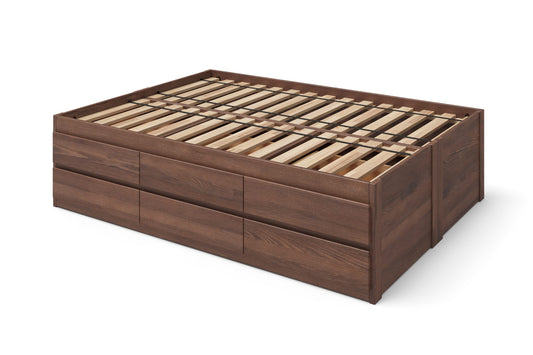
| Storage | Varies by drawer and shelving design | Integrated storage increases frame complexity |
| Bedding for two | Varies by quality and what you already own | Include sheets, protectors, pillows, and blankets |
| Mattress foundation components | Varies by frame design | Confirm whether slats provide sufficient support |
Mattress thickness affects safety as well as cost. Guardrail height is measured from the mattress surface, not the slats, so a thick upper mattress reduces the effective rail height. Some safety guidance recommends keeping the top mattress at or under 6 inches to preserve the intended protection margin. Follow the bed's instructions and mattress size guide before ordering.
Convertible designs also change the value calculation. A bunk that separates into two standalone beds provides two future sleeping surfaces, so compare its complete system cost with buying two separate beds. A lower sticker price can still produce a higher total if the frame excludes a trundle, foundation, compatible mattresses, or required accessories. Compare the usable setup, not just the first product tile.
Safety and Construction Quality Cost Real Money
A bunk bed can look inexpensive until you compare the safety hardware, connection quality, and weight rating included in the system. In the United States, children's bunk beds must comply with ASTM F1427 and 16 CFR Part 1513. Requirements include guardrails on both sides of the upper bunk, openings no larger than 3.5 inches, and a guardrail top at least 5 inches above the mattress surface. The mattress therefore affects the usable protection margin. These requirements are summarized in this bunk bed safety guidance.
The U.S. Consumer Product Safety Commission requirements also specify two upper-bunk guardrails, one on each side, with secure attachment that prevents easy removal. Compliance requires controlled dimensions, suitable fasteners, and testing of the assembled bed. Those details add manufacturing cost, but they also reduce the chance that rails or joints loosen during ordinary use.
Where construction earns its price
Check the joinery, or the way frame members connect. Properly supported rails, well-designed bolts, and hardware that can be tightened without stripping generally hold up better through moves and routine maintenance. Shallow screws driven into panels and small connection points may loosen or wear each time the bed is relocated.
Slats affect both support and durability. Thin or widely spaced slats can flex, shift, or transfer extra stress to the side rails. Product specifications should identify the slat material, support points, and mattress requirements rather than listing only a general weight limit.
Weight capacity also changes the frame design. Adult-duty models commonly advertise total capacities in the 400 to 800 pound range. Published adult examples can start around $479 for solid wood and exceed $1,000 for heavier custom or upholstered designs, according to this adult bunk bed safety and pricing guide. Higher ratings usually require thicker stock, stronger fasteners, and more reinforced frame geometry.
A staircase adds structure, floor area, and sometimes drawers or handholds. A ladder is simpler and usually costs less, while stairs may provide easier daily access for some households. Compare the complete system, including the frame, safety hardware, mattresses, and any access or storage add-ons, rather than judging the frame price alone.
Cost Over Time and Smart Budgeting Strategies
A cheaper bunk can be sensible for a guest room or a short-term arrangement. It's less convincing when two children will use it every night and the frame may need to be moved, tightened, or separated later.
For long-term value, prioritize solid construction, compliant safety hardware, and convertibility before decorative panels, built-in lights, or novelty features. A frame that separates into two beds gives you more ways to use the purchase as the household changes.
Match the spend to the use
Choose a mid-range frame when the room is temporary, the bed will see occasional use, or you don't need future separation. Spend more when multiple children will use the bed for years, when an adult may use it, or when the room depends on integrated storage to function.
Before buying a low-priced model, check these details:
- Structural material: Confirm whether the frame is solid wood, metal, MDF, or particleboard.
- Connection hardware: Look for bolts, reinforced joints, and replacement hardware availability.
- Slat support: Check the slat material, spacing, and how the slats attach to the rails.
- Conversion design: Confirm whether the bunk separates and whether both standalone beds remain stable.
- Safety documentation: Verify guardrail dimensions, mattress limits, and secure ladder attachment.
- Room fit: Measure ceiling height, ladder clearance, stair projection, and access around the bed.
- Finish information: Look for clear details about the coating, curing, care, and ventilation during setup.
A well-built frame should survive careful reassembly better than a panel-based frame with stripped holes. Keep the hardware organized, don't over-tighten into engineered panels, and retighten accessible bolts during routine checks. For related planning, review the guides on bunk bed mattresses, bunk bed safety, twin-over-twin versus twin-over-full, bunk beds for adults, and when a child is ready for a bunk bed.
The final verdict
The bunk bed cost is the price of a complete system, not the frame alone. Basic models fall around $150–$400, mid-range models around $400–$800, and high-end versions from $800 to more than $2,000, with materials, configuration, safety engineering, and add-ons responsible for most of the difference.
A sensible budget starts with two compatible mattresses and compliant guardrails. Then assess the frame material, joint hardware, slat support, weight rating, and whether the bed separates into two useful standalone beds. Spend less on decoration if necessary, but don't cut corners on the structure that carries two sleepers.
For a room that needs storage, compare storage drawers with integrated bunk options. For broader bedroom planning, browse all beds or the bunk bed collection. Comfort Pure is one option for buyers comparing solid-wood frames and bedroom storage in a simple, natural style.
Frequently asked questions
Why are bunk beds so expensive?
A bunk bed combines two sleeping positions in one structure, plus guardrails, ladder connections, slats, and load-bearing joints. Solid hardwood, larger configurations, stairs, trundles, storage, and convertible hardware all raise the price. The frame also needs to remain stable under repeated climbing and movement.
Are solid wood bunks worth it over metal?
Solid wood is often worth the premium when you need a warm appearance, repeated assembly, refinishing potential, or conversion into separate beds. Metal can be a practical choice when you prefer a lighter visual profile and a straightforward frame. Compare the actual rail thickness, joints, slats, warranty, and weight rating rather than choosing by material label alone.
How much should you budget in total?
Start with the frame's price band, then add two mattresses, bedding for two, and any required foundation parts. Add a trundle, drawers, or stairs only if they solve a real room problem. The final total can be substantially higher than the frame listing, particularly when the bed includes extra sleep capacity or storage.
Do you need special mattresses?
You need mattresses in the dimensions specified by the frame, and the upper mattress may have a maximum thickness. Because the guardrail measurement is taken from the mattress surface, don't substitute a thicker mattress without confirming that it preserves the required clearance.
Is a stair bunk worth the premium?
A stair bunk can be worth more when everyday access, storage, or a wider stepping surface matters to your household. It also takes more floor space and usually involves more material and construction. Measure the stair projection before deciding.
How long do bunk beds last?
Lifespan depends on material, joint design, slat support, assembly, use, and maintenance. A frame that loosens, wobbles, develops cracks, or has slats that no longer support the mattress needs attention. A convertible design can remain useful longer because it adapts when children no longer share one room.
Can a bunk bed be reassembled after moving?
Some can, especially when the frame uses strong bolts and clearly designed connection points. Repeated disassembly is harder on particleboard and MDF because fastener holes can strip. Keep the original hardware, follow the assembly instructions, and inspect every joint before reuse.
What does a low bunk bed price usually indicate?
It may indicate lightweight materials, fewer features, simpler hardware, a separate trundle, or an unfinished system that still needs mattresses and bedding. It doesn't automatically mean the bed is unsafe, but you should verify the material, guardrail dimensions, mattress limits, weight rating, and connection quality before purchase.
Explore bunk beds and compare the frame details, configuration, and included components before you buy. Build your budget around the complete room setup, then choose the design that will remain useful after the bunk arrangement changes.