
Best Floor Mattress for Adults: A Practical Buying Guide
Quick answer: the best floor mattress for adults isn't the softest pad or the cheapest tri-fold. Choose a breathable, resilient core, enough thickness for your weight, and a base that lets moisture escape. For nightly use, most adults should look at 6 to 8 inches, then plan how the mattress will be aired and stored.
The advice to put a thin futon on the floor misses the problem that ends many floor-sleeping setups: moisture trapped underneath. A mattress can feel comfortable on the first night and still develop odor, dampness, or mold risk because the underside has no ventilation. Support matters just as much. A surface that compresses through the night can leave your shoulders and hips pressing against the floor.
Sleeping close to the ground has a long human history. The oldest known mattress, found in Sibudu Cave in South Africa, dates to about 77,000 years ago and used compacted reeds, rushes, and leaves with insecticidal properties, as described by the Sleep Foundation's overview of sleeping on the floor. That history shows that low-profile sleep is not a modern fad. It doesn't prove that a hard floor is automatically good for an adult's back.
The practical question is more useful: can the mattress support an adult night after night, and can the whole setup stay dry?
Why Most Floor Mattresses Fail Adults
Most products labeled as floor mattresses are built for occasional use, not for an adult sleeping on them every night. Camping pads, children's nap mats, and soft guest tri-folds prioritize light weight, low storage volume, or initial softness. Those priorities are reasonable for a guest room or travel kit. They're less suitable when the mattress carries an adult's weight for years.
Two failure points appear repeatedly. The first is a non-breathable underside. Foam placed directly on a cool floor can hold humidity between the mattress and the surface, especially when a cover, rug, or protector seals the bottom. The second is inadequate support. A thin or low-density core may feel padded while you're lying down, then compress far enough for the hips and shoulders to approach the floor.
A soft, quilted tri-fold may work for a visitor who sleeps on it occasionally. It usually isn't the right basis for nightly adult use, particularly when the user is a side sleeper or carries more weight around the hips and shoulders. Memory foam can create another problem on the floor. Its slow recovery and limited underside airflow make it a poor match for a setup that must release moisture every morning.
The support threshold
Thickness alone doesn't determine durability. A thick mattress with a weak core can bottom out, while a firmer, resilient construction can provide better support at a lower profile. Independent futon guidance generally places 4 to 6 inches as a practical minimum for basic adult cushioning, 6 to 8 inches as the more useful all-purpose range, and 8 to 10 inches for nightly primary-bed use where extra pressure relief and resistance to floor contact matter. See the futon mattress thickness guidance for the distinction between occasional and regular use.
As a working rule, adults below 160 pounds may find a firm 3 to 4 inch construction usable, while heavier sleepers generally need 4 to 6 inches or more, depending on sleeping position and core material. Those ranges are starting points, not guarantees. A 3-inch shikibuton may suit a lighter back sleeper and feel plainly insufficient to a 220-pound side sleeper.
Practical rule: Judge a floor mattress by what supports your body after compression, not by its uncompressed showroom thickness.
The rest of the buying decision follows these two requirements. Choose materials that retain support, then choose a breathable way to get air under the mattress.
The Moisture Problem and How to Solve It
A mattress on the floor has little or no ventilation underneath. Humidity from the sleeper can move into the cover and filling, but the underside cannot release it efficiently. On a cool floor, that moisture can condense beneath the mattress and leave the floor-facing fabric damp. Repeated dampness creates conditions associated with musty odor and mold growth.
The first signs are practical rather than dramatic. Check the underside for dark blotches, a damp feel, or a sweet, stale smell that becomes noticeable when you fold the mattress. A room with persistent humidity deserves extra caution. This guide to managing indoor humidity in Florida offers useful broader context for how humid indoor conditions contribute to mold concerns. Keeping indoor humidity below about 50 percent is commonly recommended for a floor mattress setup, according to floor-mattress moisture guidance.

Three workable countermeasures
- Air the mattress every day. Stand it on its side or fold it back after waking so the underside can dry. Weekly standing is useful, but daily airing is the safer routine in a damp room.
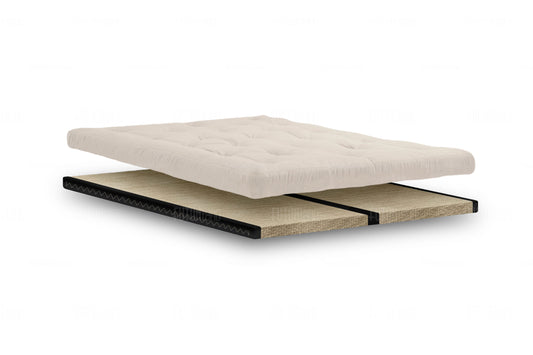
- Add a breathable layer. Tatami, coir, or another open natural-fiber pad separates the mattress from the floor without creating a sealed plastic pocket. The layer should allow air movement rather than act like a waterproof sheet.
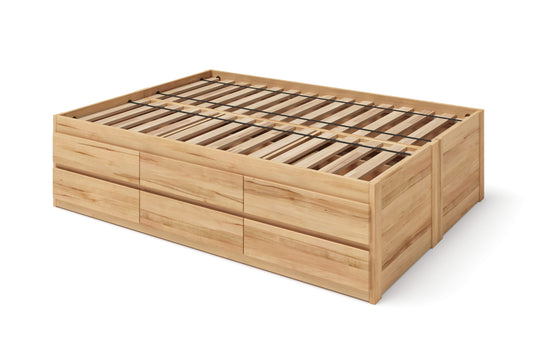
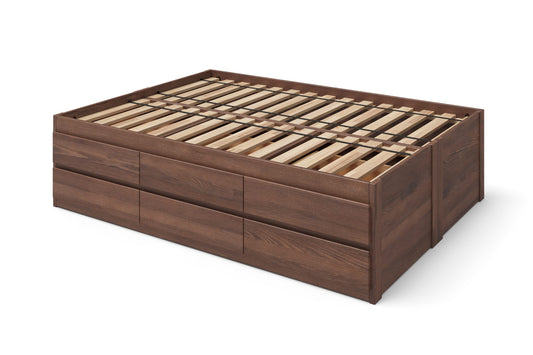
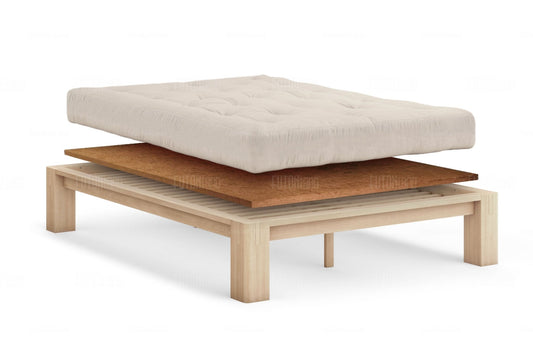
- Use a low slatted platform. Slats create channels beneath the mattress and offer the most reliable airflow. A low platform also adds insulation and makes the setup easier to get in and out of.
Avoid sealed plastic protectors, vinyl-backed pads, and any arrangement that traps the mattress against an unventilated floor. A washable cover can protect against spills, but it isn't a substitute for underside airflow. If you use a protector, choose one that doesn't create a sealed moisture barrier, such as the options in this mattress protector collection.
Mattress Types That Actually Work on the Floor
The label matters less than the internal construction. Cotton, wool, latex, and coir can all work, but each produces a different feel and has different storage demands. Polyurethane foam may be convenient, yet convenience often comes at the expense of airflow or long-term resilience.
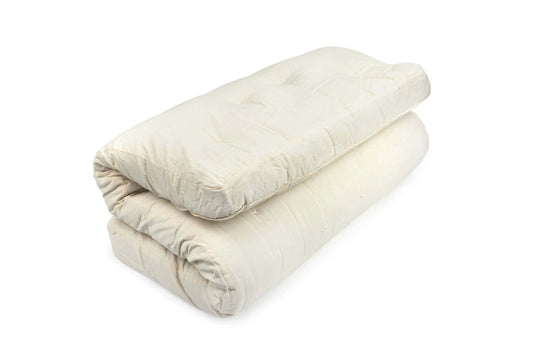
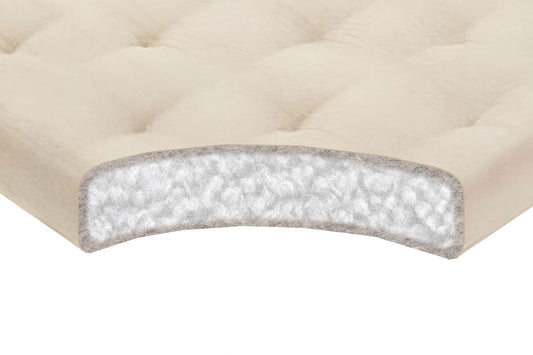
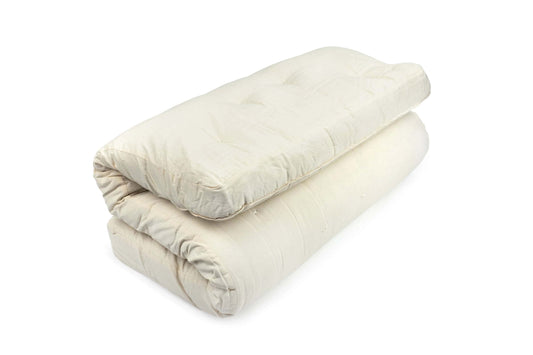
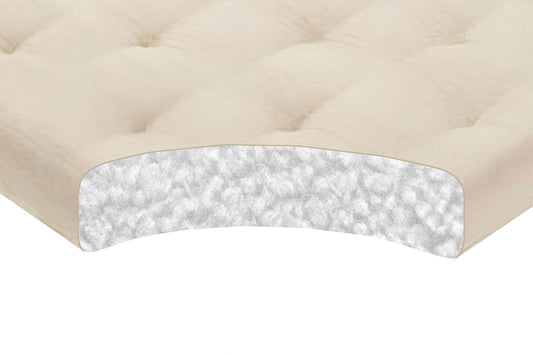
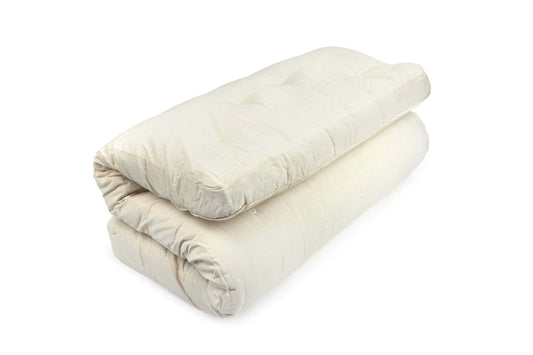
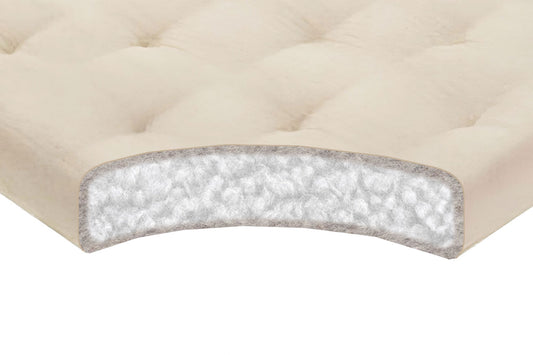
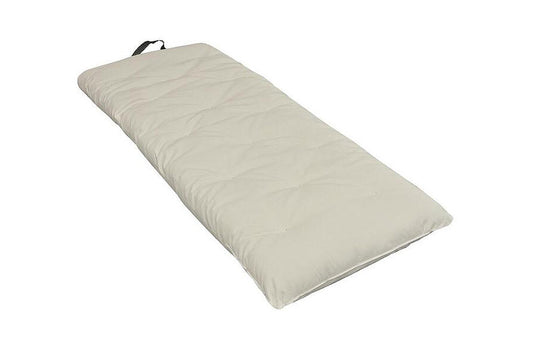
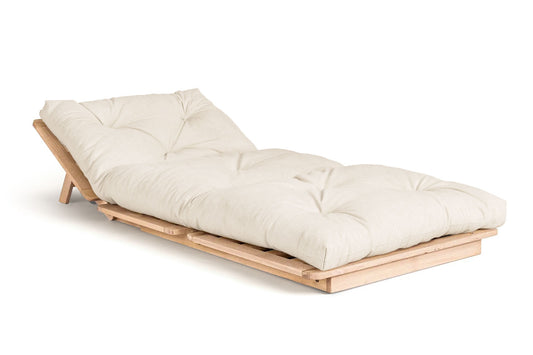
A traditional shikibuton uses compressed cotton, sometimes with wool. It's breathable, firm, and usually rollable, but its thinner profile gives heavier adults less room for pressure distribution. A wool-and-cotton hand-tufted futon feels more substantial and can hold a stable shape, though it's heavier and less convenient to store each morning.
Latex offers resilient support rather than the slow sinking associated with memory foam. A latex slab or layered build can work well for adult nightly use, especially when paired with a slatted base. Coconut coir is firm and breathable, but coconut coir and old-fashioned hand-made mattresses are near-zero-support options when used alone. They're better treated as base layers or firm mats than as complete adult mattresses.
| Type | Thickness Range | Support for Adults | Airflow | Foldability | Best For |
|---|---|---|---|---|---|
| Shikibuton | 3 to 5 inches | Good for lighter adults, limited margin for heavier sleepers | High | Rollable | Minimalist rooms and Japanese-style sleeping |
| Wool-and-cotton hand-tufted futon | 4 to 8 inches | Good when densely filled | High | Foldable, but heavy | Primary use when firmness and natural fibers matter |
| Natural latex | 4 to 8 inches | Strong support and recovery | Good | Foldable only in some builds | Nightly adult use and side sleepers needing resilience |
| Coconut coir | 1 to 3 inches as a layer | Near-zero support alone | High | Rollable or flexible | Breathable insulation under another mattress |
| Tri-fold polyurethane foam | 3 to 8 inches | Moderate at first, variable with density | Low to moderate | Excellent | Guests and occasional conversion |
| Memory foam | 4 to 8 inches | Comfortable initially, weak floor fit for many users | Low | Limited | Raised, ventilated setups rather than direct floor use |
The shikifuton collection is useful for comparing rollable, low-profile constructions. Avoid bonded polyurethane “egg crate” pads and any product marketed as a floor bed without a naturally breathable core. A cotton cover doesn't make an enclosed foam core breathable.
Thickness and Support by Sleeper Weight
Body weight changes how quickly a floor mattress reaches its compression limit. A 3-inch mattress that feels adequate to a 130-pound sleeper can bottom out for someone weighing 220 pounds, particularly in a side-sleeping position. Shoulders and hips need enough material beneath them to distribute pressure before the floor becomes part of the support system.
For adult primary use, 15 to 20 centimeters, or 6 to 8 inches, is a practical target range cited specifically for floor sleeping. Constructions below about 10 centimeters, or 4 inches, are commonly considered too thin for many adults using the mattress nightly. The adult floor-bed thickness guidance explains why extra depth matters for pressure relief and durability.
| Sleeper Weight | Minimum Thickness | Ideal Thickness | Best Mattress Type | Topper Needed? |
|---|---|---|---|---|
| Under 150 pounds | 3 to 4 inches | 4 to 6 inches | Firm shikibuton, cotton-and-wool futon, or latex | Optional, based on position |
| 150 to 180 pounds | 4 to 6 inches | 6 to 8 inches | Latex or dense hand-tufted futon | Often useful on a thin shikibuton |
| 180 to 220 pounds | 6 inches | 8 inches | Latex, dense futon, or layered latex and coir | Yes if the base mattress is thin |
| Over 220 pounds | 6 to 8 inches | 8 to 10 inches | Resilient latex or a low platform bed | Usually, unless the mattress is built for the load |
A traditional shikibuton can be the right choice for a lighter adult, but it may be too thin for a heavier sleeper without a topper or a second supportive layer. Don't solve that problem by adding a soft pad that compresses quickly. Add resilient latex, a dense futon layer, or move to a low platform with a properly supported mattress.
What Goes Underneath the Mattress
The base changes more than the appearance of the room. It affects airflow, insulation, firmness, and maintenance. Bare flooring is the simplest option, but it's also the least forgiving when the room is humid or the floor is cold.
| Base Type | Airflow | Insulation | Cost | Feel |
|---|---|---|---|---|
| Bare floor | Poor | Low | Lowest | Firmest and least forgiving |
| Tatami | Good | Moderate | Moderate to high | Firm with a little natural give |
| Coir bed rug | Good | Moderate | Moderate | Textured, breathable, firm |
| Low slatted platform | Excellent | Moderate to high | Moderate to high | Stable, slightly elevated, easier to access |
Bare floor
Hardwood, tile, and concrete transmit cold directly into the mattress. Carpet may feel warmer, but it can still hold moisture beneath a mattress and may make inspection harder. Bare floor use works best when you can air the mattress consistently and the room stays dry.
Tatami and coir
Tatami provides a breathable separation layer and a modest thermal buffer. Coir offers a similar ventilation advantage with a firmer, more textured feel. These bases suit people who want a close-to-floor setup but don't want the mattress sealed against wood, tile, or concrete. See the tatami bed collection for low-profile base options.
Slatted platforms
A low slatted platform is the most practical choice for nightly use in a damp climate or for anyone who doesn't want to move the mattress every morning. The trade-off is that it looks and behaves more like a bed, costs more than using the floor, and reduces the extreme minimalism that attracts people to floor sleeping.
Living With a Floor Mattress Day to Day
Floor sleeping feels different before it feels normal. A firm surface gives less immediate cushioning than a conventional mattress, and your usual sleeping position may expose pressure points you didn't notice before. Allow an adjustment period of two to four weeks before deciding that the setup works or fails, unless the discomfort is severe or steadily worsening.
Start with the position you naturally use. Back sleepers often adapt to firmness more easily, while side sleepers usually need more thickness beneath the shoulder and hip. If you wake with a clear pressure point, adding a resilient topper is more sensible than forcing yourself to accept a mattress that is too thin.
The goal isn't maximum hardness. It's stable support without the mattress collapsing beneath the areas that carry your weight.
Getting up is another real trade-off. A low surface can be difficult for adults with mobility limitations, joint problems, or pregnancy-related physical changes. That isn't a medical judgment. It's a practical question about whether you can rise, kneel, turn, and carry the mattress safely every day. A low slatted platform can preserve the floor-level appearance while making those movements easier.
Cold floors and heat
Tile and concrete can feel cold in winter, and a mattress close to the floor receives little insulation from below. Tatami, coir, wool, and a low slatted base can reduce that cold transfer. If you have radiant floor heating, check the flooring and heating manufacturer's guidance before placing a thick natural-fiber mattress directly over it. Excess heat and restricted airflow can change how materials perform.
Folding and care
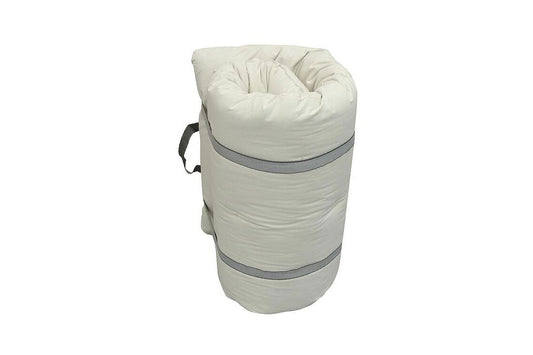
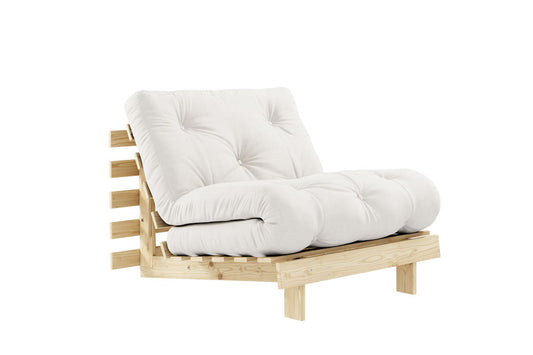
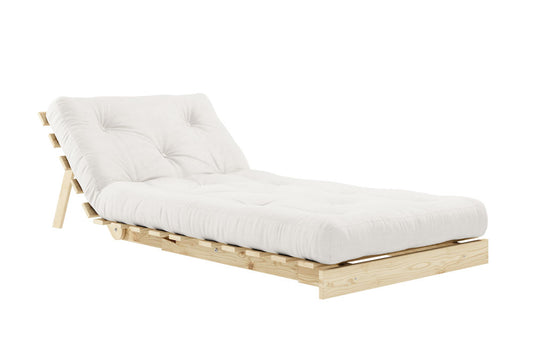
A rollable shikibuton is easiest to air and store. Latex may be heavier and less willing to fold sharply. A hand-tufted futon often needs wall space or a storage bench rather than a small closet.
Care should stay simple:
- Flip and rotate: Turn the mattress regularly to distribute compression.
- Air the underside: Stand it up after sleeping, and inspect the floor-facing surface.
- Sun carefully: Fresh air and indirect sun can help refresh natural fibers, but don't leave materials exposed to harsh conditions for long periods.
- Spot clean: Use a lightly damp cloth and mild cleaning method appropriate to the cover. Let the mattress dry completely.
- Never soak it: Don't saturate cotton, wool, latex, or foam. Don't put a large mattress in a household washing machine unless the care label explicitly allows it.
The tatami care guide is also useful if you choose a woven base, since the base needs inspection and drying too.
Matching the Mattress to Your Use Case
There isn't one universal winner. The right setup depends on whether the mattress disappears each morning, stays in place as a primary bed, or doubles as a sitting and meditation surface.
A small studio needs a balance between comfort and storage. A foldable latex mattress thicker than 3 inches can reclaim floor space without the weak, hammock-like feel of a thin foam pad. A medium shikibuton on a low platform offers a more traditional arrangement, but it still needs daily airing if the mattress remains close to the floor.
Meditation and yoga place repeated pressure on knees, shins, and hands. A dense futon or coir-based mat holds its shape better than soft foam that bottoms out under kneeling. Coir is not a complete sleeping mattress by itself, but it can be a firm, breathable layer under a better-supported futon.
| Use Case | Recommended Mattress | Min. Thickness | Suggested Base |
|---|---|---|---|
| Small studio | Foldable latex or medium shikibuton | 4 inches | Low slatted platform or coir rug |
| Meditation and yoga | Dense futon with coir layer | 4 inches | Coir rug or tatami |
| Guest bedding | Tri-fold latex or firm cotton-and-wool futon | 3 to 4 inches | Slatted base |
| Japanese-style primary sleep under 150 pounds | Firm shikibuton | 3 to 4 inches | Tatami or coir rug |
| Japanese-style primary sleep over 180 pounds | Latex, coir-supported futon, or tufted futon with topper | 6 inches | Slatted platform |
For guest use, storage and handling matter more than a permanent bedroom feel. For nightly use, avoid foam-only tri-folds and innerspring floor beds. They may look versatile, but they don't solve the combined support and moisture problem well enough for most adults.
The Final Verdict and Common Questions
The best floor mattress for adults is a breathable, resilient mattress matched to body weight and placed on a ventilated base. Under 150 pounds, a firm 3 to 4-inch cotton-and-wool shikibuton can work with tatami or a coir rug if you air it daily. Between 150 and 200 pounds, natural latex around 6 to 8 inches on a low slatted platform gives a stronger support margin. Over 200 pounds, choose latex over 4 inches, a dense coir-and-cotton futon, or reconsider a low platform bed rather than forcing a thin shikibuton to do a job it can't handle.
Skip direct floor sleeping if you have limited mobility, severe joint inflammation, or a basement bedroom with chronic dampness. A floor mattress can be placed on carpet, but carpet doesn't remove the need for airflow. Use a breathable base, inspect underneath, and follow the mattress care instructions.
Common questions
Can adults sleep on the floor long term?
Yes, some adults can, provided the mattress offers adequate support and the base manages moisture. There's no definitive research proving that regular floor sleeping benefits the back, so treat it as a preference and design choice rather than a health intervention.
How thick does a floor mattress need to be?
Many adults need at least 4 to 6 inches for basic cushioning, while 6 to 8 inches is the more practical nightly range. Heavier adults and side sleepers may need 8 to 10 inches or a low platform.
Will a floor mattress get moldy?
It can develop moisture problems if the underside has no airflow. Air it daily, use tatami, coir, or slats, and keep indoor humidity below about 50 percent, following the moisture guidance cited earlier.
Do you need tatami underneath?
No. Tatami is one effective option, but coir and a low slatted platform can also provide separation and airflow. Bare flooring demands more careful airing.
Is floor sleeping bad for your back?
There is no definitive evidence that it is good or bad for every adult's back. Mechanically, the relevant issue is whether the mattress supports your body without bottoming out and whether the firmness suits your sleeping position.
How long does adjustment take?
Plan for two to four weeks of adjustment. If pain or pressure remains significant, change the thickness, topper, or base rather than assuming you need more time.
Can two adults share one floor mattress?
They can, if the mattress is wide enough and its core supports both sleepers without sagging. Check the mattress sizes guide before buying, and choose a thicker, resilient construction for shared nightly use.
The decisive test remains simple: does the mattress stay supportive under adult weight, and can the underside dry? Solve those two problems first, then choose the style, material, and storage method that fit your room.
For a more complete setup, compare the Japanese sleep system, read the ultimate guide to floor beds, review the shikibuton explainer, and consider whether you can manage the daily routine described in Can You Use the Japanese Mattress on the Floor?.
If you're ready to build a breathable adult floor-sleeping setup, start by measuring your room, noting your weight and sleeping position, and checking whether you can air the mattress each morning. Then compare shiki futons, floor beds, mattress rugs, tatami, coconut coir, old-fashioned hand-made mattresses, and futon mattresses with support and airflow in mind, not softness alone.