
Best Bed for Studio Apartment: A Real Buyer's Guide
You're choosing a bed for a room that also has to be your living room, office, dining area, and storage zone. The bed won't disappear from view unless you plan for that. The best bed for a studio apartment depends on one decision: should it conceal, integrate, or double as seating?
What Makes a Studio Bed Different
A small bedroom can hide a bed behind a closed door. A studio can't. You'll see the bed while cooking, working, watching television, and answering the door. That makes the frame's height, headboard, legs, bedding, and storage just as important as its sleeping comfort.
The bed is usually the room's dominant object. A queen mattress measures 60 by 80 inches and uses about 33 square feet of floor area, while a full mattress measures 54 by 75 inches, as outlined in this studio apartment mattress size guide. Those dimensions affect every other zone around it.
A studio also has no spare room to absorb poor planning. Cooking, lounging, working, dressing, and sleeping all compete for the same floor. A bed that looks fine at night can still make the apartment feel blocked during the day.
The practical test: the right bed must earn its footprint beyond sleeping hours.
Start by choosing the job you need the bed to perform.
- Conceal: Choose a wall bed, folding design, or another format that leaves the floor open when you're awake.
- Integrate: Choose a low platform or floor bed that stays put but looks calm and visually light.
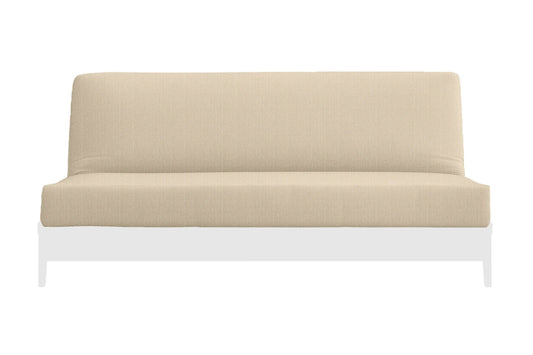
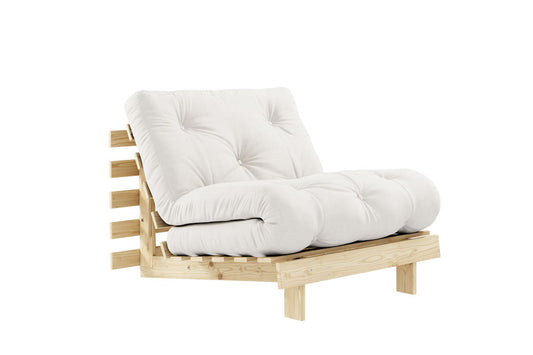
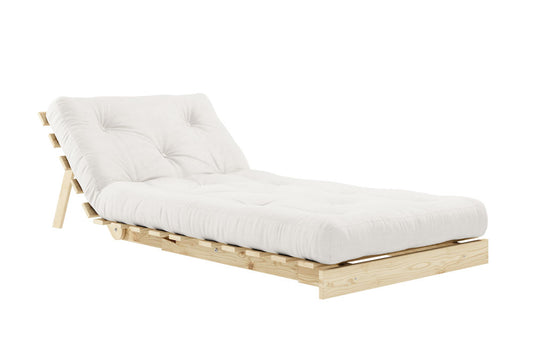
- Double up: Choose a futon sofa, daybed, sleeper chair, or similar piece that provides seating as well as sleep.
This lens is more useful than a generic list of space-saving beds. It tells you what to reject. If you won't fold a bed each morning, don't buy one that depends on daily conversion. If you rarely host, don't sacrifice your primary mattress for occasional guests.
The Three Strategies at a Glance
| Strategy | Typical Bed Type | Daily Effort | Seating Capability | Storage | Best Fit |
|---|---|---|---|---|---|
| Conceal | Murphy bed, folding wall bed, cabinet-style folding bed | High installation or conversion effort | Usually separate seating needed | Sometimes integrated | Renters or owners who want the floor open by day |
| Integrate | Low platform bed, floor bed, storage platform, loft bed | Low | Limited unless styled as a daybed | Open clearance or built-in storage | Solo sleepers who want visual calm |
| Double Up | Futon sofa, daybed, click-clack sleeper, twin sleeper | Moderate daily conversion or permanent seating setup | Strong | Limited or under-bed | Studios that also host guests or need a sofa |
Conceal gives you the clearest living area, but it brings the most friction. Wall-mounted designs require careful installation, and folding furniture still demands a realistic routine.
Integrate is the simplest choice. The bed remains visible, so the frame should recede rather than dominate. A low platform, open legs, minimal headboard, and coordinated bedding help it read as part of the room instead of a bedroom dropped into it.
Double Up makes the bed useful during the day. A futon sofa or daybed can replace a couch, which matters when the studio has no room for both. The tradeoff is comfort and effort. A sofa-like profile can constrain the mattress, while a futon needs to be opened and closed consistently.
The best route depends on your actual habits, not the most impressive furniture mechanism.
Bed Types Matched to Each Strategy
Conceal the sleeping zone
A Murphy or wall bed works when reclaiming the full floor matters more than installation simplicity. Look for a dependable mechanism, stable legs when open, and a closed depth that won't obstruct a walkway. The bed should fold smoothly without forcing you to wrestle with the mattress or bedding.
A freestanding cabinet bed can suit renters better because it doesn't need wall mounting, but it still arrives as a substantial piece. Measure the delivery path, not just the final wall. Older buildings, narrow stairwells, and tight elevator doors can turn a compact-looking product into a logistical problem.
Folding daybeds paired with curtains offer a softer version of concealment. The bed remains in the room, but a curtain or screen can hide it from the main living zone.
Integrate the bed into the room
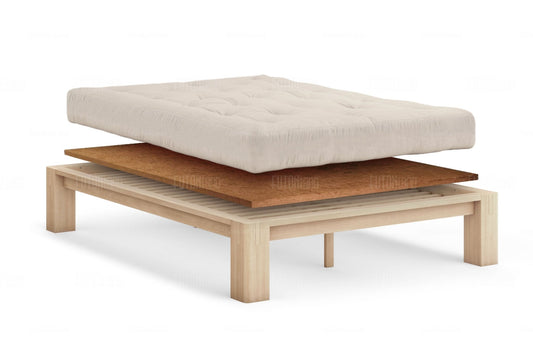
A low-profile platform bed is my default recommendation for a renter who sleeps on the bed every night and doesn't want daily conversion. A frame under 10 inches can keep the sleeping surface visually restrained, especially when it has slim legs and no oversized headboard.
A standard full or queen mattress can work, but the frame's exact exterior dimensions matter more than the label. Preserve at least 24 inches of walking space beside the bed, and aim for 30 inches where the main route passes, based on small-space layout guidance from Mattress Nut.
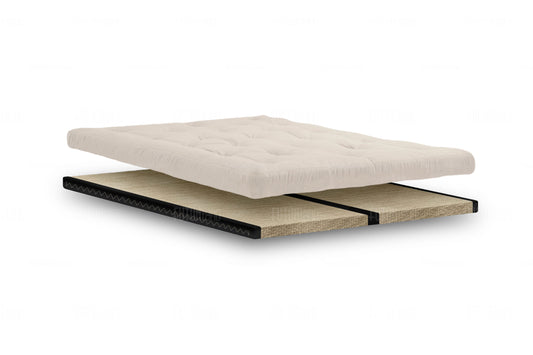
Storage platforms add function, though drawers and lift mechanisms increase visual mass. Tatami-style and floor beds feel even lighter, but they require more attention to cleaning and airflow because the mattress sits close to the floor. A slatted base is preferable to a sealed surface.
Loft beds can free the floor for a desk or seating, but only when the ceiling allows usable clearance. The cited small-space guidance recommends checking the remaining height carefully, with about 60 inches of desk clearance as a planning benchmark in loft layouts, as discussed by House Beautiful.
Double up with seating
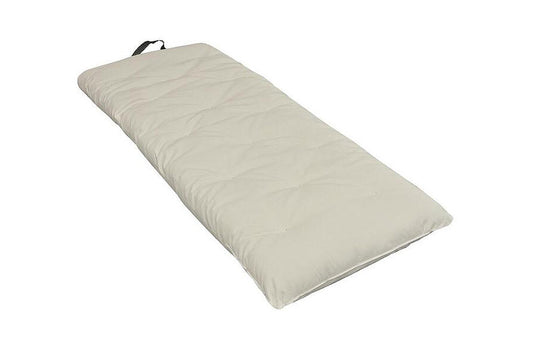
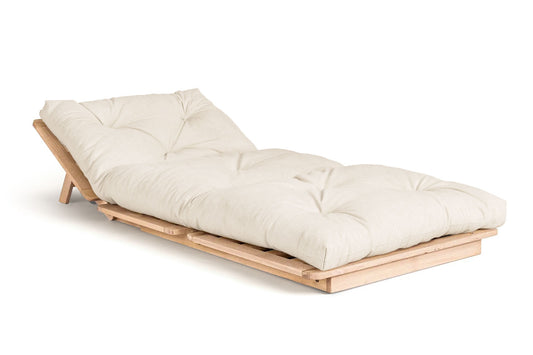
Futon frames are the most flexible option because the frame and mattress can be selected separately. A full futon saves more floor area than a queen, while a queen gives two sleepers more room. Choose a frame with a smooth conversion and enough structural support for nightly use.
A daybed provides permanent seating through its back and side rails. Add a trundle if guests matter, but remember that the second sleep surface usually has a different comfort profile from the main bed. A click-clack sofa bed gives you a more conventional sofa shape, though its built-in mattress is harder to replace.
For a clearer look at convertible seating formats, compare futon sofas with standalone futon frames. The frame should look intentional when closed. Thin legs, an open base, and a restrained back make the piece feel less bulky than a deep, upholstered block.
Measuring Your Studio Before You Buy
A bed fails when it blocks a door, traps you against a wall, or leaves no route to the kitchen. Measure the room before browsing, then test the layout with painter's tape.
Mark the mattress footprint on the floor. Include the frame's outer dimensions, not just the mattress. Walk from the entry to the bathroom, kitchen, closet, and windows while carrying laundry or opening cupboards.
Keep at least 24 inches of clear walking space on the bed's accessible sides, with 30 inches more comfortable around the main route, according to the small-space planning guidance linked above. Check the entry door and closet doors at their full swing. A bed that fits when every door is closed doesn't fit your apartment.

Photograph each wall and record outlets, radiators, windows, baseboards, and ceiling fixtures. Tall headboards can cover outlets or make a window feel boxed in. For a loft, measure floor to ceiling, then subtract the frame and mattress height before deciding whether the space below is usable.
If you're protecting a less common mattress dimension, a resource such as this small double bed protector can help you confirm the size before ordering bedding. Measure twice, including stair turns and hallway corners. A bed that fits the room but not the building still isn't the right bed.
Storage Tradeoffs in a Small Room
Storage beds sound like an obvious studio solution. They aren't automatically the best one. The bed already occupies the largest section of floor, so adding drawers can solve a closet problem while creating a cleaning and access problem.
Open clearance under a platform keeps the base easier to vacuum and gives you room for rolling bins. It also leaves the underside of the mattress more exposed to air. The downside is visible clutter if you use mismatched containers or let the space become a dumping ground.
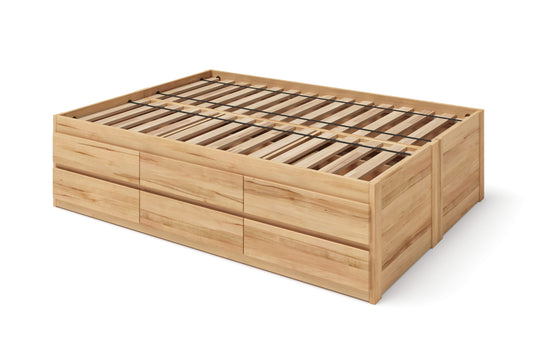
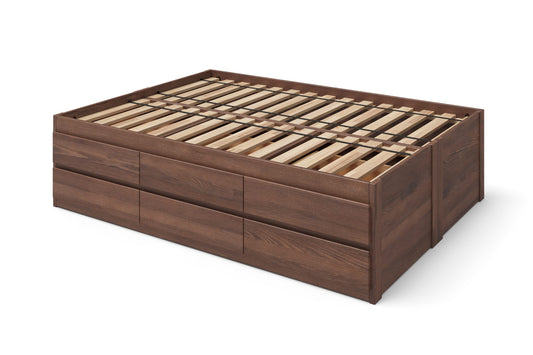
Drawers create a cleaner appearance, but they need room to open fully. They also add weight and limit how you reach the mattress base. Captain's beds maximize built-in storage, though their tall, enclosed sides make the bed visually heavier. Review the construction and mattress requirements carefully before choosing one through the captain's beds collection.
| Storage Type | Volume | Mattress Airflow | Daily Access | Best For |
|---|---|---|---|---|
| Open under-bed clearance | Flexible with bins | Stronger than enclosed bases | Easy for frequently moved bins | Luggage, shoes, and irregular items |
| Under-bed drawers | Defined compartments | More restricted | Convenient if the drawer side stays clear | Linens and clothing |
| Captain's bed | Built-in organized storage | Enclosed base | Convenient but more fixed | Studios with limited closet space |
| Lift-up storage | Large concealed cavity | Depends on base design | Less convenient for daily items | Seasonal bedding and bulky belongings |
Match the storage to what you own. Drawers suit folded clothes and linens. Open bins suit luggage and sports equipment. If your belongings already exceed the room's capacity, decluttering will help more than choosing a heavier bed.
Mattress and Material Choices
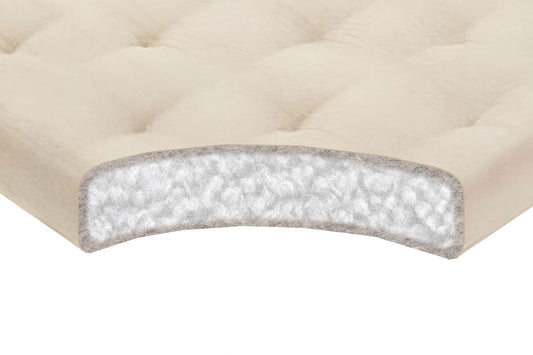
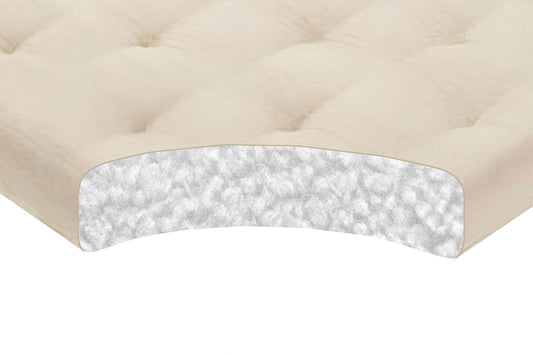
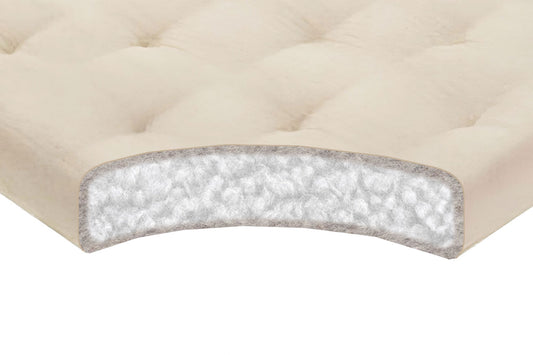
The frame determines what mattress makes sense. A futon or low daybed often needs a thinner mattress so the seating height remains usable. A thick mattress can make the sofa position too high and may cause the seat to sag toward the center.
A flexible, lighter mattress is also important for folding mechanisms. Check the manufacturer's thickness limit before buying, especially with a wall bed or sleeper sofa. A standard platform bed gives you the widest mattress choice because it doesn't need to bend or fit inside a hinge system.
Breathability matters in a compact room because the mattress may have less space around it. Pocketed coils and natural latex can provide a more ventilated construction than dense memory foam. Cotton or wool covers are reasonable preferences if you want a less synthetic sleep surface, but comfort and support still come first.
For lower-chemical materials, look for specific certifications rather than broad “eco” wording. GOTS-certified cotton, GOLS-certified latex, CertiPUR-US foam, and GREENGUARD Gold certification each describe different material or emissions criteria. Review the certificate and the exact component it covers.
You can compare construction details through organic mattresses, then confirm that the mattress suits the frame. A breathable mattress on a slatted base is a more sensible combination than a thick foam mattress forced into a convertible frame.
The mattress size guide is useful when comparing full, queen, twin, and less common dimensions. Don't assume the nominal mattress size tells you the finished footprint.
Guests, Zoning, and Renter Realities
A studio bed often has to host guests, but guest use shouldn't dictate your daily comfort unless visitors are frequent. If you invite people over regularly, a futon sofa or daybed can replace the need for a separate couch. If guests arrive only occasionally, a permanent bed plus a folding guest option may create less daily work.
Daily conversion sounds easy in product photography. In real life, it means removing or rearranging pillows, folding bedding, clearing the seat, and repeating the process every morning. Anyone who knows they won't do that consistently should choose an integrated platform bed or a daybed with permanent seating instead.
Be honest about your routine: a convertible bed that stays open all week hasn't created a living room.
Zoning doesn't require a wall. A shoji screen can separate the sleeping area without making the room feel sealed off. An open bookcase defines a boundary while adding storage, and a low platform can signal where the sleep zone ends. Rugs, ceiling-hung curtains where the lease permits them, and separate lighting can distinguish sleeping, working, and relaxing areas.
Renters should check four practical constraints before ordering:
- Wall hardware: Lease rules may prohibit anchoring a wall bed or screen.
- Move-out: Frames should disassemble into pieces that fit through the apartment's route.
- Delivery: Loft and captain's beds can be difficult in narrow stairs or small elevators.
- Noise: A rigid platform can transmit movement through the floor, so use appropriate pads and avoid allowing the frame to touch walls.
We don't sell Murphy beds. They make sense when you own the property, can install the hardware properly, and value a fully open floor every day. For most renters, a good futon sofa is the better call because it moves with you and avoids permanent wall work.
Studio Bed FAQs
Should a studio have a bed or a sofa bed?
Choose a regular bed if you sleep there every night and have enough room to preserve circulation. Choose a sofa bed or futon sofa when the piece must serve as your main seating and you'll convert it.
Is a Murphy bed worth it in a rental?
Usually, no. Wall mounting creates deposit risk, permanent hardware, and delivery problems in stairwells or elevators. A freestanding folding option or futon sofa is more practical for most renters.
Can you sleep on a futon every night?
Yes, if the frame is sturdy and the mattress is designed for regular sleep. Test the sleeping surface, confirm the frame supports the mattress properly, and accept that the sofa position and sleep position may require different compromises.
Does a low bed make a studio look bigger?
Usually, yes. A low, open frame leaves more visible wall and floor, while a large headboard and enclosed base add visual weight. The effect is strongest when bedding, legs, and nearby furniture stay visually restrained.
How do you separate sleeping and living areas?
Use a shoji screen, open bookcase, curtain, rug, or change in lighting. Keep the divider light enough to preserve daylight and avoid creating a narrow passage around the bed.
What size bed fits a studio?
A full mattress, 54 by 75 inches, is often the most efficient adult option. A queen, 60 by 80 inches, works when the layout still preserves the recommended walking clearances. Measure the frame, doors, and pathways rather than relying on mattress size alone.
Can a daybed work as daily seating?
Yes, if you choose a supportive back and use proper cushions. A daybed works best for relaxed lounging, not as a replacement for every kind of sofa seating.
How do you test a frame before committing?
Sit on it, lie down, open and close every mechanism, and check for movement or wobble. Review the return window and make sure you can disassemble it for a future move.
Should the bed disappear, blend in, or double as seating?
That's the decision that matters. Conceal it if open floor is your top priority, integrate it if daily comfort and visual calm come first, and double it up if your bed must also function as the studio's sofa.
The Final Verdict
For most studio renters, the best bed for studio apartment living is a low-profile platform bed if the bed stays open, or a futon sofa if it must provide daily seating. Choose a full mattress when circulation is tight. Choose a queen only after taping the footprint and testing every walkway.
Choose concealment when reclaiming the floor is worth installation or conversion effort. Choose integration when you sleep on the bed every night and want the simplest, calmest room. Choose a double-duty design when you need seating, not because a convertible mechanism sounds efficient.
Measure the room, test the routine, and check the delivery path before ordering. For practical ideas on frame selection, see the guides on small-space futon frames, multifunctional furniture, storage beds, and Measure First, Move Once. Then browse the daybed collection, twin sleepers and futon chairs, shiki futons, floor beds, platform beds, minimalist low-profile frames without headboards, and under-bed storage drawers only after you know which strategy fits your life.
If you've measured your walls, walkways, door swings, and delivery route, choose one strategy today: conceal, integrate, or double up. Then shortlist beds that match that decision instead of comparing every space-saving design at once.