
Why Natural Mattresses and Tatami Mats Sometimes Smell at First
Natural mattresses and bedding can be one of the cleanest, most comfortable ways to sleep, but they can also surprise people during the first days after delivery. A common theme in customer feedback is the contrast between expectations and reality: some shoppers describe a strong “new” odor lingering for a week or more, while others are relieved to find “no unpleasant smells at all.”
The truth is that natural materials have natural aromas, and those aromas can be intensified by compression, plastic wrapping, shipping conditions, and room humidity. In most cases, the smell is temporary and fades with ventilation. In a smaller set of cases, the odor points to moisture exposure and needs attention.
This guide explains what causes the smells most people notice in cotton-core mattresses (including models with wool, latex, and foam layers) and tatami mats, what a normal break-in looks like, and how to get the best results with a simple 2–3 week airing routine. If you’re shopping for a healthier setup, start with our natural sleep options and build the rest of the room with breathable bedding layers.
What “new mattress smell” means for natural materials
When people hear “new mattress smell,” they often assume it’s chemical off-gassing. With natural bedding, it’s usually something else:
- Concentrated natural fiber scent trapped inside sealed plastic
- Plant-based aroma from minimally processed fibers (cotton, wool, rush grass)
- Moisture and temperature swings during transit that amplify odor
- Natural latex scent (rubbery, vanilla-like to some)
A key point: natural does not mean odorless. Cotton, wool, and rush grass are agricultural materials. They can smell “earthy,” “barn-like,” “hay-like,” “sweet,” or “grassy” depending on the fiber and how it was processed.

Why the smell can feel stronger after shipping
Compression and sealed plastic make everything more intense
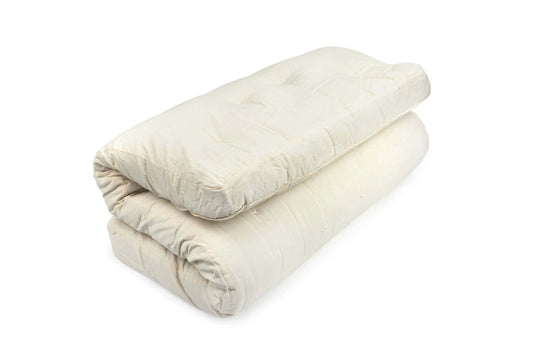
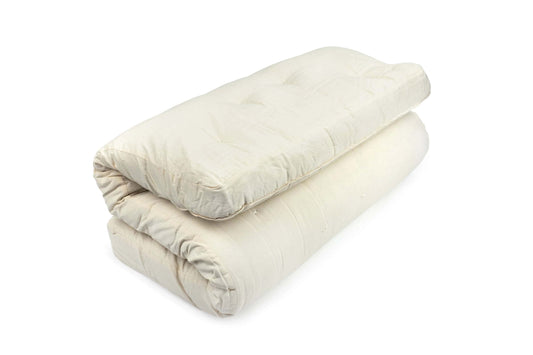
Many mattresses and some tatami-style products ship compressed or tightly wrapped in plastic. That does two things:
- It traps volatile compounds and humidity so the scent has nowhere to go.
- It creates a “first release” effect: once opened, all trapped odor exits at once.
That same compression is also why people sometimes notice lumps, unevenness, or waviness at first. This is typically not a defect.
What to expect in the first 48–72 hours
- The smell often peaks within the first several hours after unboxing.
- The surface may look uneven or feel slightly lumpy from compression.
- Both the odor and the “settling in” improve as the product expands and breathes.
Cotton-core mattresses: what causes that “cotton” smell
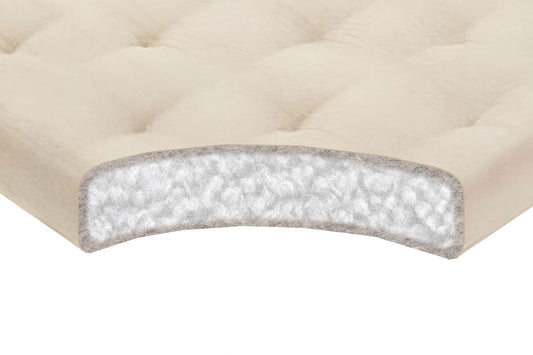
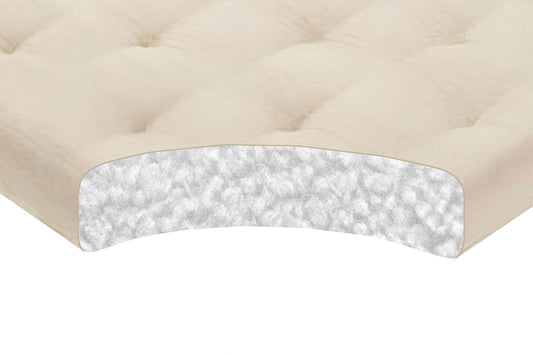
We use natural, unbleached cotton in our mattresses. Unlike the bright white, heavily processed cotton found in most conventional bedding, our cotton retains its natural oils and waxes because it hasn't been stripped by harsh bleaches or deodorizers. This results in a distinctive, earthy aroma that can be surprising if you are used to synthetic or chemically treated fabrics.
Important Note on Chemicals: A common misconception is that this scent comes from fire retardants. It does not. The natural borate we use for fire safety is completely odorless. If you detect a scent, you are smelling the raw materials, not chemical treatments.
Common contributors to the cotton aroma include:
- Natural waxes and plant compounds that remain in unbleached fiber
- Cotton “motes” or tiny plant particles that are harmless but aromatic
- The general scent of a fresh textile that has been sealed and compressed
Some people describe it as clean and “plant-like,” while others interpret it as sharp, dusty, or stale. Sensitivity varies. If you’re comparing builds (cotton-only vs. cotton-and-wool vs. cotton with latex or foam), you’ll usually see the widest range of first-week scent reports in our mattress lineup, simply because each layer has its own natural signature.
Wool layers: earthy, lanolin, and “wet wool” notes
Wool often has the most recognizable natural scent in bedding. Depending on the wool type and wash/scouring process, you may notice:
- Earthy or “farm” aroma
- Lanolin-like warmth (sometimes described as sweet or oily)
- A temporary “wet wool” impression, especially if humidity is high
Wool smell usually fades with airflow and time, but it can reappear slightly on damp days because wool naturally interacts with moisture.
Natural latex: the “rubbery” or vanilla-like scent
If your cotton-core mattress includes natural latex, it may have a noticeable odor on day one. People describe it in different ways:
- Rubber/balloon
- Vanilla-like
- Sweet, warm, or “new tire” (less common with higher-quality latex but still possible)
Latex scent typically reduces steadily with ventilation. If you’re dealing with a latex layer, the 2–3 week break-in and airing window is a realistic expectation for best results, especially for scent-sensitive sleepers.

Tatami mats: natural grass smell vs. musty or moldy odor
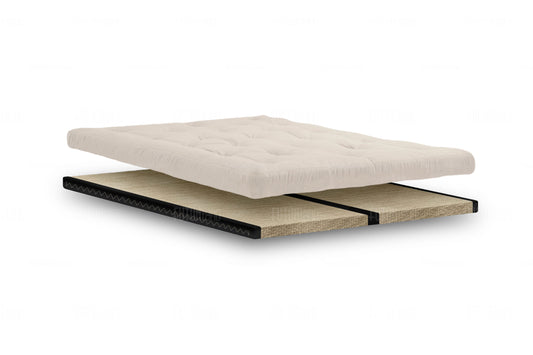
Tatami and tatami-style mats often use rush grass (igusa) or other plant fibers. A natural tatami aroma is typically grassy, green/earthy, and similar to dried hay or straw. It’s noticeable when new, then becomes more subtle over time. If you’re pairing your sleep setup with traditional surfaces, explore Japanese-style floor mats and low-profile frames like platforms designed for tatami.
Note for Sensitive Noses: If you love the concept of floor sleeping but find the "grassy" scent of Tatami too strong, consider using a Coconut Coir Bed Rug instead. It provides similar airflow and firmness benefits without the potent agricultural aroma of fresh rush grass.
That said, some reviews describe odors that are not “normal tatami,” including “moldy,” “rotting plant,” or lingering mustiness even after weeks. Those descriptions point to a different issue: moisture exposure.
What’s normal vs. what’s a red flag
Typically normal (improves with time)
- Cottony, dusty-textile, or mild earthy smell
- Wooly/lanolin “farm” notes
- Latex rubbery/vanilla scent
- Grassy tatami aroma
- Odor that steadily decreases day by day
Concerning (needs action)
- Strong mildew smell described as “basement,” “mold,” or “rotting plant”
- Odor that does not improve or gets worse after several days of airing
- Visible damp spots, discoloration, or any fuzzy growth
- Any sign the product arrived wet or was stored in a damp space
How to air out a natural mattress for best results
Step-by-step airing routine (simple and effective)
- Unwrap completely and remove all plastic from the room if possible.
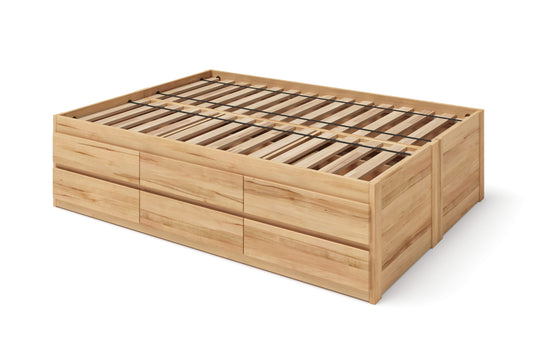
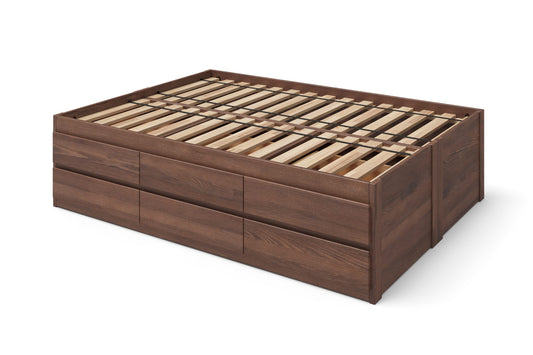
- Place the mattress on a breathable base such as a slatted platform bed (or a supportive floor-sleeping setup designed for airflow) to let the underside breathe.
-
Ventilate hard for the first 48–72 hours:
- Open windows if weather allows
- Run a fan to move air across the surface
- Pro Tip: If you have an air purifier with a HEPA/Carbon filter, run it next to the bed on "High" to drastically cut the odor break-in time.
- If humidity is high, use a dehumidifier in the room.
-
Use the Sun Wisely:
- Cotton-only futons: A few hours of direct sunlight is excellent for killing odors and bacteria.
- Latex & Tatami: Keep these out of direct sunlight. UV rays can degrade natural latex (causing it to crumble) and fade or dry out tatami mats too quickly.
- Delay installing a waterproof protector for a couple days if you can; protectors can trap odor during the highest-release window. When you’re ready, choose a breathable option from our protective layers.
Why lumpiness after unboxing is common (and usually temporary)
Compression can create:
- Ripples from rolling
- Slight “steps” where layers were folded
- Temporary unevenness in quilted surfaces
Most of this improves within 48–72 hours as fibers relax and layers settle. Some mattresses benefit from light use, which helps the materials conform and distribute loft evenly.
FAQs
How long should a natural mattress smell last?
Most customers notice the biggest improvement within 48–72 hours with good airflow. For sensitive sleepers or latex/foam layers, 2–3 weeks is a realistic “best results” window.
My tatami mat smells like mold. Is that normal?
A mild grassy tatami aroma is normal. A strong moldy or “rotting plant” smell is not something to ignore. Increase drying and airflow immediately, and if it doesn’t improve quickly or you see any discoloration, contact support.
Is there an alternative to Tatami that doesn't smell?
Yes. If you are sensitive to the scent of rush grass, we recommend the Coconut Coir Bed Rug. It offers the same breathable, firm foundation for your Shikibuton but uses coconut fiber and latex, which have a much fainter, more neutral scent profile.
Can I put a mattress protector on right away?
You can, but if smell is a concern, it’s often better to air out first for a day or two. Waterproof protectors can trap odors during the strongest release window.