
The Floor Sleeper’s Guide to Airflow: How to Prevent Mold Without a Bed Frame
Sleeping low to the ground feels calm, minimalist, and grounding. It is also one of the most common questions people ask when they start exploring Japanese-style futons and floor beds: “Will my mattress get moldy on the floor?” That concern is valid. A mattress or futon placed directly on a solid surface can trap moisture. The good news is that with the right setup and a simple routine, you can enjoy floor sleeping without inviting mold into your bedroom.
Why Mattresses on the Floor Can Grow Mold
Mold thrives on three things: moisture, warmth, and something to feed on. A mattress or futon supplies the food in the form of natural fibers or foam. Your body heat and humidity in the air create warmth and moisture. The last ingredient is usually a lack of airflow.
When a mattress sits directly on a cool, flat floor, there is nowhere for that overnight moisture to escape. Condensation can collect under the mattress, especially in humid climates or on concrete and uninsulated floors. If the underside never really dries, you can end up with a musty smell, discoloration, or visible mold spots over time. Natural materials like cotton and wool breathe better than dense synthetic foam, but even the best futon can struggle if it never gets a chance to air out.

Choosing the Right Kind of Floor Bed
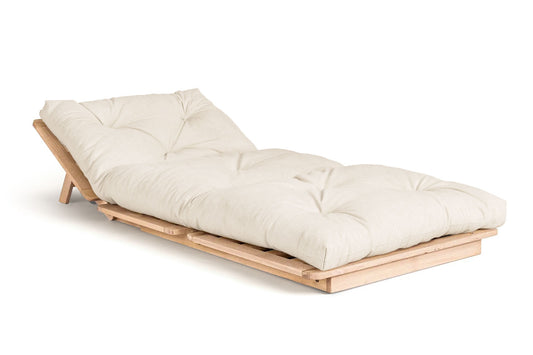
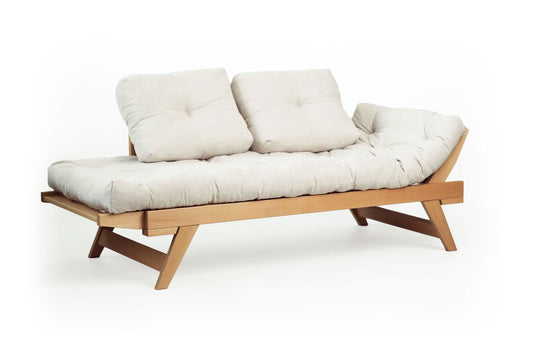
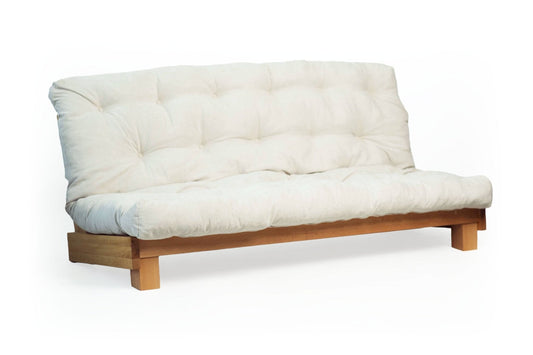
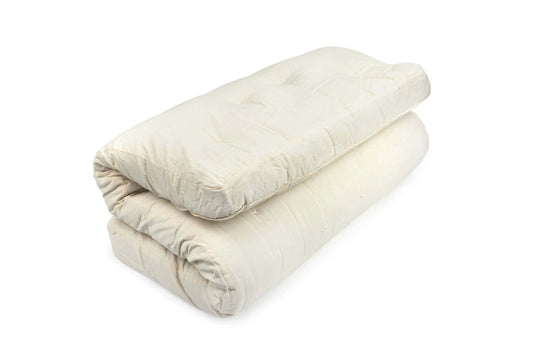
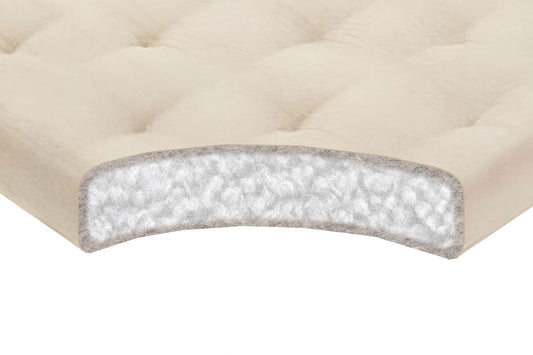
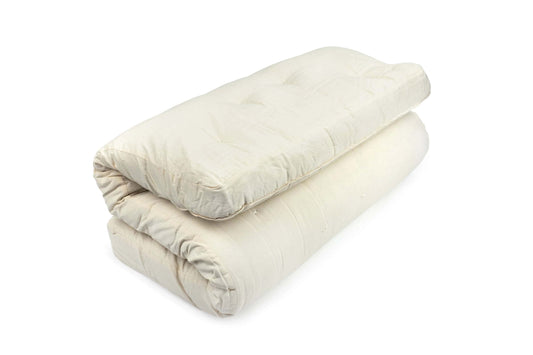
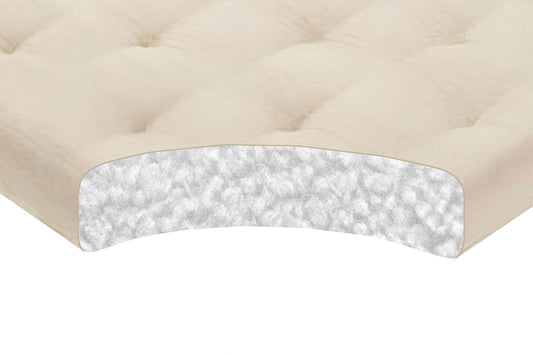
The first step to safe floor sleeping is choosing what you sleep on. Thin, flexible futons and shikibutons are much easier to move and dry than heavy, rigid mattresses. A low-profile futon built with breathable natural fibers is designed to be folded, rolled, and aired regularly, which makes it a better candidate for floor use than a thick pillow-top or dense foam block.
If you want a floor-style setup but still need daily comfort, look at thinner mattresses that can be handled easily and that use cotton, wool, or latex instead of solid synthetic foam. A traditional shikibuton, like the options in the Japanese-style futon mattresses collection, is a good example of this approach.
Building Airflow from the Ground Up
“No frame” does not have to mean “no support.” You can create a breathable base under your mattress without committing to a tall bed frame.
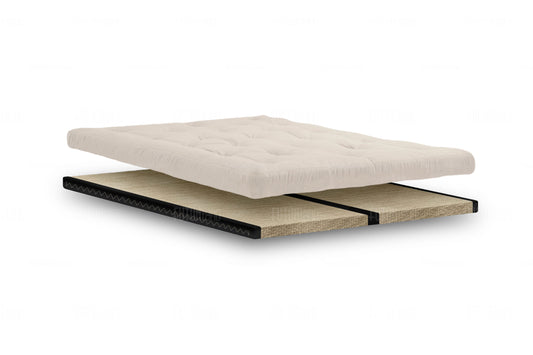
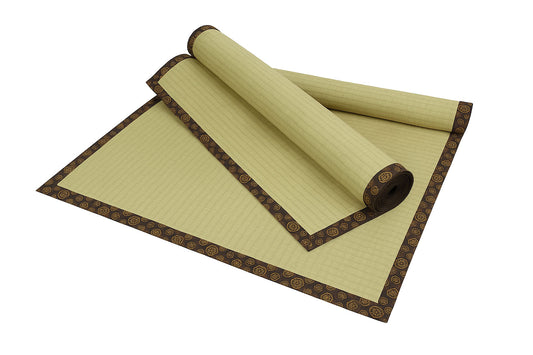
One option is to place your futon on woven tatami rather than directly on the floor. Traditional straw mats naturally raise the sleeping surface and allow air to move underneath. If you like that look and feel, you can explore different formats in the tatami mats and platforms collection.
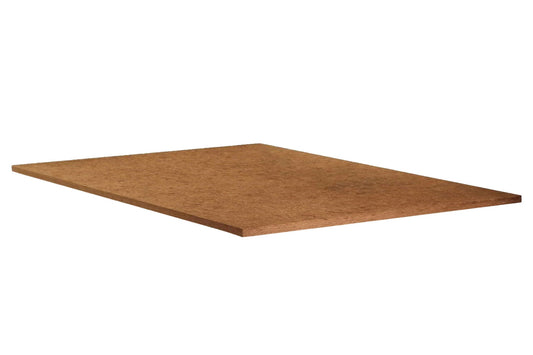
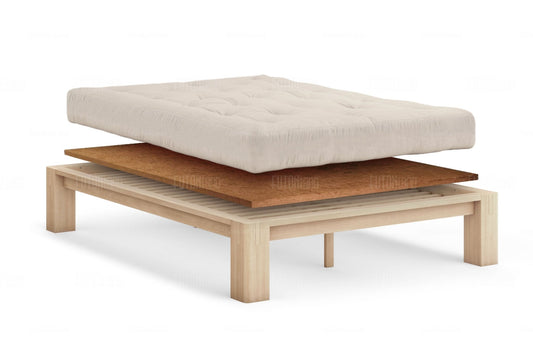
Another option is a coconut coir underlay. Coir bed rugs are dense mats made from coconut fibers that act like a ventilated platform. They are designed to sit on the floor with your mattress or futon on top, creating airflow channels without adding much height. For a deeper look at why this material works so well, you can read Natural Coconut Coir: The Breathable Core of a Healthier Bed. Many of these underlays appear in the breathable mattress rug and coir base collection.
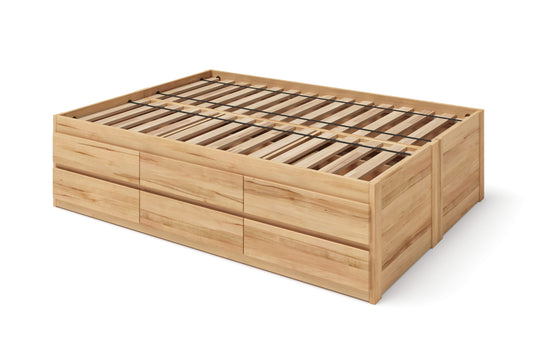
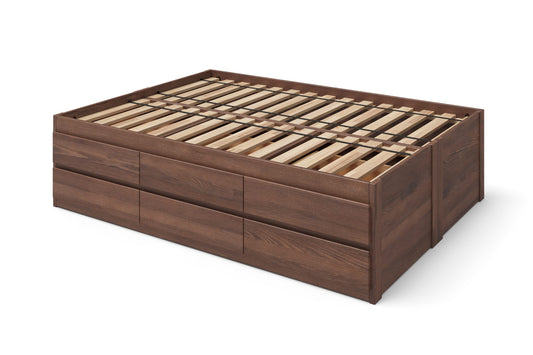
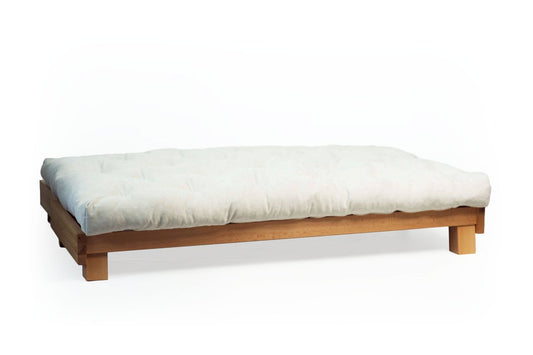
If your home is very humid or you sleep on a ground-level or basement floor, a very low frame may still be the safest choice. Slatted platforms and dedicated floor beds preserve the minimalist feel while lifting the mattress just enough for air to circulate. For ideas and examples, the article The Ultimate Guide to Floor Beds: Tradition, Benefits, and Modern Tips walks through several configurations, and you can see product options in the low platform and floor bed collection.

-
 Sale
SaleCoconut Coir Bed Rug
Regular price From $209.99Regular price $329.99 Sale price From $209.99Sale -

 Sale
SaleTatami Mat
Regular price From $169.99Regular price $219.99 Sale price From $169.99Sale -

 Sale
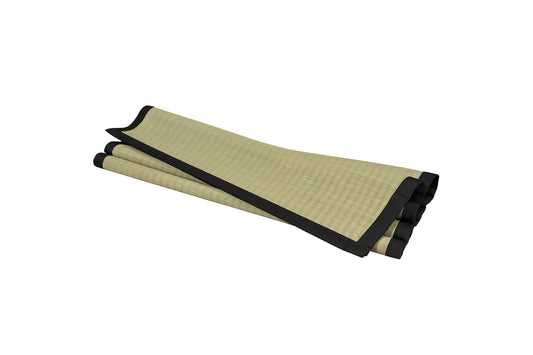
SaleFolding Tatami Mat
Regular price From $179.99Regular price $269.99 Sale price From $179.99Sale -
 Sale
SaleGoza Tatami Mat
Regular price $79.99Regular price $129.99 Sale price $79.99Sale -
Tatami Floor Room Kit
Regular price From $779.99Regular price $1,289.99 Sale price From $779.99Sale