
How to Fold and Store a Shikibuton or Futon Mattress the Right Way
If you love the idea of a minimalist bedroom or a flexible guest space, a shikibuton or futon mattress is an ideal choice. But once morning comes, many people are left wondering what they are actually supposed to do with it. Should you roll it, fold it, stuff it into a closet, or leave it out all day?
Learning how to fold and store your shikibuton or futon properly does more than keep the room tidy. It also helps the mattress last longer, stay fresher, and resist problems like lumps, odors, or moisture buildup. This guide walks through practical techniques for daily folding, longer-term storage, and simple routines that keep a natural mattress in good shape for years.
Why Folding and Storing Correctly Matters
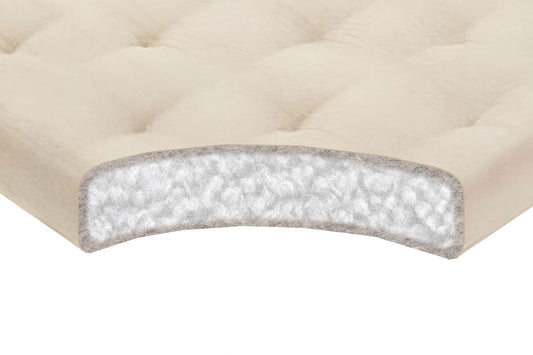
Natural fiber mattresses behave differently than synthetic foam beds. Cotton and wool shikibutons and traditional futon mattresses are designed to be more flexible, breathable, and responsive to daily use. Folding and airing them out keeps the fibers from compressing unevenly and prevents moisture from staying trapped inside.
When you fold and store a mattress the wrong way, a few common issues show up over time:
- Flat spots or hard ridges where the mattress always bends in the same place
- Musty smells from moisture that never fully dries out
- Extra dust or pet hair if it sits uncovered on the floor all day
- More visible wrinkles or creases in the outer fabric
A simple daily routine solves most of this. Think of folding as part of the mattress’s care, not just a way to reclaim floor space.

Know Your Mattress Type Before You Fold
The best folding technique depends on the type and thickness of the mattress you’re working with. A slim, traditional shikibuton is designed to be folded and stored daily; a thick sofa-style futon mattress can be folded too, but usually benefits from slightly different handling.
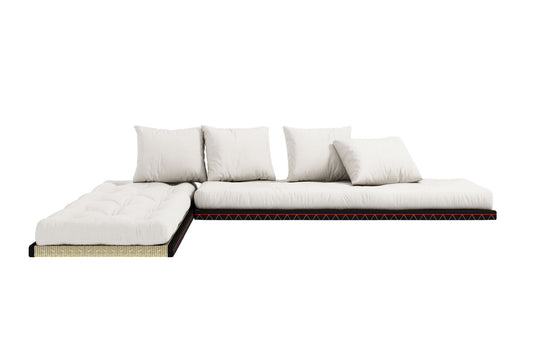
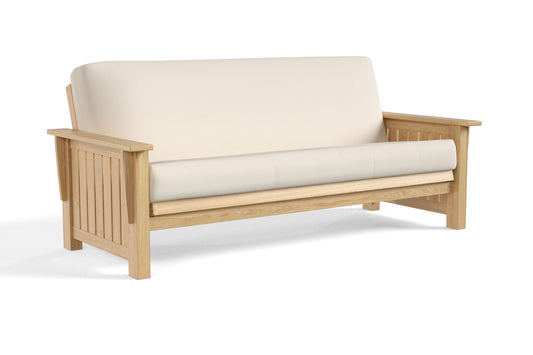
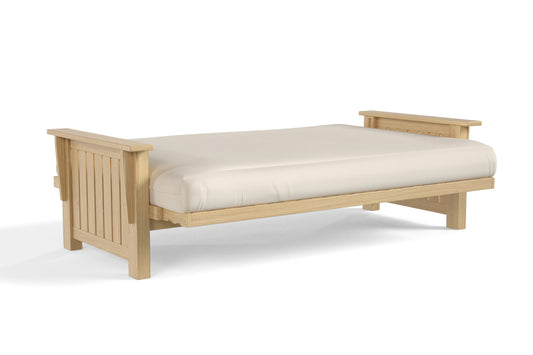
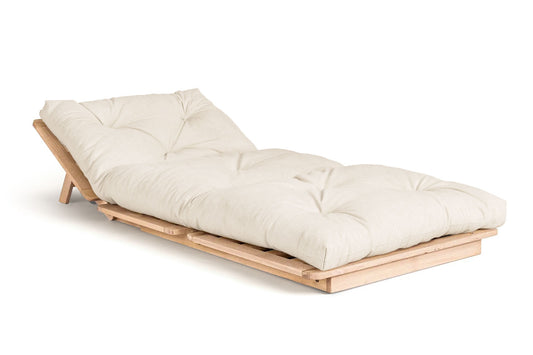
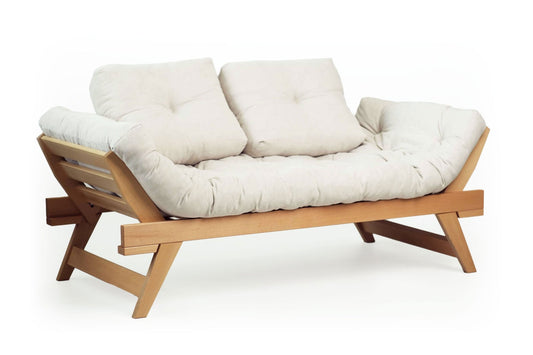
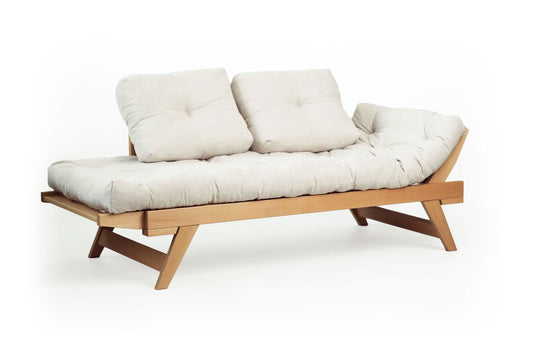
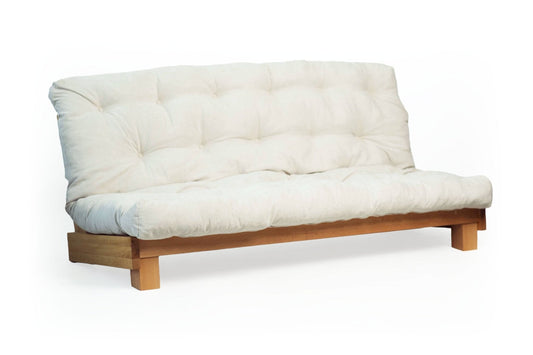
If you are working with Japanese-style floor mattresses, you will find that they are intentionally flexible and fairly easy to move. For reference, you can see similar styles in collections of Japanese-style shiki futons and convertible futon beds and sofas.
In general:
- Thin shikibutons can be folded twice or rolled for daily storage.
- Medium futon mattresses can be folded once or stood upright to air.
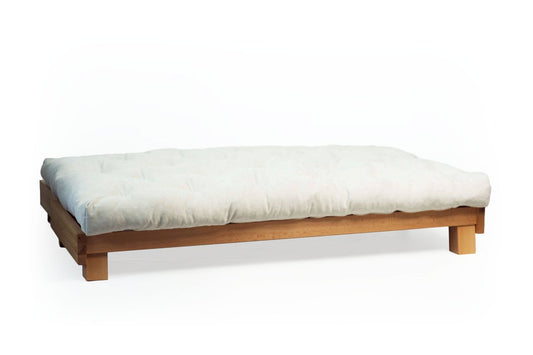
- Very thick futon mattresses are usually better left flat on a frame, then rotated and flipped regularly.
The key is to avoid forcing sharp bends into a mattress that is not flexible enough to handle them. When in doubt, fold more loosely and use the natural hinge created by the filling rather than creating a brand new crease.
How to Fold a Traditional Shikibuton
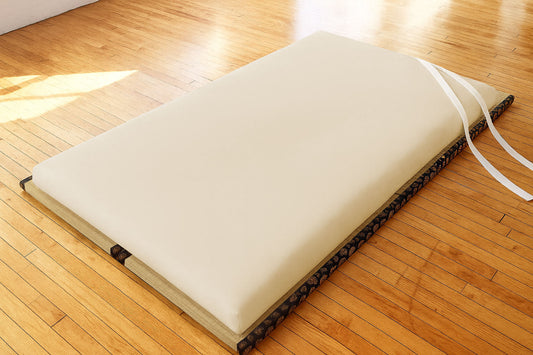
Traditional shikibutons are the easiest to fold and store. Their slim profile and natural fiber fill make them flexible yet resilient, especially once they have been broken in a bit. If you are new to this style of sleeping, it can be helpful to read more about how they are meant to feel and function in this guide to building a Japanese-inspired sleep system.
Here is a simple three-fold method that works for most shikibutons:
- Start with the mattress completely flat and smoothed out.
- Fold one third of the mattress lengthwise toward the center.
- Fold the remaining third over the top, so you end up with a neat, layered rectangle.
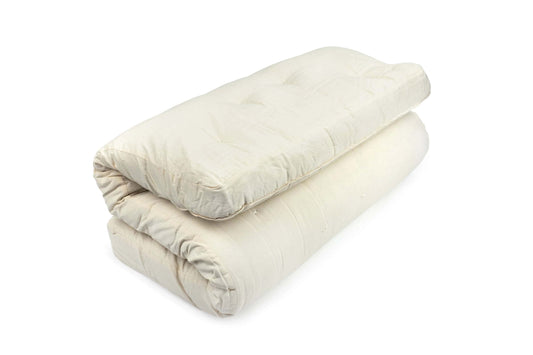
You can store this folded bundle along one wall, in a deep alcove, or inside a large wardrobe-style cabinet. In smaller apartments, many people simply stand the folded bundle on its side to reduce the footprint on the floor.
If the mattress is very new and still quite firm, you can make the folds a bit looser at first. Over time, the fibers soften slightly and the folds become easier and more compact.

Rolling vs Folding: Which Is Better?
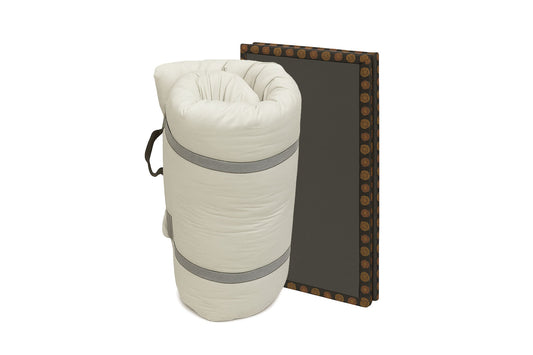
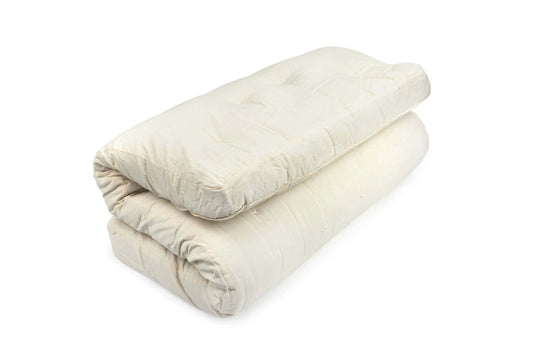
Some people prefer to roll their shikibuton instead of folding it. This can work nicely with especially thin, flexible mattresses, and it avoids folding along the same lines every single day. Rolling is also a good option if you want to slide the mattress into a storage bag or tuck it into a closet with limited width.
Rolling makes sense when:
- The mattress is slim and easy to compress evenly.
- You have enough length in your storage area but not much depth or height.
- You want to avoid pronounced creases along the same line every time.
If the mattress is thicker or has multiple layers of natural filling, folding is usually safer and more controlled than rolling. An overly tight roll can compress fibers unevenly at the core, which is the opposite of what you want for long-term comfort.
| Method | Best For | Pros & Benefits | Things to Watch Out For |
|---|---|---|---|
| Folding (Three-Fold) | Traditional shikibutons, thicker futon mattresses, and multi-layered natural beds. | Provides a controlled, compact shape (rectangle) that fits in wardrobes or against walls. Safer for the fiber core structure. | Can create permanent creases if always folded exactly on the same line (vary the fold slightly to prevent this). |
| Rolling | Very thin, flexible mattresses or temporary guest toppers. | Avoids sharp creases and fits well in long, shallow storage spaces (like under a bed or in a narrow closet). | Risk of compressing inner fibers unevenly if rolled too tightly. Not suitable for thick mattresses. |
Folding a Thicker Futon Mattress
Western-style futon mattresses, especially those used on sofa frames, can be anywhere from medium to very thick. Many of them are meant to fold in a specific way when used as a sofa, so it makes sense to follow the natural hinge created by the frame or by the tufting pattern.
For medium-thickness futons that are used on the floor or on a low platform, you can often fold them in half widthwise for short periods. To help avoid compression lines, alternate the direction of the fold every few days or every time you move the mattress.
If your mattress is primarily used on a futon frame and you only occasionally move it to the floor for a guest, it is usually enough to stand it up against a wall for airing when you change sheets, then return it to the frame. You can see examples of this style of mattress in multi-function futon and sofa beds, which show how the mattress and frame work together.
Where to Store Your Futon or Shikibuton During the Day
Traditional Japanese homes often have a designated futon closet. Most of us are working with less ideal storage options, but there are still plenty of ways to keep the mattress out of the way and properly ventilated.
Good storage options include:
- Standing the folded mattress upright along a wall so both sides can breathe.
- Placing it across a bench or low frame so air can circulate underneath.
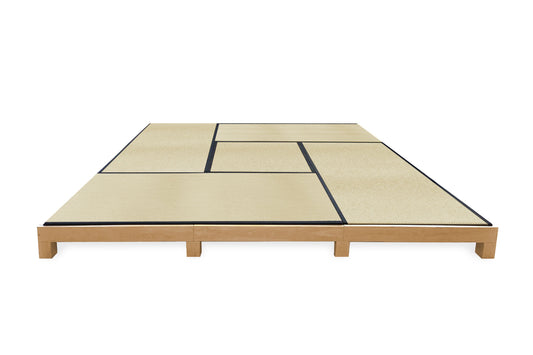
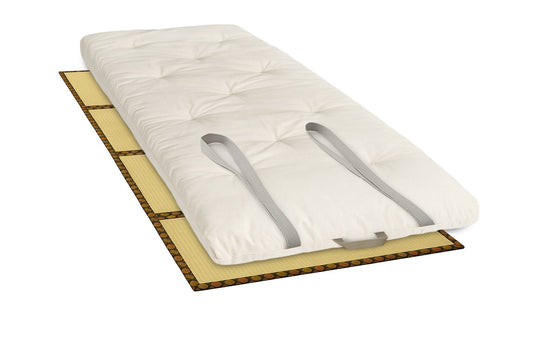
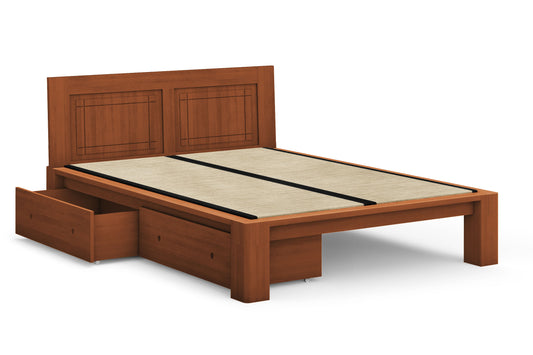
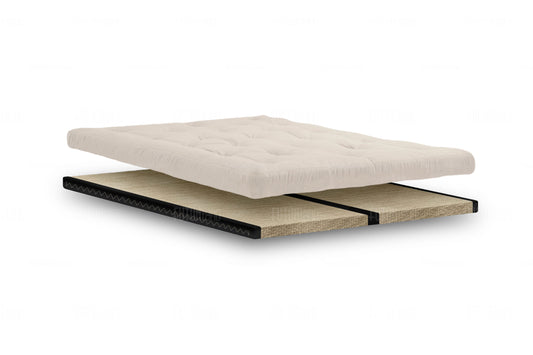
- Layering it on top of tatami platforms or supportive tatami-style bases during the day and spreading it out at night.
If you have the vertical space, a tall wardrobe or closet works well as long as you avoid compressing the mattress between other heavy items. Keep some airflow around it; stuffing it into a sealed plastic container is not ideal, especially for natural cotton or wool filling.
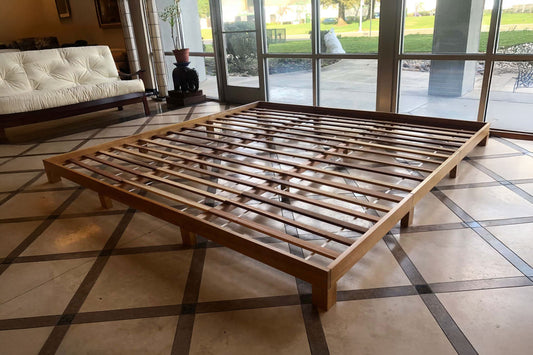
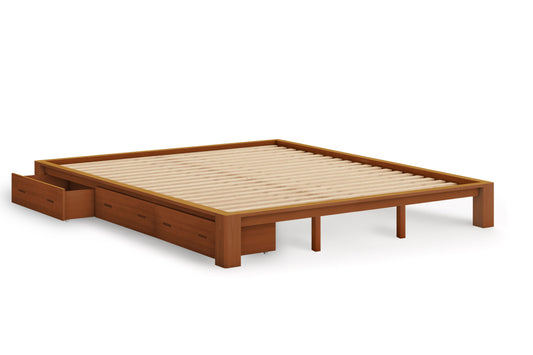
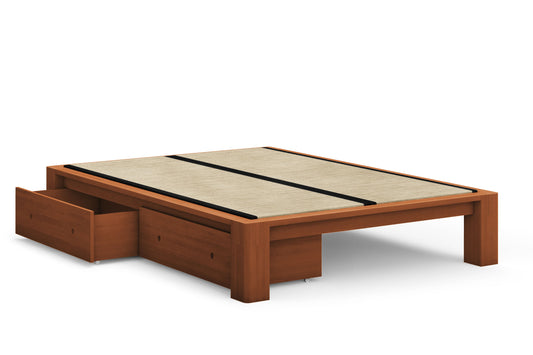
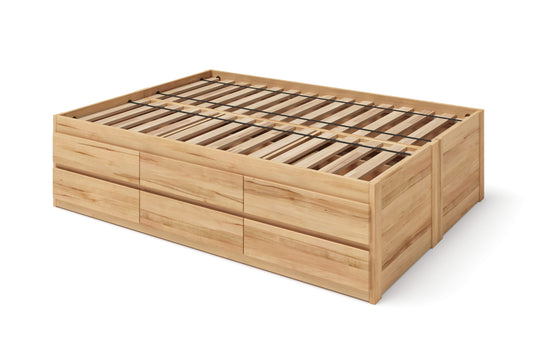
In very compact homes, some people store their folded shikibuton on top of a sturdy platform bed or set of drawers during the day. Collections of breathable bed rugs and foundations and low-profile floor mattresses can help you build a layered setup that doubles as both storage and sleep space.
-

 Sale
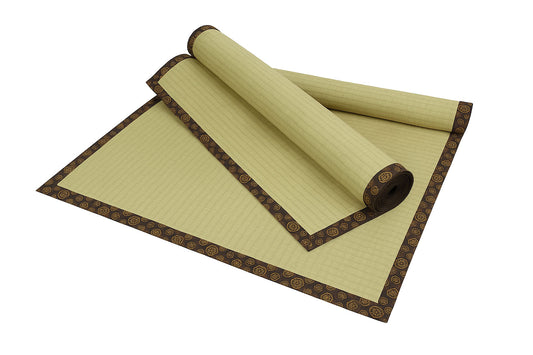
SaleTatami Mat
Regular price From $169.99Regular price $219.99 Sale price From $169.99Sale -

 Sale
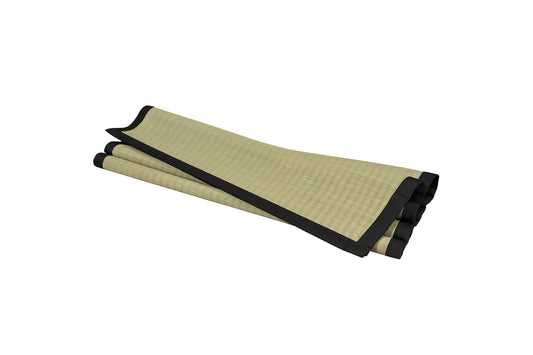
SaleFolding Tatami Mat
Regular price From $179.99Regular price $269.99 Sale price From $179.99Sale -
 Sale
SaleGoza Tatami Mat
Regular price $79.99Regular price $129.99 Sale price $79.99Sale -
Tatami Floor Room Kit
Regular price From $779.99Regular price $1,289.99 Sale price From $779.99Sale -
Tatami Daybed Sofa Sleeper
Regular price From $1,349.99Regular price $2,099.99 Sale price From $1,349.99Sale -
Tatami Platform Base 9'x9' (Low Profile)
Regular price From $749.99Regular price Sale price From $749.99 -
Tatami Platform Base 9'x9'
Regular price From $1,199.99Regular price Sale price From $1,199.99 -

 Sale
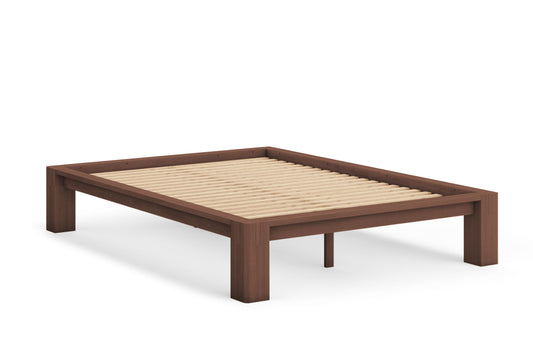
SaleKanso Tatami Bed
Regular price From $749.99Regular price $899.99 Sale price From $749.99Sale -
Floor Bed – Shikibuton Tatami Mat Bundle
Regular price From $729.99Regular price $1,009.99 Sale price From $729.99Sale -
Flip & Roll – Shikibuton Tatami Mat Bundle
Regular price From $369.99Regular price $519.99 Sale price From $369.99Sale -
Japanese Tatami Platform Bed
Regular price From $729.99Regular price $929.99 Sale price From $729.99Sale -
Japanese Tatami Platform Bed with Grooved Headboard
Regular price From $899.99Regular price $1,099.99 Sale price From $899.99Sale