
Do You Really Need a Bed Rug or Tatami Under Your Mattress?
If you like the idea of a low bed or sleeping closer to the floor, you will eventually run into one big question: what happens to moisture under the mattress? That is why so many people ask whether they really need something under a futon or shikibuton, such as a bed rug made from coconut coir or a traditional tatami mat, instead of placing the mattress directly on the floor.
The honest answer is that it depends on your room, your climate, your mattress, and your habits. In some spaces, a breathable base under the mattress is close to essential. In others, it is more of a smart upgrade that makes a low bed easier to maintain over the long term.
Why Airflow Under the Mattress Matters
Every night, your body gives off heat and moisture. On a raised bed with good airflow underneath, that moisture has an easy escape path. When a mattress sits flat on a solid surface like hardwood, tile, or concrete, the underside stays pressed against a cold, non-breathable surface. Over time, that can lead to damp spots, a musty smell, and eventually visible mold.
If you want a deeper explanation of how this happens, including humidity and temperature differences, it is worth reading a dedicated guide to mattress mold and airflow. The core idea is simple: you either build in a way for moisture to dry out, or it will tend to collect where the mattress touches the floor.
Bed rugs and tatami mats are two different ways to create that drying layer under a futon, shikibuton, or conventional mattress without giving up the low, minimal look.

What a Bed Rug Actually Does
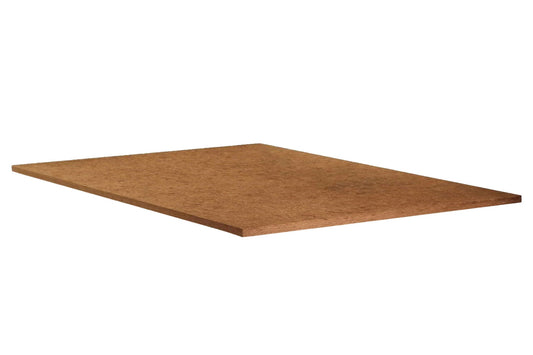
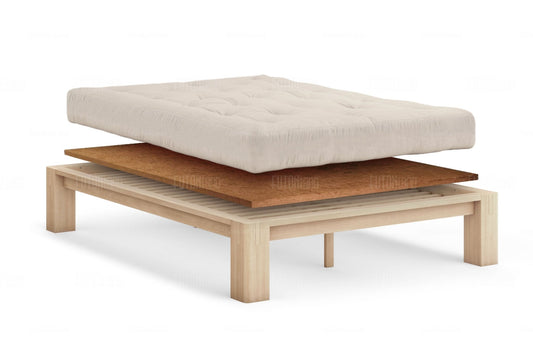
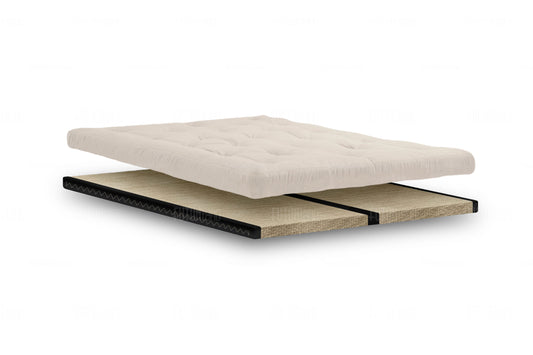
A bed rug is a firm, springy mat that sits directly between your mattress and the floor or platform. High-quality versions are usually made from coconut coir fibers. The fibers create a rigid but open structure that lifts the mattress slightly and allows air to move underneath while still supporting your weight.
If you want to see how this material behaves inside a sleep system, you can read an article on coconut coir support layers. For practical examples and sizing, you can also browse a selection of breathable coconut coir bed rugs designed to sit under futons, shikibutons, and mattresses.
In everyday use, a coir bed rug is especially helpful when you want to keep a mattress directly on the floor but still protect it from trapped moisture. It is low profile, almost invisible once the bed is made, and adds a lot of insurance in humid rooms, basements, or older buildings where the floor tends to feel cool or slightly damp.
-
 Sale
SaleCoconut Coir Bed Rug
Regular price From $209.99Regular price $329.99 Sale price From $209.99Sale -

 Sale
SaleTatami Mat
Regular price From $169.99Regular price $219.99 Sale price From $169.99Sale -

 Sale
SaleFolding Tatami Mat
Regular price From $179.99Regular price $269.99 Sale price From $179.99Sale -
 Sale
SaleGoza Tatami Mat
Regular price $79.99Regular price $129.99 Sale price $79.99Sale -
Tatami Floor Room Kit
Regular price From $779.99Regular price $1,289.99 Sale price From $779.99Sale


How Tatami Changes the Setup
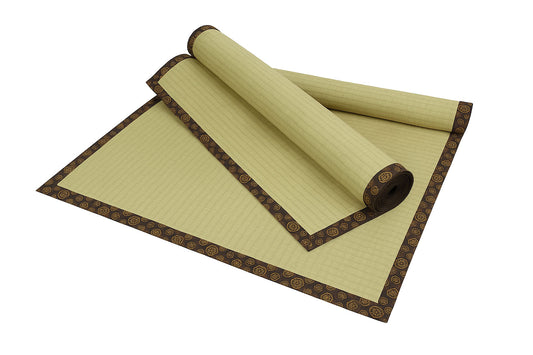
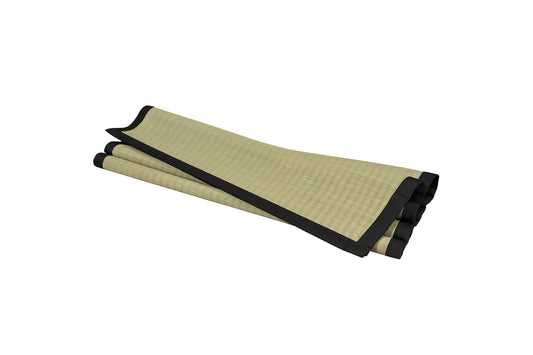
Tatami is the traditional Japanese flooring used under futons. Modern tatami panels typically combine a firm core with a woven igusa surface. The core gives you a stable, even base; the weave allows air to move and adds a slight spring to the feel. That combination is why so many people describe sleeping on a futon over tatami as firm but comfortable rather than hard.
If you are drawn to that aesthetic as well as the function, you can look at traditional tatami mats and platforms that are sized to work with futons and bed frames. When you place a futon or shikibuton on tatami, you are not only creating a breathable gap between the mattress and the structural floor, you are also anchoring the room in a very specific, calming visual language.
Compared to a hidden coir rug, tatami is much more visible and architectural. It can define a corner of the room, a raised platform, or even an entire sleeping area, which is part of the appeal if you want your sleep system to influence the overall design of the space.

When a Breathable Base Is Close to Essential
There are situations where it is hard to recommend a floor bed without some kind of breathable foundation underneath. If a mattress or futon lives directly on a solid floor and you sleep on it every night, especially in a humid climate or a below-grade room, the risk of trapped moisture and mold is high. In that case, adding either a coir bed rug or a layer of tatami between the mattress and the floor is less of a luxury and more of a basic requirement if you want the setup to last.
The same is true when you are sleeping on a thick, less breathable mattress on the floor. Dense foam or hybrid mattresses tend to hold onto moisture longer than thin all-cotton futons. When that kind of mattress sits flat on the floor, there is almost no opportunity for the underside to dry. Even a single layer of coir under a conventional mattress can make a noticeable difference in how dry and fresh it feels over time.
Routine matters too. Traditional Japanese practice involves folding and airing the futon daily, often near an open window or in the sun. Many people love the idea of a floor bed but know they will not roll and air a mattress every single morning. If that is you, adding a breathable base under the mattress is a practical way to compensate for a less strict routine.
When It Becomes an Upgrade Rather Than a Must
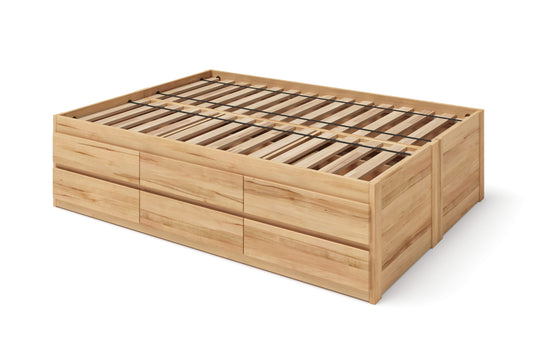
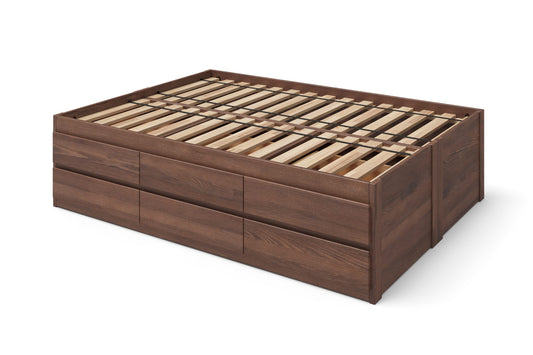
Not every low bed absolutely needs a bed rug or tatami. If you are sleeping on a natural futon or shikibuton on a well-designed slatted platform, the slats already create airflow under the mattress. In a dry, well-ventilated room, this can be enough on its own, especially if you occasionally stand the mattress on its side or move it to a sunnier spot now and then.
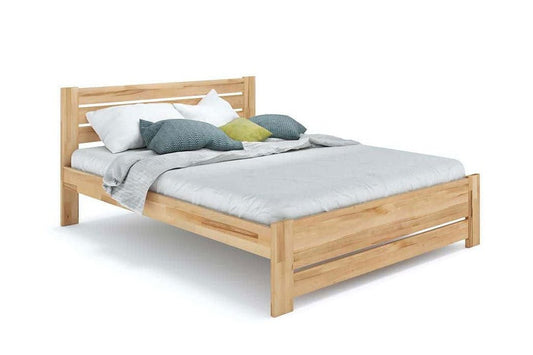
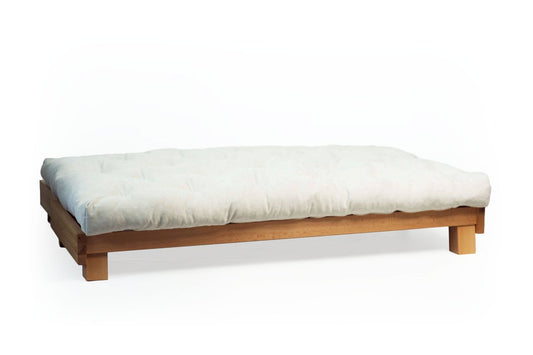
If you like the idea of sleeping lower without placing the mattress directly on the floor, it can help to look at low, modern floor beds. These sets raise the mattress just enough for air and light to move underneath, while still keeping the minimal, near-floor look that many people want with a shikibuton sleeping arrangement.
For guest rooms, you have even more flexibility. A futon that is only on the floor a few nights each month and is stored upright or folded between visits has much more time to dry. In that case, a bed rug or tatami is a nice extra, but the light usage pattern does a lot of the moisture management for you.
How Shikibutons Fit Into the Picture
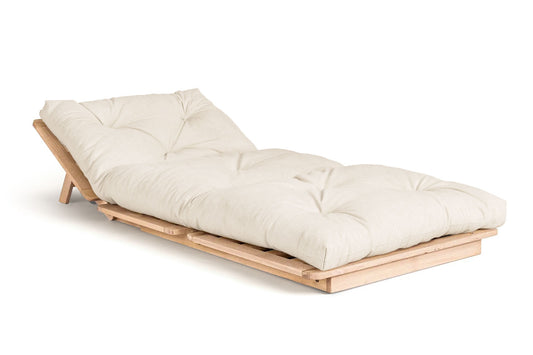
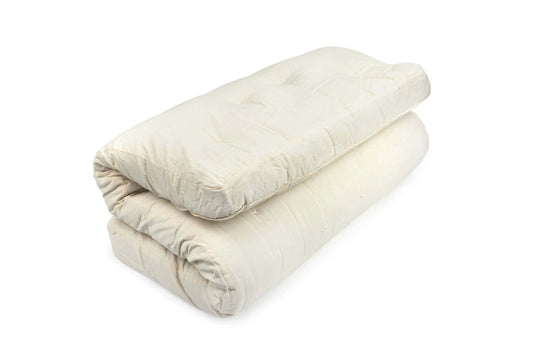
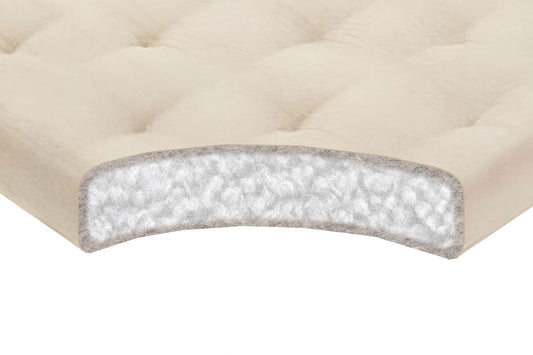
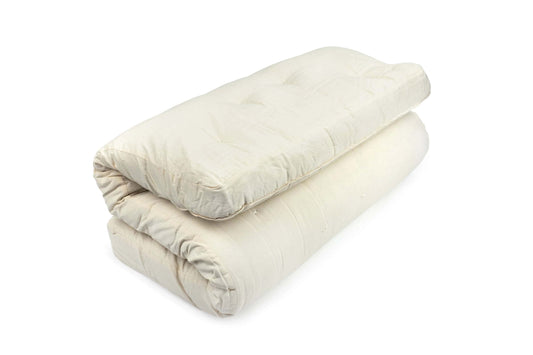
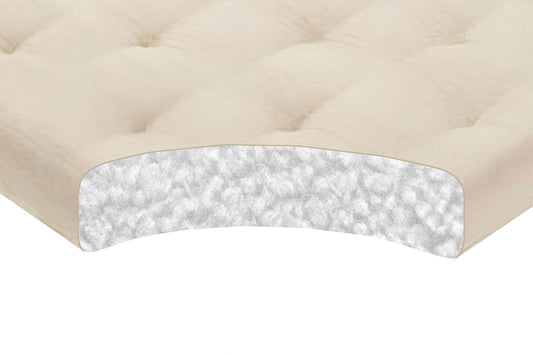
Thin, flexible shikibutons are traditionally designed to be folded and put away during the day. When you keep that habit, the mattress has a chance to dry on all sides, which greatly reduces the risk of hidden moisture. If you are interested in this style, you can explore natural cotton and wool shikibuton mattresses that are sized to work with floor beds, tatami platforms, and simple coir bed rugs.
If you prefer to leave a shikibuton down most of the time, a hybrid approach can work very well: a tatami base or coir rug under the mattress, plus a simple routine of occasionally standing the futon up near an open window or sliding door. For bigger picture ideas on arranging and maintaining this kind of setup, you can read a comprehensive floor bed guide that covers room layout, mattress rotation, and cleaning.
Putting It All Together
In the end, the question is not whether every floor bed needs a bed rug or tatami, but whether your specific room, climate, and habits give moisture an easy way out. If you sleep every night on a mattress or futon that sits directly on a solid floor in a humid or cool space, a breathable base under the mattress is very close to non-negotiable. A coir bed rug or a tatami layer will help protect both the mattress and the floor underneath and will keep the sleep environment fresher over time.
If you already have a breathable futon or shikibuton on a low, slatted frame in a reasonably dry, airy room, then tatami or a bed rug becomes an upgrade rather than a strict requirement. It will still make the system more forgiving if you skip a week of airing, and it often improves comfort, but the basic structure is already working in your favor.
If you are still deciding what you need, it can be helpful to combine different resources. A guide to how mattresses develop mold and how airflow prevents it explains the moisture side, an in-depth look at coconut coir bed components shows how a bed rug works in practice, and a floor bed guide for modern small homes helps you think through layout and routine. Once you understand those pieces, it becomes much easier to know whether your own sleep setup needs a hidden coir rug, a full tatami platform, a low floor bed frame, or simply a well-chosen natural futon that can breathe.