
The Complete Guide to Bunk Bed Mattresses: Sizing, Thickness, and Safety
A bunk bed mattress is not a standard mattress purchase. The dimensions are familiar — twin, full — but the constraints are different, and the most important one is one that most buyers don't encounter until they're assembling the bed and trying to fit a mattress under the guardrails.
Understanding what those constraints are before you buy both the bed and the mattress saves a return trip and, more importantly, keeps the top bunk genuinely safe rather than technically assembled. Comfort Pure's solid wood bunk beds are designed with specific mattress thickness recommendations, and the reasoning behind those recommendations is worth understanding.

The Guardrail Problem
Top bunk guardrails exist to prevent a sleeping child from rolling off the edge. They work by maintaining a physical barrier between the sleeping surface and the open side of the bunk. What reduces their effectiveness is a mattress that's too thick.
US safety standards require the top edge of the guardrail to extend at least five inches above the mattress surface. If your mattress is 12 inches thick and your guardrail sits 17 inches above the bed slats, the effective protection is exactly five inches — technically compliant but with almost no margin. A bunk bed mattress at or under nine inches keeps meaningful guardrail height on most standard bunk frames.
On Comfort Pure bunk beds, the top bunk is designed to fit mattresses up to 9.25 inches, with six inches recommended as the practical maximum for the top bunk. The bottom bunk has no such restriction — a thicker mattress is perfectly fine below.
Sizing by Configuration
Twin mattresses measure 38 by 75 inches. Full mattresses measure 54 by 75 inches. These standard dimensions apply regardless of whether the mattress is going into a bunk bed or a standalone frame — what changes is the thickness recommendation for the top bunk.
For the top bunk: a twin mattress for bunk bed use should be between four and six inches thick. It keeps guardrail height well above the safety minimum, sits low enough for the occupant to have comfortable headroom, and in most cases provides adequate support for a child who isn't particularly heavy.
For the bottom bunk: standard mattress thickness — eight to twelve inches — works fine. The bottom bunk has no guardrail height consideration and no overhead clearance constraint in most rooms. A twin bunk bed mattress on top and a thicker mattress below is a practical combination that many families use.
-
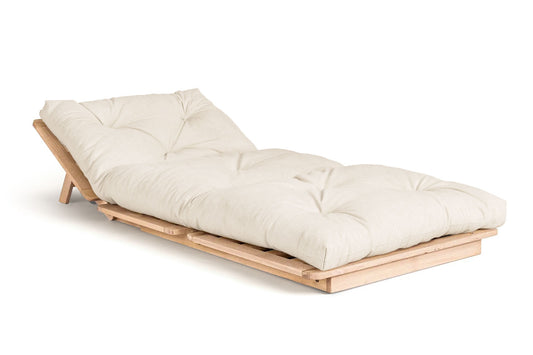
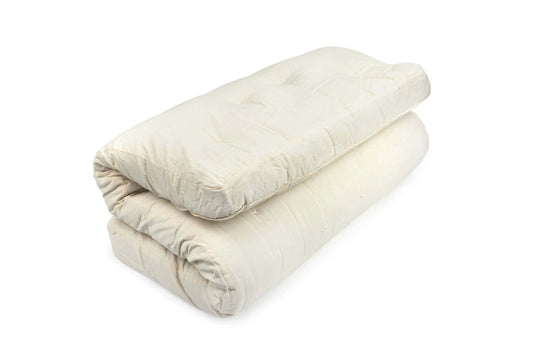
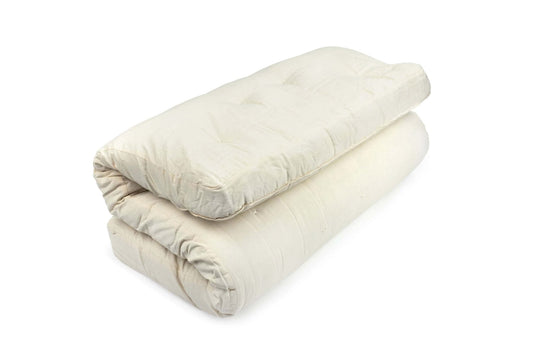
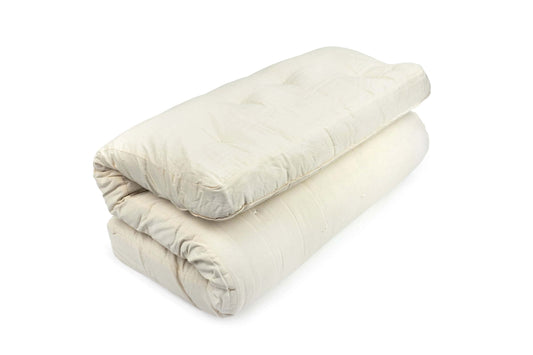
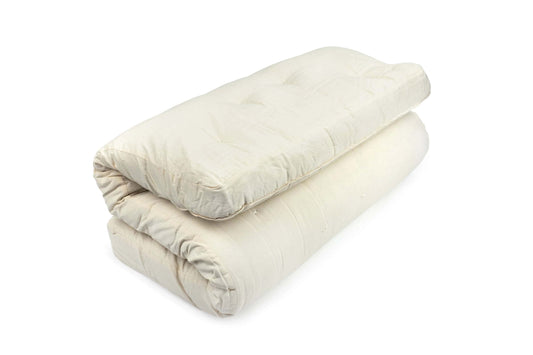
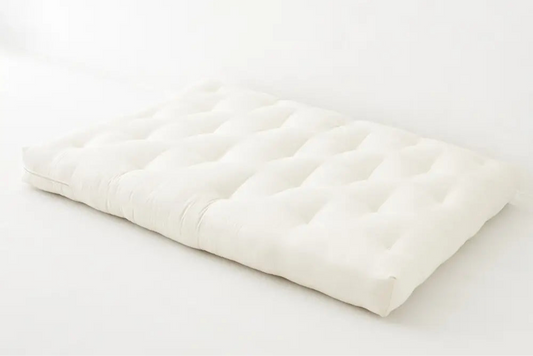
Natural Cotton and Wool Shiki Futon Mattress
Regular price From $279.99Regular price $419.99 Sale price From $279.99Sale -
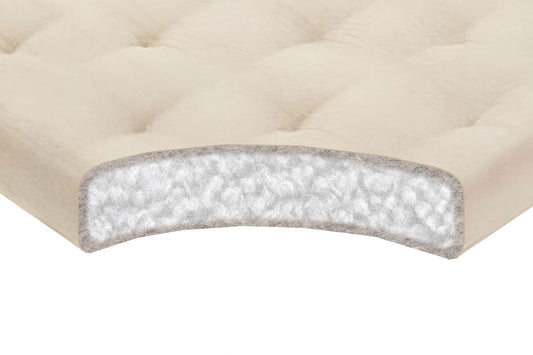
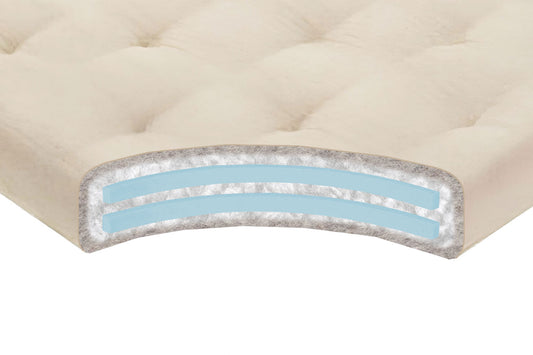
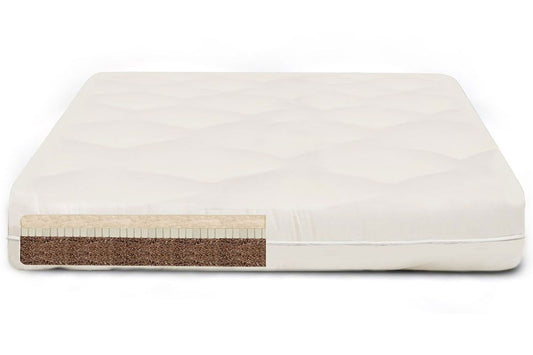
Natural Cotton, Wool and Foam Futon Mattress
Regular price From $469.99Regular price $709.99 Sale price From $469.99Sale -
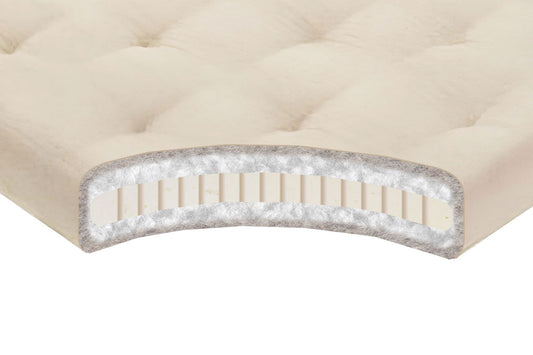
Natural Cotton, Wool and Latex Shiki Futon Mattress
Regular price From $879.00Regular price $1,759.99 Sale price From $879.00Sale -
Natural All Cotton Shiki Futon Mattress
Regular price From $199.99Regular price $299.99 Sale price From $199.99Sale -
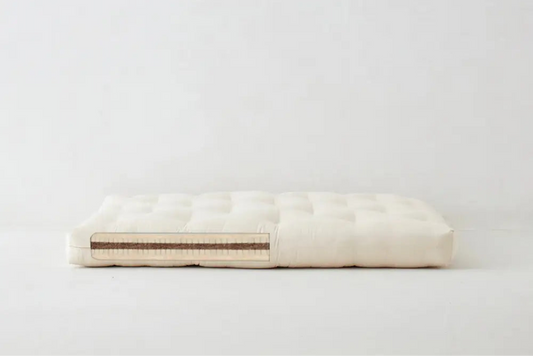
Natural Cotton and Wool Japanese-Style Firm Futon Mattress
Regular price From $529.99Regular price $669.99 Sale price From $529.99Sale -
Natural Cotton, Wool and Foam Japanese-Style Medium-Firm Futon Mattress
Regular price From $659.99Regular price $829.99 Sale price From $659.99Sale -
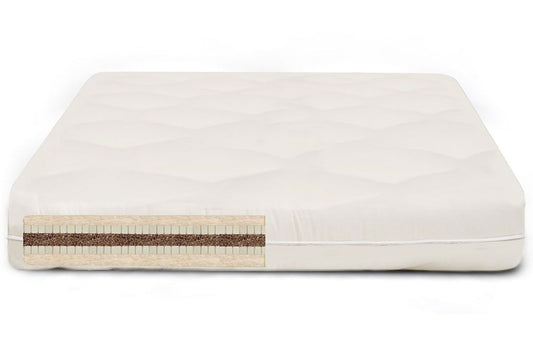
Natural Cotton, Wool and Latex Japanese-Style Medium-Firm Futon Mattress
Regular price From $839.99Regular price $1,049.99 Sale price From $839.99Sale -
Natural Cotton, Foam and Pocket Spring Mattress
Regular price From $649.98Regular price $999.96 Sale price From $649.98Sale -
Natural Cotton, Foam and Innerspring Mattress
Regular price From $523.48Regular price $769.96 Sale price From $523.48Sale -
Natural Coconut, Latex and Wool Bed Mattress (Extra-Firm)
Regular price From $1,288.98Regular price $1,979.96 Sale price From $1,288.98Sold out -
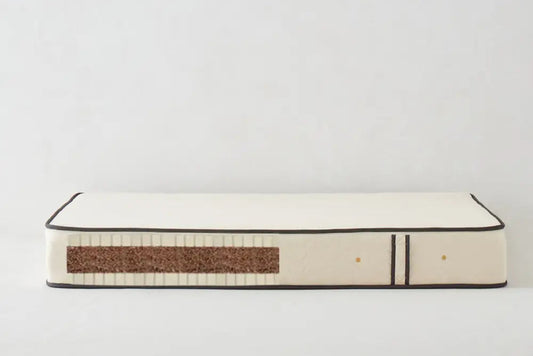 Sold out
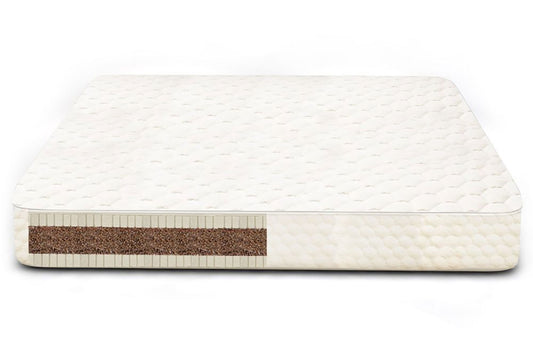
Natural Coconut and Latex Mattress
Regular price From $1,547.48Regular price $2,449.96 Sale price From $1,547.48Sold out -
Natural Latex, Coconut and Wool Mattress (Extra-Firm)
Regular price From $1,272.98Regular price $1,979.96 Sale price From $1,272.98Sold out
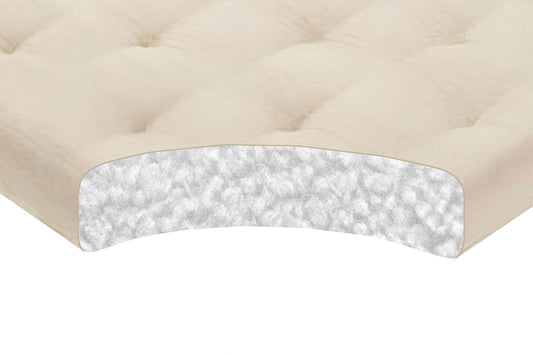

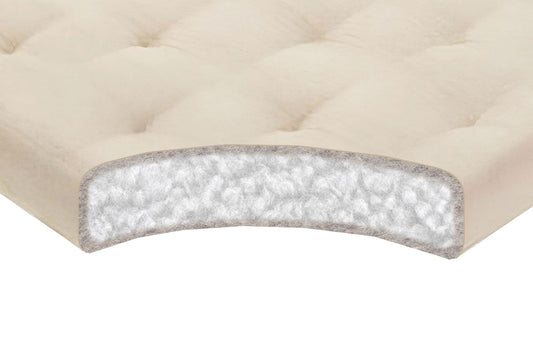
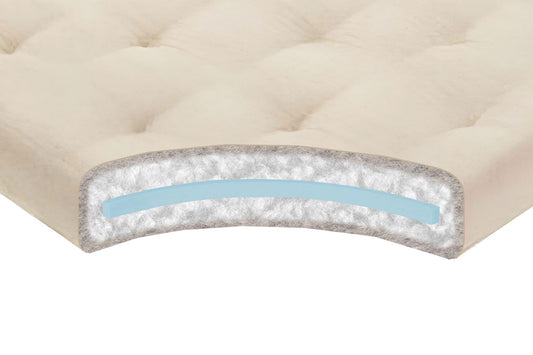
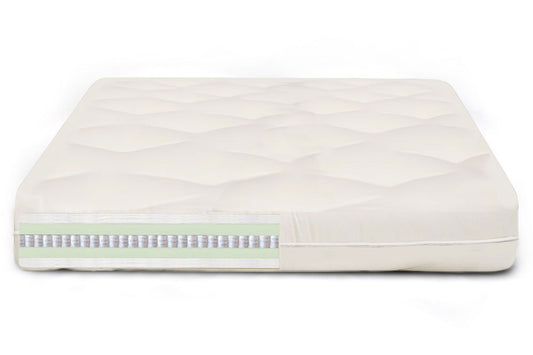



What's Inside the Mattress Matters Too
For parents buying a bunk bed specifically because they want a healthier sleeping environment for their children, the mattress fill is as important as the frame material. A solid wood frame with a non-toxic finish means very little if the child is sleeping on a foam mattress that off-gasses VOCs throughout the night.
Conventional foam and innerspring mattresses — including many marketed specifically as bunk bed mattresses — are often made with polyurethane foam, synthetic fire retardants, and adhesives that release low levels of volatile organic compounds, particularly when new. For a child spending eight or more hours per night in an enclosed sleeping space, that matters.
Natural fill options — cotton, wool, and latex — don't have this problem. Cotton fills are firm and traditional, suitable for children who prefer a flatter sleeping surface. Wool adds temperature regulation and resilience. Latex is the most responsive and durable option, and natural latex from certified sources carries no off-gassing concerns. Comfort Pure's natural mattress collection includes options in all three fills at thicknesses appropriate for both top and bottom bunks.
Mattress Firmness for Children
Children, especially younger ones, generally sleep better on a firmer surface than adults. Soft memory foam that contours to body weight can make it harder for a child to change positions during sleep and offers less postural support than a firm cotton or wool fill. For a top bunk mattress specifically, firmness also means the mattress sits flatter and more predictably under the guardrails — a practical benefit alongside the sleep quality one.

What to Avoid
A few common mistakes when purchasing a bunk bed mattress:
Buying a mattress that's too thick for the top bunk is the most frequent issue. Measure the guardrail height above the slats and subtract your planned mattress thickness before ordering — the top edge of the rail needs to clear the mattress surface by at least five inches.
Using a standard innerspring mattress on a slatted base without checking slat spacing is another. Slats spaced more than three inches apart can cause an innerspring mattress to compress unevenly over time. Natural fill mattresses — particularly cotton futon-style mattresses — are generally more tolerant of wider slat spacing.
Assuming both bunks need identical mattresses. They don't. The top bunk needs a thinner, firmer mattress. The bottom bunk can accommodate whatever is most comfortable for its occupant.
FAQs
What is the maximum mattress thickness for a top bunk?
On Comfort Pure bunk beds, the top bunk accommodates mattresses up to 9.25 inches, with six inches recommended as the practical maximum to maintain adequate guardrail height above the sleeping surface.
Can I use the same mattress on both the top and bottom bunk?
You can use the same type, but the top bunk benefits from a thinner mattress — four to six inches — for safety reasons. The bottom bunk has no thickness restriction.
Do natural fill mattresses work on bunk bed slats?
Yes. Cotton, wool, and latex fill mattresses are well-suited to slatted bunk bed bases and distribute weight across the slats without requiring a box spring.
Why does mattress fill material matter for children's bunk beds?
Children spend significant time in their bedrooms. Mattresses made with polyurethane foam or synthetic materials can off-gas VOCs. Natural fills — cotton, wool, and certified natural latex — do not have this problem.
What is the minimum required guardrail height above a bunk bed mattress?
US safety standards require at least five inches of guardrail above the mattress surface on the open side of the top bunk. Staying within recommended mattress thickness keeps this margin safe and functional.
Getting the mattress right for a bunk bed comes down to two things: keeping the top bunk mattress thin enough to maintain effective guardrail protection, and choosing a fill that actually suits a child's sleeping environment rather than just fitting the frame. A solid wood frame built to last deserves a mattress that approaches the same standard.
For more on how natural materials factor into a healthy kids' room, the article on choosing a non-toxic mattress covers certifications and fill materials in more detail. The age and safety guide also explains how guardrail height connects to the top bunk readiness question.