
Sofa Bed vs Futon: Which Is Better For Small, Healthy Homes?
-
El Paso Eco Futon Sofa Bed
Regular price From $689.99Regular price $819.99 Sale price From $689.99Sale -
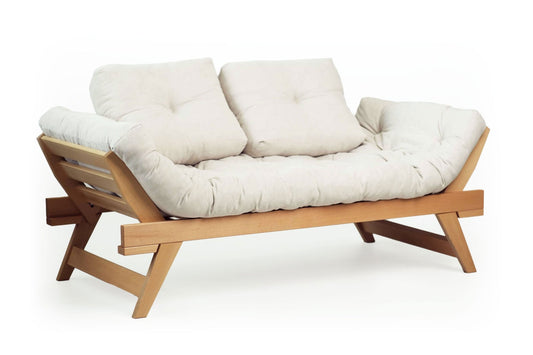
Taurus Eco Futon Sofa Bed
Regular price From $519.99Regular price $699.99 Sale price From $519.99Sale -
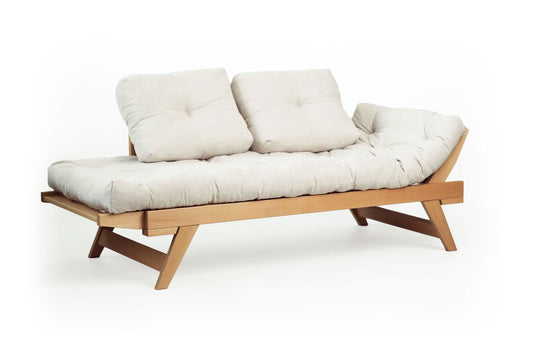
Long Beach Daybed Sofa Bed
Regular price From $659.99Regular price $739.99 Sale price From $659.99Sale -
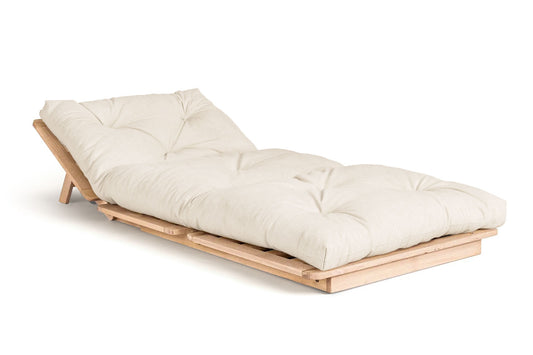
Hitachi Tri-Fold Futon Sofa Bed
Regular price From $249.99Regular price $599.99 Sale price From $249.99Sale -
Elk Grove Eco Futon Sofa Bed
Regular price From $759.99Regular price $869.99 Sale price From $759.99Sale -
Aries Eco Futon Sofa Bed
Regular price From $569.99Regular price $699.99 Sale price From $569.99Sale -
Akron Eco Futon Sofa Bed
Regular price From $689.99Regular price $819.99 Sale price From $689.99Sale -
Virgo Eco Futon Sofa Bed
Regular price From $589.99Regular price $699.99 Sale price From $589.99Sale -
Sendai Tri-Fold Futon Sofa Bed
Regular price From $299.99Regular price $349.99 Sale price From $299.99Sale -
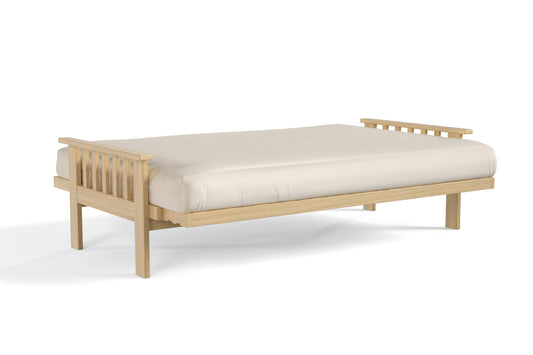
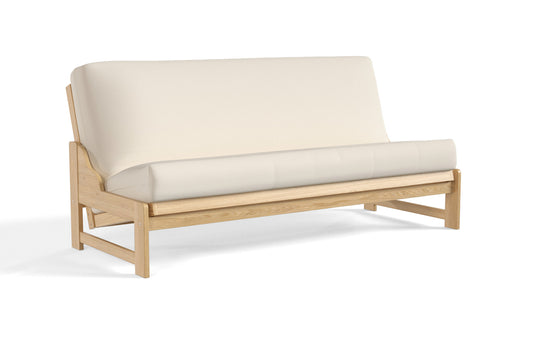
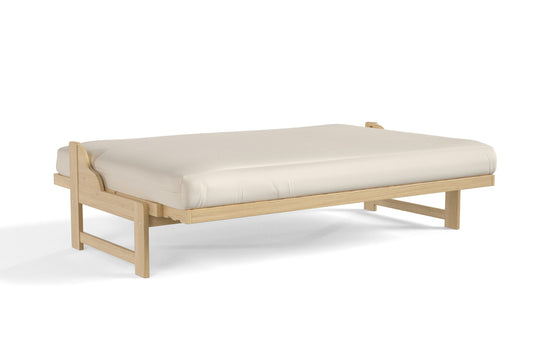
Mission Flat Arm Amish-Made American Oak Futon Sofa Bed
Regular price From $959.99Regular price $1,219.98 Sale price From $959.99Sale -
Libra Eco Futon Sofa Bed
Regular price From $619.99Regular price $699.99 Sale price From $619.99Sale -
Mission Bent Arm Amish-Made American Oak Futon Sofa Bed
Regular price From $1,019.99Regular price $1,319.98 Sale price From $1,019.99Sale



Space And Layout: How Each Option Behaves In A Small Room
In a small living room or studio, you are usually dealing with three challenges at once: walkway space, storage, and how often you want to convert the furniture between seating and sleeping modes.
Sofa beds in tight spaces
Traditional pull-out sofa beds require clear floor space in front of the sofa every time you open the bed. If you have a low coffee table, a rug, or a media console directly opposite, those pieces either need to move or live with being bumped on a regular basis. Once open, the bed often fills most of the room.
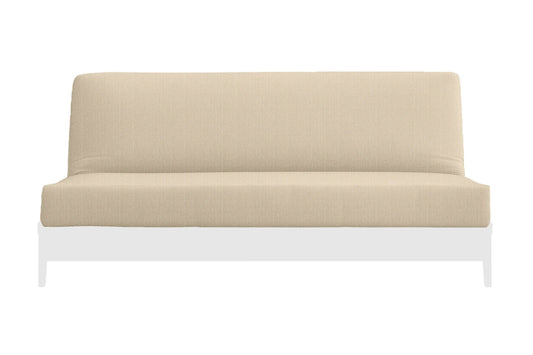
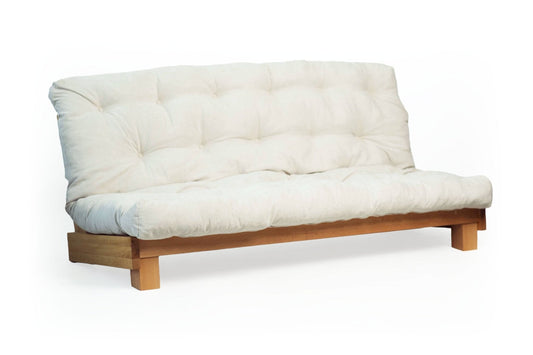
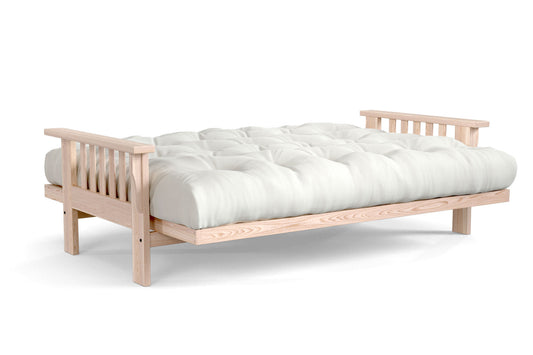
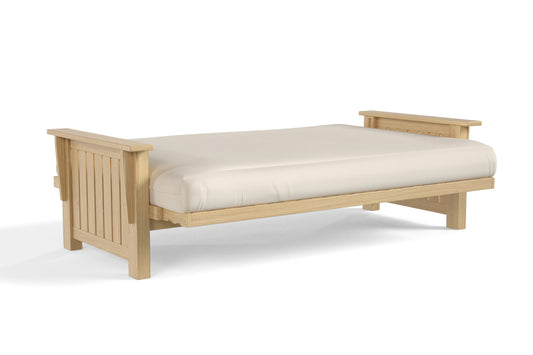
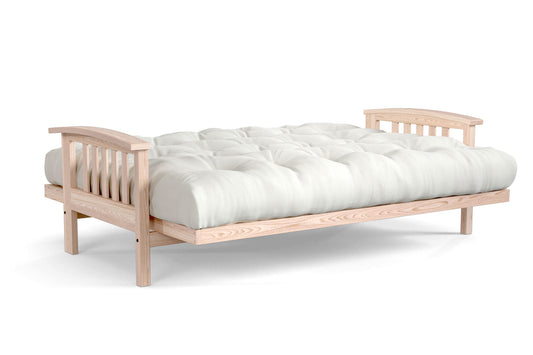
Modern fold-flat “click-clack” designs are easier in small rooms because they convert in place without pulling a bed outward into the walkway. In practice, many of these behave much closer to a futon-style setup than a classic pull-out, because you are typically sleeping on the same surface you sit on.
Futons and flexible footprints
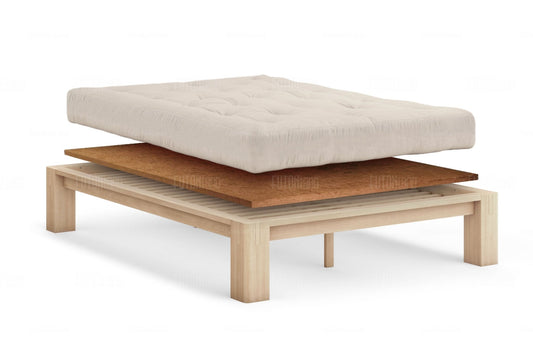
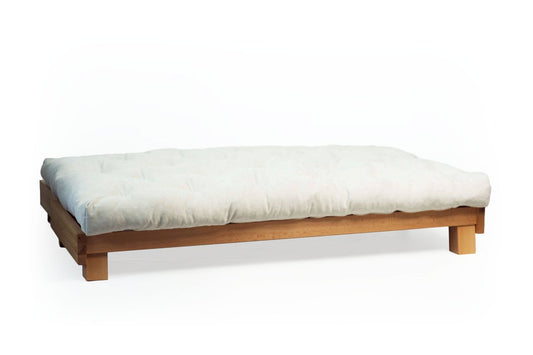
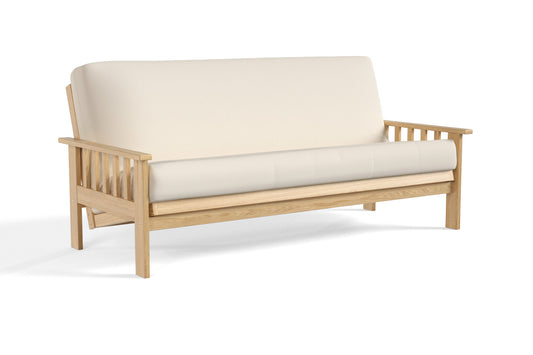
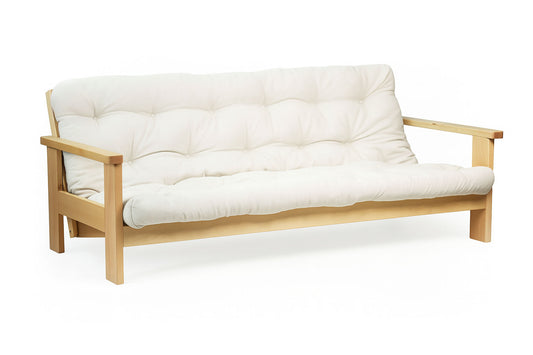
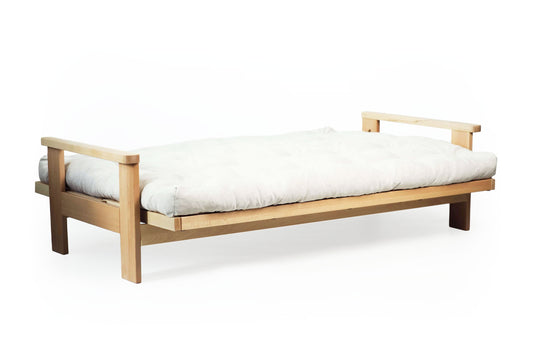
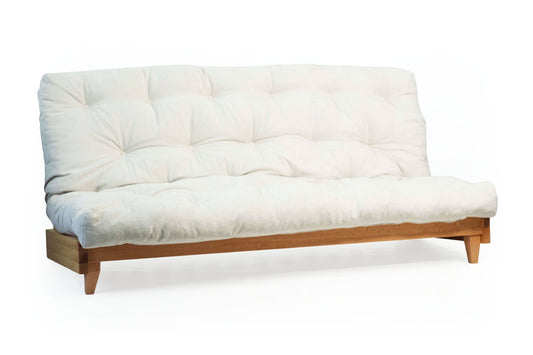
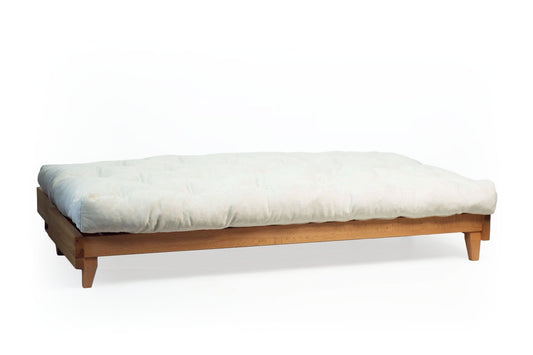
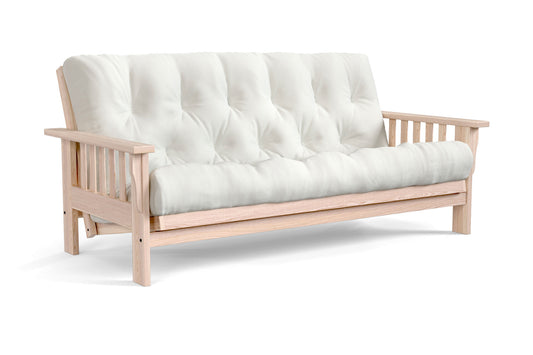
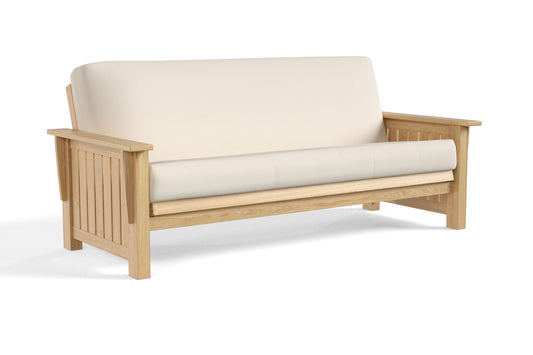
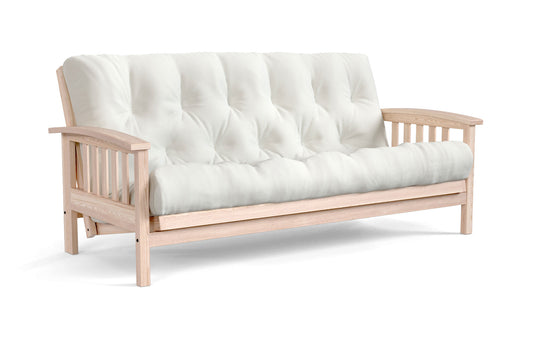
A futon system is often more modular. With a wooden futon frame, the footprint is comparable to a sofa bed, but the mechanism is usually simpler and the frame tends to sit lower, which can make a small room feel more open. With a floor futon or a mattress on a low platform, you have more freedom to move the sleep surface entirely if you ever want to rearrange the room.
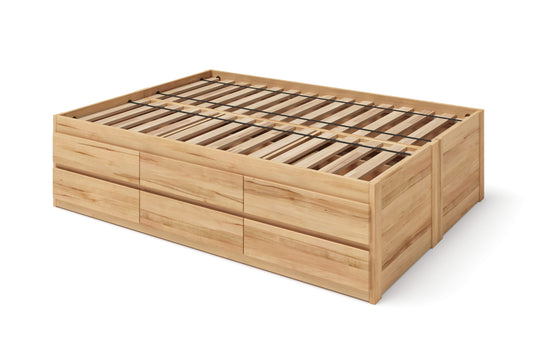
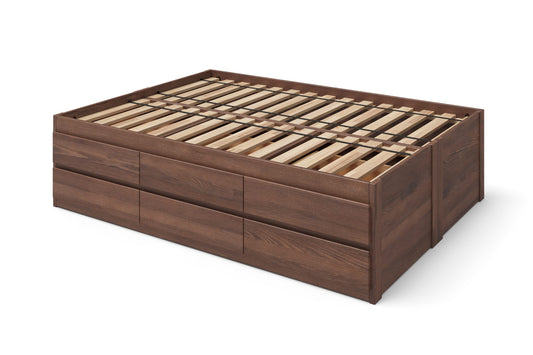
If you choose a frame from a curated collection of solid wood futon frames, you can also match the footprint exactly to the mattress size (twin, full, queen) and sometimes add storage underneath, something many sofa beds do not offer.

Comfort: Sitting And Sleeping On The Same Piece
For most people in small homes, this is the heart of the question. You might be willing to compromise a little on seating comfort if the bed is good, or vice versa, but not too much on either side.
How sofa beds feel
On a pull-out sofa bed, the sitting comfort can be excellent because you are on regular sofa cushions most of the time. The trade-off comes at night. The hidden mattress is often thin, made from basic foam, and stretched over a metal support grid that can be felt through the surface. Newer designs have improved this, but it is still common for sleepers to feel the mechanism underneath.
On a fold-flat sofa bed design, where the back reclines into a flat position, you are usually sleeping on the same surface you sit on. The padding may be more even than in a pull-out, but it is often designed first for seating posture and only secondarily for sleeping posture.
How futons feel
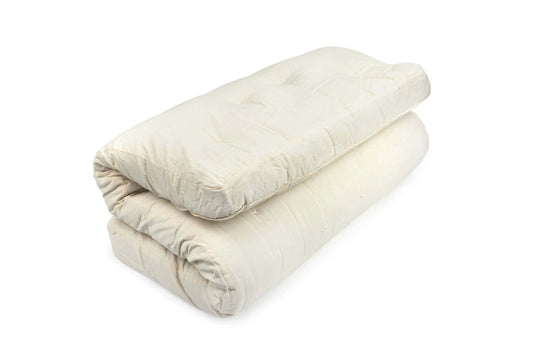
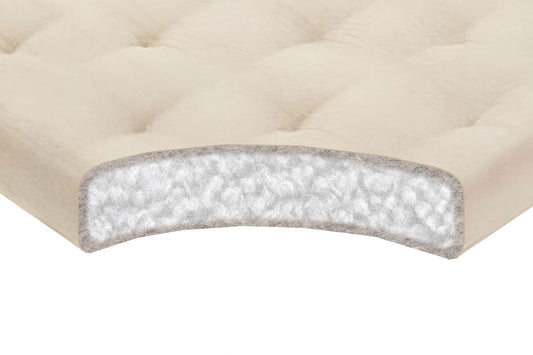
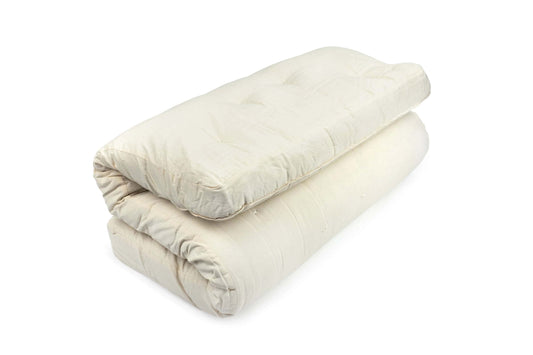
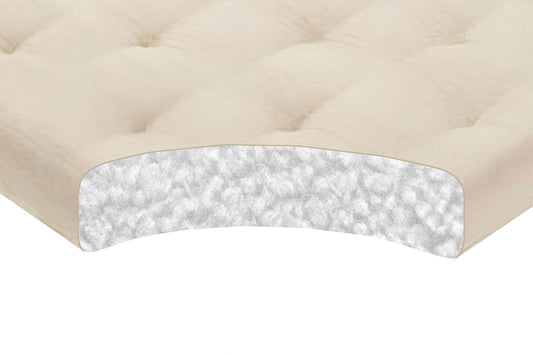
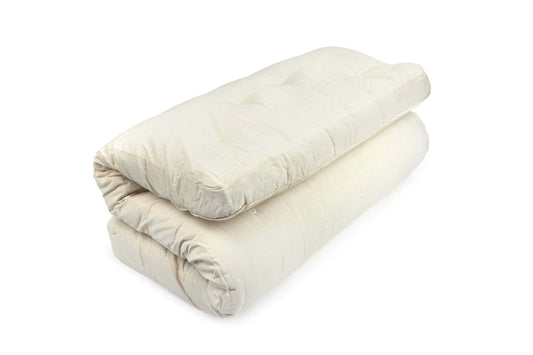
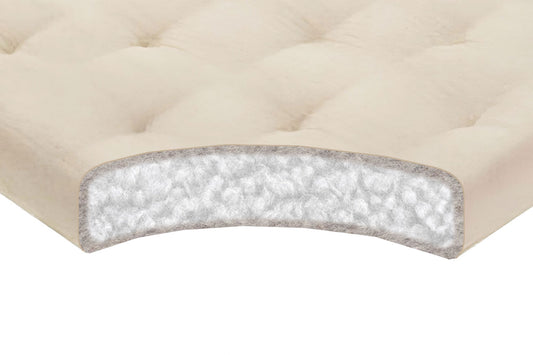
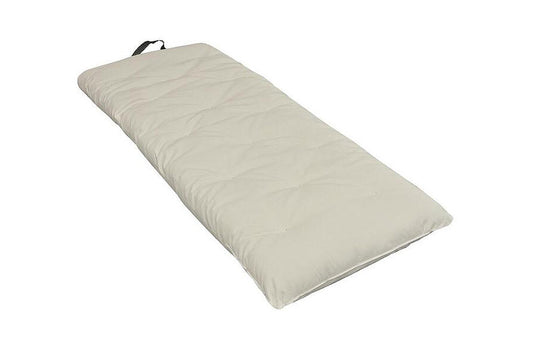
With a futon, the same cushion does both jobs, so comfort depends heavily on the quality of the mattress. A low-cost, thin polyester futon will feel uncomfortable both as a seat and a bed. A well-made natural futon mattress, on the other hand, can be supportive and surprisingly comfortable for nightly sleep, especially if it uses cotton, wool, or latex in thoughtful layers.
Because many futon mattresses are designed with sleep in mind first, you can often find options that feel closer to a traditional bed, especially when paired with a solid frame from a carefully chosen futon setup. If you plan to sleep on the futon most nights, investing in a supportive futon mattress built for nightly sleep pays off far more than choosing a complex mechanism.
Materials And Health: What Lives Inside The Furniture
For people building a healthier home, what is inside the cushions and frame matters just as much as how they look from the outside. Sofa beds and futons can be built either with many synthetic, petrochemical-based components or with mostly natural materials, depending on where you shop and how much you prioritize this aspect.
Typical sofa bed materials
Many mainstream sofa beds rely on:
- Polyurethane foam cushions with various additives for firmness and flame resistance.
- Particleboard or plywood frames, sometimes combined with metal support structures.
- Synthetic fabrics such as polyester or microfiber on the exterior.
These materials are not inherently “bad,” but they can off-gas volatile organic compounds (VOCs) and may not breathe as well as natural fibers. In very small apartments, a large piece made mostly of foam and engineered wood can influence the overall air quality more than you might expect. If you want a clear overview of VOCs in indoor environments, see the EPA’s guide to VOCs and indoor air quality.
Typical futon materials
With futons, there is a wider range. On the low-cost end, you can absolutely find the same foams and synthetic covers described above. However, futons also have a long tradition of using simple, natural materials: cotton batting, wool layers, natural latex, and solid wood. If you are curious about how Scandinavian design influences modern minimal interiors (often paired with Japanese-inspired simplicity), Britannica’s overview of Scandinavian design gives helpful context.
If you seek out futon mattresses built from these ingredients and pair them with a solid wood frame, you can build a seating-and-sleeping setup that is far more in line with healthy home values. This is especially true if you choose natural bedding on top, drawn from a natural bedding collection that favors cotton and wool over synthetic fills.
For a broader look at multifunctional furniture that supports small, health-focused living, you may find ideas in this article on multifunctional pieces in small healthy homes.

Maintenance, Cleaning, And Longevity
In a small home, your main seating and sleeping piece will see a lot of use. It will collect dust, skin oils, and maybe the occasional snack or pet hair. How easy it is to clean and how long it lasts are both critical.
Caring for sofa beds
Sofa bed cushions are usually upholstered in fabric that is not designed to be removed and washed frequently. Spot cleaning and vacuuming are fine, but you cannot easily rotate or fluff the hidden mattress, and if the foam compresses over time, there is often no simple way to replace just that component.
Mechanisms can wear out as well. Pull-out frames have moving parts and wires that can bend or squeak. Repair is possible, but it is rarely as simple as replacing a plank or tightening a bolt.
Caring for futons
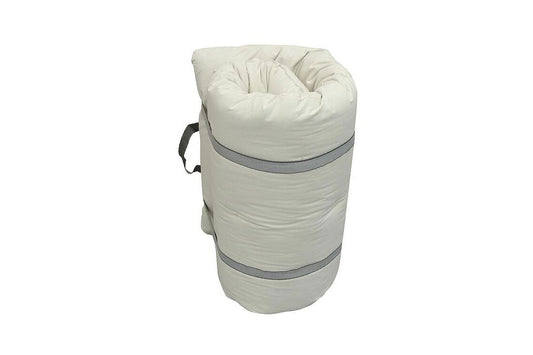
Most futon mattresses can be rotated and flipped regularly, which helps them wear more evenly. Many come with zippered covers or can be paired with removable cover sets, making it much easier to keep the surface clean. You can also air a futon in sunlight or stand it on its side for a while to refresh the fibers.
Frames are typically simpler, especially when you choose a style that emphasizes straightforward wood construction. Hardware is usually accessible and replaceable, meaning a squeaky hinge or loose arm does not doom the entire piece.
Cost And Value Over Time
At the budget end of the spectrum, sofa beds and futons both come in very low-cost versions that are unlikely to hold up as long-term solutions. With either category, the question becomes what you get for the next tier up in price.
A well-made sofa bed with a high-quality mechanism and mattress can be expensive, and it still may not be ideal for nightly sleep. By contrast, a high-quality futon mattress and a solid frame can often provide both reliable seating and a genuinely supportive bed in the same footprint.
If you plan to sleep on the piece most nights, it is usually more cost-effective to channel your budget into the sleeping comfort and materials of a futon setup rather than complex hardware. For occasional guest use in a living room that functions mostly as a sitting space, a futon sofa setup can still be the practical choice when you choose the right mattress for how often you will sleep on it.

Which Is Better For Your Small, Healthy Home?
There is no single correct answer, but your best option becomes clearer when you look honestly at how you will use the piece and what you value most.
- If you need a true everyday bed and you care about natural materials, a futon system with a supportive mattress and a simple frame is often the better fit. It is easier to build from cotton, wool, and solid wood, and to pair with breathable layers from your preferred natural bedding collection.
- If the piece will be used primarily as a sofa and only occasionally as a guest bed, and you need it to look like a conventional couch most of the time, you can still get that look with a futon sofa that has clean lines and a mattress chosen for your actual sleep frequency.
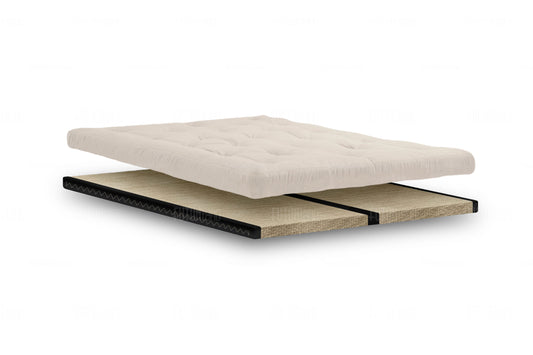
- If you want maximum flexibility with layout and the option to experiment with floor living, a futon mattress on a low frame or tatami-style base makes rearranging simple and helps keep the visual height of the room low and calm.
For a focused look at how these two categories compare case by case, you may enjoy this comparison of sofa beds and futon frames, which walks through more specific scenarios, from guest rooms to home offices.
FAQ: Sofa Bed vs Futon
Which is better for a small apartment: a sofa bed or a futon?
It depends on how often you will sleep on it. Sofa beds can work well when you mainly need a conventional sofa look with occasional guest use. Futons can be better when the piece will be slept on regularly and you want a simpler setup that can be built with more natural materials.
Which option is usually more comfortable for nightly sleep?
Futons often win for nightly sleep when the mattress is built for sleeping and paired with solid support, because you can invest directly in the mattress quality. Many pull-out sofa beds still use thinner mattresses that can feel less supportive over time.
Which is better for a “healthy home” with cleaner materials?
Either can be made well, but futon setups are often easier to build around natural components like cotton, wool, latex, and solid wood. Mainstream sofa beds more commonly rely on larger amounts of foam and engineered wood, which can matter more in smaller spaces.
Which one is easier to maintain and clean?
Futons are often easier because many futon mattresses can be rotated and flipped, and covers are more commonly removable. Sofa beds can be harder to maintain because the hidden mattress and moving mechanism are less accessible.
Do sofa bed mechanisms wear out over time?
They can. Pull-out frames and fold-down mechanisms have moving parts that may loosen, squeak, or require repair. Futon frames are usually simpler, and replacing just the mattress is often straightforward.
When does a sofa bed make more sense than a futon?
A sofa bed can make sense when you prioritize a conventional sofa look and will convert only occasionally. If you want a simpler setup with more control over mattress materials, a futon sofa setup is often the better long-term fit.
Putting It All Together
In a small, health-conscious home, the best furniture decisions are usually the ones that balance function, comfort, and materials instead of chasing a single trend. Sofa beds and futons both have a place, but they serve slightly different lives.
If you imagine your main convertible piece as part of a whole system—alongside a solid bed or futon frame, supportive mattresses or futons, and lightweight natural textiles—you can create a flexible, multiuse room that still feels like a clean, breathable place to rest.
Whichever side you lean toward, paying attention to what is inside the cushions and behind the upholstery will pay you back every day you live with it. A convertible piece built with durable, low-tox materials, chosen with your real routines in mind, will always serve your small, healthy home better than a showy mechanism you rarely sleep well on.