
Japandi Bedroom Ideas: Low Platform Beds, Futons, and Calm Natural Materials
Japandi bedroom design sits at the intersection of two philosophies that turn out to have more in common than their geography suggests. Japanese minimalism brings simplicity, natural materials, and a close relationship between how a room looks and how it feels to inhabit. Scandinavian design adds warmth, softness, and a practical insistence on everyday comfort. Together, they produce interiors that are calm without feeling cold, minimal without feeling empty.
What draws people to this aesthetic isn't just the way it photographs. It's the appeal of a room that doesn't demand anything from you — no visual noise to process, no clutter competing for attention, no furniture that exists purely for show. Research by Saxbe and Repetti at UCLA, published in Personality and Social Psychology Bulletin, found that people who described their homes as cluttered or unfinished showed flatter daily cortisol patterns — a profile associated with chronic stress and adverse health outcomes. It gives the Japandi instinct for clear surfaces and minimal objects a practical basis, not just an aesthetic one.
This guide covers how to build that kind of room in a practical way: choosing the right bed, working with natural surfaces, adding storage that disappears, and bringing in just enough detail to make the space feel alive.

Start With How You Want The Room To Feel
Before picking out any furniture, it's worth deciding what you actually need the room to do. Classic Japanese interiors are shaped by the principle that every object earns its place, and that empty space is part of the design rather than a gap waiting to be filled. That principle is harder to apply when you're shopping than it sounds.
A few questions worth answering first: Is the room purely for sleep, or does it need to function as a reading or meditation space too? Do you want a bed that stays set up, or are you open to a floor setup that can be folded away during the day? How much storage do you genuinely need — not in the aspirational sense, but accounting for the clothes, devices, and books you actually own? What are your real constraints: carpet, baseboard heaters, a room that doubles as a home office?
Answering these honestly shapes every decision that follows. A room built around your real routines holds together over time. One built around a reference photo usually doesn't.
Japandi vs. Traditional Minimalism: What's the Difference?
| Japandi | Traditional minimalism | |
|---|---|---|
| Palette | Warm neutrals — oat, stone, clay, soft charcoal | Cool whites, grays, black-and-white contrast |
| Materials | Natural wood, cotton, wool, tatami, linen | Often concrete, glass, lacquered surfaces |
| Bed height | Low to floor — platform or tatami-based | Varies; height is not a defining principle |
| Texture | Layered natural textures within a quiet palette | Often smooth and uniform; texture is secondary |
| Accessories | A few meaningful handmade objects | Often none — surfaces left entirely bare |
| Feel | Warm, lived-in, grounded | Can feel austere or clinical |
The Bed: Low, Grounded, and Simple
The bed anchors everything else in this style, and its position matters as much as its appearance. A low bed keeps the mattress close to the floor, emphasizing horizontal lines and making even a modest-sized room feel more open and less top-heavy. Tall platform beds, ornate headboards, and high box springs all work against that.
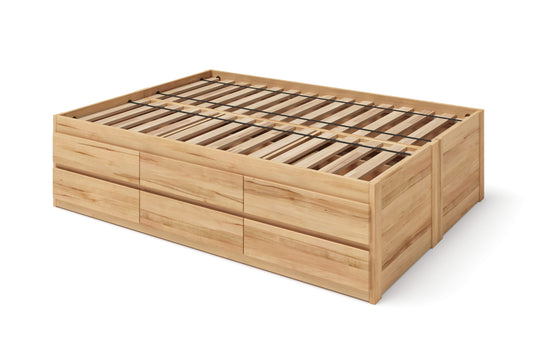
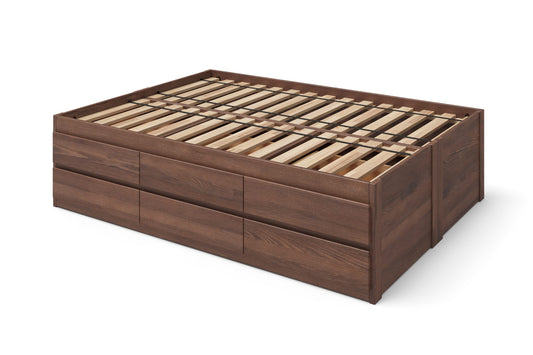
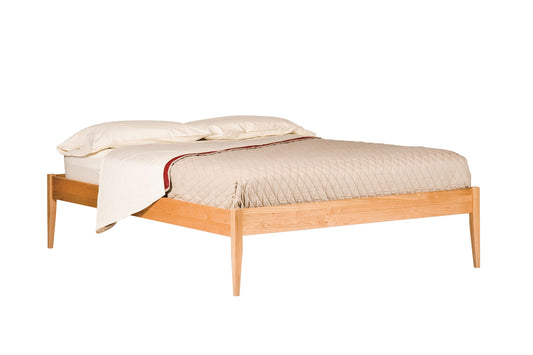
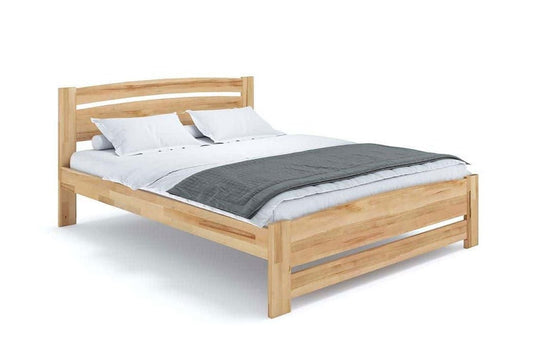
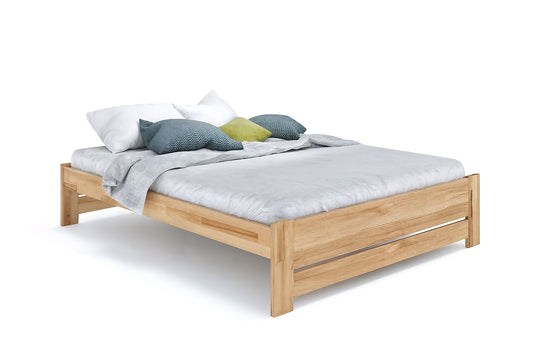
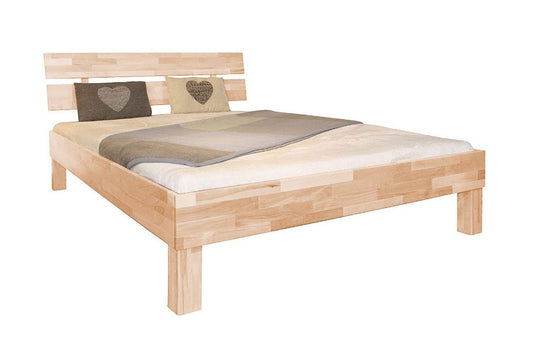
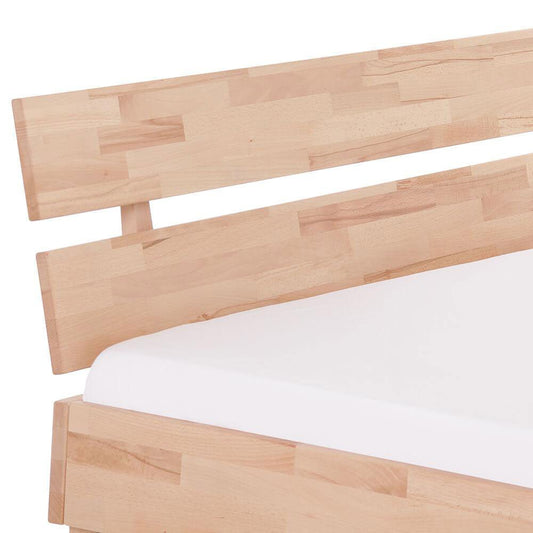
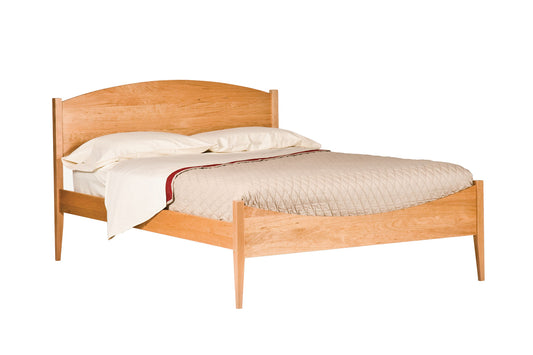
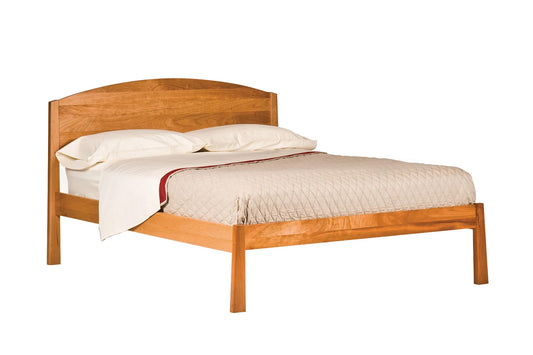
For a permanent setup, a minimal solid wood platform bed in oak, walnut, or another warm hardwood is the most natural choice. Simple silhouettes, softened edges, and a natural finish that lets the grain show through — these details do more work than any decorative element. Frames built this way pair easily with neutral bedding and don't compete with the rest of the room.

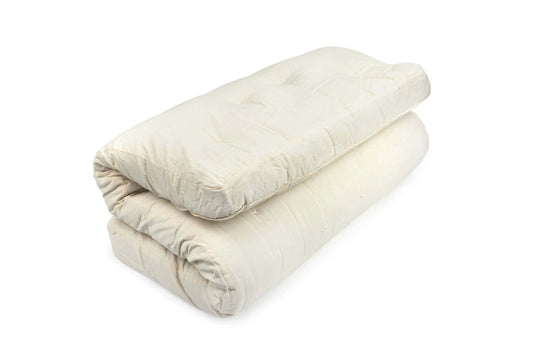
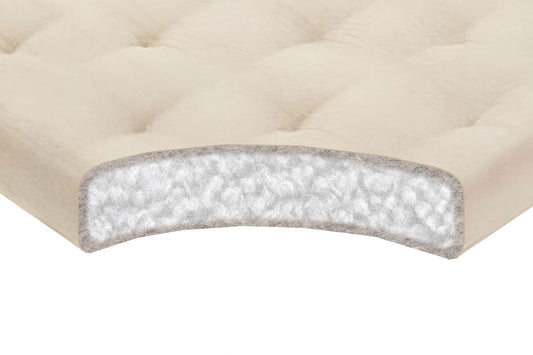
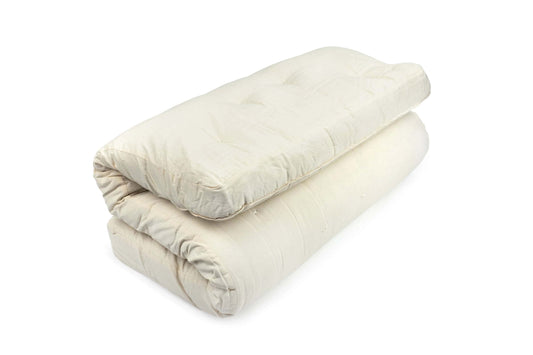
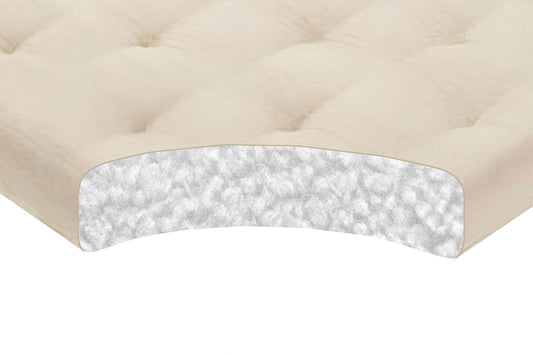
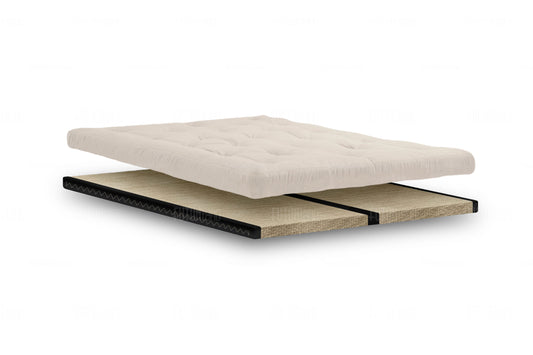
For a more traditional Japanese approach, a floor bed built on a tatami base with a shikibuton or natural futon mattress takes the low aesthetic further. The mattress sits directly on woven igusa-grass tatami, which is slightly springy underfoot, naturally scented, and visually quiet in a way engineered materials aren't. A shikibuton is also light enough to fold and store during the day, shifting the room from sleeping space to living space — something a fixed frame obviously can't do. The floor bed collection covers this kind of setup in full.
If you're unsure which direction suits your space and habits, this guide to the Japanese sleep system walks through how traditional floor beds work and how they translate into modern Western homes.
-
Columbus Natural Eco Platform Bed
Regular price From $469.99Regular price $799.99 Sale price From $469.99Sale -
Lakewood Natural Eco Platform Bed
Regular price From $679.99Regular price $899.99 Sale price From $679.99Sale -
Sacramento Natural Eco Platform Bed
Regular price From $599.99Regular price $829.99 Sale price From $599.99Sale -
Plainfield Natural Eco Platform Bed
Regular price From $409.99Regular price $739.99 Sale price From $409.99Sale -
Anchorage Platform Bed
Regular price From $549.99Regular price $799.99 Sale price From $549.99Sale -
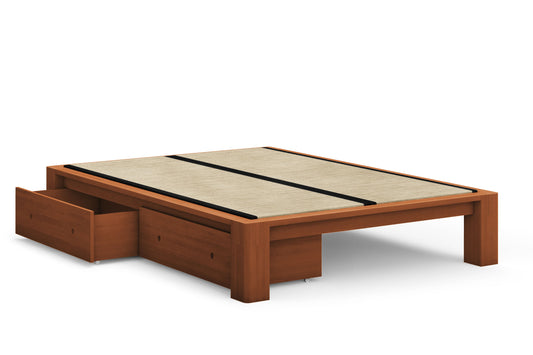
Japanese Tatami Platform Bed
Regular price From $729.99Regular price $929.99 Sale price From $729.99Sale -
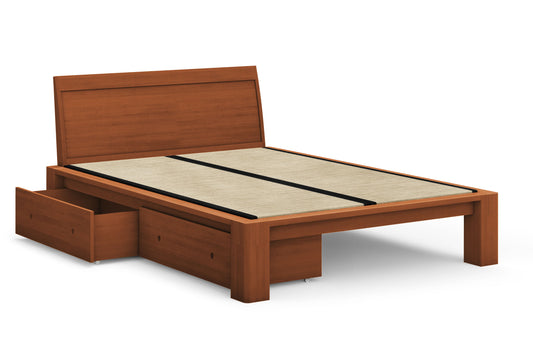
Japanese Tatami Platform Bed with Solid Headboard
Regular price From $929.99Regular price $1,129.99 Sale price From $929.99Sale -
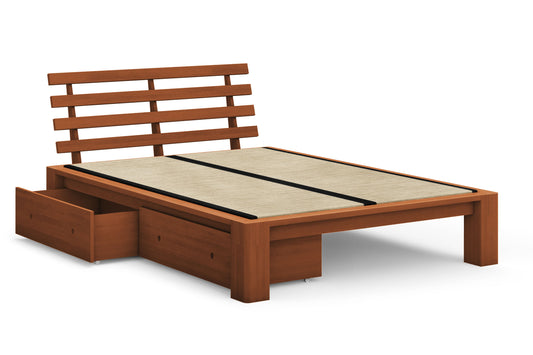
Japanese Tatami Platform Bed with Slatted Headboard
Regular price From $819.99Regular price $1,019.99 Sale price From $819.99Sale -
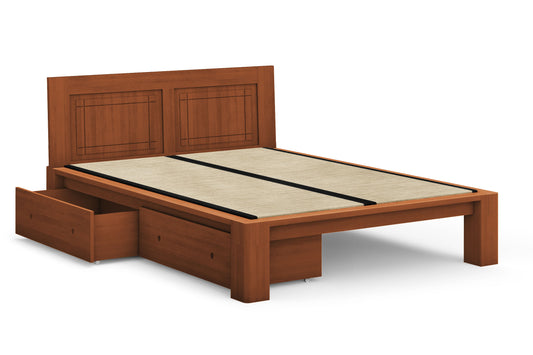
Japanese Tatami Platform Bed with Grooved Headboard
Regular price From $899.99Regular price $1,099.99 Sale price From $899.99Sale -
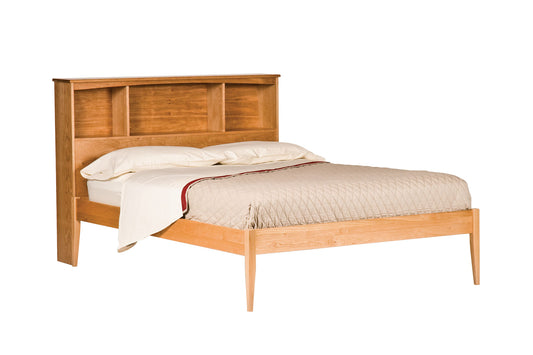 Sale
SaleBasic Platform Bed
Regular price From $799.99Regular price $999.99 Sale price From $799.99Sale -
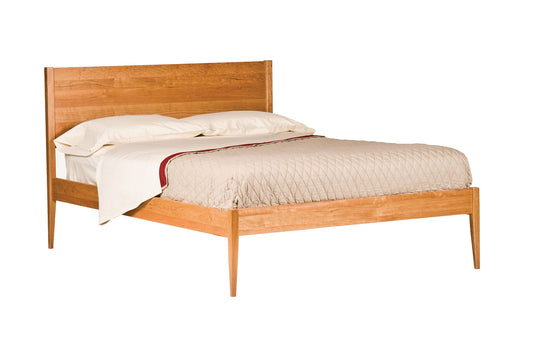
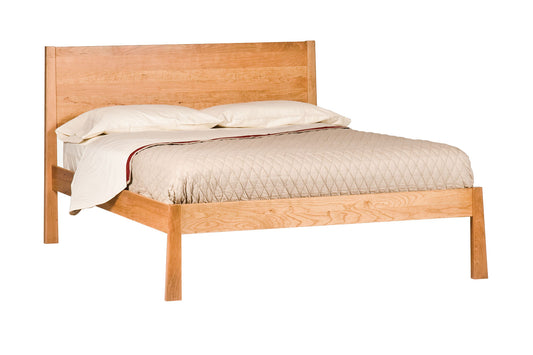 Sale
SaleEclipse Platform Bed
Regular price From $1,149.99Regular price $1,439.99 Sale price From $1,149.99Sale -
Moondance Platform Bed
Regular price From $1,159.99Regular price $1,459.99 Sale price From $1,159.99Sale
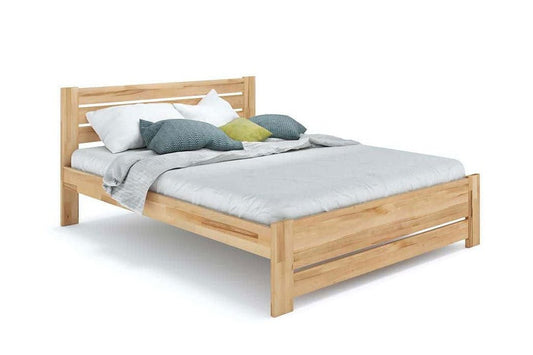








Tatami Without Renovation
Actual tatami mats — tightly woven igusa grass over a supportive core — contribute something to a room that's hard to replicate with other materials. They change how the floor sounds, how it feels underfoot, and how the whole space reads visually. In a Western home with standard flooring, you don't need to replace anything to work with them.
A practical approach is to place tatami panels only under the bed area, creating a defined sleep zone within the larger room. This grounds the bed visually without committing to a full floor replacement. Alternatively, a small tatami corner — a low table and zaisu floor chair, a lamp, a couple of cushions — creates a secondary zone that's distinct from the bed without dividing the room structurally.

For more on how tatami changes the character of a room and how to combine it with modern frames, this article on creating tatami-based minimalist bedrooms goes deeper, including a separate guide on pairing tatami with platform beds.
Futons and Convertible Setups for Smaller Spaces
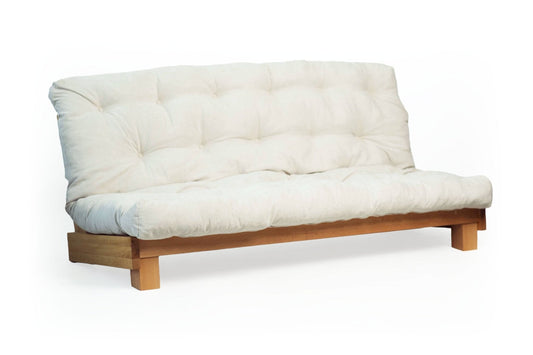
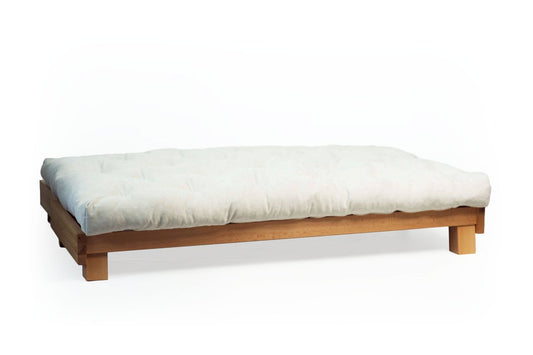
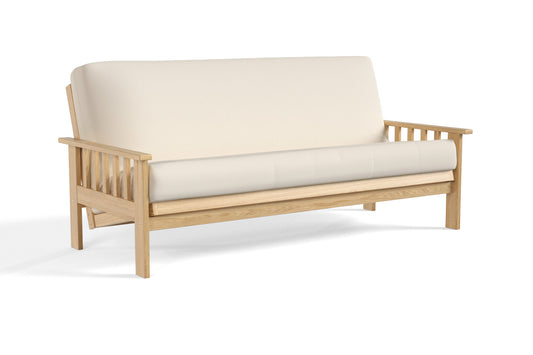
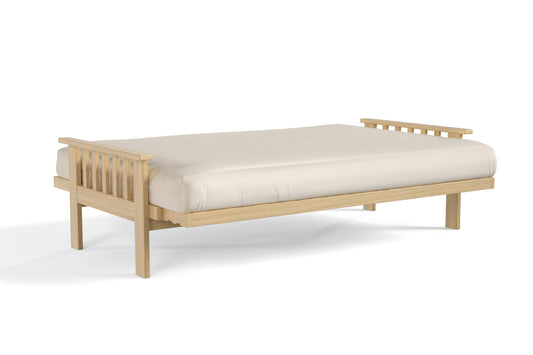
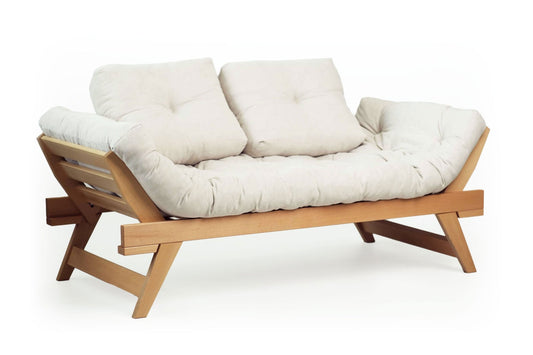
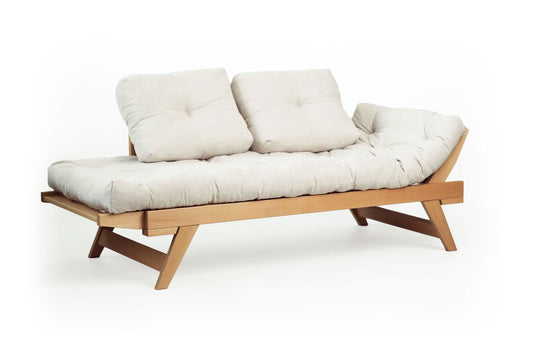
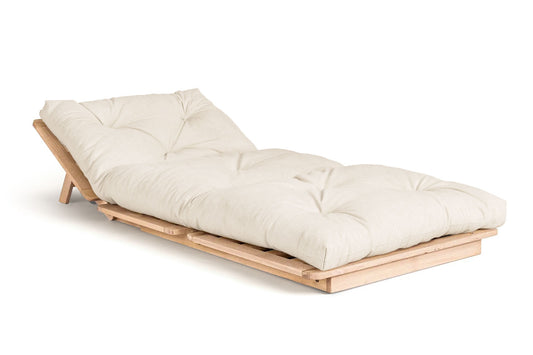
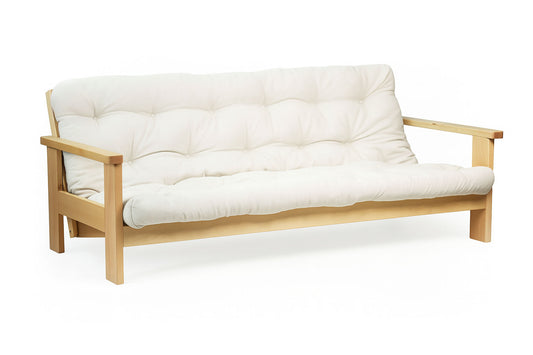
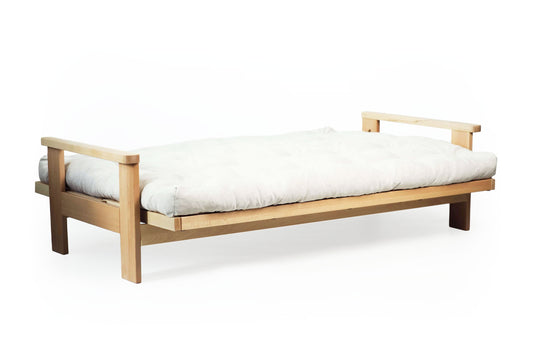
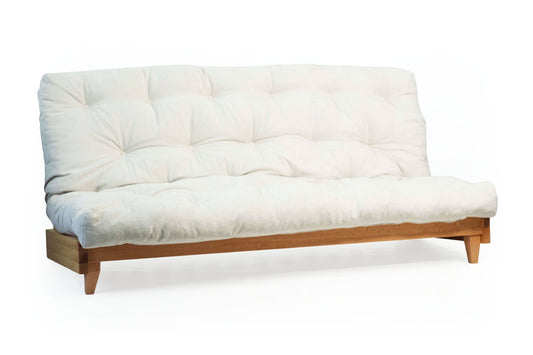
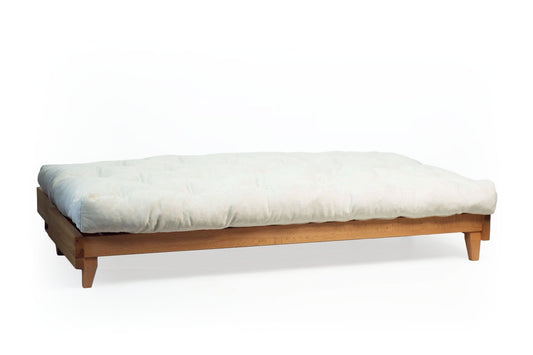
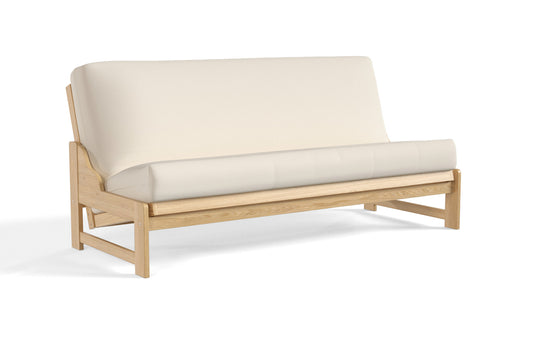
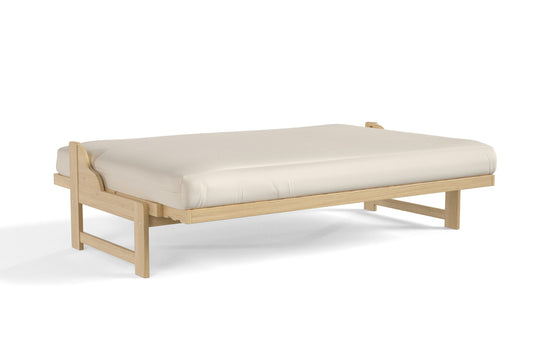
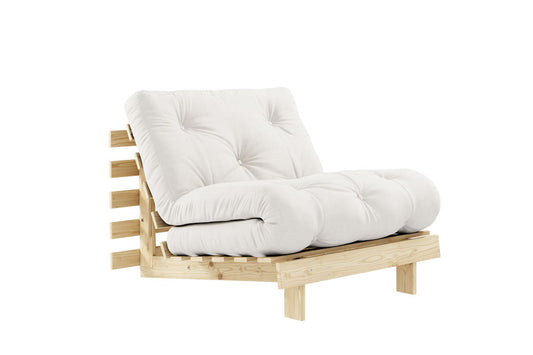
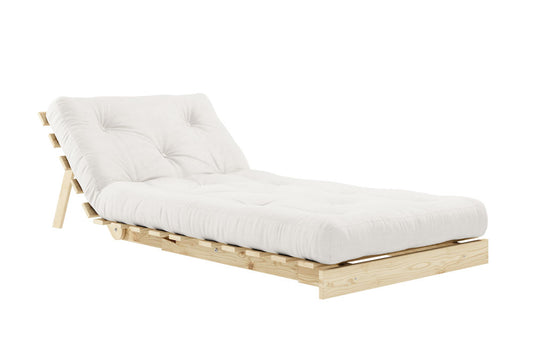
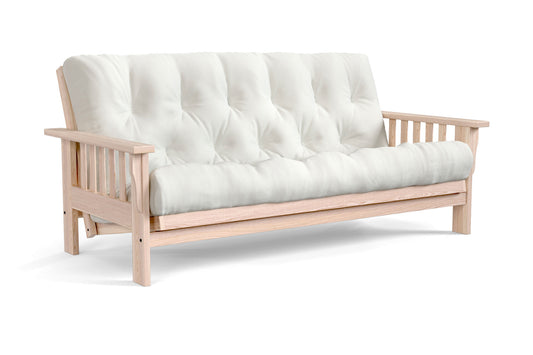
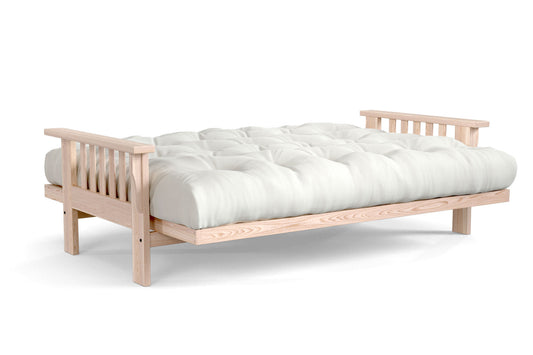
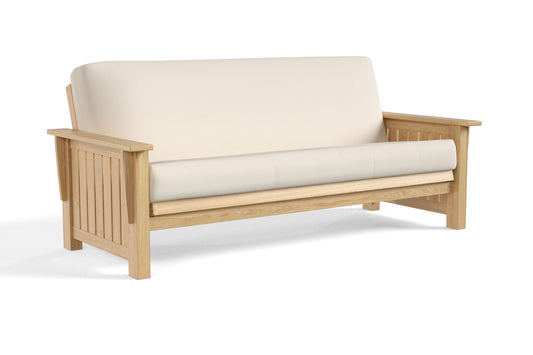
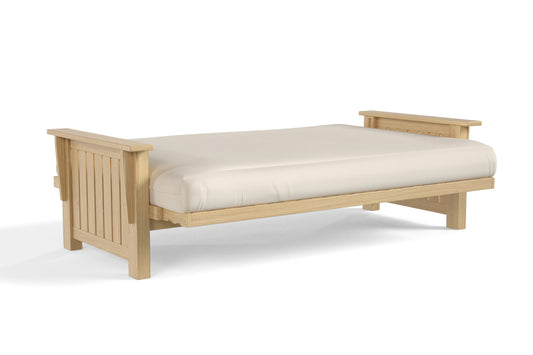
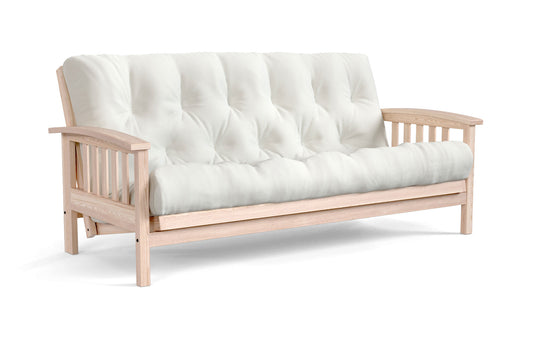
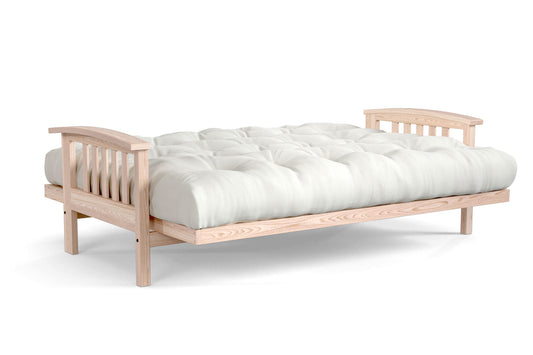
Many people searching for Japandi bedroom ideas are working with studios, guest rooms, or multipurpose spaces where furniture has to earn its keep twice over. A futon with a low, clean-lined solid wood frame can serve as a sofa during the day and a sleeping surface at night without reading as a compromise — provided the frame is the right one.
The key is straight arms, simple slats, and a natural wood finish that reads as furniture rather than a stopgap. Paired with a natural-fiber mattress and neutral upholstery, a well-chosen solid wood futon sofa fits the aesthetic and keeps the floor clear. The functional logic is also very Japandi: one piece doing more, fewer pieces overall, more open floor.
-
El Paso Eco Futon Sofa Bed
Regular price From $689.99Regular price $819.99 Sale price From $689.99Sale -
Taurus Eco Futon Sofa Bed
Regular price From $519.99Regular price $699.99 Sale price From $519.99Sale -
Long Beach Daybed Sofa Bed
Regular price From $659.99Regular price $739.99 Sale price From $659.99Sale -
Hitachi Tri-Fold Futon Sofa Bed
Regular price From $249.99Regular price $599.99 Sale price From $249.99Sale -
Elk Grove Eco Futon Sofa Bed
Regular price From $759.99Regular price $869.99 Sale price From $759.99Sale -
Aries Eco Futon Sofa Bed
Regular price From $569.99Regular price $699.99 Sale price From $569.99Sale -
Akron Eco Futon Sofa Bed
Regular price From $689.99Regular price $819.99 Sale price From $689.99Sale -
Virgo Eco Futon Sofa Bed
Regular price From $589.99Regular price $699.99 Sale price From $589.99Sale -
Sendai Tri-Fold Futon Sofa Bed
Regular price From $299.99Regular price $349.99 Sale price From $299.99Sale -
Mission Flat Arm Amish-Made American Oak Futon Sofa Bed
Regular price From $959.99Regular price $1,219.98 Sale price From $959.99Sale -
Libra Eco Futon Sofa Bed
Regular price From $619.99Regular price $699.99 Sale price From $619.99Sale -
Mission Bent Arm Amish-Made American Oak Futon Sofa Bed
Regular price From $1,019.99Regular price $1,319.98 Sale price From $1,019.99Sale



A Floor Seating Corner
One of the more distinctive elements of Japanese-inspired interiors is the habit of sitting closer to the floor. Even in a room where the bed stays at a standard height, having one area where you can sit cross-legged or kneel changes how you inhabit the space. It slows things down. It creates a place for morning tea, evening reading, or quiet time that doesn't fit neatly into a desk chair.
Setting one up doesn't require much: a defined footprint near a window or lamp — a mat, rug, or tatami base — with a low table and floor seating. A few cushions let you shift between sitting postures. If the corner also serves as a stretching or meditation spot, a bolster or meditation cushion can fold into the corner without looking out of place.

The trick with meditation props in a room like this is to treat them as part of the design rather than equipment stored in the room. Choose colors and textures that match your bedding and furniture so they look like they belong whether they're in use or not.
Shoji Screens: Shaping the Room Without Construction
In traditional Japanese homes, shoji screens filter light, create privacy, and allow a single room to serve different functions throughout the day. Freestanding shoji-style room dividers can do similar work in a Western bedroom without any permanent changes.
Practically, they're useful for concealing a closet or dresser wall when it's not in use, separating a sleeping area from a small workspace, or softening harsh daylight near a window. They also add something harder to name: moving around a screen rather than existing in an open rectangle makes a room feel more layered and more like a retreat.
Bedding: Texture Over Pattern
Japandi bedding leans on calm colors and natural texture rather than bold prints. The palette is warm whites, stone, oat, clay, soft charcoal — tones that sit quietly next to a wood frame and make the room feel larger and softer at the same time. Most of the visual interest comes from subtle differences in texture: smooth sateen sheets, a lightly textured blanket, a quilted cotton coverlet layered together in the same tonal range.
Natural fibers carry this better than synthetic ones. Cotton, linen, and wool breathe properly, regulate temperature through the night, and feel more congruent with low beds and tatami surfaces. For futon-style setups, removable cotton futon covers keep the look clean and make care straightforward. The natural bedding collection covers sheets, duvets, and layering pieces. For a deeper look at combining cotton and wool layers, this guide to natural bedding combinations is worth reading.
Storage: Low, Closed, and Out of Sight
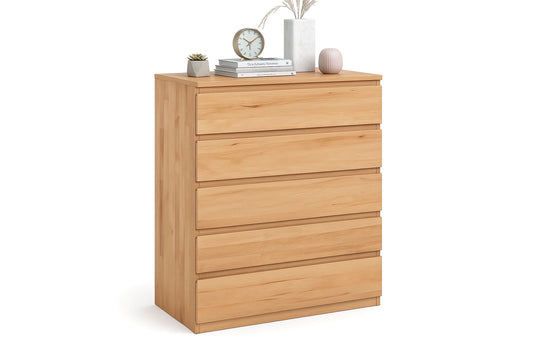
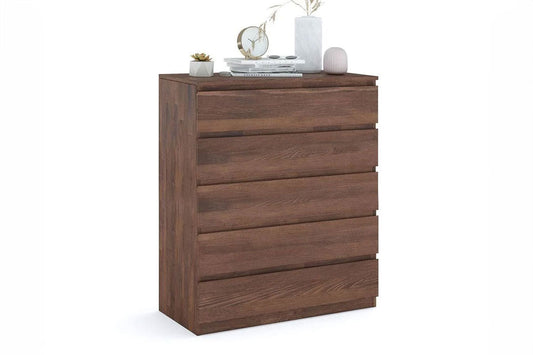
A calming bedroom is partly about what you don't see. Japandi storage leans on low dressers, chests, and nightstands with smooth fronts and minimal hardware — pieces that keep clothing and essentials out of sight without dominating the room visually.
For a cohesive setup, pairing your bed with a low solid wood bedroom chest and one or two simple wood nightstands keeps the room reading as a considered whole. The details to look for: finishes that show the grain, rounded or softly beveled edges, simple shapes that don't overpower a low bed. Ideally the top of each nightstand sits just above the mattress height — within easy reach without towering over a floor-level setup.

Color, Light, and Restraint
Walls in this style are usually kept light — soft white, ivory, or a barely-there warm gray — to bounce natural light and let the wood and textile tones carry the warmth. Deeper tones show up in the furniture grain, an accent cushion, a wool throw, a single dark-framed print. They don't dominate.
Lighting is layered rather than overhead-dependent: a floor lamp, a table lamp on the nightstand, perhaps a low wall sconce. The combined effect is warm and directional, closer to candlelight than a ceiling fixture. On accessories: one framed print, a handmade ceramic piece, a single plant. Empty space between objects is part of the design. The instinct to fill every surface works against this style more than almost anything else.
Putting It Together
If you're starting from scratch, a simple sequence keeps the process from getting overwhelming:
- Anchor the room with a low bed — either a solid wood platform frame or a tatami-and-mattress floor bed setup.
- Choose a natural shikibuton or futon mattress and add breathable neutral bedding.
- Add storage — a bedroom chest and one or two nightstands — just enough to keep surfaces clear.
- If the room needs to do more than sleep: add a low floor seating corner with a tatami table and zaisu chair, and a shoji screen to define zones.
- Finish with a few chosen accessories — a lamp with warm light, a ceramic vase, a small rug, one plant.
From there, adjust season by season. Swap futon covers, layer in a different throw, refine the lighting. Because the room is built on natural materials and timeless forms, each change feels deliberate rather than like a full overhaul. That's the practical argument for this aesthetic beyond how it looks: it's easier to maintain and easier to evolve than a room full of trend-dependent pieces.
In the end, the measure isn't how closely it matches a reference photo. It's whether the room helps you breathe a little easier, move a little more slowly, and actually rest.
For a deeper look at how traditional elements like tatami and low futon beds can be adapted for modern spaces, see our guide to building minimalist bedrooms around tatami and floor beds.
Frequently Asked Questions
What makes a bed "Japandi"?
A Japandi bed is defined less by a specific product and more by a set of characteristics: low to the floor, made from natural solid wood, with a simple silhouette and a finish that shows the grain. A platform bed in oak or walnut with a clean-lined frame and no ornate headboard fits the aesthetic. So does a floor setup on tatami with a natural shikibuton — arguably more so, since it's closer to the Japanese half of the style's origins.
Can I use a regular mattress on a Japandi bed frame?
Yes. A standard mattress works fine on a low solid wood platform frame. If you want to stay closer to the natural materials ethos of the style, pairing the frame with an organic cotton or wool futon mattress rather than a synthetic foam one makes the setup more cohesive — and breathes better, which matters more on a low frame without a box spring underneath.
What colors work best for a Japandi bedroom?
Warm neutrals: off-white, ivory, oat, stone, soft clay, and warm gray. These sit quietly next to natural wood tones and make the room feel larger and softer at the same time. Deeper accents — dark indigo, muted rust, forest green — work in small doses: a cushion, a throw, one framed print. Avoid cool grays and stark white, which push the room toward conventional minimalism rather than Japandi warmth.
Is Japandi style suitable for small bedrooms?
It's particularly well suited to smaller rooms. The low furniture profile keeps the room from feeling top-heavy, the restrained palette makes the space feel larger, and the emphasis on fewer pieces means there's less competing for floor area. A futon sofa that converts to a bed, or a shikibuton that folds away during the day, can make a studio or compact guest room genuinely comfortable without crowding it.
What's the difference between Japandi and Wabi-Sabi?
They overlap but aren't the same. Wabi-sabi is a Japanese philosophy centered on finding beauty in imperfection and impermanence — rough textures, asymmetry, objects that show their age. Japandi borrows the restraint and natural materials of Japanese design and combines them with the warmth and livability of Scandinavian interiors. The result is more polished and considered than pure wabi-sabi, though a handmade ceramic or an imperfectly woven textile fits comfortably in both.