
Why Do the Japanese Sleep on the Floor (and Should You Try It)?
-
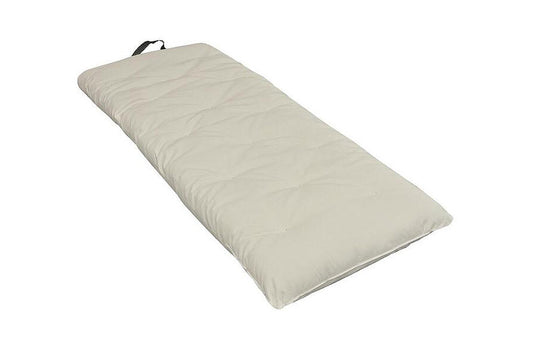
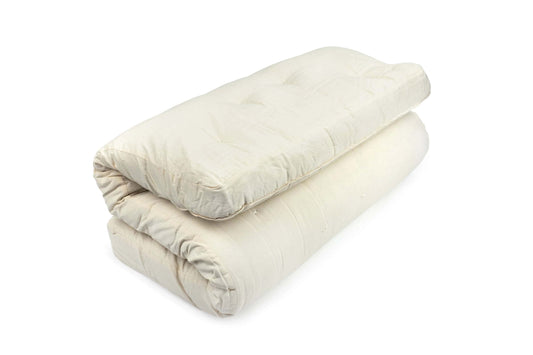
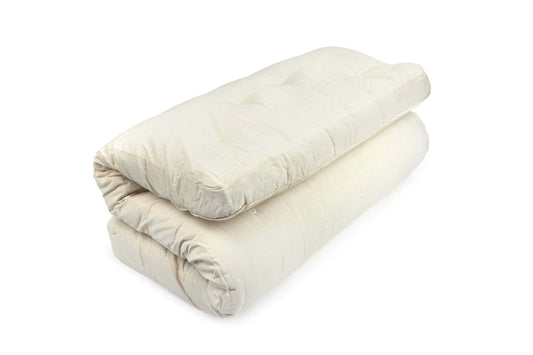
Traditional Japanese Handmade Shikibuton
Regular price From $259.99Regular price Sale price From $259.99 -
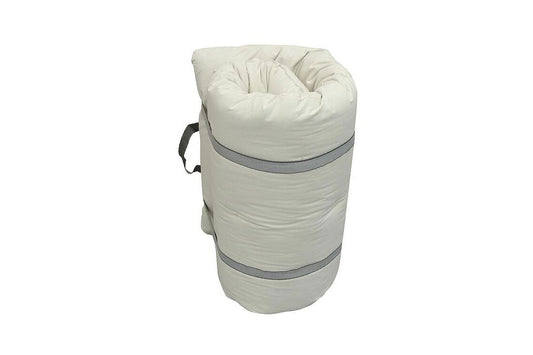
Roll-Away Shikibuton Mattress with Straps
Regular price From $189.99Regular price $289.99 Sale price From $189.99Sale -
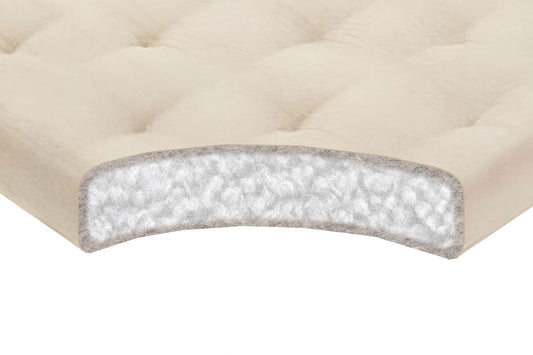
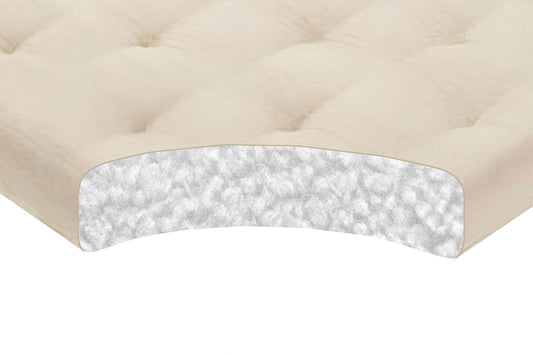
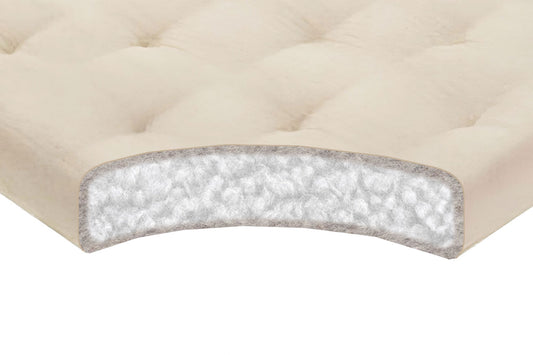
Natural Cotton and Wool Shiki Futon Mattress
Regular price From $279.99Regular price $419.99 Sale price From $279.99Sale -
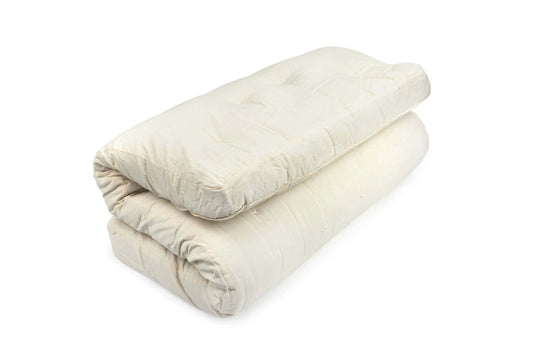
Natural All Cotton Shiki Futon Mattress
Regular price From $199.99Regular price $299.99 Sale price From $199.99Sale -
Organic Cotton and Wool Shiki Futon Mattress
Regular price From $429.00Regular price $859.99 Sale price From $429.00Sale -
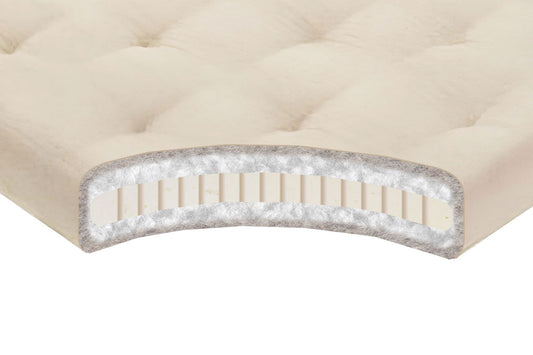
Organic Cotton, Wool and Latex Shiki Futon Mattress
Regular price From $1,119.00Regular price $2,239.99 Sale price From $1,119.00Sale -
Organic All Cotton Shiki Futon Mattress
Regular price From $359.00Regular price $719.99 Sale price From $359.00Sale -
Natural Cotton and Wool Japanese-Style Firm Futon Mattress
Regular price From $529.99Regular price $669.99 Sale price From $529.99Sale -
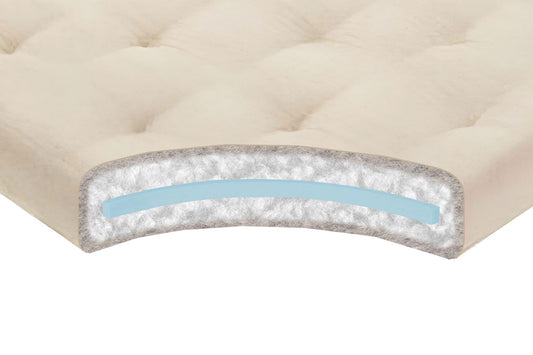
Natural Cotton, Wool and Foam Japanese-Style Medium-Firm Futon Mattress
Regular price From $659.99Regular price $829.99 Sale price From $659.99Sale -
Organic Cotton and Wool Japanese-Style Firm Futon Mattress
Regular price From $909.99Regular price $1,139.99 Sale price From $909.99Sale -
Natural Cotton, Wool and Latex Japanese-Style Medium-Firm Futon Mattress
Regular price From $839.99Regular price $1,049.99 Sale price From $839.99Sale -
Organic Cotton, Wool and Foam Japanese-Style Medium-Firm Futon Mattress
Regular price From $999.99Regular price $1,249.99 Sale price From $999.99Sale


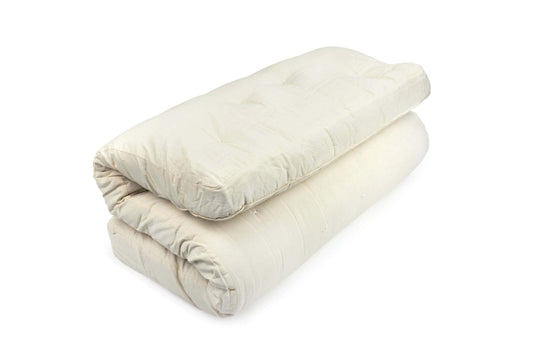
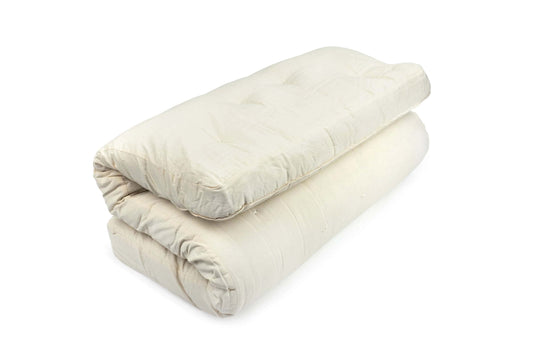


Cultural Reasons: Flexible Rooms And Daily Rituals
One of the strongest cultural reasons for floor sleeping is flexibility. When the bed can disappear into a closet, the room can transform completely. That matters in a country where space has historically been at a premium and where households value the ability to host guests, lay out floor seating, or create an open area for tea, calligraphy, or children’s play.
There is also a subtle ritual element. In a traditional household, making and unmaking the bed each day is part of the rhythm of life. Folding the shikibuton, airing it by a window, or putting it in the sun occasionally are everyday actions that keep the bedding fresh and remind you to care for the space. It is not just a bed you leave and forget; it is something you interact with daily.
For many people exploring minimalist living today, this kind of intentional, low-profile bedroom setup is appealing. A futon mattress that can be moved, folded, or stored opens up options, especially when combined with simple storage and seating. If you are comparing a thinner floor-style setup to a thicker convertible mattress option, browsing modern futon mattresses can help you see the practical differences in thickness, flexibility, and support.
Practical Reasons: Airing, Cleaning, And Temperature
Beyond culture and tradition, floor sleeping also makes practical sense in Japan’s climate and housing styles.
- Easy airing: Because a shikibuton is light enough to fold and move, it is easy to hang outside or prop by an open window. This helps release moisture and keeps the bedding fresher, which is especially important in humid seasons.
- Cleaning the room: With no fixed bed frame, sweeping and wiping the floor is straightforward. Dust does not build up under a bed that is impossible to move.
- Temperature control: Sleeping closer to the floor can feel cooler in hot weather, especially in rooms without heavy insulation. In winter, layered bedding and traditional heating methods work together to keep the sleeper warm while the space remains simple and uncluttered.
In modern apartments, some of these same benefits carry over. A floor-based sleep setup remains easy to air, simple to move, and straightforward to clean around. If you pair your mattress with breathable underlayers such as coir bed rugs from a collection of ventilating mattress rugs, you can mimic many of these advantages on wood, laminate, or even carpeted floors.
If you want more context on how space-saving rooms evolved, traditional Japanese architecture is a good reference point for why flexible rooms mattered so much.
Health Reasons: Firm Support And Body Awareness
Many people are drawn to the idea of floor sleeping because they have heard it can be “better for your back.” The reality is more nuanced. For some bodies, a firm, non-sagging surface encourages better alignment and can reduce that sinking feeling associated with very soft mattresses. For others, especially side sleepers with sensitive shoulders or hips, too much firmness can be uncomfortable.
That said, there are a few potential health-related benefits people often report with a well-designed floor bed:
- More consistent support: A futon or shikibuton on a flat surface does not sag in the middle the way an old box spring might. The body gets more even support, especially around the lower back.
- Less trapped heat: When bedding is made of breathable fibers like cotton and wool, and when the mattress can be aired regularly, it often feels less stuffy than thick foam on a solid base.
- Greater awareness of posture: On a firm surface, it is easier to notice when you are slumping or twisting uncomfortably, which can encourage better sleeping positions over time.
Of course, no single sleeping style is right for everyone, and this is not medical advice. If you have specific back or joint issues, it is always wise to talk with a healthcare professional before making major changes. For a closer look at how floor-style mattresses can feel in everyday use, you might find this exploration of floor mattress comfort helpful.

Why “Sleeping On The Floor” Does Not Mean Directly On Hard Wood
A common misunderstanding is that floor sleeping means putting your current mattress directly on your hardwood or tile and calling it done. In practice, that can create problems with moisture, mold risk, and discomfort. Traditional Japanese setups rely on layers that manage these issues.
A more realistic modern interpretation involves:
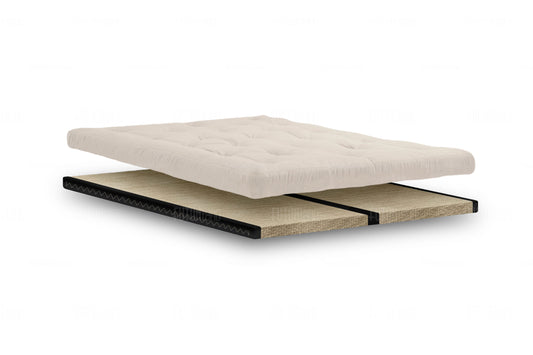
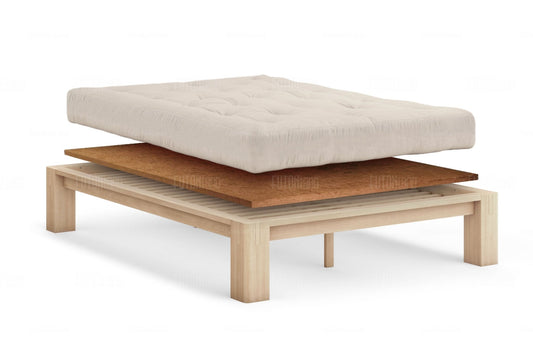
- A breathable base layer: This might be tatami, a slatted platform, or a natural fiber bed rug that lifts the mattress slightly to allow airflow underneath.
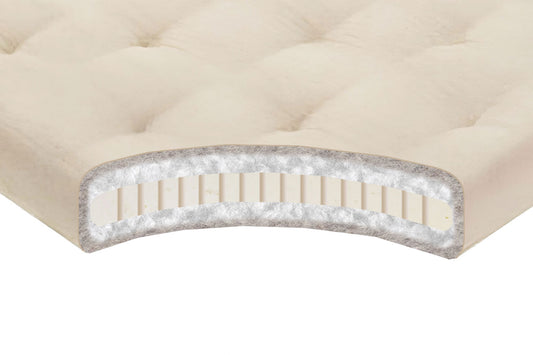
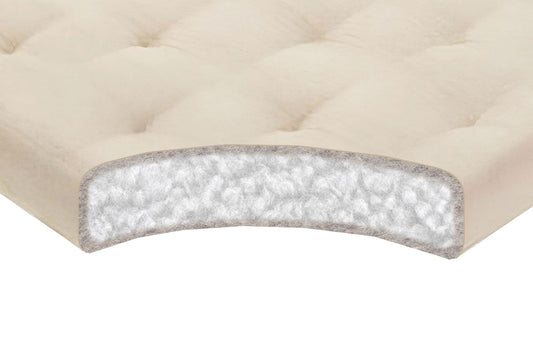
- A firm but forgiving mattress: Shikibutons and natural futon mattresses are designed to be thinner and more flexible than conventional Western mattresses so they can bend, fold, and be aired.
- Natural bedding on top: Cotton sheets, wool blankets, and breathable duvets help manage temperature and moisture without sealing in humidity.
To build this layered approach (instead of placing a thick mattress directly on the floor), it helps to start with a breathable underlayer and then choose sleep-friendly top textiles from a natural bedding collection.
If you are curious what “tatami” actually is (materials, structure, and why it breathes), this overview of tatami mats is a useful background read.
Should You Try Sleeping On The Floor?
If you are curious about floor sleeping, it can be tempting to make a dramatic change right away. A gentler, more realistic approach is to treat it as an experiment. Not everyone will love a low, firm bed, but many people are surprised by how comfortable it feels when the setup is done well.
Here are some questions to help you decide whether it is worth trying:
- Do you like the idea of a firmer sleeping surface, or do you strongly prefer plush softness?
- Is your home climate relatively dry, or do you struggle with persistent humidity and condensation?
- Would you benefit from freeing up visual and physical space in your bedroom or studio?
- Are you willing to build a small daily or weekly airing routine into your schedule?
If you answer yes to most of these, floor sleeping might be a good fit, especially if you choose natural materials and a setup that respects your body’s needs.

Modern, Organic Ways To Try Floor Sleeping In A Western Home
You do not need tatami mats or traditional architecture to explore floor sleeping. There are several ways to build a modern, low-profile sleep system that uses the same principles.
Option 1: Shikibuton On A Ventilated Base
A straightforward option is to place a shikibuton on top of a breathable base such as a tatami-style mat or a bed rug. This gives you most of the feel of a Japanese floor bed while keeping air moving and protecting the mattress from direct contact with the floor.
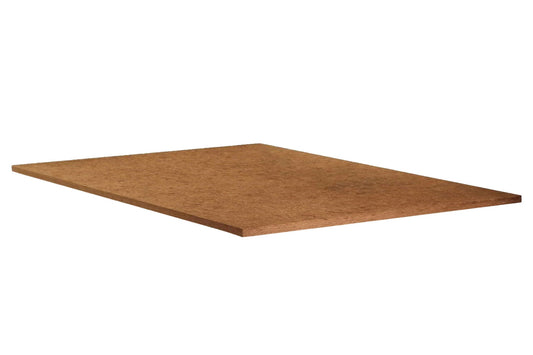
Pairing a floor mattress with a supportive underlayer from a collection of coir and breathable mattress rugs helps manage airflow and moisture on wood, laminate, or carpet.
Option 2: Low Platform Bed With A Firm Futon Mattress
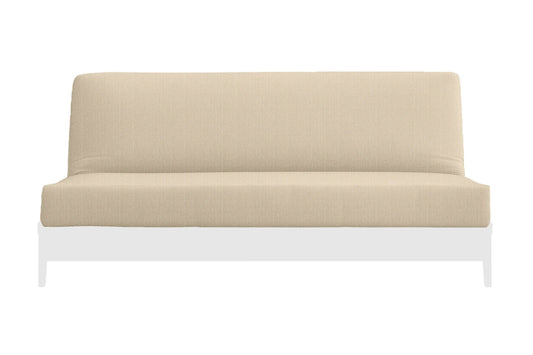
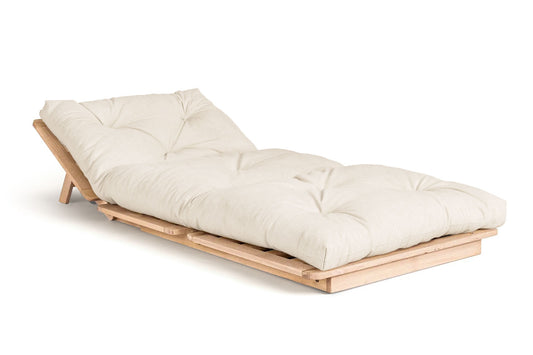
If you prefer not to sleep directly at floor level, a low platform bed with a futon-style mattress can be a good compromise. The frame keeps you slightly elevated, which can help with getting up and down, but the mattress still provides that firmer, more grounded feel associated with floor sleeping.
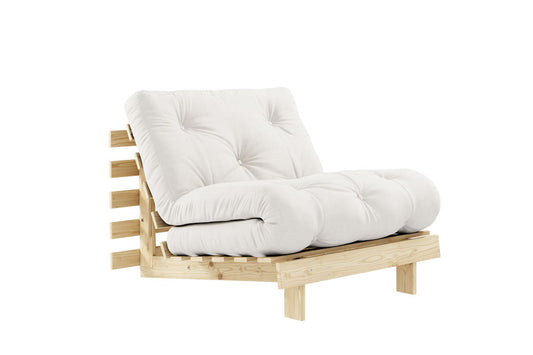
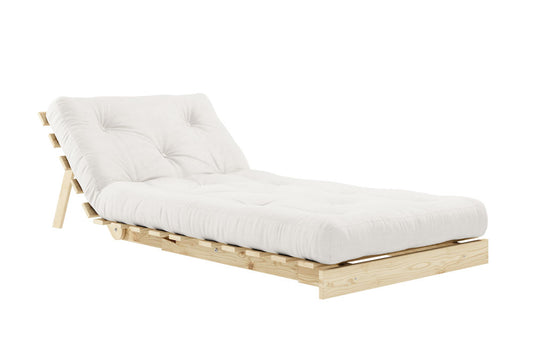
This hybrid approach also works well in shared bedrooms where one partner wants a more traditional bed look. A simple futon frame paired with the right mattress can deliver many of the benefits of a floor setup without fully giving up the idea of a bed frame.
Option 3: Occasional Floor Bed For Naps Or Guests
You do not have to go all-in to benefit from floor sleeping. Many people start by using a floor mattress or shikibuton for occasional naps, restorative rest, or as a guest bed. This lets you get used to the sensation gradually and notice how your body responds before making it your main bed.
Because these mattresses are designed to be folded or rolled away, they are easy to store when not in use. That can be a big advantage in small homes, where a folding floor bed can live in a closet until needed.
A Step-by-Step Way To Experiment Safely
If you decide to experiment with floor sleeping, taking a gradual, thoughtful approach will give you better information and reduce the risk of waking up overly stiff or uncomfortable.
- Start with short sessions: Try lying on a shikibuton or firm futon mattress for a nap or an hour of reading rather than switching your entire night right away.
- Check your floor and walls: Make sure there is no visible dampness, condensation, or mildew where you plan to place the mattress. If your home is very humid, a ventilated base is essential.
- Use breathable linens: Choose cotton sheets, wool blankets, and a breathable duvet to help regulate temperature and moisture without sealing in humidity.
- Rotate and air the mattress: Fold or stand the mattress on its side regularly so that air can circulate around it.
- Listen to your body: Pay attention to how you feel on the second and third days, not just the first. Some initial soreness is normal as muscles adapt, but sustained pain is a sign to adjust thickness, add a topper, or reconsider the experiment.

FAQ: Sleeping On The Floor In Japan
Why do many Japanese people sleep on the floor?
Historically, floor sleeping fit homes designed around flexible rooms. A shikibuton could be rolled up in the morning so the same space could be used for living, dining, or hosting guests.
Is sleeping on the floor actually comfortable?
It can be, when the setup is layered properly. A breathable base and a supportive shikibuton or futon mattress create a firm-but-forgiving surface that feels very different from lying directly on hardwood.
Is floor sleeping better for your back?
It depends on your body and sleep position. Some people like the steadier support of a firm surface, while side sleepers or those with sensitive joints may need more cushioning or a different setup.
Do you need tatami mats to try floor sleeping?
No. You can use a ventilated base such as a breathable bed rug, a tatami-style mat, or a low slatted platform to support airflow and help keep the mattress fresh.
How do you reduce moisture and mold risk?
Use a breathable underlayer, avoid trapping the mattress against a cold floor, and build an airing routine. Folding, standing the mattress on edge, or moving it near fresh air helps release moisture.
What is the easiest way to try it without committing?
Start with short sessions—naps or reading time—then try a few nights. This gives your body time to adjust and helps you decide whether you want a permanent floor-level setup.
Who should be cautious about sleeping at floor level?
Anyone with mobility limitations, balance concerns, or pain that worsens with a firmer surface should take a slower approach, consider a low platform instead of true floor level, and consult a professional if needed.
Floor Sleeping Is A Tool, Not A Requirement
It is easy to turn floor sleeping into a kind of ideal to strive for, especially when it appears alongside minimalist interiors and simple tatami rooms online. But in reality, it is just one tool for building a bedroom that feels calm, supportive, and aligned with your values.
For some people, a carefully layered floor bed or a low futon system will feel like a revelation, offering a new sense of groundedness and space. For others, a more conventional mattress on a modest platform bed will still be the most comfortable and sustainable option. If you are curious about how floor-style beds fit into broader minimalist bedroom designs, you may enjoy reading more about real-world experiences with floor mattresses and how people transition to them over time.
Either way, the reasons the Japanese sleep “on the floor” are a mix of culture, practicality, and comfort, not a one-size-fits-all prescription. By understanding the logic and the layering behind it, you can borrow the parts that make sense for your home—whether that means a full traditional-style setup, a low futon bed, or simply a more intentional approach to how you sleep and move in your space.