
Budget vs. Investment: How Much Should You Really Spend on a Futon?
-
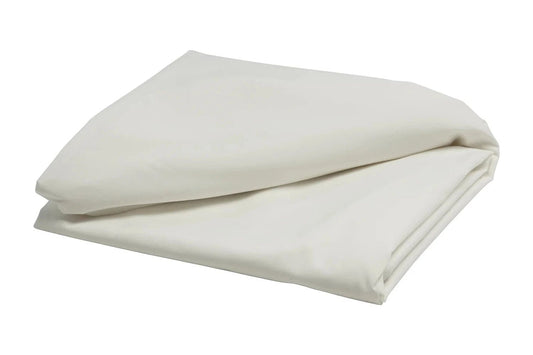
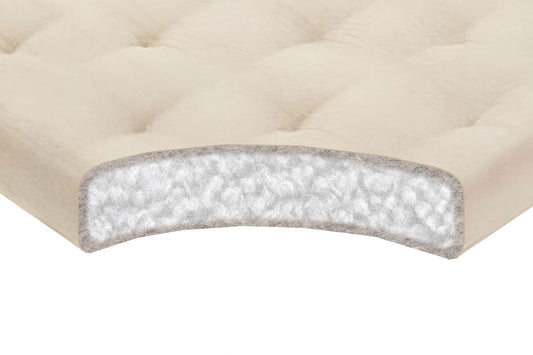
Natural Cotton and Wool Shiki Futon Mattress
Regular price From $279.99Regular price $419.99 Sale price From $279.99Sale -
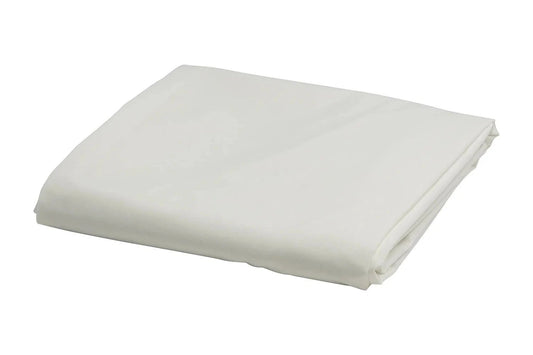
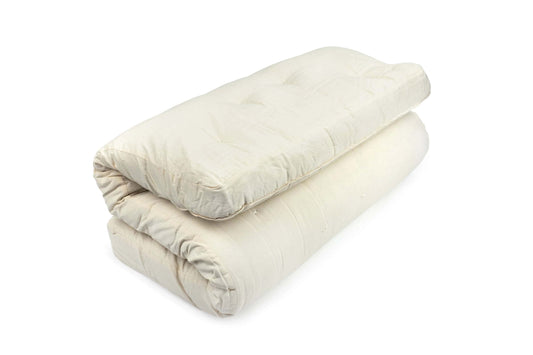
Natural All Cotton Shiki Futon Mattress
Regular price From $199.99Regular price $299.99 Sale price From $199.99Sale -
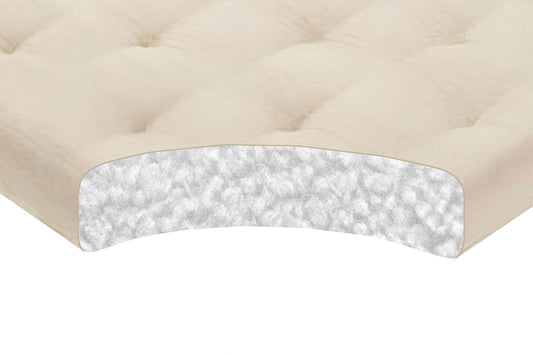
Organic Cotton and Wool Shiki Futon Mattress
Regular price From $429.00Regular price $859.99 Sale price From $429.00Sale -
Organic All Cotton Shiki Futon Mattress
Regular price From $359.00Regular price $719.99 Sale price From $359.00Sale -
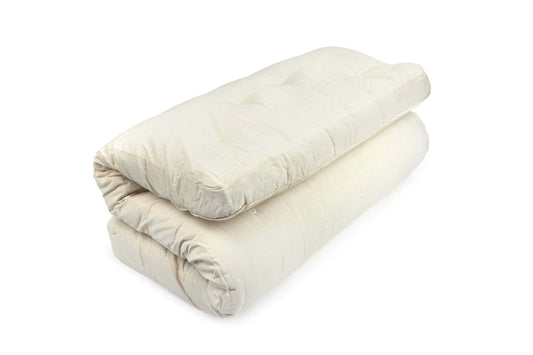
Natural Cotton and Wool Japanese-Style Firm Futon Mattress
Regular price From $529.99Regular price $669.99 Sale price From $529.99Sale -
Natural Cotton, Wool and Foam Futon Mattress
Regular price From $469.99Regular price $709.99 Sale price From $469.99Sale -
Natural Cotton, Wool and Latex Shiki Futon Mattress
Regular price From $879.00Regular price $1,759.99 Sale price From $879.00Sale -
Organic Cotton and Wool Japanese-Style Firm Futon Mattress
Regular price From $909.99Regular price $1,139.99 Sale price From $909.99Sale -
Natural Cotton, Wool and Foam Japanese-Style Medium-Firm Futon Mattress
Regular price From $659.99Regular price $829.99 Sale price From $659.99Sale -
Natural All Cotton Japanese-Style Firm Futon Mattress
Regular price From $429.99Regular price $539.99 Sale price From $429.99Sale -
Natural Cotton, Wool and Latex Japanese-Style Medium-Firm Futon Mattress
Regular price From $839.99Regular price $1,049.99 Sale price From $839.99Sale -
Organic Latex and Wool Mattress
Regular price From $1,104.98Regular price $1,699.96 Sale price From $1,104.98Sale


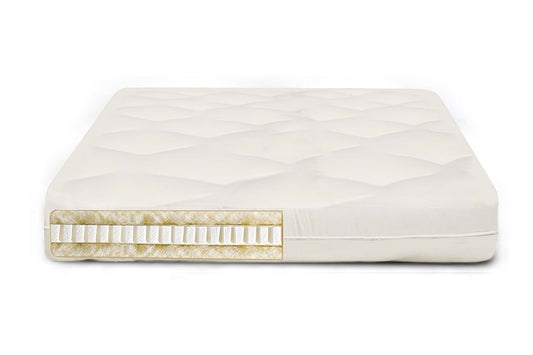
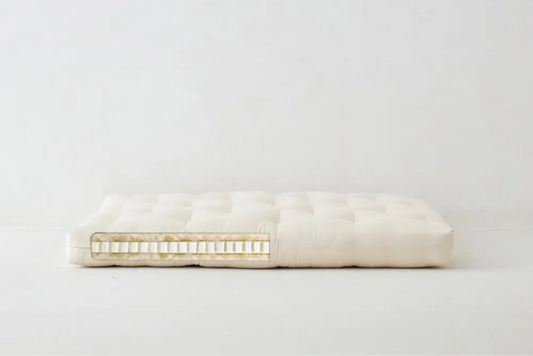
How Comfort Pure Organizes Its Futon and Shikibuton Mattresses
Before talking about budget vs. investment, it helps to understand the basic structure of the mattress range. There are four main axes:
- Natural vs Organic
- Standard vs Japanese Style
- Thickness (shikibutons vs thicker futon mattresses)
- Intended use (floor beds, low platform beds, futon sofas)
Natural vs Organic
The signature mattresses are split into Natural and Organic families. In broad strokes, the designs within each pair are very similar: same construction concept, same general feel and function. The difference is in the quality and certification level of the materials:
- Natural: uses high-quality cotton, wool, and latex sourced with a focus on safety and sustainability, but not necessarily certified organic at every step.
- Organic: mirrors the Natural designs but upgrades key components (like cotton and often wool) to certified organic versions, with stricter sourcing and processing standards.
That material upgrade is a major reason the Organic models cost more, especially in the latex-containing options and Japanese Style builds. If you are sensitive to chemicals, prefer certified supply chains, or simply want the cleanest materials available, those organic versions become “investment” choices.
Standard vs Japanese Style (“Old-Fashioned” Style)
Within both Natural and Organic families, there is also a distinction between Standard and Japanese Style (sometimes described as “old-fashioned style”). In simple terms:
- Standard mattresses are closer to what most people think of as a futon or platform bed mattress: still natural, often tufted, but designed to be more manageable in weight and thickness.
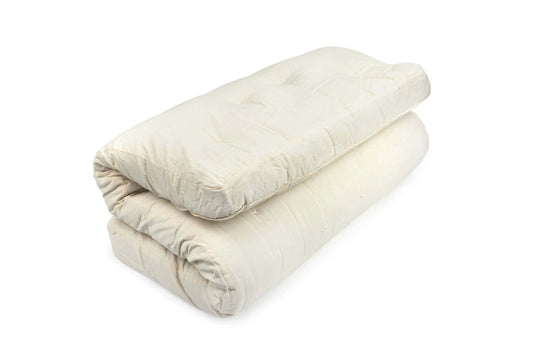
- Japanese Style mattresses are denser, more heavily filled, and more traditional. They use old-fashioned, hand-intensive construction and end up thicker, firmer, and heavier. These are made primarily for sleeping on low-profile platform beds or stationary floor beds, not for futon sofas.
This is important from a budget perspective because Japanese Style builds can cost roughly twice as much as their Standard equivalents in the same material family, especially in the organic lines.
Thickness and Intended Use: Shikibutons vs Futon Mattresses
The collection also uses thickness as a practical dividing line:
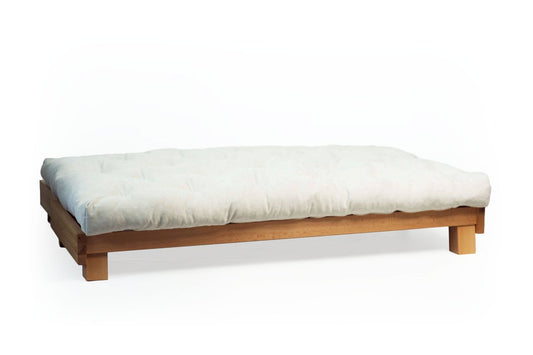
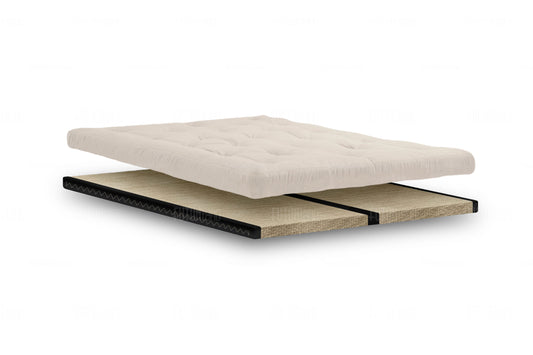
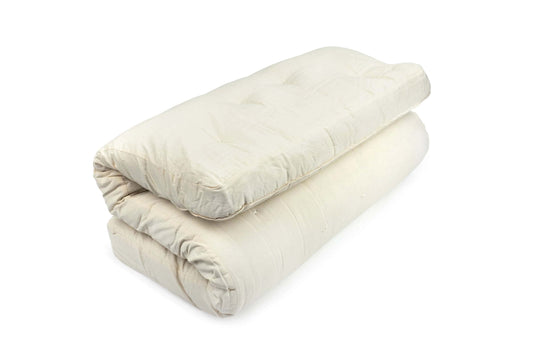
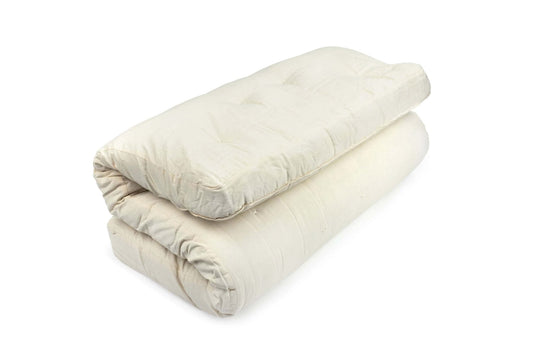
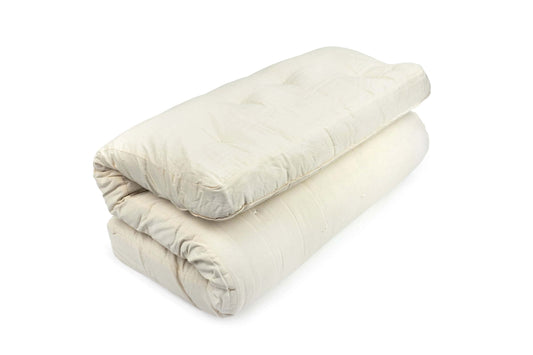
- 3–4 inch shikibutons – these are slim, traditionally inspired mattresses intended primarily for floor beds or for use on tatami and coir bases. They are lighter and easier to fold, carry, and air out.
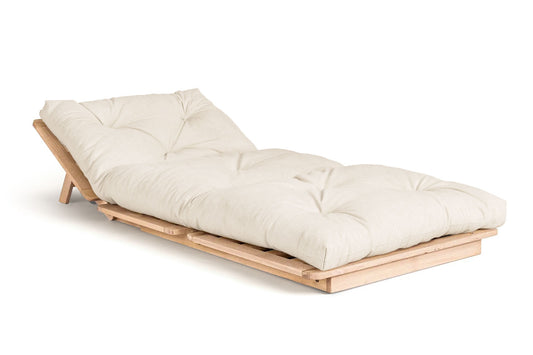
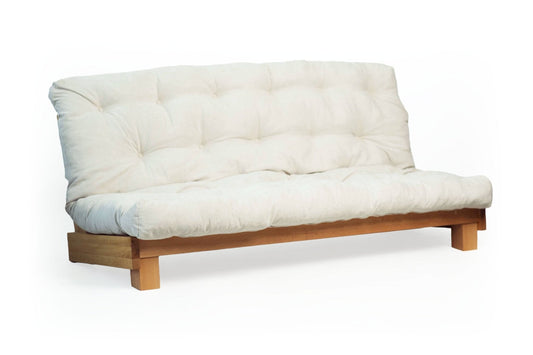
- Thicker futon mattresses (around 6 inches) – these are more substantial, mattress-like builds better suited to low platform beds or futon sofas (if the design is not too heavy for the frame).
In general:
- Shikibutons are ideal if you want to sleep directly on the floor or on tatami, or if you want a minimalist low bed that can be moved and aired easily.
- Standard futon mattresses work well on futon sofas and low platform beds.
- Japanese Style mattresses are too thick and heavy for futon sofas; they are designed for dedicated sleeping setups on low-profile platform beds or stationary floor beds.
Keeping these categories in mind makes it much easier to see what you are paying for when you compare prices.
Budget-Friendly Essentials: Machine-Made Natural Shikibutons
On the more budget-conscious end of the Comfort Pure range are the machine-made Natural shikibutons. These deliver essential value and natural materials at a lower price point, but they are not designed to be high-support, long-term solutions for people with back pain or demanding daily sleeping needs.
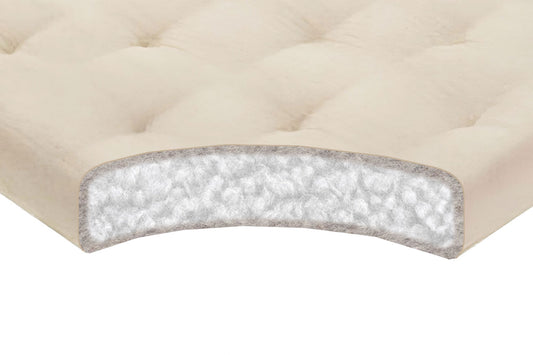
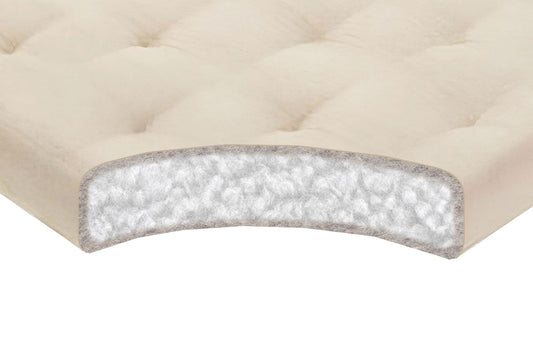
Natural Cotton and Wool Shiki Futon Mattress
The Natural Cotton and Wool Shiki Futon Mattress combines natural cotton with a layer of wool for better temperature and moisture management. At around $400 for a full-size 6 inch thickness (pricing may vary), it is one of the most accessible ways to get into natural shikibutons.
Key points:
- Machine-made construction.
- Lighter overall fill compared to the handmade, higher-end lines.
- Good as a starter natural futon for lighter use, guest rooms, or budgets.
Natural All Cotton Shiki Futon Mattress
The Natural All Cotton Shiki Futon Mattress removes wool and relies entirely on cotton batting for its core. It sits in a similar price range (around $400 for a full 6 inch mattress), making it another entry-level option for those who want natural fillings instead of synthetic foam.
Both of these machine-made models:
- Provide essential value and a clear step up from very cheap, foam-heavy futons.
- Are on the lighter side for easier handling.
- Are not the best choice for people with significant back pain or for long-term, nightly use if you want the fullest support and longevity.
They are ideal if you need a reasonably priced, natural futon for a guest room, occasional use, or a lighter sleeper who does not need a deeply supportive, investment-grade mattress yet.

A Special Case: Budget-Friendly Futon Sofa Mattress
While this article focuses on sleeping futons, one particular model is worth mentioning separately because it is so well-suited to futon sofas.
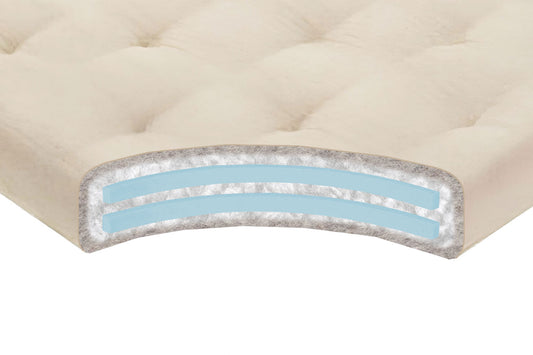
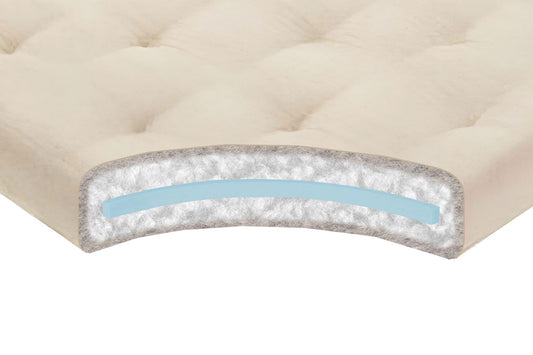
The Wool with Natural Cotton and Double Foam Futon Mattress is a strong option if you primarily want a couch that occasionally becomes a bed. It combines natural fibers with foam to give futon sofas a more cushioned, sofa-like seat while still providing decent comfort for overnight guests.
Because the design priorities and use-case are different (seating first, sleeping second), this mattress sits in a slightly different category and is not directly comparable to shikibutons and Japanese Style futons intended as primary beds. It is best understood as a dedicated futon sofa solution.
Stepping Up: Natural Investment Shikibutons and Japanese Style Mattresses
When you move beyond the machine-made Essential Value tier, you enter the realm of true investment futons: hand-layered or more complex builds, thicker fills, premium components like latex, and much more substantial feel and longevity.
Natural Cotton, Wool and Latex Shiki Futon Mattress
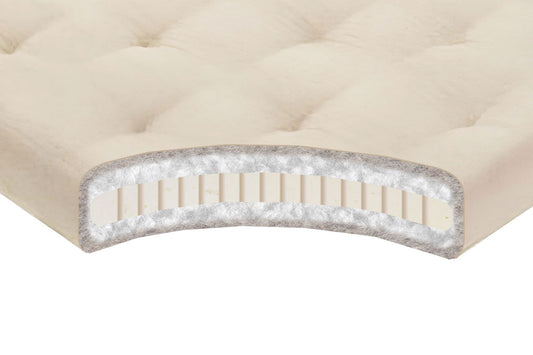
The Natural Cotton, Wool and Latex Shiki Futon Mattress is a significant step up from the budget shikibutons. At around $1,100 for a full-size 6 inch model, the price reflects both the additional latex layer and the more intensive construction.
Why it feels different:
- Latex adds resilience and “lift,” reducing the chance of feeling bottomed out against the support surface.
- The combination of cotton, wool, and latex distributes weight more evenly and can handle everyday sleeping much more comfortably than lighter, all-cotton builds.
- This design is better suited to people who want a futon or shikibuton for nightly use and care about back support and long-term performance.
Natural Japanese Style Mattresses
For those who want an even more traditional, old-fashioned feel, Natural Japanese Style mattresses occupy the upper end of the natural investment tier. In full-size 6 inch builds, these typically range from about $1,000 to $1,700, depending on the exact material mix and design.
What you are paying for:
- Very dense, heavily filled cores, often hand-layered and hand-tufted.
- A firmer, more grounded sleeping surface that reflects classic Japanese and old-world futon construction.
- Substantial weight and thickness that make them ideal for low-profile platform beds or stationary floor beds.
Because they are so thick and heavy, these Japanese Style mattresses are not intended for futon sofas. They are best viewed as long-term sleeping investments: buy once, set them up on a solid, breathable base, and maintain them with regular airing and rotation.

Going Organic: Premium Investment Shikibutons and Japanese Style Mattresses
If you love the feel and support of the Natural line but want certified organic materials, the Organic family offers parallel designs at higher price points, reflecting the cost of organic fibers and more stringent sourcing.
Handmade Organic Shikibutons
Two key models sit in the organic “investment” tier for shikibutons:
Both are handmade and use certified organic cotton (and organic wool in the cotton–wool version). At around $800 for a full-size 6 inch mattress, they sit between the Natural latex-containing shikibuton and the highest organic hybrids.
Why someone might choose these:
- Desire for organic fibers against the skin and inside the mattress.
- Need to minimize exposure to conventional cotton processing and potential residues.
- Interest in a long-term, nightly-use floor bed or low platform setup with a clear, organic materials story.
Organic Cotton, Wool and Latex Shiki Futon Mattress
At the top of the shikibuton family is the Organic Cotton, Wool and Latex Shiki Futon Mattress. Priced around $1,600 for a full-size 6 inch mattress, this is the flagship organic model.
It offers:
- A supportive, resilient latex layer for comfort and durability.
- Certified organic cotton and wool for a clean, breathable core.
- Construction designed for serious, nightly use on floor beds or low-profile platforms.
This is the kind of futon you buy when you are ready to treat your mattress like a long-term piece of natural furniture rather than a disposable cushion.
Organic Japanese Style Mattresses
At the very top of the range are the Organic Japanese Style mattresses. In full-size 6 inch builds, these typically run from about $2,200 to $2,900, depending on the exact configuration.
These are:
- Extremely dense and heavy, with large amounts of organic cotton and often wool.
- Hand-intensive in their construction, using old-fashioned methods that take time and skill.
- Designed for people who want the most traditional, floor- or platform-style sleeping surface with the cleanest materials possible.
In budget vs. investment terms, these are firmly in the “investment” category. You are paying for organic supply chains, labor, and a very specific, traditional feel. If you want to understand what “certified organic” means at the federal level, the USDA’s overview of organic standards is a helpful reference.

Other Notable Options: Innerspring and Coir–Latex Hybrids
Not everyone who shops for futons wants a pure cotton or shikibuton-style mattress. Some people need a bridge between conventional beds and natural futons.
Two notable options around the $500 mark are:
- Natural Cotton, Foam and Innerspring Mattress – an innerspring mattress that keeps a more familiar “bed-like” feel while still aligning with Comfort Pure’s natural approach.
- Natural Cotton, Foam and Pocket Spring Mattress – a supportive spring mattress designed for people who want more structure than a typical futon can provide.
Beyond that, there are several mattresses in the $1,000–$1,500 range that combine coconut coir and latex layers for extra structure and airflow. These hybrids can be a strong choice if you like the idea of natural fiber support but want the resilience of latex and the ventilation properties of coir. If you want a quick background on coir as a material, Wikipedia’s overview of coir is a solid starting point.
While these options are not futons in the strictest sense, they matter in the budget conversation because they show what you can get at different investment levels if a traditional shikibuton is not the right fit.
How Much Should You Spend? Matching Budget to Use Case
Once you understand how the lines are structured, the budget question becomes less abstract. It is no longer “How much should a futon cost?” but “How much should my futon cost for the way I plan to use it?”
Occasional Guest Room or Light Use
If your futon will see a few dozen nights a year at most:
- Machine-made Natural shikibutons like the Natural Cotton and Wool Shiki Futon Mattress or Natural All Cotton Shiki Futon Mattress are often sufficient.
- You get natural materials and better comfort than a foam-heavy budget futon without paying for the heaviest builds.
Futon Sofa First, Guest Bed Second
If your futon is primarily a sofa:
- A dedicated futon sofa mattress like the Wool with Natural Cotton and Double Foam Futon Mattress is typically the best choice.
- Japanese Style mattresses are not recommended here; they are too thick and heavy for most frames.
Everyday Sleeping on Floor or Low Platform
If the futon is your primary bed:
- Think in terms of the Natural or Organic shikibutons and Japanese Style mattresses as your baseline, not the machine-made Essential Value tier.
- Natural Cotton, Wool and Latex Shiki Futon Mattress and its organic counterpart offer a strong balance of comfort, support, and longevity for nightly use.
- Japanese Style builds (natural or organic) become attractive if you want an heirloom-level, traditional sleeping surface.
Chemical Sensitivity or Strong Preference for Organic
If you are prioritizing organic materials:
- Budget for the Organic shikibuton range or Organic Japanese Style lines as a starting point.
- Aim for at least the Organic Cotton and Wool or Organic All Cotton shikibutons; the Organic Cotton, Wool and Latex model is the premium choice for those who want both organic materials and latex resilience.
Back Pain and Long-Term Comfort
If you are already dealing with back discomfort:
- Skip the lighter, machine-made shikibutons as your primary nightly bed. They are great essentials but not designed as serious back-care tools.
- Look toward the more substantial Natural and Organic shikibutons with latex, or the Japanese Style mattresses, which offer deeper support and more material under you.
- Consider coir–latex hybrid mattresses if you want a very structured, buoyant feel with strong support.
Budget vs. Investment in Plain Numbers
Very roughly, here is how the tiers break down for a full-size, ~6 inch mattress (actual pricing may vary over time):
- Machine-made Natural shikibutons: around $400.
- Natural shikibuton with latex: around $1,100.
- Handmade Organic shikibutons: around $800.
- Organic shikibuton with latex: around $1,600.
- Natural Japanese Style mattresses: roughly $1,000–$1,700.
- Organic Japanese Style mattresses: roughly $2,200–$2,900.
- Innerspring options (Stratus, Support Plus): around $500.
- Coir–latex hybrids: typically in the $1,000–$1,500 range.
Seen that way, “budget” and “investment” are not just marketing labels—they are clear tiers of materials, craftsmanship, and expected lifespan. If you spread the cost of an $800–$1,600 futon over many years of nightly sleep, the cost per year can be very reasonable compared to replacing cheaper, less supportive mattresses more often.
FAQ: Budget vs. Investment Futons
How much should you spend on a futon?
It depends on use. For occasional guest use, entry-level natural shikibutons can be enough. For nightly sleeping, it usually makes sense to invest in more substantial builds (often including latex or Japanese Style construction) for better support and longer life.
What is the difference between Natural and Organic futon mattresses?
They follow similar designs, but Organic models upgrade key materials (often cotton and wool) to certified organic versions with stricter sourcing and processing standards, which increases cost and appeals to shoppers who prioritize certified supply chains.
What is the difference between Standard and Japanese Style (“old-fashioned”) construction?
Standard builds are designed to be more manageable in weight and thickness while still using natural materials. Japanese Style builds are denser, heavier, and more traditional, with a firmer, more grounded feel and more hand-intensive construction.
Are Japanese Style mattresses good for futon sofas?
Usually not. Because they are thicker and heavier, Japanese Style mattresses are typically intended for low-profile platform beds or stationary floor beds rather than convertible futon sofa frames.
Is latex worth paying extra for in a shikibuton or futon mattress?
Latex adds resilience and “lift,” which can reduce the feeling of bottoming out and improve long-term performance for nightly use. It is often one of the clearest upgrades when moving from budget to investment tiers.
Which futon mattress tier makes the most sense for nightly sleeping?
For everyday sleeping, most people are better served by more substantial Natural or Organic models (often latex-containing shikibutons or Japanese Style builds) rather than the lightest machine-made entry options.
Conclusion: How Much Should You Spend on a Futon?
There is no single number that works for everyone. A family buying a guest futon for a rarely used room does not need the same mattress as someone sleeping on a shikibuton every night for the next decade. What matters is matching your budget to your use case and expectations.
If you only need occasional comfort, the machine-made Natural shikibutons and dedicated futon sofa mattresses are smart budget choices. If this mattress will be your daily bed, you are better served by the more substantial Natural and Organic shikibutons or Japanese Style mattresses—with or without latex, depending on how much bounce and resilience you want. If organic materials and old-fashioned craftsmanship are important to you, the higher investment tiers are designed with that in mind.
The best way to refine your choice is to look at the mattress comparison page, think honestly about how you will use the futon, and decide where you fall on the spectrum from essential value to long-term investment. Once you know that, the wide range of prices stops being confusing and starts telling you something very clear about what each mattress is built to do.