
Best Non-Toxic Mattress Topper: How to Evaluate Materials, Certifications, and Fit
If you've already decided you want a natural topper, the question isn't which brand is best. It's what makes a topper genuinely non-toxic, and which material solves your actual sleep problem.
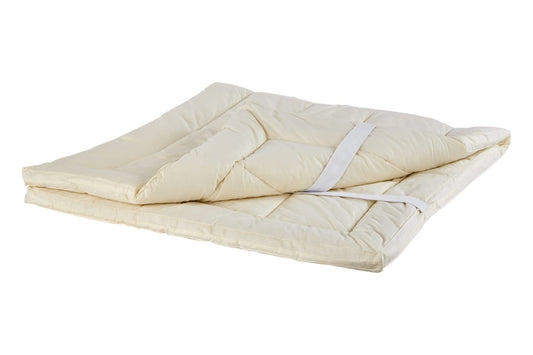
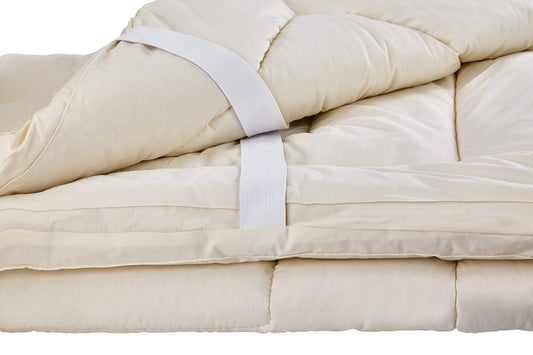
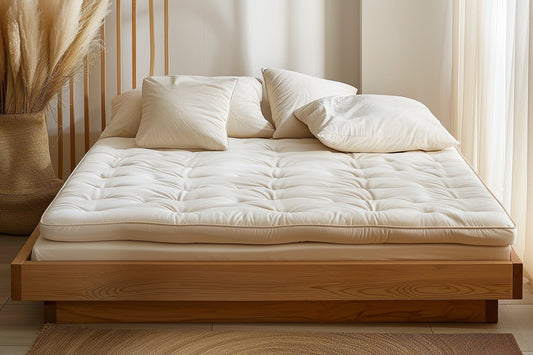
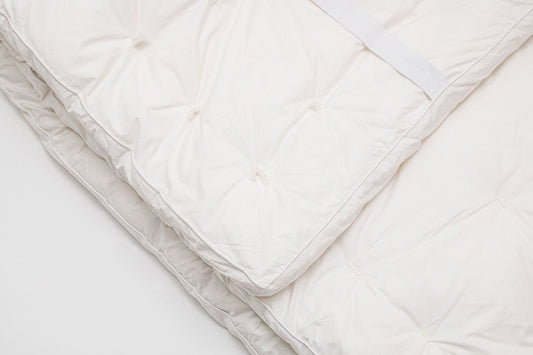
A lot of toppers are marketed as natural because they use a cotton cover or a label that sounds clean. That isn't enough. A topper earns the label when the full build avoids the usual problem materials: memory foam, polyurethane foam, synthetic fill, fiberglass, and chemical fire retardants. The best non-toxic mattress topper is the one that uses simple materials, has credible certification, and changes the feel of your bed in the right direction without creating a new problem.

What Makes a Topper Genuinely Non-Toxic
A non-toxic topper is defined first by what it doesn't contain. No memory foam. No polyurethane. No polyester batting sold as "plush fill." No chemical flame barrier added to compensate for synthetic construction.
That matters because the biggest problem in this category starts with the base material, not the marketing around it. If the core is petroleum-based foam, the product may still feel comfortable, but it isn't what most people mean when they're seeking a cleaner sleep surface.
Four filters are worth applying before anything else:
Material origin. Start with the fill. Wool, natural latex, and organic cotton are the materials worth paying attention to. They come from renewable sources and don't rely on the same chemistry as synthetic foams.
Third-party certification. Claims like "green," "eco," or "natural" don't verify much on their own. Certification is what turns a soft claim into a checkable one.
Total construction. A latex core inside a polyester-padded cover isn't a fully non-toxic topper. The cover, quilting, and any batting matter as much as the fill itself.
Off-gassing potential. Natural materials can have a scent. That's different from the chemical off-gassing associated with foam made from petroleum derivatives — a distinction worth understanding before making a purchase.
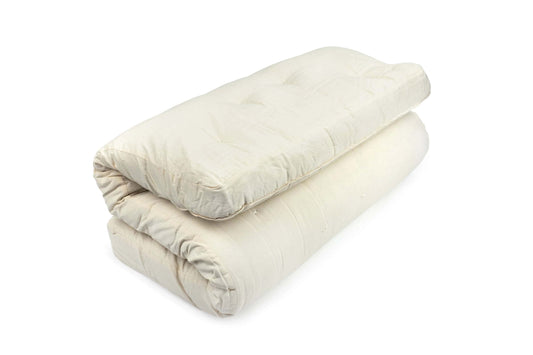
A cleaner topper usually uses a simple combination: wool fill with an organic cotton casing, GOLS-certified latex with a cotton cover, or cotton and wool together for a flatter, more traditional surface feel. The common thread is straightforward construction — fewer layers, fewer mystery treatments, fewer places for synthetics to hide.
Decoding Certifications: GOLS, GOTS, OEKO-TEX, and GREENGUARD Gold
Certifications are the closest thing this category has to a verified ingredient list. Without them, you're trusting a brand's wording. With them, you have something checkable.
GOLS (Global Organic Latex Standard) is the key certification for latex. Latex can be marketed as "natural" while still containing synthetic components or undisclosed blend materials. GOLS requires that the latex content contain at least 95% certified organic raw material, covers the processing chain, and prohibits the use of certain harmful chemical inputs. A GOLS-certified topper gives you much firmer ground than one described only as "natural latex." Crucially, GOLS certifies the latex material — it doesn't automatically certify the rest of the topper.
GOTS (Global Organic Textile Standard) covers cotton and wool textile components — the cover fabric, quilting, and batting. GOTS requires at least 95% certified organic fiber for the full "organic" designation (70% for "made with organic") and restricts chemical dyes, processing agents, and finishing treatments across the supply chain. A topper with GOTS-certified cotton and GOLS-certified latex has organic verification on every major component. A topper with GOTS certification only on its cover fabric may still have an uncertified latex or foam core underneath.
OEKO-TEX Standard 100 tests finished materials for harmful substances — residual chemicals, heavy metals, VOCs, pesticides, and dyes. It doesn't verify organic sourcing, but it does confirm the finished component won't expose you to identified harmful substances. It works well as a complementary certification alongside GOLS and GOTS.
GREENGUARD Gold tests the assembled product for chemical emissions against strict indoor air quality limits. This is the certification most directly relevant to the bedroom use case — it measures what the product actually releases into room air, not just what went into making it. For anyone with chemical sensitivities or concerns about indoor air quality, GREENGUARD Gold on the finished topper is particularly useful.
One practical check worth making: certification bodies maintain public databases. GOTS certificates can be verified at global-standard.org. GREENGUARD Gold certificates can be checked through the UL SPOT database. If a brand can't provide a license number that leads to a verifiable database entry, the claim can't be independently confirmed.

Comparing the Materials: Wool, Latex, and Cotton
The material choice matters more than is often discussed in topper guides. Not because one is universally better, but because each solves a different problem.
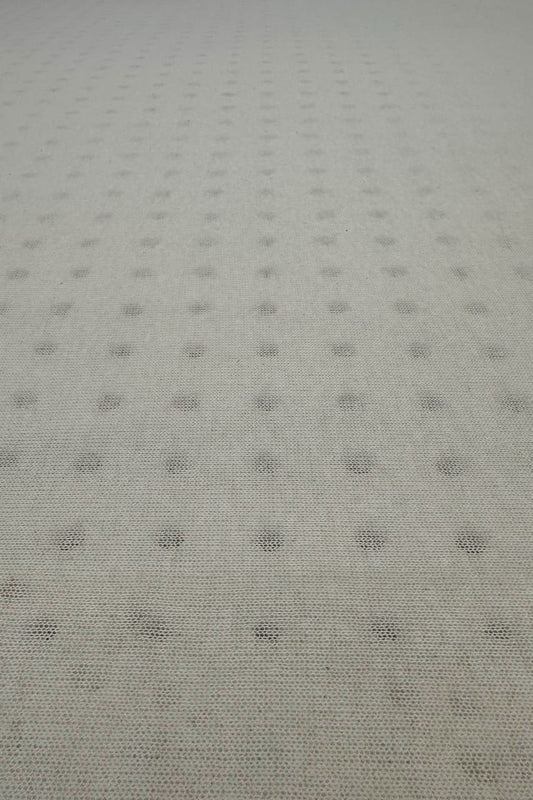
Latex for pressure relief and responsiveness. Latex is the performance material in this group. It provides pushback, elasticity, and a more active feel than wool. It contours under body weight — particularly at the shoulders and hips for side sleepers — but springs back immediately when you shift position, unlike the slow recovery of memory foam. For a mattress that feels too firm at pressure points rather than generally uncomfortable, latex is usually the more targeted solution. Perforated latex designs improve breathability further while maintaining the support properties.
The trade-off is feel. Latex is buoyant and springy, not soft and plush. Sleepers coming from conventional foam who expect a melting, slow sensation will find latex noticeably different. That's a benefit for anyone avoiding synthetics specifically, but it's worth knowing before buying.
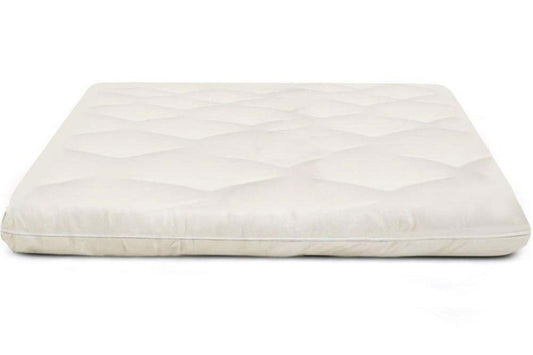
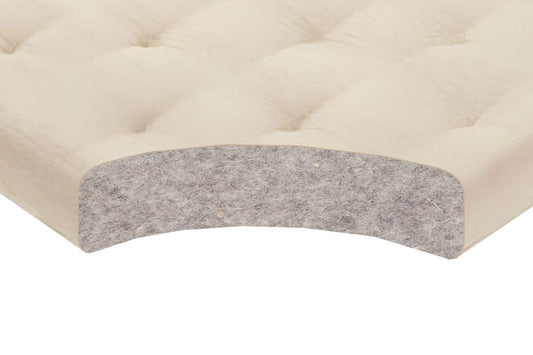
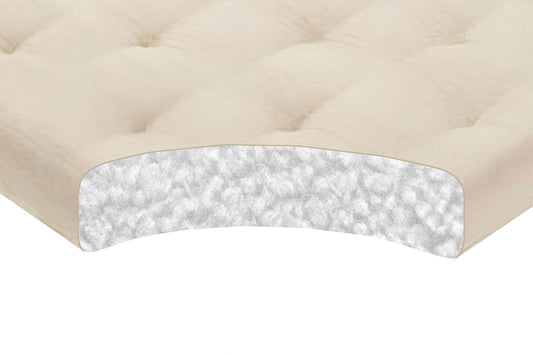
Wool for temperature regulation and surface comfort. Wool solves a different set of problems. It doesn't contour like latex. What it does is soften a firm surface in a more subtle, cushioned way and — more importantly — manage heat and moisture. Wool absorbs humidity without feeling damp and releases it as conditions allow, which is why it tends to regulate temperature across a wider range of sleep conditions than synthetic "cooling" treatments that depend on surface coatings.
This makes wool the more natural first choice for hot sleepers, for people who dislike foam altogether, and for anyone who wants the bed to feel calmer rather than springier. A thicker wool topper can make a firm mattress substantially more livable without altering its underlying support character.
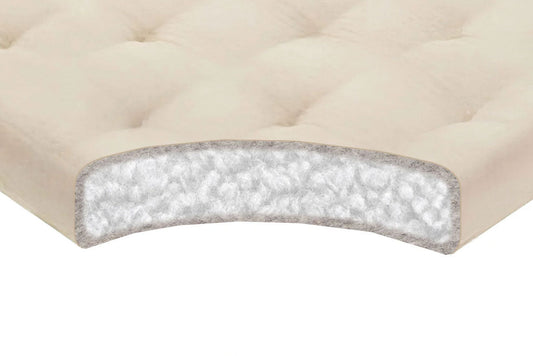
Cotton in combination. Cotton isn't usually the star material in a topper core, but it plays an important role in cotton-and-wool builds. It creates a more grounded, familiar surface feel — lightly cushioned, breathable, without the bounce of latex or the loft of a thick wool build. Cotton and wool together suit buyers who want a modest, natural comfort adjustment rather than a material with a strong personality of its own.
| Material | Primary benefit | Feel | Best for |
|---|---|---|---|
| Wool | Temperature regulation and moisture management | Cushioned, breathable, less springy | Hot sleepers, firm mattresses, people who dislike foam feel |
| Natural latex | Pressure relief and responsive support | Buoyant, supportive, contours and rebounds quickly | Side sleepers, pressure points at shoulder and hip, mattresses needing comfort adjustment |
| Cotton and wool | Balanced natural surface | Flatter, lightly cushioned, breathable | Shoppers wanting a subtle change with a simple, familiar natural build |
For a broader look at how these materials behave across the full sleep system — mattresses, foundations, and bedding together — this guide to choosing a non-toxic mattress covers the evaluation framework in more detail.
-
Natural Wool Mattress Topper (3 Inch)
Regular price From $329.99Regular price $659.99 Sale price From $329.99Sale -
Organic Cotton and Wool Mattress Topper (3 Inch)
Regular price From $389.99Regular price $779.99 Sale price From $389.99Sale -
Organic Latex Mattress Topper (2-3 Inch)
Regular price From $479.00Regular price $599.00 Sale price From $479.00Sale -
Vitality Latex Mattress Topper (3 Inch)
Regular price From $749.00Regular price Sale price From $749.00 -
myTopper® Wool Mattress Topper (1.5 Inch)
Regular price From $169.00Regular price Sale price From $169.00 -
myWoolly® Wool and Latex Mattress Topper (3 Inch)
Regular price From $489.00Regular price Sale price From $489.00 -
myMerino® Merino Wool Mattress Topper (1.5 Inch)
Regular price From $339.00Regular price Sale price From $339.00 -
Savvy Woolsy Natural Wool Mattress Topper (3 Inch)
Regular price From $649.00Regular price Sale price From $649.00 -
Savvy Woolsy Organic Wool Mattress Topper (3 Inch)
Regular price From $749.00Regular price Sale price From $749.00 -
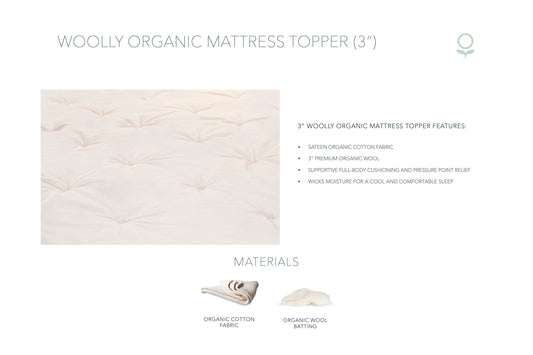
Wooly Organic Wool Mattress Topper (3 Inch)
Regular price From $749.00Regular price Sale price From $749.00 -
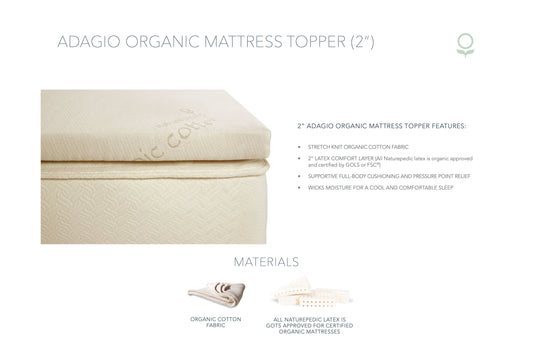
Adagio Organic Latex Mattress Topper (2 Inch)
Regular price From $399.00Regular price Sale price From $399.00 -
Box-Stitched Organic Shredded Latex Mattress Topper (3 Inch)
Regular price From $449.00Regular price Sale price From $449.00