
Are Futons Still Popular? How Minimalist Design Is Quietly Winning
-
El Paso Eco Futon Sofa Bed
Regular price From $689.99Regular price $819.99 Sale price From $689.99Sale -
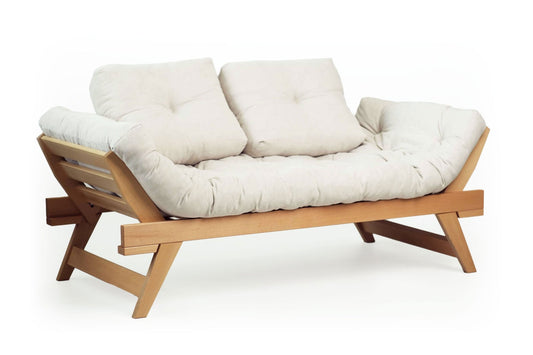
Taurus Eco Futon Sofa Bed
Regular price From $519.99Regular price $699.99 Sale price From $519.99Sale -
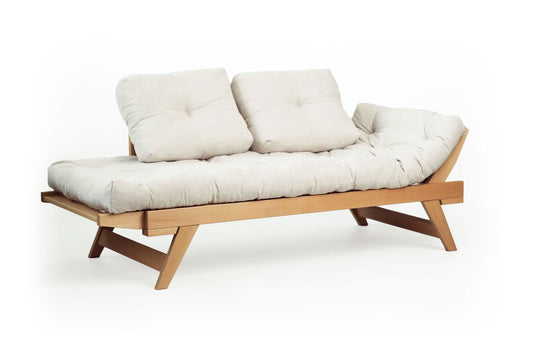
Long Beach Daybed Sofa Bed
Regular price From $659.99Regular price $739.99 Sale price From $659.99Sale -
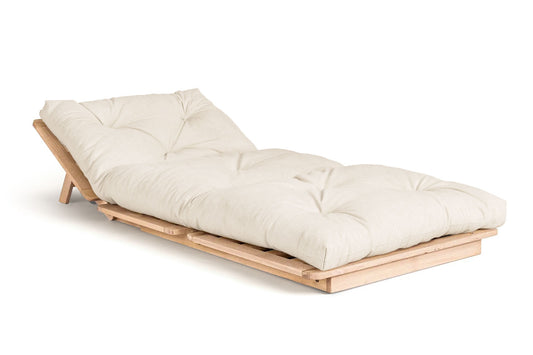
Hitachi Tri-Fold Futon Sofa Bed
Regular price From $249.99Regular price $599.99 Sale price From $249.99Sale -
Elk Grove Eco Futon Sofa Bed
Regular price From $759.99Regular price $869.99 Sale price From $759.99Sale -
Aries Eco Futon Sofa Bed
Regular price From $569.99Regular price $699.99 Sale price From $569.99Sale -
Akron Eco Futon Sofa Bed
Regular price From $689.99Regular price $819.99 Sale price From $689.99Sale -
Virgo Eco Futon Sofa Bed
Regular price From $589.99Regular price $699.99 Sale price From $589.99Sale -
Sendai Tri-Fold Futon Sofa Bed
Regular price From $299.99Regular price $349.99 Sale price From $299.99Sale -
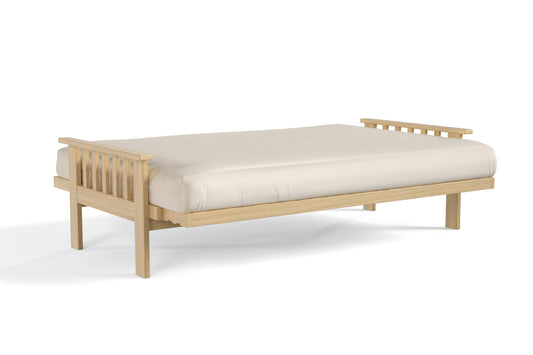
Mission Flat Arm Amish-Made American Oak Futon Sofa Bed
Regular price From $959.99Regular price $1,219.98 Sale price From $959.99Sale -
Libra Eco Futon Sofa Bed
Regular price From $619.99Regular price $699.99 Sale price From $619.99Sale -
Mission Bent Arm Amish-Made American Oak Futon Sofa Bed
Regular price From $1,019.99Regular price $1,319.98 Sale price From $1,019.99Sale

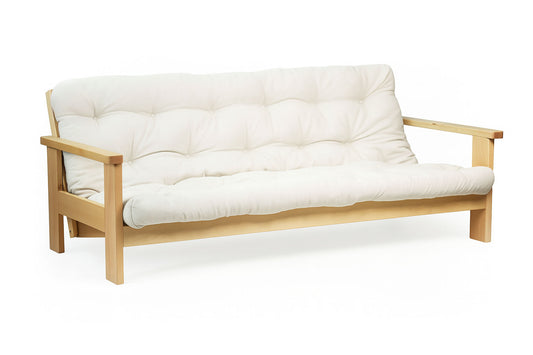
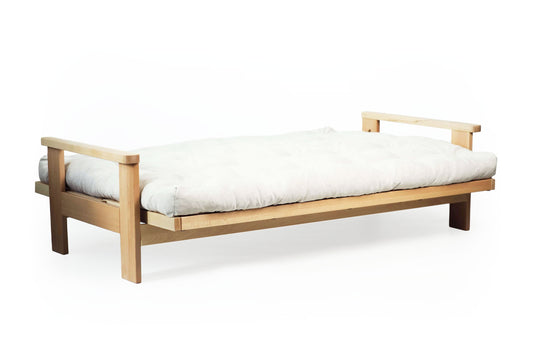


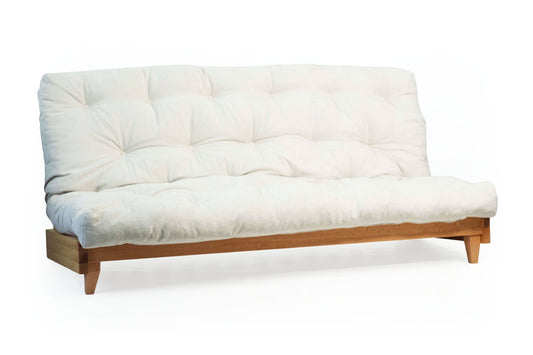
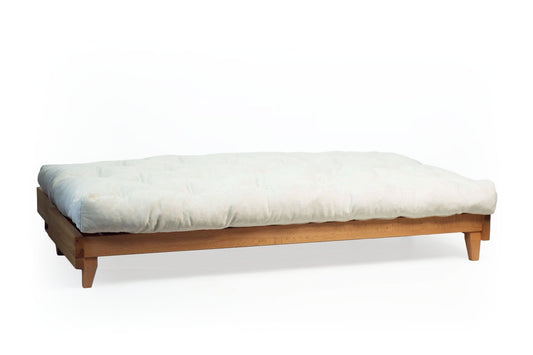
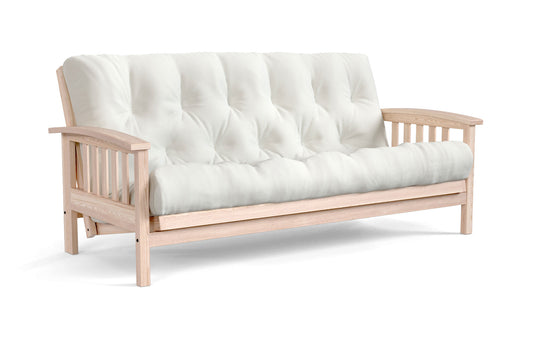
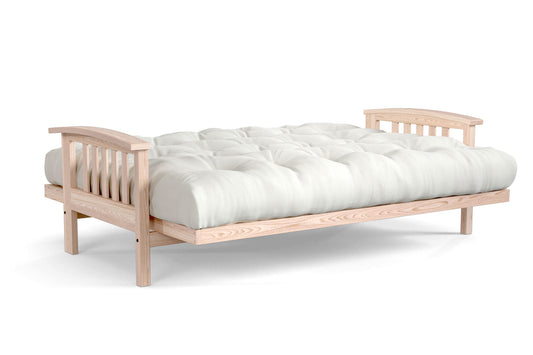
Why Futons Make Sense In Japandi And Minimalist Interiors
Japandi style, and minimalism more broadly, are not just about neutral colors and empty surfaces. At their core, both styles favor:
- Lower, human-scale furniture that does not dominate the room.
- Natural materials like wood, cotton, wool, and paper rather than plastics.
- Rooms that change function easily throughout the day.
- Buying fewer, better pieces instead of constant replacements.
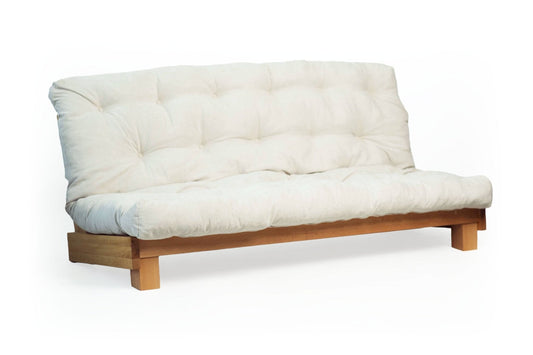
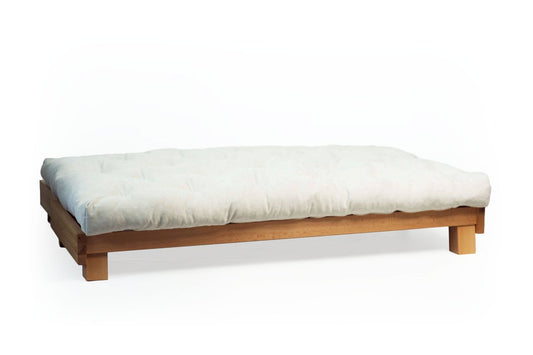
The right futon setup delivers all of those at once. A low futon frame made from real wood anchors a room visually without feeling bulky. A natural futon mattress can serve as a sofa cushion during the day and a supportive bed at night. When combined with a compact coffee table and a few carefully chosen textiles, you get a space that feels intentionally simple instead of bare.
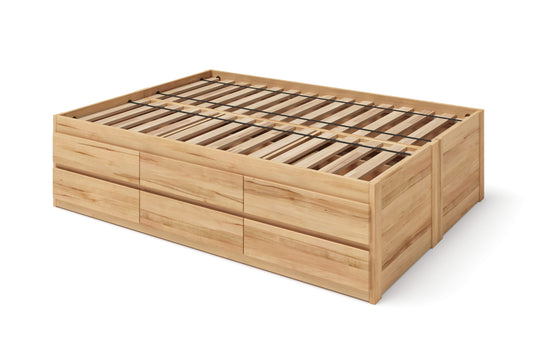
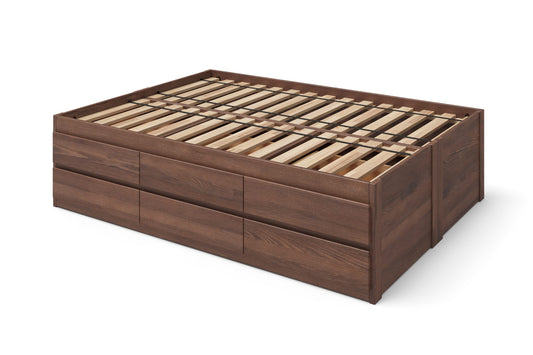
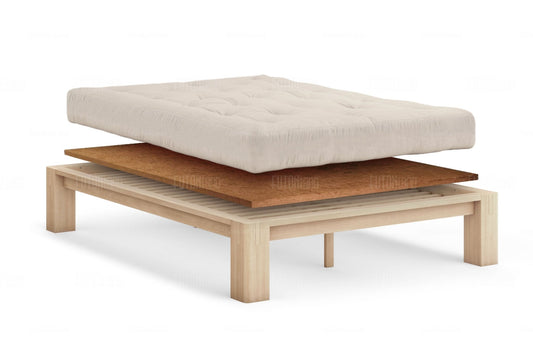
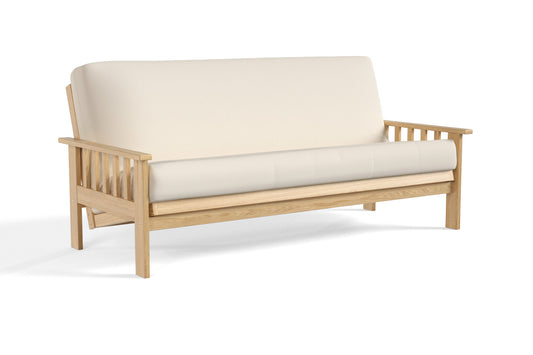
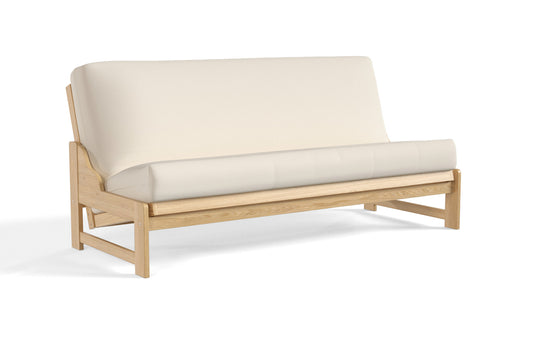
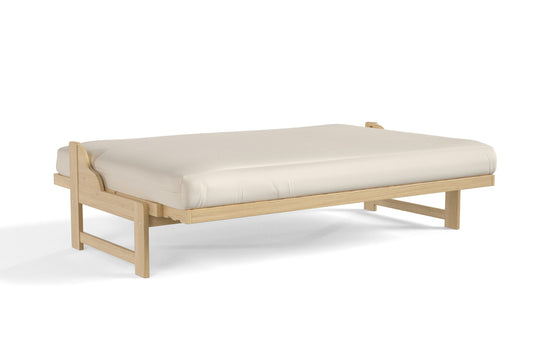
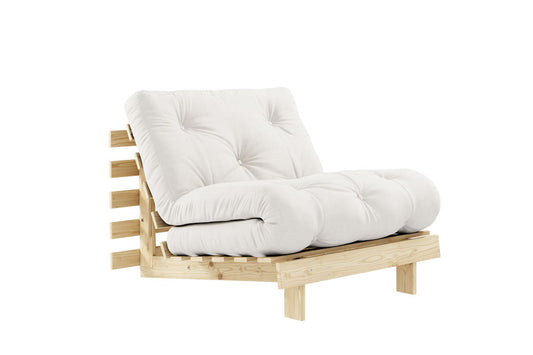
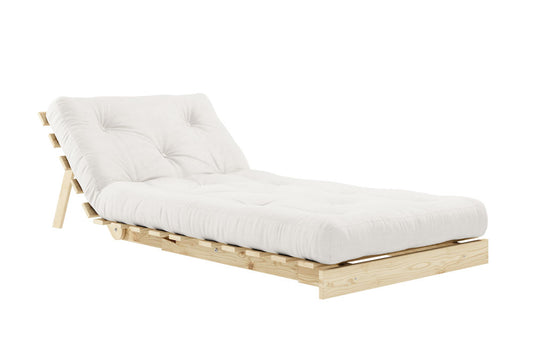
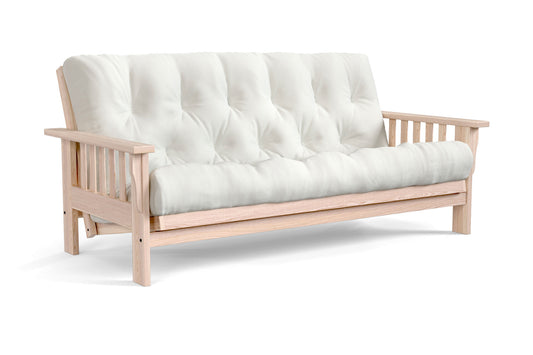
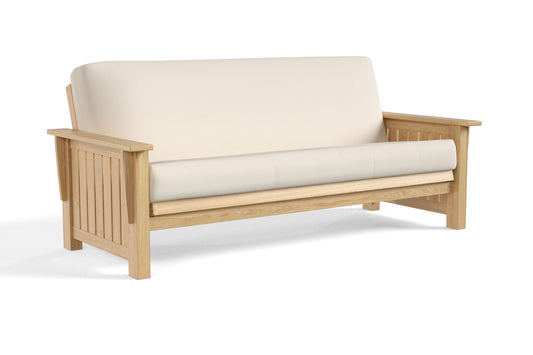
Modern collections of solid wood futon frames have leaned into this aesthetic. Clean lines, slatted backs, and natural finishes make them feel much closer to Scandinavian or Japanese design than to the metal frames of the past. Paired with neutral covers and layered blankets from a natural bedding assortment, they read as serious furniture, not temporary stopgaps.
Small-Space Living: Rooms That Do Double And Triple Duty
If you live in a studio or a small house, the question is not just “where do I sleep?” but “how can this one room handle everything without feeling cramped?” That is where futons quietly become one of the most practical pieces in the room.
Think about common small-space scenarios:
- A studio apartment where the living room is also the bedroom, and you want seating that does not scream “this is my bed” when guests come over.
- A home office that occasionally doubles as a guest room for friends or family, where a full-size bed would feel wasteful the rest of the time.
- A family room where kids lounge, read, and watch movies, and overnight guests show up a few times a year.
In each case, a futon with a supportive mattress can be your main sofa most days of the year. At night, the same piece becomes a comfortable bed without needing a separate mattress hidden inside. That is a big part of why futons show up so often in discussions of multifunctional furniture for small, healthy homes: they compress two major functions into one footprint and do it with relatively simple construction.

Sustainability And What Futons Are Made Of Today
Another reason futons are quietly regaining popularity is that they are surprisingly compatible with sustainable, low-tox design. Many sofa beds on the market are heavily dependent on polyurethane foam, particleboard, and synthetic fabrics. By contrast, futon mattresses and frames can be built mostly from natural materials.
Modern futon mattresses often use combinations of:
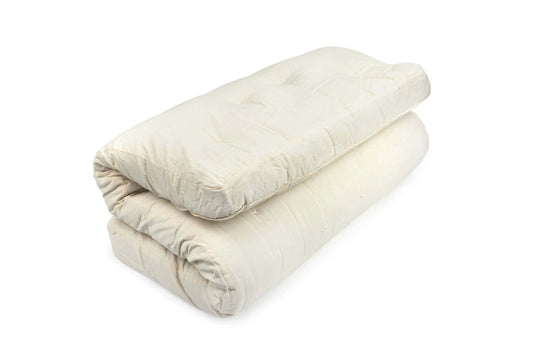
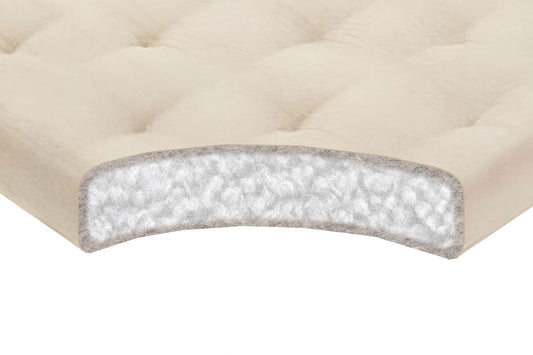
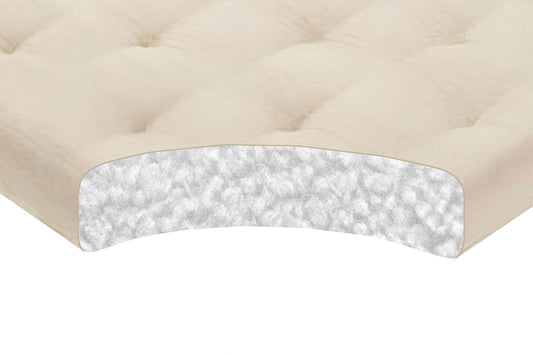
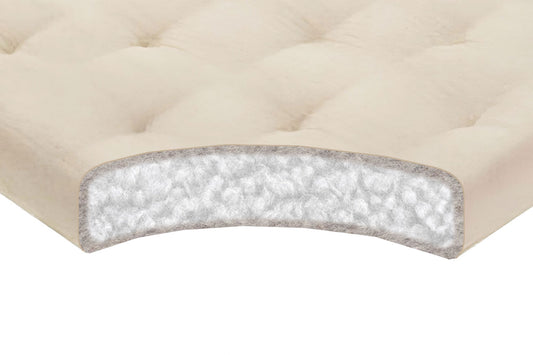
- Layers of cotton batting for resilience and structure.
- Wool for temperature regulation and moisture management.
- Natural latex for gentle, pressure-relieving support.
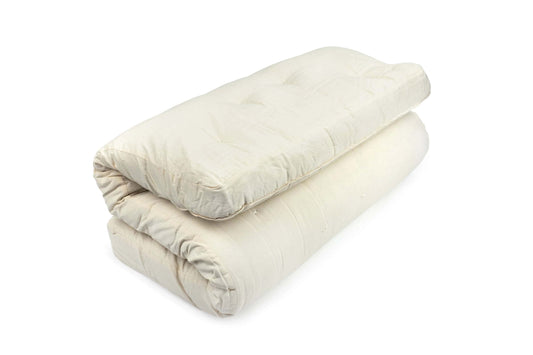
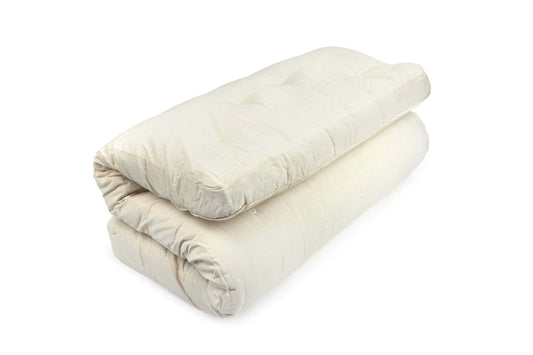
When these are wrapped in cotton ticking and placed on a hardwood frame, you end up with a piece that is both functional and more aligned with the values of a natural home. Collections of natural futon mattresses and sets make it easier to build a couch-and-bed combination that feels closer to a traditional bed than to a thin foam pad.
For people trying to reduce synthetic materials in their homes, this natural construction is not just an abstract benefit. It can mean fewer harsh odors, better breathability, and the ability to air and refresh the mattress in ways that dense foam cushions cannot imitate.
How People Use Futons As Primary Seating And Sleeping Today
The most striking change in futon popularity is not raw sales numbers; it is where they live and how they are used. Instead of being shoved into corner guest rooms, modern futons increasingly sit in the most important spaces in the home.
Scenario 1: The Studio That Needs To Feel Like A Living Room
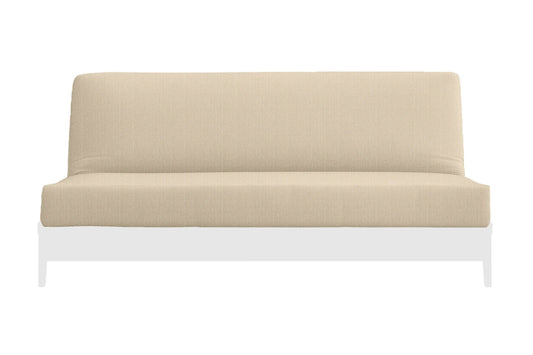
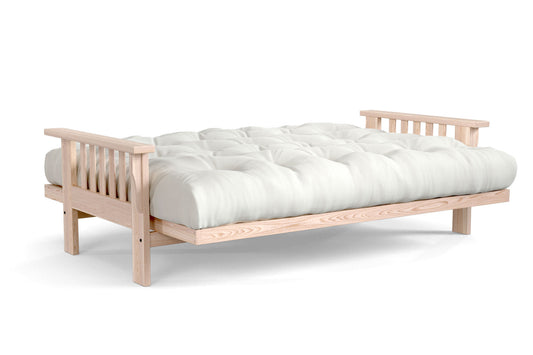
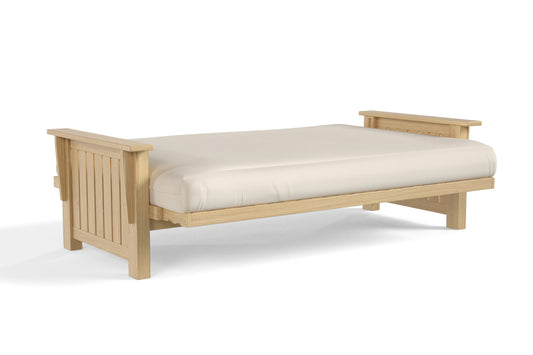
In a studio apartment, a futon often anchors the main wall. During the day, it reads as a streamlined sofa with a couple of pillows and a throw. At night, it folds flat to become the bed. Because the mattress is designed for sleeping, it can be thick enough and supportive enough for daily use. A low coffee table and a compact side table finish the space without crowding it.
Scenario 2: The Hybrid Home Office
In a small home office, a futon with a full or twin-size mattress allows the room to host guests without bringing in a separate bed. Most days, it works as a reading bench or a soft spot to take calls. When visitors arrive, the futon becomes a real bed, especially when paired with sheets and blankets from a coordinated bedding collection that can be stored away in a nearby chest or cabinet.
Scenario 3: The Family Media Room
In a family room or den, a futon is often configured in lounge mode most of the time. Everyone piles onto it to read, watch movies, or play games. When someone needs to sleep over—or when a family member is sick and wants to sleep near the main living area—the futon converts effortlessly into a bed, often more comfortable than inflatables or old pull-out mattresses.
These are not hypothetical use cases. They mirror the way futons are discussed in many real-world examples of multifunctional furniture in compact homes, where each room is expected to play several roles over the course of a week.

Design Differences: Modern Futons Versus Traditional Sofa Beds
Part of understanding futon popularity is seeing how they differ from the other obvious choice: sofa beds. Both have their place, but they behave differently over time.
In a typical sofa bed, you sit on one surface and sleep on another. The seating cushions are separate from the hidden mattress. Over years of use, you might see uneven wear: the seat cushions flatten and the hidden mattress may still feel new, or vice versa. Pull-out mechanisms also add complexity and weight.
In a futon setup, you sit and sleep on the same mattress. This pushes manufacturers to design futon mattresses that can handle both uses. It also means you can flip and rotate the mattress to even out wear, just as you would with a standard bed. When the mattress eventually needs replacing, you can keep the frame and simply upgrade the core.
If you are weighing the two categories for your space, a detailed comparison of sofa beds and futon frames can help clarify which combination of comfort, budget, and layout makes the most sense for you.
How To Choose A Futon That Fits Today’s Minimalist Aesthetic
If you are curious about bringing a futon into your home but want to avoid the “college futon” look, focus on three main decisions: the frame, the mattress, and the cover.
Choose A Frame With Clean Lines And Real Wood
Look for a frame with:
- Solid hardwood construction instead of hollow metal tubing.
- Simple, straight lines or gently curved arms rather than bulky, overstuffed shapes.
- A low profile that keeps the seating surface closer to the floor.
Frames from a curated range of hardwood futon frames will often highlight the grain and color of the wood rather than hiding everything under dark paint. This makes the futon feel more like a piece of crafted furniture and less like temporary gear.
Invest In A Mattress Built For Real Sleep
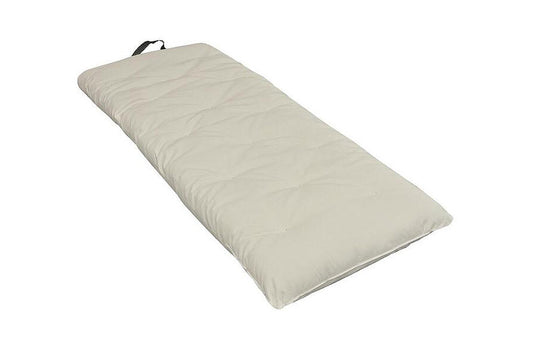
If you plan to sit and sleep on the futon regularly, treat the mattress choice as seriously as you would for a bed. Look for multiple layers of natural fibers, thoughtful tufting, and enough thickness to support your body without bottoming out.
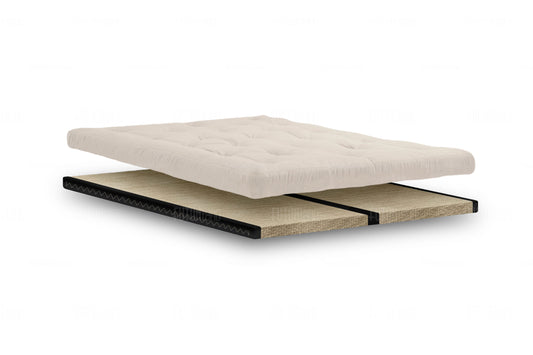
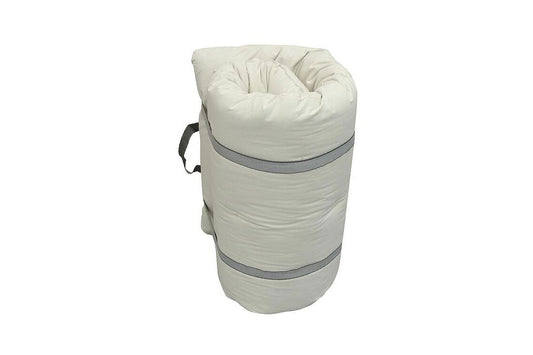
You can explore options in a dedicated futon mattress collection or consider Japanese-style floor mattresses if you want to experiment with futon sleeping directly on tatami or a low platform instead of a convertible frame.
Use Neutral Covers And Layered Textiles
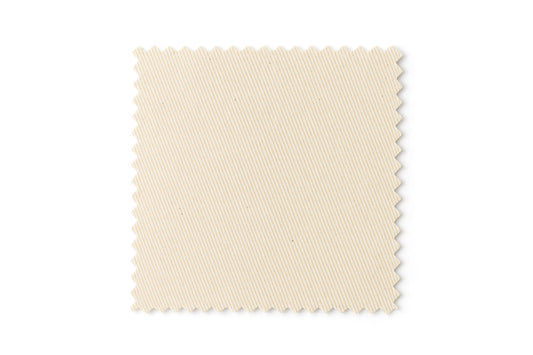
A simple cover choice can make or break the look. Solid, neutral slipcovers or mattress covers let the shape and wood details stand out. You can always add a bit of personality with a throw blanket or a pair of pillows, which are far easier to change than the main cover if your taste shifts later.

Frequently Asked Questions About Modern Futons
Are futons comfortable for everyday sleeping?
Yes, absolutely. Unlike the thin pads of the past, modern natural futon mattresses are built with layers of cotton, wool, and latex to provide real orthopedic support. When paired with a sturdy solid wood frame, they offer a sleep experience comparable to a standard bed.
What is the difference between a sofa bed and a futon?
The main difference is the mattress. With a sofa bed, you sit on cushions and pull out a separate, often thinner, mattress. With a futon, the mattress you sit on is the same one you sleep on. This makes futons simpler, lighter, and often more durable since there are no complex metal mechanisms to break.
How long do natural futon mattresses last?
A high-quality natural futon mattress typically lasts between 8 to 15 years, depending on the materials and care. Mattresses with a latex core tend to last the longest. To extend their lifespan, we recommend rotating and flipping them regularly to prevent body impressions.
Do modern futons fit the Japandi style?
Yes, they are a perfect match. Japandi design focuses on low profiles, natural materials, and functionality. A low-slung solid wood futon frame with a neutral cotton cover hits every single one of these design notes.
So… Are Futons Still Popular?
If you measure popularity purely by how often someone uses the word “futon” in casual conversation, you might think they faded. But if you look at what people are actually buying and how they are setting up their homes—smaller spaces, multi-use rooms, low and simple seating, interest in natural materials—a lot of the most popular choices quietly resemble modern futon living.
Today’s futons are not just emergency beds. They are centerpieces in studios, main sofas in family rooms, and flexible guest solutions in home offices. When built with solid wood frames, thoughtfully layered natural mattresses, and covers that match a Japandi or minimalist palette, they feel very far from the wobbly metal frames of the past.
So yes, futons are still popular. They have simply grown up, kept the best parts of their heritage, and stepped into a new role as one of the most adaptable pieces of furniture in a small, healthy home.