



Comfort Pure
Tatami Bed (Beechwood)
Tatami Bed (Beechwood)
SKU:PF-UKRAINE-KANSO-TW-NT
90674 —LTL
Couldn't load pickup availability
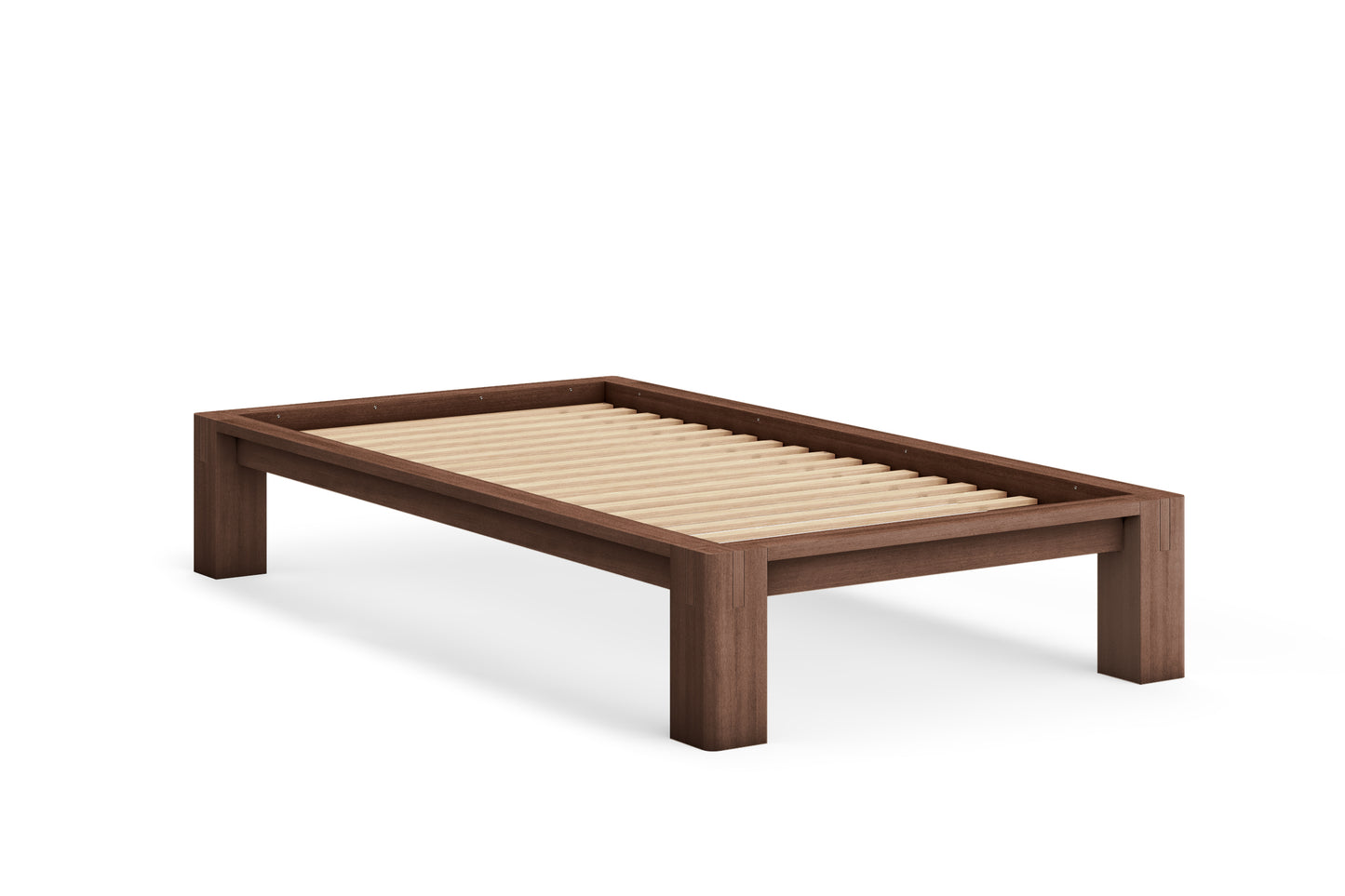
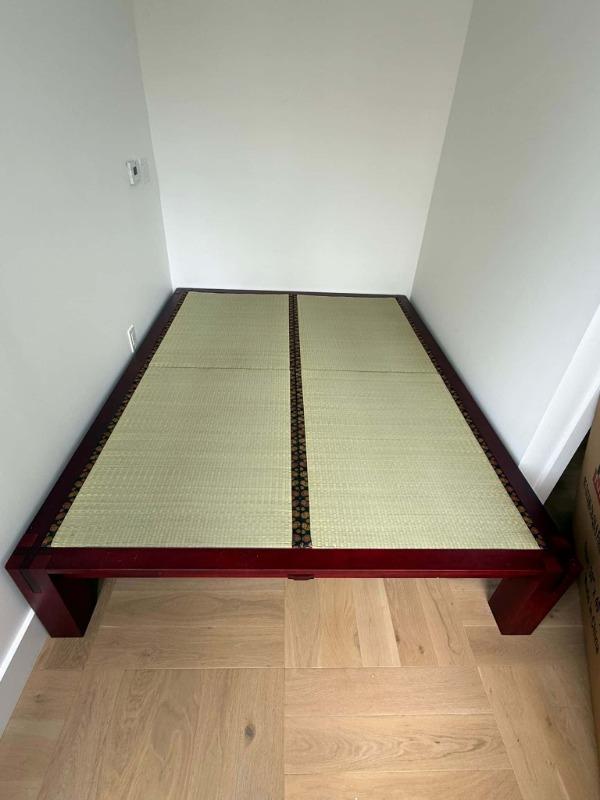
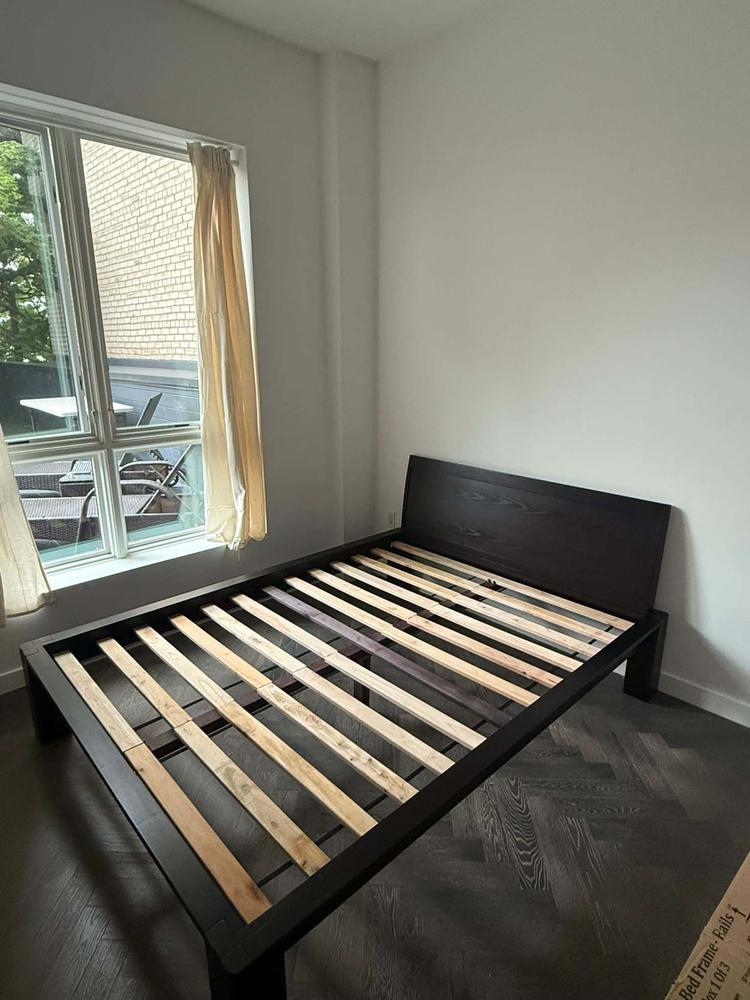
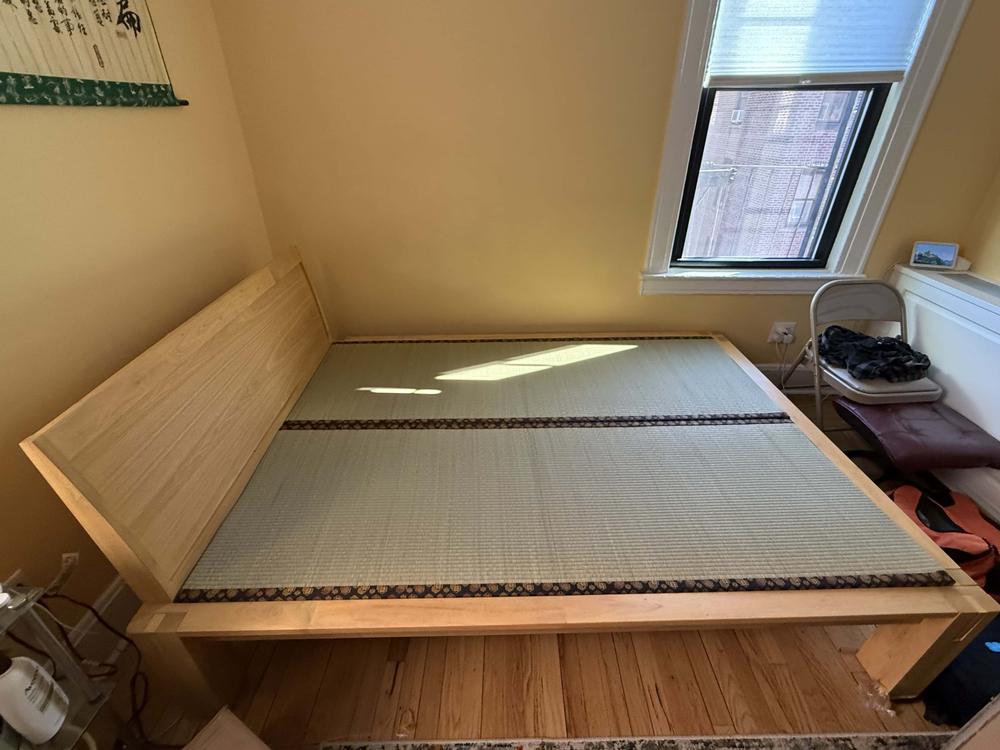
This Japanese-style platform bed is crafted from solid beech wood, sustainably sourced and FSC-certified, offering an eco-friendly and durable option for your bedroom. Its interlocking design eliminates the need for brackets or screws, making assembly simple and stress-free. The bed includes wooden slats, each 1 3/4" thick with a 2" gap between them, providing solid support. For optimal performance, it's recommended to pair the bed with a Tatami mat, coir pad, or plywood for an even surface. The hand-rubbed natural oil finish ensures a chemical-free, formaldehyde-free surface, making it a safe and healthy choice for your home.
Designed with a minimalist, modern aesthetic, the platform bed features a sleek matte finish and no visible hardware, enhancing its clean look. The bed sits 10" above the floor, providing ample clearance underneath. Full, Queen, and King size models come with three additional support legs for extra stability, ensuring long-lasting strength and comfort. Perfect for those seeking both style and functionality, this bed is a beautiful addition to any contemporary space.

Dimensions
Dimensions
- Twin: 45" x 81" x 13.75"
Bed Area: 39" x 75" - Full: 60" x 81" x 13.75"
Bed Area: 54" x 75" - Queen: 66" x 86" x 13.75"
Bed Area: 60" x 80" - King: 82" x 86" x 13.75"
Bed Area: 76" x 80"
Shipping & Returns
Shipping & Returns
| Shipping Method | Cost |
|---|---|
| Standard Shipping | Free* |
| Room of Choice Delivery | $99+ |
| Room of Choice Delivery & Assembly | $149+ |
Our items are stocked and sourced from a network of U.S.-based warehouses. Fulfillment and shipping times depend on availability and the delivery address. Shipping Policy »
Most items can be returned within 30 days for a refund. You will be responsible for shipping charges and a 20% restocking fee. Return Policy »


Frequently Asked Questions
What is the Tatami Platform Bed made from?
The Tatami Bed is crafted in Ukraine from solid, natural FSC-certified beech wood. Like our other platform bed frames, it is finished with a non-toxic, hand-rubbed natural oil. This Japanese bed is designed for durability, while its minimalist design complements traditional and modern Japanese furniture aesthetics.
Can I use a futon mattress with the Tatami Bed?
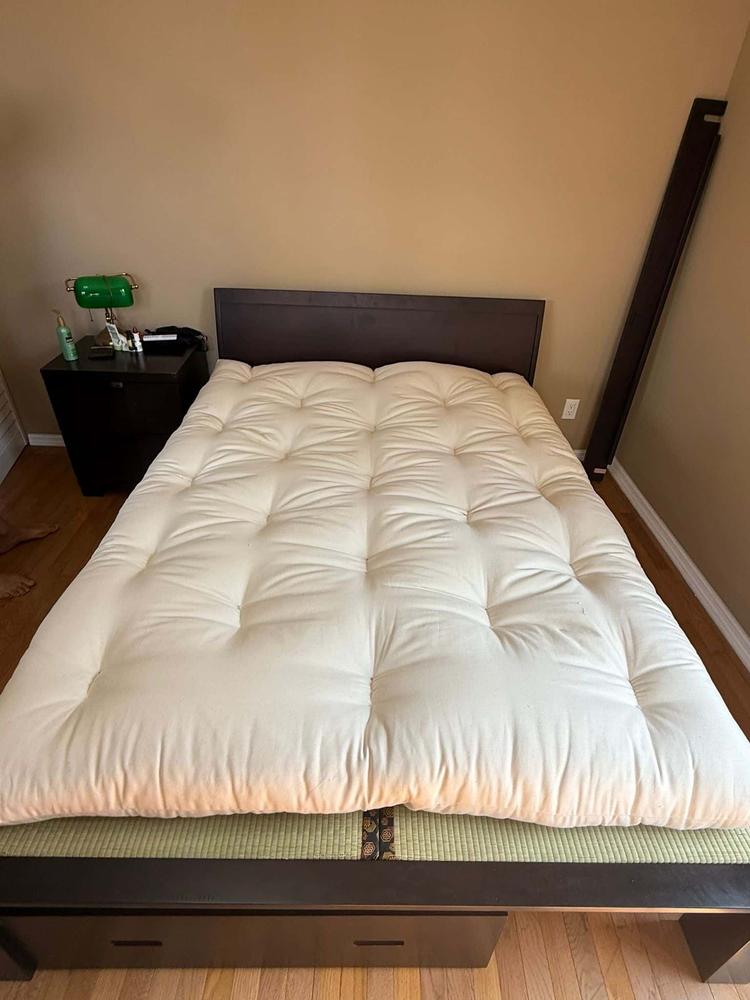
Yes, the bed is ideal for use with a futon mattress, particularly a shiki futon. The slatted surface provides firm support, which aligns perfectly with the traditional Japanese sleeping setup.
How does the Tatami platform fit into a tatami room?
The low-profile design of the Tatami platform fits seamlessly into a tatami room, blending naturally with the aesthetic of traditional Japanese interiors. Its minimalist style makes it ideal for creating an authentic Japanese-style sleeping space.
Can I use a tatami mat with the Tatami Bed?
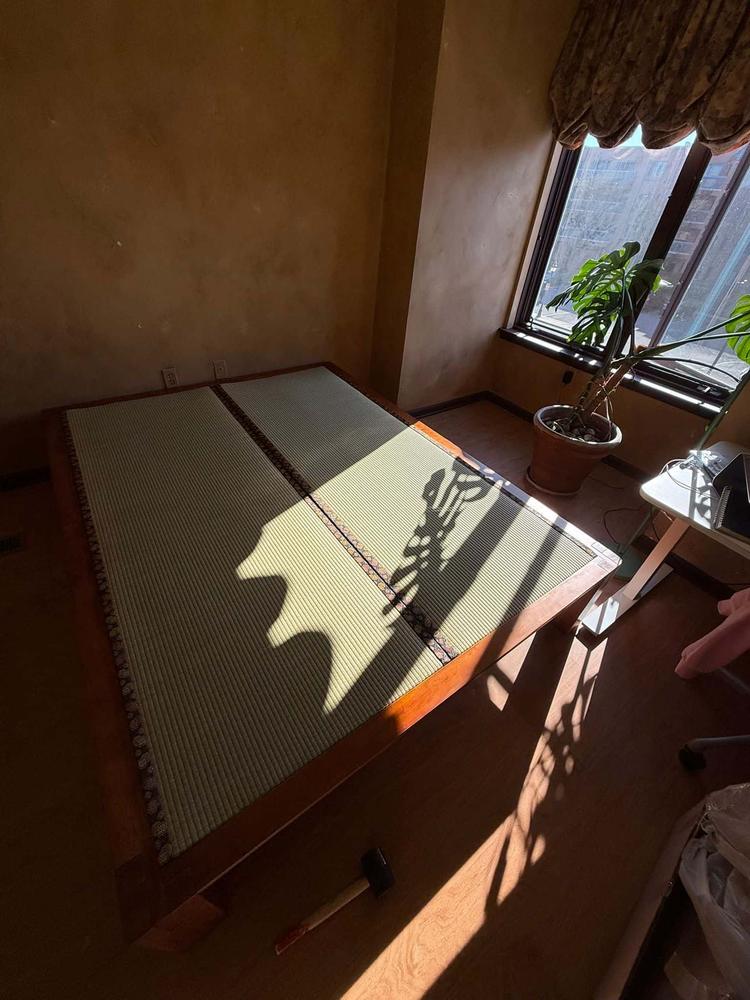
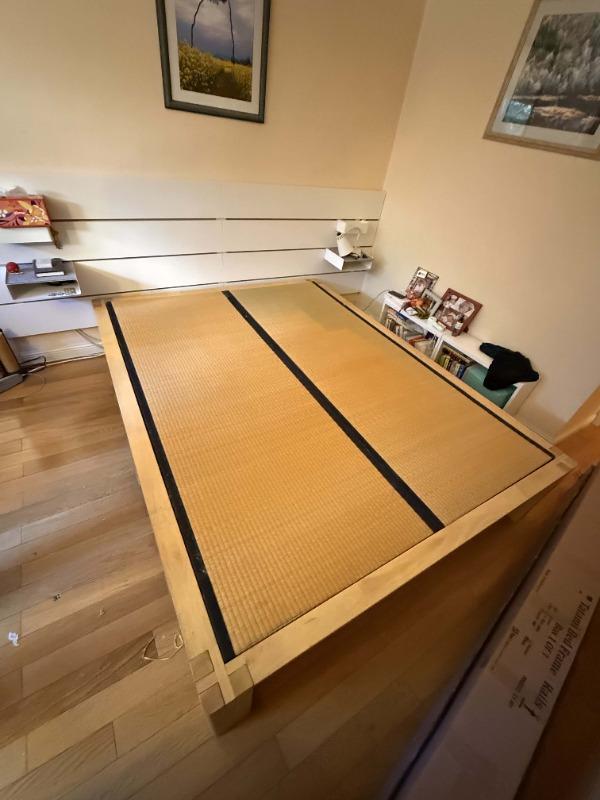
Yes, this bed pairs well with a traditional Japanese tatami mat and a coconut coir pad. The sturdy beech wood frame provides a strong foundation, while the straw mat can enhance the authentic Japanese look and feel, further promoting comfort and breathability.
Is this bed suitable for a modern or traditional Japanese furniture style?
Absolutely! The clean, minimalist design of the tatami frame complements both modern and traditional Japanese furniture. It’s an excellent choice for those seeking to create a serene and simple environment inspired by Japanese design principles.
Does the Tatami Bed require a box spring?
No, the bed does not require a box spring. Its solid wood construction provides ample support for any traditional, futon mattress, or shiki futon, adhering to traditional Japanese sleeping methods.
What mattress sizes are compatible with the Tatami Bed?
The bed is available in multiple sizes, making it versatile enough to fit a variety of mattress sizes, including Twin, Full, Queen, and King. It’s perfect for those looking to enhance their bedroom with Japanese-inspired furniture.
How does this bed compare to the competition?
Curious how it compares to other brands? Explore our full side-by-side comparison with the Thuma Classic Bed.
Featured categories
-

Platform Beds
Our solid wood platform bed collection offers a strong, simple foundation for...
-

Captain's Beds
Captain’s beds from Comfort Pure turn the space under your mattress into...
-

Storage & Case Goods
Storage and case goods made from natural beechwood and oak bring order,...



Sustainable Beauty for Your Bedroom
Choosing natural beds is a key step toward creating a healthier, more sustainable home environment. Whether you prefer platform beds or captain’s beds, our selection crafted from sustainable hardwood offers not only beautiful, durable pieces but also supports eco-friendly practices that protect our planet. Each natural wood bed adds warmth and character to your bedroom, blending timeless style with sustainability.

Non-Toxic Comfort for a Healthier Sleep
Our collection of natural mattresses and storage beds is designed with your well-being in mind. Free from harmful chemicals, these beds provide non-toxic furniture options that prioritize both safety and comfort. Rest easy knowing that your bed, designed to enhance sleep quality, is as healthy for your body as it is for the environment. From a sleek platform bed to a spacious captain’s bed with built-in storage, you can sleep soundly on furniture that’s good for you and the planet.

Eco-Friendly Style Meets Functional Design
Elevate your bedroom with our modern bed collection, featuring tatami beds and storage beds crafted from eco-friendly materials. These beds combine sleek, contemporary designs with sustainable practices, offering the perfect balance of style, quality, and environmental responsibility. By choosing one of our organic natural beds, you’re making a positive impact on both your home’s aesthetic and the planet's future, all while enjoying functional features like built-in storage and durability.
Editor’s Picks about Platform Beds
View all-

Beds with Storage: Captain's Beds, Platform Bed...
Discover the differences between captain's beds and platform beds with freestanding drawers. Learn how to choose the best storage bed for your space, budget, and daily needs.
Beds with Storage: Captain's Beds, Platform Bed...
Discover the differences between captain's beds and platform beds with freestanding drawers. Learn how to choose the best storage bed for your space, budget, and daily needs.
-

How Long Should a Bed Frame Last? What the Cons...
Wondering how long a bed frame should last? Learn the construction signals to look for before buying, why most frames fail, and their true cost over time.
How Long Should a Bed Frame Last? What the Cons...
Wondering how long a bed frame should last? Learn the construction signals to look for before buying, why most frames fail, and their true cost over time.
-

How to Transition from a High Bed to a Floor Be...
Thinking about ditching your traditional bed frame? Moving your mattress straight to the floor can lead to miserable sleep and acute back pain. Discover our gradual, four-stage method to safely...
How to Transition from a High Bed to a Floor Be...
Thinking about ditching your traditional bed frame? Moving your mattress straight to the floor can lead to miserable sleep and acute back pain. Discover our gradual, four-stage method to safely...


