
What Do the Japanese Sleep On? Shikibutons, Tatami Mats, and Floor Beds Explained
If you have ever typed “what do the Japanese sleep on” or “what is a Japanese floor mattress” into a search bar, you are not alone. Many people are curious about why Japanese bedrooms often look so different from typical Western setups – with thin mattresses on the floor, woven straw mats, and bedding that seems to disappear into a closet during the day.
This guide walks through the main pieces of a traditional Japanese bed: the tatami mat, the shikibuton (Japanese mattress), and the lightweight bedding that goes on top. It also explains what Japanese floor beds are called, how people actually sleep on the floor, and how you can recreate a similar setup in your own home if you like the idea of a low-profile, breathable, and minimalist bed.
Why People Ask What the Japanese Sleep On
There are a few reasons the question “what do Japanese sleep on?” comes up so often:
- Curiosity about floor sleeping. Many photos of traditional Japanese homes show people sleeping directly on the floor, which can be surprising if you are used to tall, bulky bed frames.
- Interest in back health. People who struggle with soft, sagging mattresses often wonder whether a firmer “Japanese floor bed” might be better for their back.
- Minimalist and small-space living. A bed you can fold, stack, or store away during the day is appealing for studio apartments, multipurpose rooms, and very small bedrooms.
To understand what the Japanese sleep on, it helps to break the system into layers.

The Layers of a Traditional Japanese Bed
A traditional Japanese sleep setup is usually made up of several simple pieces, stacked directly on the floor or on top of tatami flooring.
Tatami Mat: The Breathable Foundation
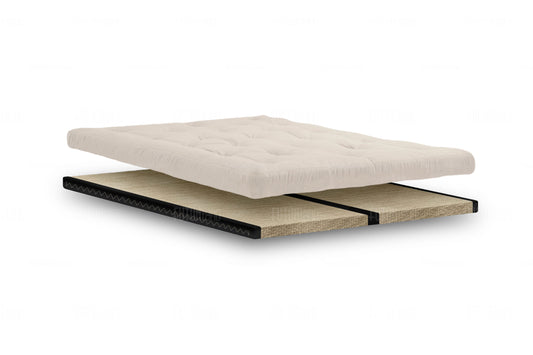
Tatami are firm, woven mats traditionally made from a core of rice straw and a surface of rush grass (igusa). In older homes, entire rooms are covered wall-to-wall with tatami; in modern homes, people may use individual tatami mats on top of wood or other flooring to create a “tatami area.”
For sleeping, tatami acts as a supportive, slightly springy base. It is not soft like a mattress. Instead, it gives a stable, breathable foundation underneath the Japanese floor mattress. Many people asking “what is a tatami bed” are really looking at a low platform or floor setup that uses tatami as the base instead of a box spring.
If you want this kind of breathable foundation in your own bedroom, you can start with tatami mats and low platforms designed for sleeping areas.
Shikibuton: The Japanese Floor Mattress
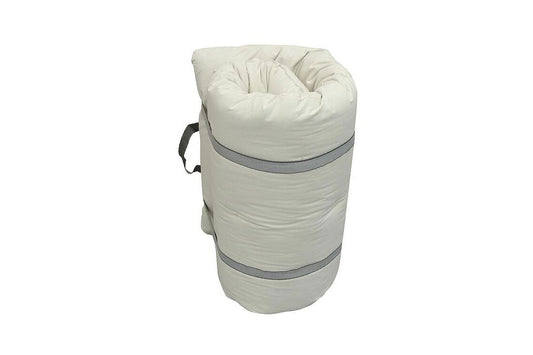
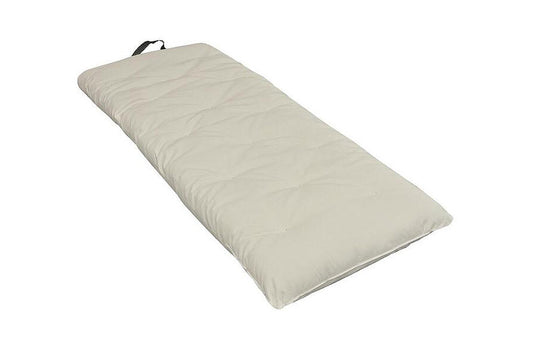
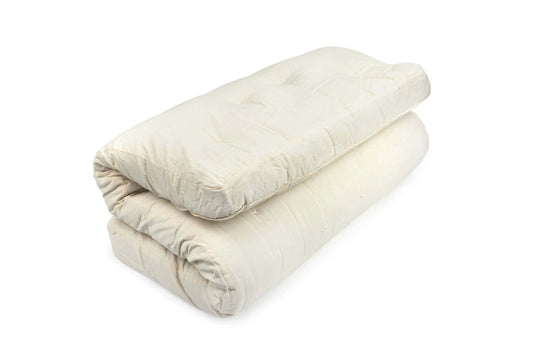
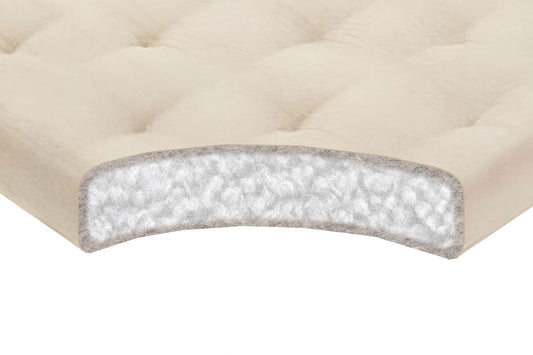
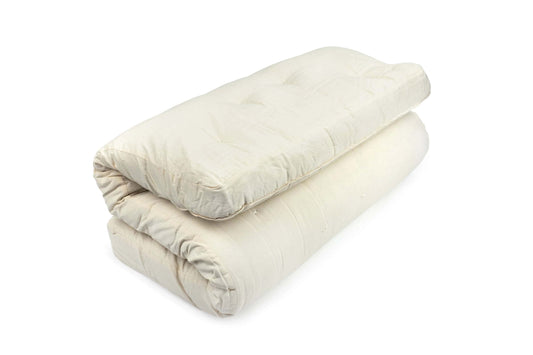
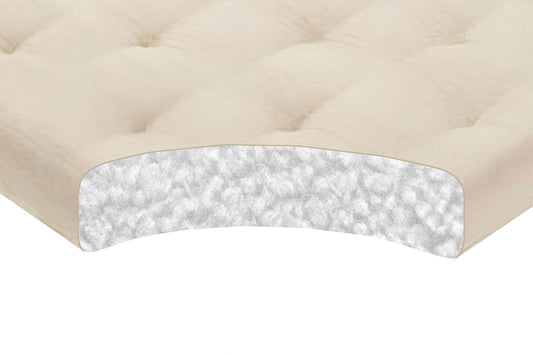
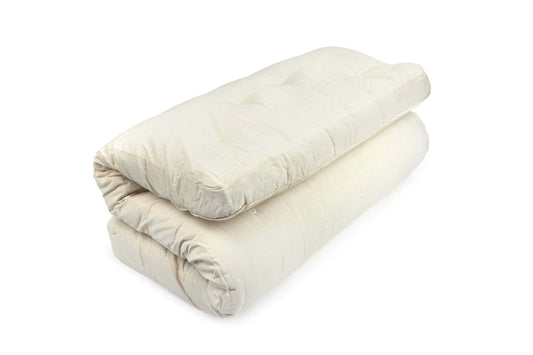
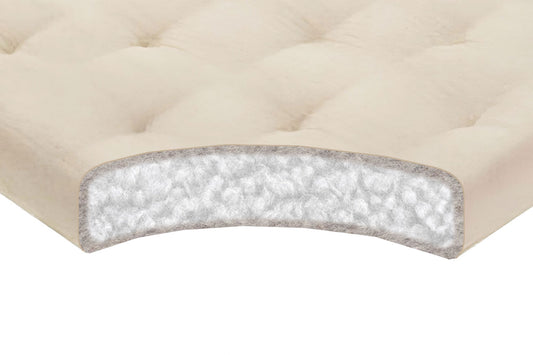
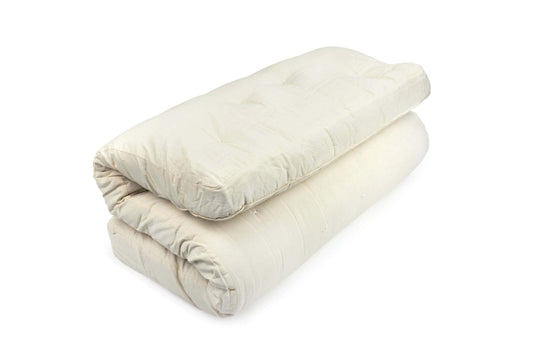
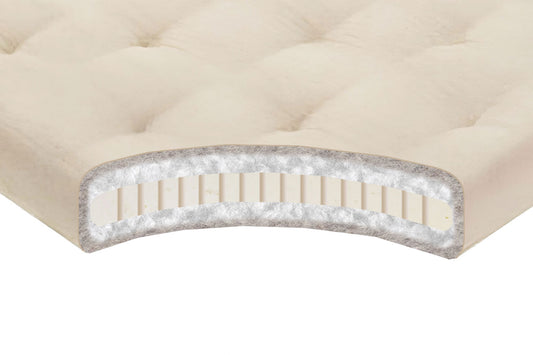
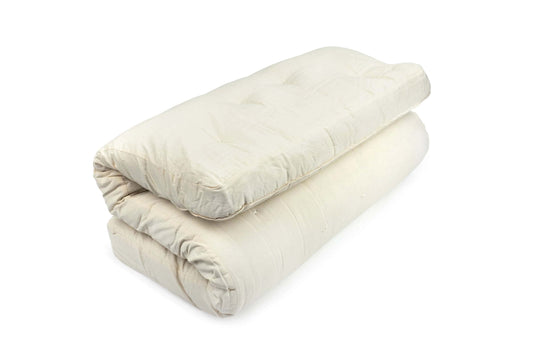
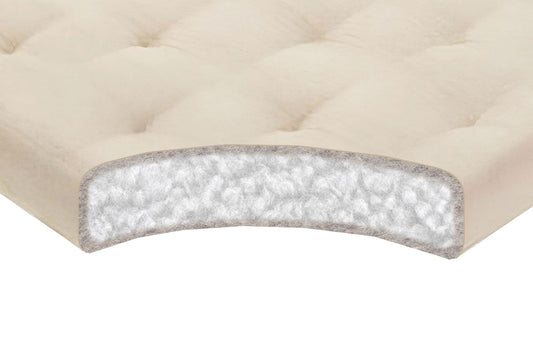
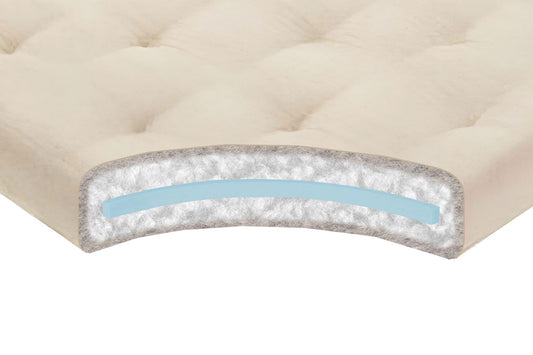
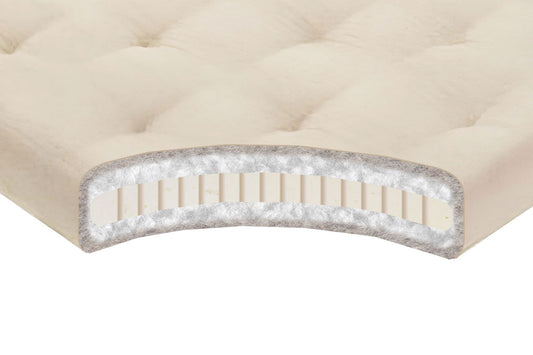
Shikibuton (often written shikibuton, shikibuton mattress, or simply “Japanese futon”) is the mattress layer most people are asking about when they search “what is a Japanese floor mattress” or “what are Japanese floor beds called.” It is a relatively thin, foldable mattress traditionally filled with cotton.
Key characteristics of a shikibuton:
- It is much thinner than a typical Western mattress, often in the 3–5 inch range.
- It is designed to be folded or rolled up, then stored in a closet (oshiire) during the day.
- It sits directly on tatami or on a breathable foundation (rather than on a box spring or upholstered base).
- It is usually made from natural materials, traditionally cotton, which allow moisture to escape.
When people ask “what are Japanese floor beds called?” they are usually referring to this combination: a tatami base plus a shikibuton on top. If you are specifically looking for this style of mattress, take a look at our traditional shikibuton mattresses.
-
Traditional Japanese Handmade Shikibuton
Regular price From $259.99Regular price Sale price From $259.99 -
Roll-Away Shikibuton Mattress with Straps
Regular price From $189.99Regular price $289.99 Sale price From $189.99Sale -
Natural Cotton and Wool Shiki Futon Mattress
Regular price From $279.99Regular price $419.99 Sale price From $279.99Sale -
Natural All Cotton Shiki Futon Mattress
Regular price From $199.99Regular price $299.99 Sale price From $199.99Sale -
Organic Cotton and Wool Shiki Futon Mattress
Regular price From $429.00Regular price $859.99 Sale price From $429.00Sale -
Organic Cotton, Wool and Latex Shiki Futon Mattress
Regular price From $1,119.00Regular price $2,239.99 Sale price From $1,119.00Sale -
Organic All Cotton Shiki Futon Mattress
Regular price From $359.00Regular price $719.99 Sale price From $359.00Sale -
Natural Cotton and Wool Japanese-Style Firm Futon Mattress
Regular price From $529.99Regular price $669.99 Sale price From $529.99Sale -
Natural Cotton, Wool and Foam Japanese-Style Medium-Firm Futon Mattress
Regular price From $659.99Regular price $829.99 Sale price From $659.99Sale -
Organic Cotton and Wool Japanese-Style Firm Futon Mattress
Regular price From $909.99Regular price $1,139.99 Sale price From $909.99Sale -
Natural Cotton, Wool and Latex Japanese-Style Medium-Firm Futon Mattress
Regular price From $839.99Regular price $1,049.99 Sale price From $839.99Sale -
Organic Cotton, Wool and Foam Japanese-Style Medium-Firm Futon Mattress
Regular price From $999.99Regular price $1,249.99 Sale price From $999.99Sale




Kakebuton and Covers: The Top Bedding Layer
On top of the shikibuton, you will typically find a kakebuton (a type of comforter or duvet) and a cover. In cooler weather, people may add additional layers like wool or down, but the idea is still simple: a lightweight, removable cover over an insulating fill.
Because the mattress is thinner, the top bedding layer plays a big role in overall comfort and temperature control. You can recreate this part of the system with natural bedding essentials made from breathable fibers.
Pillows: Buckwheat and Other Natural Fills
Many traditional setups use buckwheat hull pillows, which hold their shape and provide firm, adjustable support for the neck. Others use cotton or wool-filled pillows. These options help the whole system stay breathable and supportive from head to toe.
If you want to experiment with different fills and support levels, you can explore a range of supportive pillows that work well with a low-profile bed.

What Are Japanese Floor Beds Called?
There are a few common phrases that all describe the same basic idea:
- “Japanese floor bed” – a general English phrase people use when they see a mattress on the floor in a Japanese-style room.
- “Japanese futon” or “Japanese futon bed” – usually referring to a shikibuton on tatami.
- “Shikibuton” – the most precise term for the actual Japanese floor mattress.
So if you are wondering “what is a Japanese floor bed called?” the simplest answer is: a shikibuton on tatami. That combination is the classic Japanese floor sleeping system.
How Do the Japanese Sleep on the Floor?
The routine matters as much as the materials. When people search “how do Japanese sleep on the floor” or “how do Japanese sleep on tatami,” they are often curious about the nightly routine and storage habits.
A typical pattern looks like this:
- Evening setup. In the evening, the shikibuton is taken out of a closet and laid flat on the tatami floor. The kakebuton and pillows are placed on top.
- Nighttime sleep. People sleep directly on the shikibuton, which feels firm but cushioned. The tatami underneath provides extra support and a little give.
- Morning airing. In the morning, the bedding is folded or rolled. In many households, the shikibuton is draped over a railing or placed near a window to air out and release moisture before being put away.
This daily folding and airing routine is one reason floor beds in Japan can stay fresh and less prone to moisture and mold than a thick mattress that never moves.
Is Sleeping on a Japanese Floor Bed Good for Your Back?
A common follow-up question is “are Japanese floor beds good for your back” or “is it healthy to sleep on a futon.” There is no one answer that applies to everyone, but there are some general points:
- A firm, even surface can help many people maintain better spinal alignment compared to a sagging or overly soft mattress.
- The combination of tatami and a shikibuton creates a surface that is supportive but not rock-hard, especially when the mattress is regularly fluffed and rotated.
- Some people may find a very firm floor bed uncomfortable, especially at first, or if they have medical conditions that require a softer or pressure-relieving surface.
If you are curious, the safest approach is usually to ease into it: try a night or two on a Japanese-style mattress, consider adding a thin topper if needed, and pay attention to how your body feels over several nights rather than after just one.
This article is not medical advice, and anyone with specific back or joint issues should talk with a healthcare professional before making a dramatic change to their sleep surface.
Do People in Japan Still Sleep on the Floor?
Another important detail: not everyone in Japan sleeps on the floor today. Many modern homes and apartments use Western-style beds with standard mattresses, while others still use shikibutons and tatami, or a mix of both.
Floor sleeping remains common in traditional rooms, guest rooms, and smaller spaces, but it is best to think of it as one option among many, not a universal rule. That is also why you see questions like “what beds do Japanese sleep on” or “what kind of mattress do Japanese sleep on” – the answer depends a lot on the home and the person.
How to Recreate a Japanese-Style Bed at Home
If you like the idea of a low, minimalist, Japanese-inspired bed, you do not have to copy every detail of a traditional setup. You can start with a few key principles:
1. Choose a Breathable Foundation
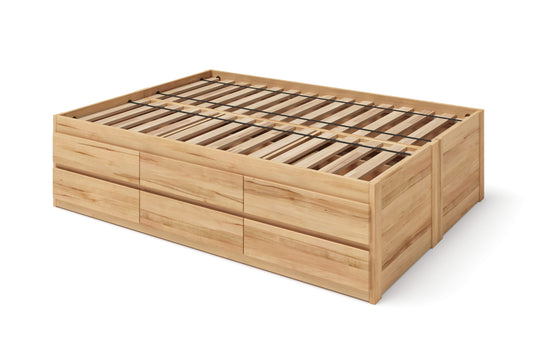
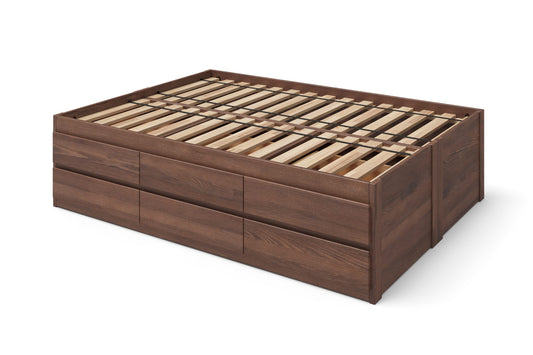
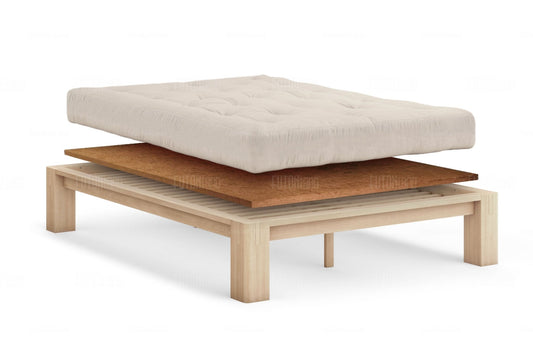
If you have tatami, you can place a shikibuton directly on it. If you do not, you can use a breathable base such as a slatted platform or a natural fiber bed rug designed to allow air to circulate under the mattress. For a similar feel, you might look at low floor beds and Japanese-style bed frames that sit close to the ground.
2. Use a Thin, Firm Mattress
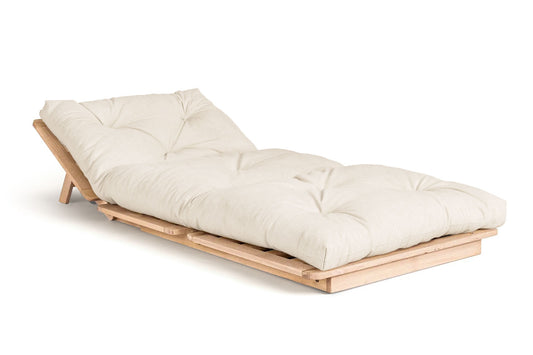
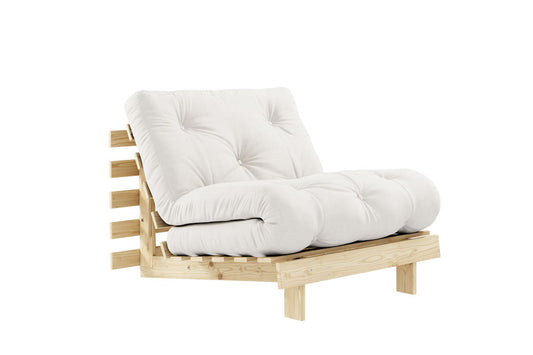
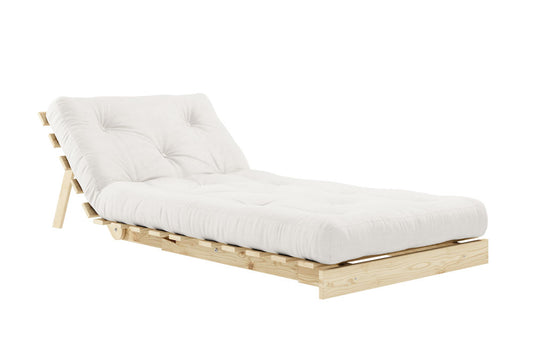
Instead of a thick spring or foam mattress, choose a thinner, firmer mattress closer to a shikibuton. Natural fibers like cotton and wool help manage moisture and keep the bed from feeling “swampy” on a low profile or floor setup. For traditional-style options, see our range of shikibuton mattresses.
3. Keep the Bed Easy to Move and Air Out
One of the core habits behind Japanese floor beds is the daily movement and airing of the mattress. Even if you keep your mattress on a low platform, consider flipping it regularly and giving it sun and fresh air when you can.
4. Use Supportive, Breathable Bedding
Pair the mattress with a supportive pillow (buckwheat, wool, or latex) and breathable natural covers. This keeps the overall system closer to the original idea: simple, supportive, and comfortable in a wide range of seasons. You can finish the setup with natural bedding essentials and a selection of supportive pillows.
Quick FAQ: Short Answers to Common Questions
What do the Japanese sleep on?
Traditionally, many people in Japan sleep on a shikibuton (foldable cotton mattress) laid directly on tatami (woven straw mats) or on a similarly breathable foundation.
What is a Japanese floor mattress called?
The mattress itself is called a shikibuton. When you see photos of a thin mattress on tatami, that is usually what you are looking at.
What is a Japanese floor bed called?
The combination of tatami and a shikibuton is often referred to as a Japanese futon bed or simply a Japanese floor bed.
How do Japanese sleep on the floor?
At night, the shikibuton is laid flat on the tatami floor with bedding and a pillow on top. In the morning, everything is folded or rolled, often aired out, and then stored away to free up floor space.
Are Japanese floor beds good for your back?
For many people, the firm, even support of a shikibuton on tatami can feel good on the back, especially compared to a soft, sagging mattress. That said, comfort and back health are individual, and anyone with specific medical concerns should get personal advice.
Want to Learn More?
If you would like to go deeper into specific parts of this sleep system, these articles are a great next step: