
Japandi Living Rooms: How to Style a Minimalist Wood Couch (That Doubles as a Bed)
Interior design has shifted heavily toward environments that promote calm, intentionality, and a connection to the natural world. This movement is most clearly defined by the Japandi aesthetic—a hybrid design philosophy that merges the rustic minimalism of Japanese interior design with the functional, cozy elements of Scandinavian design. At the center of this aesthetic is the living room seating area. Instead of filling a room with bulky, overstuffed traditional sofas that dominate the visual space, modern homeowners are turning to structural, low-profile alternatives. By utilizing Japanese furniture principles, you can create a seating arrangement that feels incredibly light, grounded, and deeply connected to nature.
The core concept of a minimalist wood couch is stripping away the unnecessary. A standard upholstered sofa hides its cheap plywood frame and synthetic foam beneath layers of fabric, creating a heavy visual block in the room. In contrast, a Japandi-style sofa exposes its structural integrity. It relies on a solid hardwood frame, simple geometric lines, and a high-quality, natural cushion. This approach not only looks better, but it also allows the piece of furniture to serve multiple functions, seamlessly transitioning into a comfortable sleeping space without compromising the room's design.

Why Traditional Sofas Fail the Minimalist Test
To understand why the exposed-wood couch is becoming the centerpiece of modern design, you have to look at the structural flaws of conventional living room furniture. Traditional couches are designed to look like solid, immovable objects. They often feature skirts that reach the floor or short, stubby legs that offer no clearance underneath. This lack of negative space prevents light from passing under the furniture, making the room feel smaller and more cramped than it actually is.
Furthermore, traditional sofas lock you into a single, rigid aesthetic. If you purchase a tufted velvet couch, your living room must revolve around that heavy texture. If you buy a synthetic grey sectional, the room immediately takes on a clinical, mass-produced feel. The upholstery cannot be changed easily, meaning that as design trends evolve—or as your personal taste shifts—the entire piece of furniture becomes obsolete. The minimalist design philosophy rejects this cycle of disposable furniture. Instead, it favors pieces that adapt, breathe, and showcase the raw beauty of their materials.
The Anatomy of a Minimalist Wood Couch
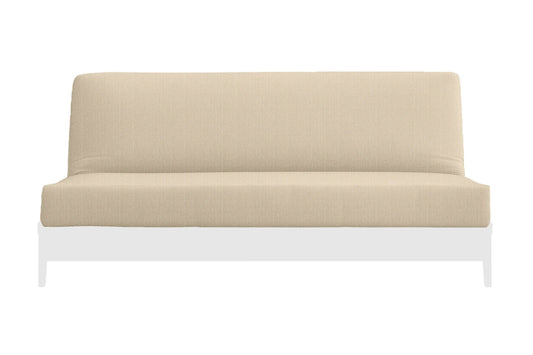
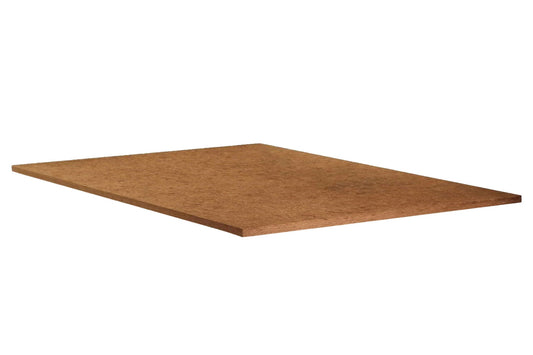
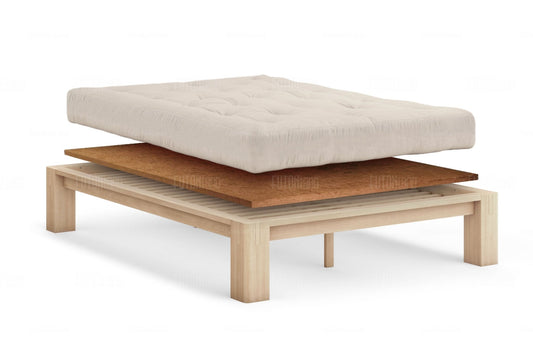
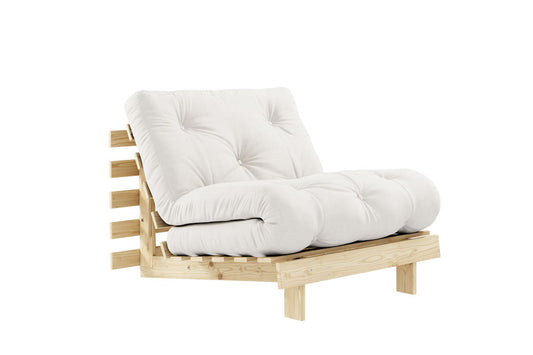
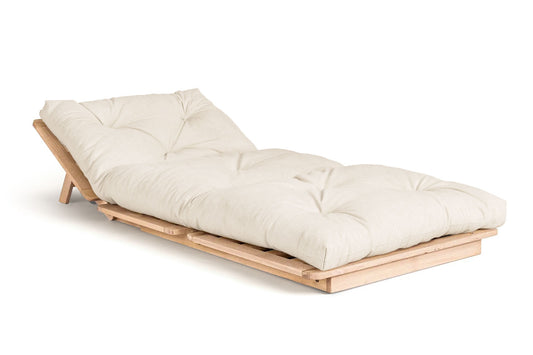
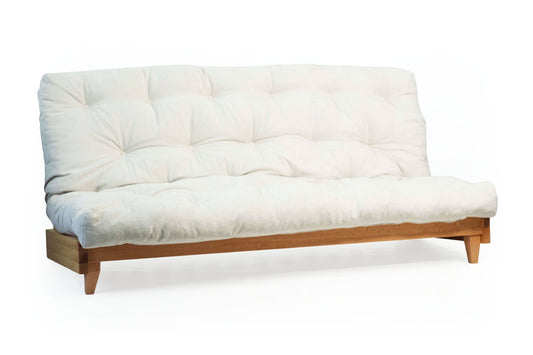
Creating a Japandi seating area requires a couch that is broken down into its fundamental parts. When you separate the frame from the cushion and the cover, you gain total control over the design, comfort, and longevity of the piece. This is the exact mechanism of a traditional futon, elevated by premium materials and masterful woodworking.
The Structural Foundation: Solid Hardwood
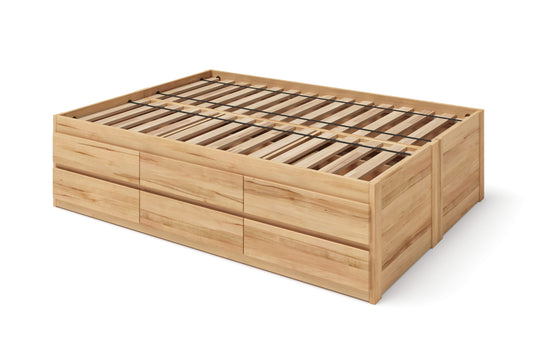
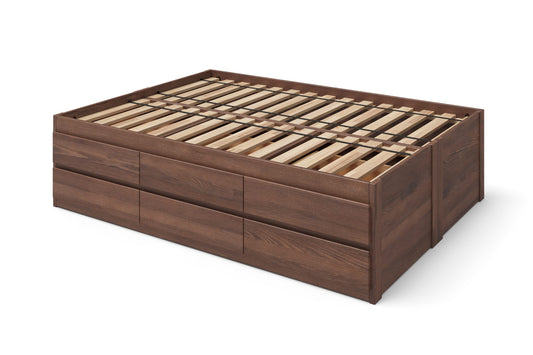
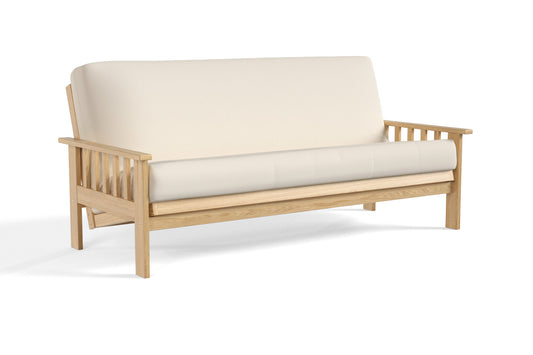
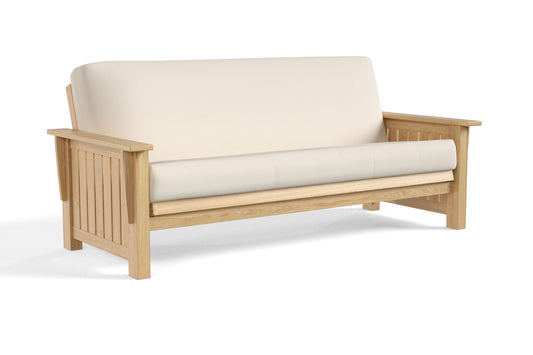
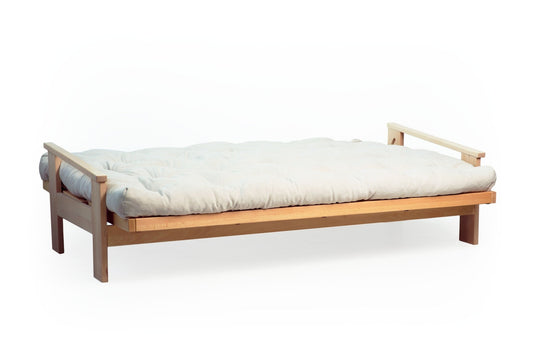
In minimalist design, the frame is not hidden; it is the focal point. Because the wood is entirely visible, the quality of the timber and the joinery must be flawless. Engineered woods like MDF and particleboard have no place in this aesthetic. Instead, the foundation should be built from solid oak futon frames, cherry, or maple. These hardwoods offer a distinct grain pattern that brings organic texture into the room.
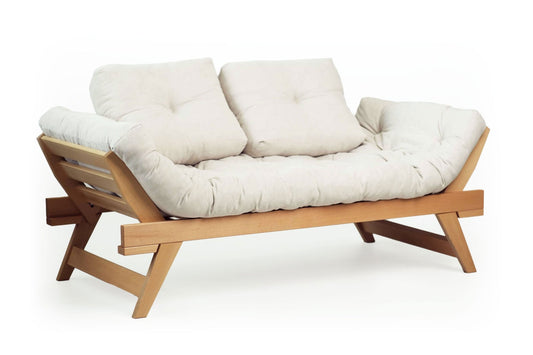
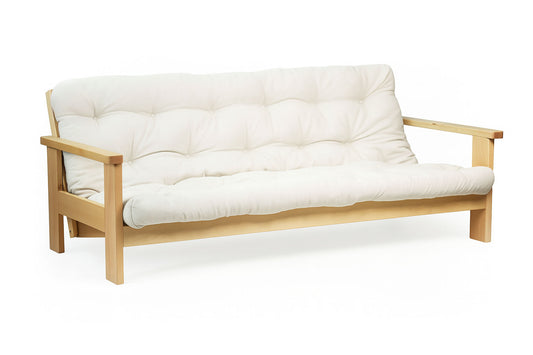
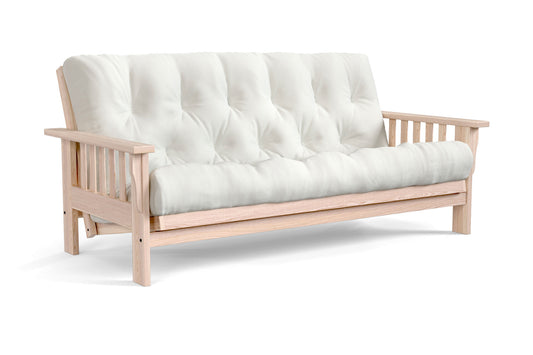
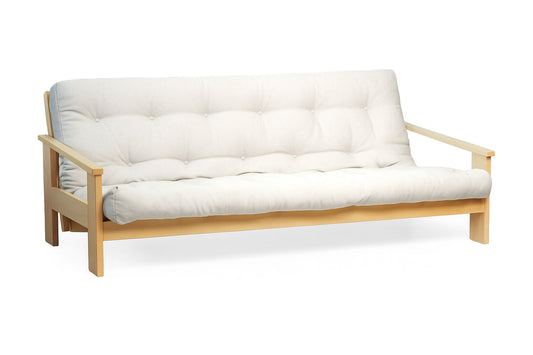
The arms of the frame dictate the silhouette of the couch. For a strict Scandinavian look, armless frames or frames with very thin, straight slatted arms work best. For a softer, more traditional Japanese feel, look for wide, flat armrests that can double as a resting place for a teacup or a small book. The slats of the seat deck should be visible from the back, meaning the couch does not need to be pushed against a wall; it can float in the middle of an open-concept living space and look beautiful from every angle.
The Cushion: Deep Comfort Without the Bulk
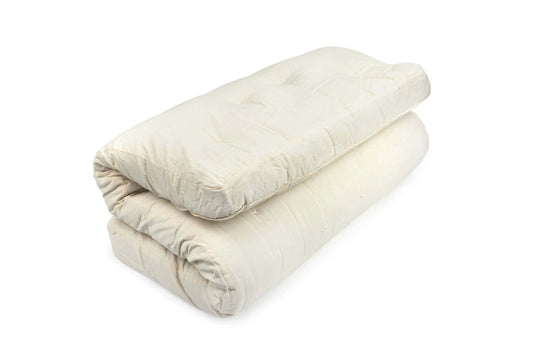
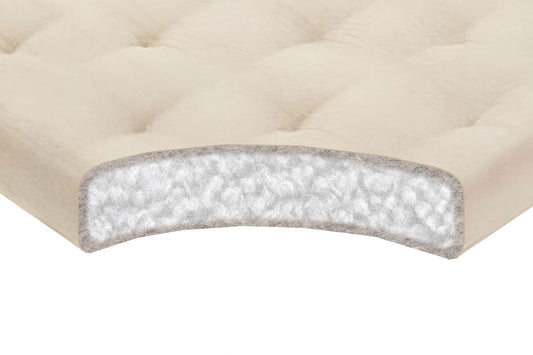
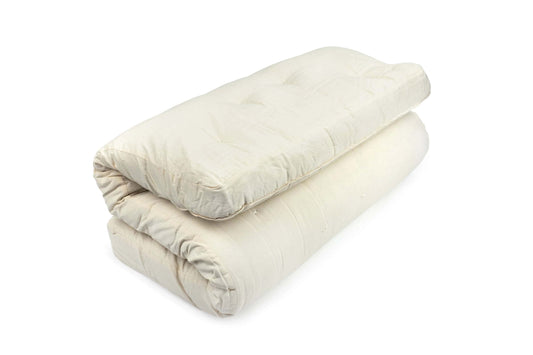
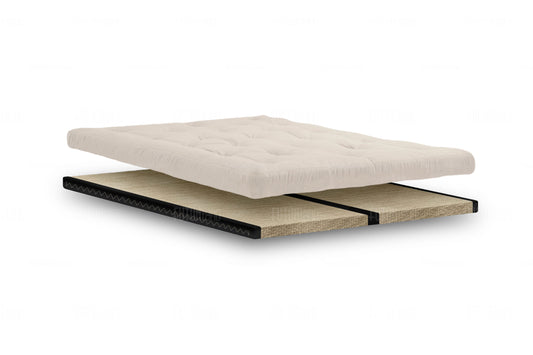
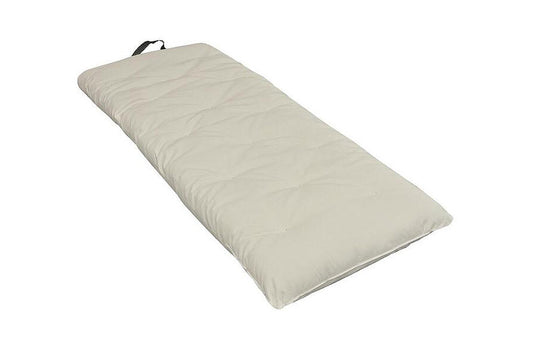
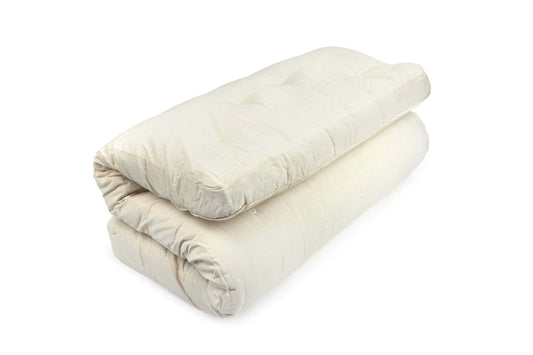
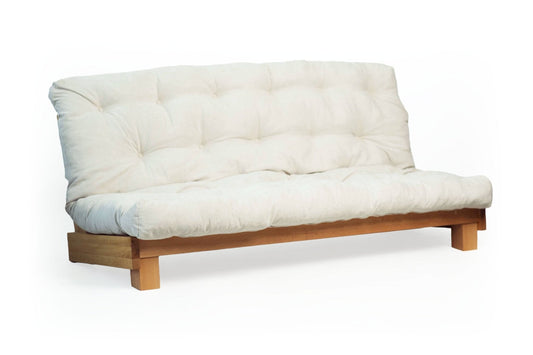
The cushion of a Japandi sofa must walk a fine line: it needs to be thick enough to provide premium comfort, but structured enough to maintain clean lines. This is achieved by using dense, natural materials rather than highly aerated polyurethane foam. A proper cushion for this setup is essentially a high-quality mattress folded into a seating position.
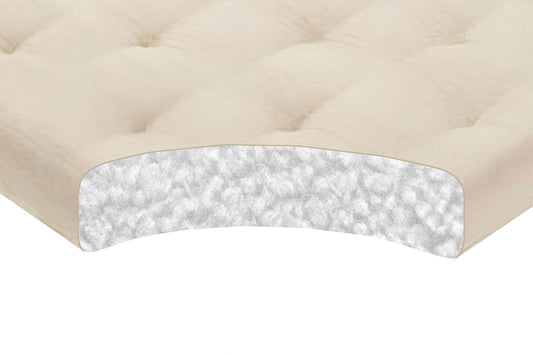
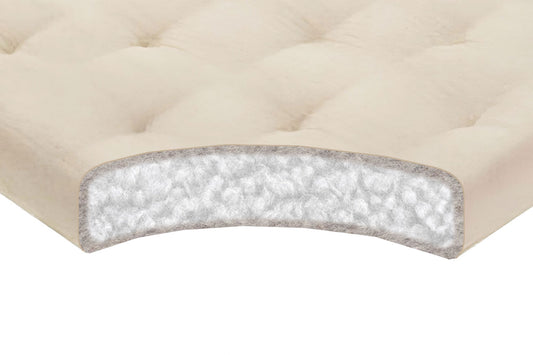
By using organic mattresses built from cotton, wool, and natural latex, the couch maintains a crisp, tailored edge. Hand-tufting is a crucial design element here. The deep tufts compress the natural fibers, keeping them from shifting while adding a layer of visual interest and texture to the otherwise flat surface of the cushion.
-
Sendai Tri-Fold Futon Sofa Bed
Regular price From $299.99Regular price $349.99 Sale price From $299.99Sale -
Hitachi Tri-Fold Futon Sofa Bed
Regular price From $249.99Regular price $599.99 Sale price From $249.99Sale -
Taurus Eco Futon Sofa Bed
Regular price From $519.99Regular price $699.99 Sale price From $519.99Sale -
El Paso Eco Futon Sofa Bed
Regular price From $689.99Regular price $819.99 Sale price From $689.99Sale -
Akron Eco Futon Sofa Bed
Regular price From $689.99Regular price $819.99 Sale price From $689.99Sale -
Long Beach Daybed Sofa Bed
Regular price From $659.99Regular price $739.99 Sale price From $659.99Sale -
Aries Eco Futon Sofa Bed
Regular price From $569.99Regular price $699.99 Sale price From $569.99Sale -
Virgo Eco Futon Sofa Bed
Regular price From $589.99Regular price $699.99 Sale price From $589.99Sale -
Elk Grove Eco Futon Sofa Bed
Regular price From $759.99Regular price $869.99 Sale price From $759.99Sale -
Libra Eco Futon Sofa Bed
Regular price From $619.99Regular price $699.99 Sale price From $619.99Sale -
Mission Flat Arm Amish-Made American Oak Futon Sofa Bed
Regular price From $959.99Regular price $1,199.99 Sale price From $959.99Sale -
Denton Eco Futon Sofa Bed
Regular price From $759.99Regular price $869.99 Sale price From $759.99Sale

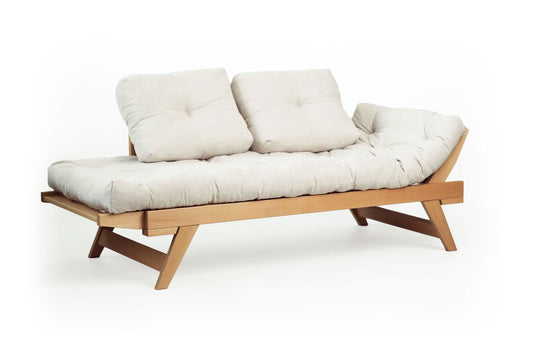
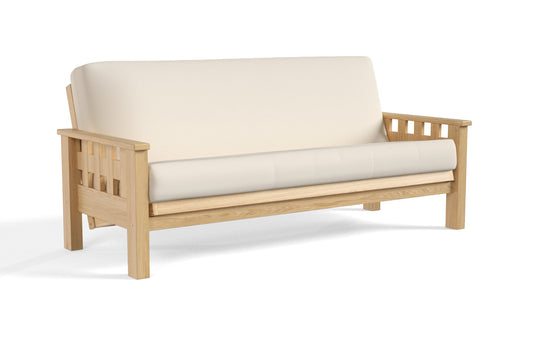
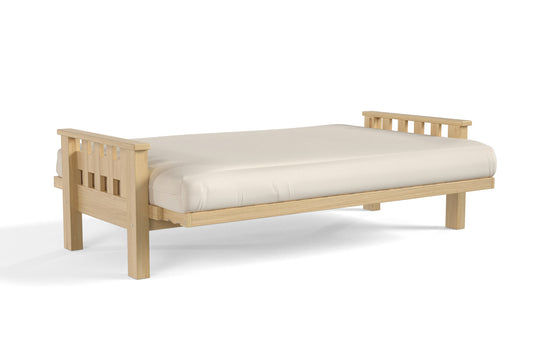
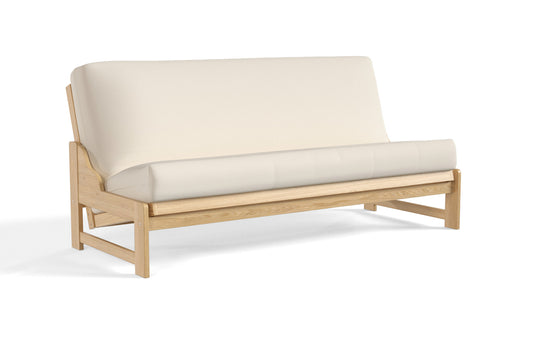
The Modular Color Advantage: Swapping Covers
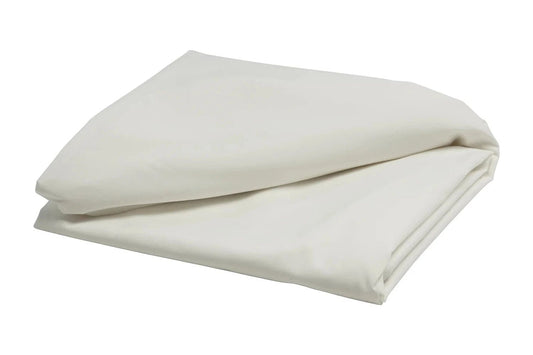
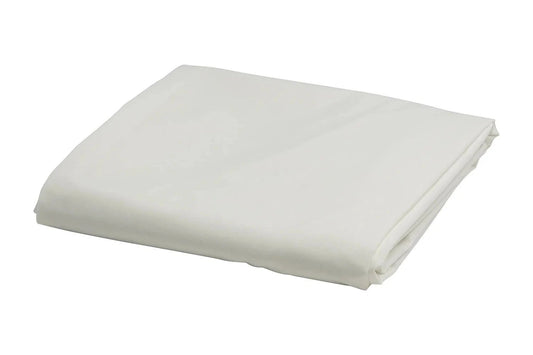
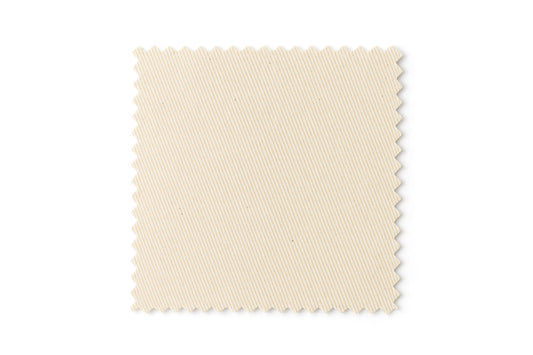
One of the greatest advantages of the minimalist wood couch is its modularity. Because the cushion is separate from the frame, the outer layer acts as a heavy-duty slipcover. This completely changes how you approach interior design and color theory in your home.
In a standard living room, changing the color of the sofa requires spending thousands of dollars on a new piece of furniture. With a modular setup, you only need to change the fabric cover. This allows you to experiment with seasonal design trends or adjust your living room's palette as your tastes mature.
The benefits of utilizing modular covers include:
- Seasonal Adaptation: You can use a light, breathable natural cotton cover in a crisp white or beige during the bright summer months, and swap to a heavier, darker woven fabric like charcoal or deep olive for a cozier winter aesthetic.
- Risk-Free Color Choices: Because washable sofa covers are relatively inexpensive compared to a whole couch, you can take design risks. If you want to try a muted mustard yellow or a deep rust red, you can do so without a ten-year commitment.
- Accident Proofing: Minimalist design often favors very light colors—creams, off-whites, and soft greys. On a traditional couch, a white fabric is a disaster waiting to happen. On a modular couch, a spilled cup of coffee just means unzipping the cover and running it through the washing machine.
A Designer's Guide to Mixing Wood Tones
When you introduce a large piece of solid wood furniture into a living room, a common design hurdle is figuring out how to match it with existing floors, shelving, and wood coffee tables. The rule of thumb in Japandi and minimalist design is that you do not need to match wood tones perfectly; in fact, perfectly matched woods often make a room look like a cheap catalog set. Instead, you should mix wood tones intentionally by paying attention to the undertones.
Wood tones generally fall into three categories: warm (red/orange undertones), cool (grey/ash undertones), and neutral (beige/yellow undertones). To create a cohesive space, identify the dominant wood tone in the room (usually the floor) and select a sofa frame that either complements it or provides a deliberate, high-contrast anchor.
| Primary Room Wood (Floors/Cabinets) | Recommended Couch Frame Wood | Design Effect |
|---|---|---|
| Light Ash or White Oak (Neutral/Cool) | Walnut or Dark Mahogany | High contrast. Grounds the room and makes the sofa the distinct focal point. |
| Light Ash or White Oak (Neutral/Cool) | Natural Maple or Beech | Low contrast. Creates a seamless, airy Scandinavian look where the furniture blends in. |
| Cherry or Red Oak (Warm) | Natural Oak with a clear finish | Harmonious. The clear oak provides a lighter neutral base that doesn't fight the red undertones. |
| Dark Walnut or Espresso (Dark/Neutral) | Cherry or Mahogany | Rich and moody. Adds warmth to a dark room without clashing undertones. |
If you have highly contrasting wood tones, bridge the gap by using a neutral rug under the sofa. A textured wool or jute rug creates a visual break between the wood of the floor and the wood of the couch frame, allowing both to exist in the same space without competing.

Choosing Natural Textiles for Your Sofa
The fabric you choose for your minimalist couch dictates the tactile experience of the room. Japandi design relies heavily on materials that look and feel organic. Synthetics like polyester microfiber or faux leather reflect light artificially and can disrupt the calming atmosphere of the space.
Instead, focus on raw, highly textured natural fibers. Linen is an excellent choice for a relaxed, slightly worn aesthetic. It wrinkles naturally, which leans into the Japanese concept of wabi-sabi—finding beauty in imperfection. Heavy cotton duck canvas offers a smoother, more structured look that aligns with clean Scandinavian lines while providing extreme durability. For colder climates or darker rooms, a heavy woven wool cover adds immense visual weight and hygge (the Danish concept of cozy contentment) without utilizing synthetic fleece or velvet.
Transforming the Room: From Sofa to Bed
The ultimate triumph of the minimalist wood couch is that it is not just a visual statement; it is a highly engineered piece of functional furniture. The Japandi philosophy dictates that every item in a home should serve a clear purpose, and multi-functional furniture is the easiest way to keep a home uncluttered.
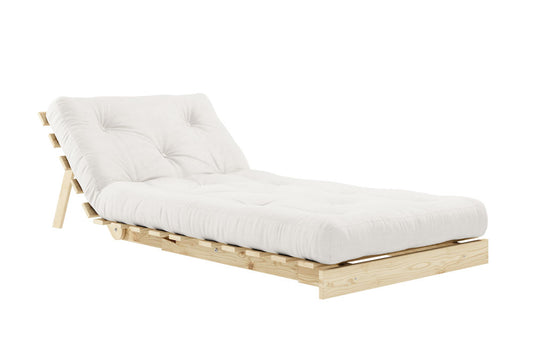
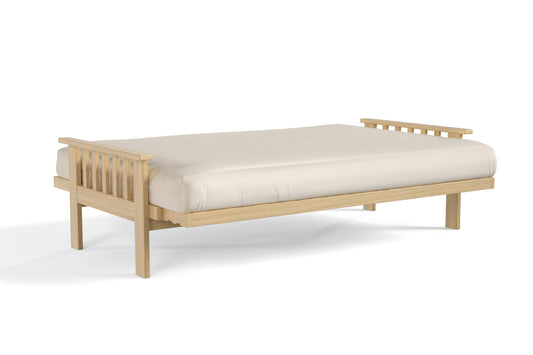
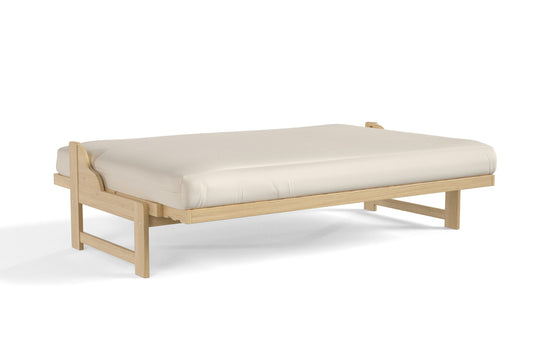
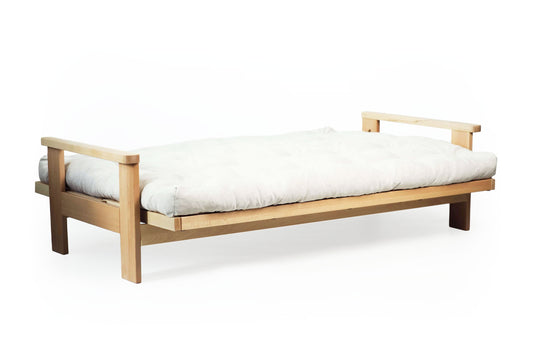
By utilizing a convertible hardwood frame, your living room seating easily transforms into a primary or guest bed. Because the piece uses a genuine mattress rather than a thin foam pad over metal springs, the transition does not sacrifice comfort. This functional duality is perfect for several living situations:
- Studio Apartments: In a single-room living space, the bed is usually the largest obstacle to good design. A modular wood couch allows you to have a beautiful, structured living room during the day and a supportive, full-sized bed at night.
- Home Offices and Dens: If you do not have a dedicated guest room, a minimalist couch in the office provides a professional, stylish seating area that can quickly accommodate overnight visitors.
- Minimalist Bedrooms: Some homeowners prefer the look of a sitting room in their primary bedroom. Folding the bed into a couch during the day opens up the floor plan and encourages a more active use of the bedroom space.
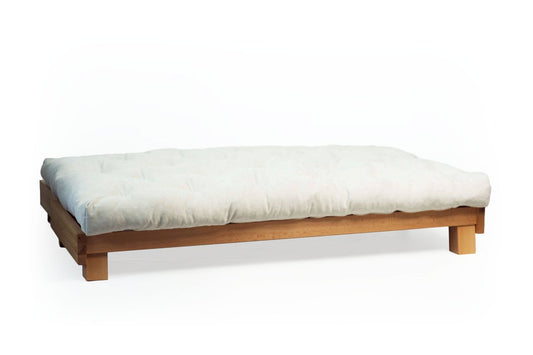
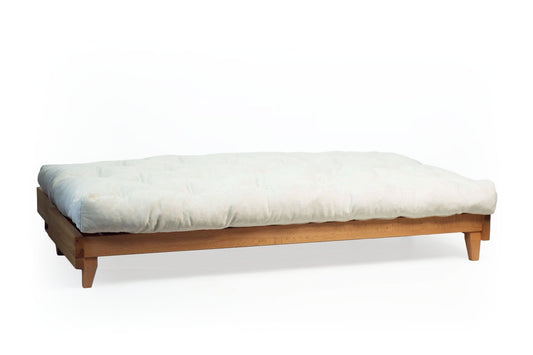
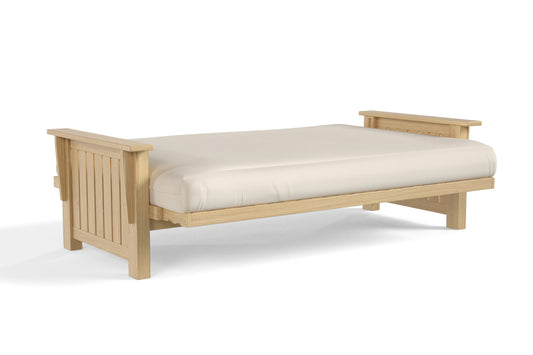
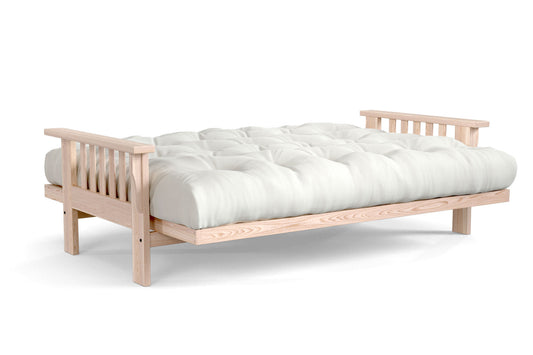
When the couch is in the flat bed position, the solid wood arms act as low-profile headboards and footboards, maintaining the clean architectural lines of the furniture even while you sleep.
Accessorizing the Minimalist Seating Area
Once the frame, mattress, and cover are in place, the final step is accessorizing. The key to Japandi styling is restraint. Do not overwhelm the couch with a dozen throw pillows in loud, geometric patterns. Instead, select two or three high-quality pillows in solid, muted colors—think terracotta, sage green, or stone grey. Use covers made from the same natural fibers as the couch.
Drape a single, high-quality wool or cotton throw blanket over one arm of the frame to soften the rigid lines of the wood. Keep the surrounding area clear of clutter. A single, large floor plant in a ceramic pot or a paper lantern floor lamp is all that is needed to complete the serene, intentional atmosphere.
Frequently Asked Questions
What is the Japandi design style?
Japandi is an interior design trend that combines Japanese minimalism and wabi-sabi (finding beauty in imperfection) with Scandinavian functionality and hygge (coziness). It emphasizes natural materials, neutral color palettes, low-profile furniture, and uncluttered, intentional spaces.
Can you use a futon as a permanent living room couch?
Yes. When built with a solid hardwood frame and a high-quality, thick natural mattress, a futon functions exactly like a premium modular sofa. It offers better structural support and longevity than many standard engineered-wood and polyurethane foam couches.
How do you make a wood-frame couch look modern?
To keep a wood-frame couch looking modern, choose a frame with straight, clean lines rather than ornate carvings or curved armrests. Pair it with a solid-color, natural fabric cover (like linen or canvas) in a neutral tone, and avoid over-accessorizing with too many throw pillows.
Are solid wood sofa frames difficult to move?
Unlike standard upholstered couches, which are large, heavy, and permanently assembled, solid wood convertible frames can usually be disassembled into flat-laying pieces. This makes them much easier to move through narrow hallways, up staircases, and into new homes.
To further explore how to integrate low-profile, natural design into your home, read our guide on creating Japanese minimalist bedrooms and tatami rooms. If you are debating the structural integrity of different materials, our comparison on wood vs metal frames provides an in-depth look at durability and noise.