
Japanese Shoji Screens: Soft Light, Flexible Space
-
Traditional Shoji Screen
Regular price From $199.99Regular price Sale price From $199.99 -
Traditional Paper Shoji Screen
Regular price From $199.99Regular price Sale price From $199.99 -
Cherry Blossom Shoji Screen
Regular price From $139.99Regular price Sale price From $139.99 -
Trellis Wooden Shoji Screen
Regular price $299.99Regular price Sale price $299.99


Why Shoji Screens Work So Well as Room Dividers
Most room dividers either feel too heavy or too temporary. Solid walls and bulky bookcases can make a small space feel cramped, while cheap folding panels often look flimsy. A well-made shoji screen room divider hits a rare balance: it creates a real sense of separation but still feels light in both weight and appearance.
Here is why they work so well:
- They filter light instead of blocking it, so a corner can be private without becoming dark or cave-like.
- They are freestanding, so you can move them when you need different zones—a home office by day, open living area at night.
- The repeating lattice grid and neutral materials echo natural textures and keep visual noise to a minimum.
If you live in a studio or have a large bedroom that also needs to function as a workspace, a shoji screen divider can be the simplest way to define a sleeping zone without committing to permanent construction. It is also an easy solution if you want to hide a storage area, laundry corner, or exercise gear when it is not in use.

Solid Wood, Soft Light: What Sets This Collection Apart
Not all shoji screen room divider designs are built to the same standard. Many mass-market screens rely on hollow frames or thin composite materials that can wobble easily. The pieces in this collection are built differently.
The Traditional Shoji Screen uses a frame crafted from 100% solid Indonesian mahogany hardwood for a substantial, long-lasting feel. It includes a solid wood kickboard at the base, which adds rigidity and protects the lower panels from scuffs in high-traffic areas. Each panel is filled with translucent shoji-style paper that blocks direct visibility while letting warm daylight move through the room.
The Cherry Blossom Shoji Screen takes the same idea and adds a printed floral design. Its solid wood frame and two-way hinges give you the same flexibility, but the cherry blossom motif turns the screen into a focal point—a soft, artistic accent that works especially well behind a low bed or tatami seating area.
Across the collection, the features you see repeated are:
- Solid wood construction instead of hollow or MDF cores.
- Translucent shoji paper panels that diffuse light rather than blocking it.
- Two-way hinges so the screen shoji panels can fold in either direction.
- Three- and four-panel options so you can scale the divider to your room.
These details make a difference if you plan to use a shoji screen japanese style divider every day, not just as an occasional backdrop. If you want quick background on the traditional concept, see Shoji.
Ways to Use a Shoji Screen in Your Home
One of the biggest strengths of a japanese shoji screen is flexibility. Because it is not locked into one place, you can experiment with how your room feels from week to week or even day to day.
Here are a few common ways to use a shoji screen room divider in real spaces:
- Define a sleeping area in a studio. Place a folding shoji screen at the foot or side of your bed to create a calmer, more private sleep zone. When guests visit, you can shift the screen slightly to hide the bed and focus attention on the seating area.
- Hide storage or workspace clutter. If you work from home, a shoji room divider screen can conceal your desk and equipment after hours. It can also tuck away shelves, exercise equipment, or a laundry area without closing off the room.
- Create a meditation or reading corner. Combine a shoji screen divider with pieces from the yoga and meditation collection to carve out a small, protected space for quiet practice and reflection.
- Frame tatami seating or floor-level dining. Around a low table from the tatami tables and zaisu assortment, a shoji screen can make a small area feel like its own traditional alcove.
Because the screens fold flat, you can keep an extra japanese screen shoji style panel in a closet and bring it out only when you need that extra bit of separation.

Folding Screens vs. Shoji Screen Doors
In traditional Japanese interiors, shoji panels are often built as sliding doors, not just freestanding dividers. That concept has carried over into modern uses of shoji screen doors in closets, alcoves, or between a bedroom and bathroom.
A folding shoji screen and a set of shoji screen doors share the same visual language, but they solve different problems:
- Folding screens are ideal when you want flexibility—rooms that change function, temporary privacy, or a movable backdrop.
- Fixed or sliding doors make more sense for permanent transitions, such as separating a sleeping space from a walk-in closet or a small tatami alcove.
The collection at Comfort Pure’s shoji screen section focuses on the folding type, because it is the most versatile solution for apartments and multi-use rooms. You still get the look and light of a traditional japanese screen shoji design, but you do not need to remodel walls or install track systems.
Pairing Shoji Screens with Tatami, Futons, and Low Furniture
Shoji screens really come into their own when you pair them with other Japanese-inspired elements. A low futon sofa, a shikibuton on tatami, or a floor-level desk all feel more complete when there is a vertical element like a shoji screen to frame the space.
If you are building a more complete Japanese-inspired room, you might combine:
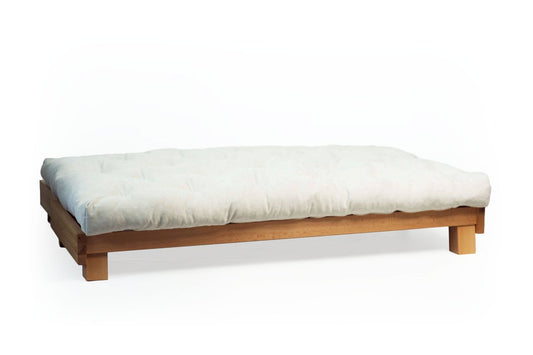
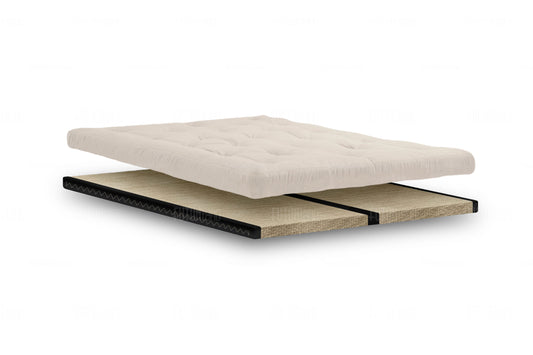
- Tatami mats or platforms from the tatami collection as a breathable, grounded floor base.
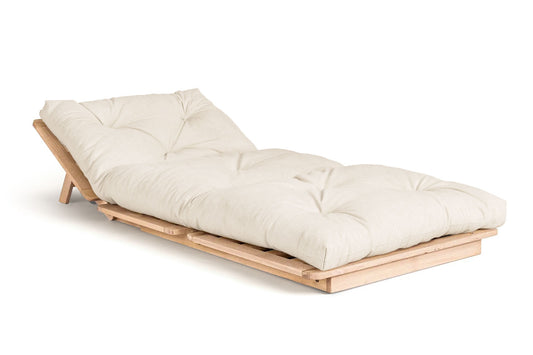
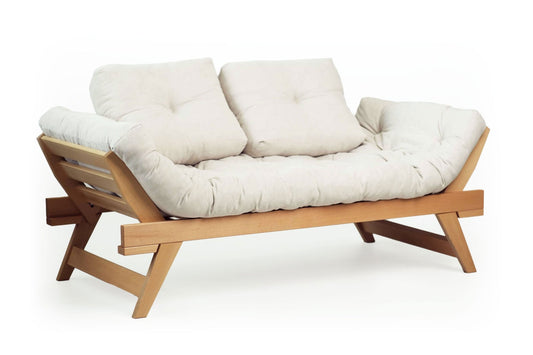
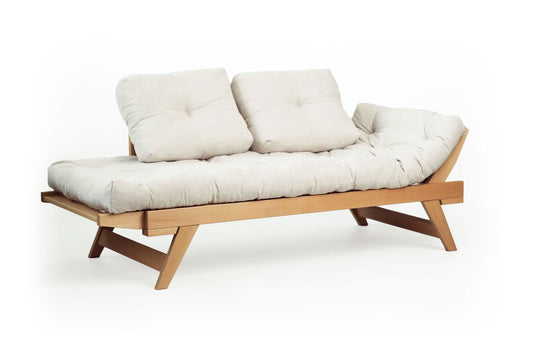
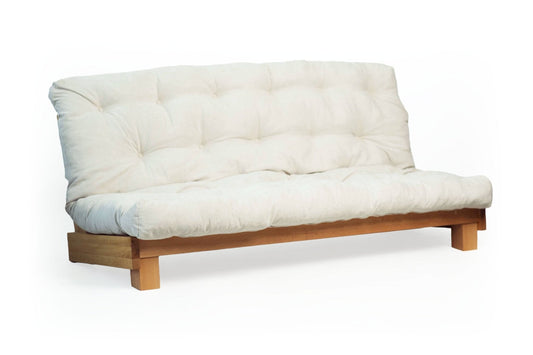
- A futon sofa or low bed from the natural futon assortment to keep seating and sleeping close to the floor.
- A shoji screen divider to frame the sleeping corner, sitting area, or tea table without shutting the room down.
For inspiration on how these pieces can work together, you can look at the guide on creating tatami-based minimalist interiors in this article about Japanese-inspired bedrooms, or explore this overview of the Japanese sleep system to see how shikibutons, tatami, and low furniture combine in practice.

Choosing the Right Size and Style of Shoji Screen
When you are choosing a shoji screen japanese panel for your home, it helps to think about both height and width, as well as how bold or subtle you want the pattern to be.
A simple way to narrow your options:
- Measure the area you want to divide or conceal, including how much space you need to walk around it.
- Decide whether you want a plain grid or an artistic design, like the cherry blossom print.
- Choose between three panels (for tighter spaces) and four panels (for wider rooms or larger beds).
For example, a three-panel screen may be perfect beside a queen bed or to hide a compact desk, while a four-panel design can span the width of a tatami sleeping area or visually anchor a seating group. The dimensions listed on each product page in the collection make it easy to see how many panels you will need to achieve enough overlap and stability.
Style-wise, a plain grid works beautifully when you already have a lot of visual detail in your room—patterned textiles, visible wood grain, or multiple shelving units. A printed screen, like the cherry blossom design, adds a single, focused illustration that can replace wall art behind a bed or futon.
Everyday Care and Longevity
Shoji paper-style panels are tougher than they look, but they still appreciate gentle treatment. To keep your shoji screen divider looking its best:
- Dust the wood frame regularly with a soft cloth to prevent buildup in the lattice.
- Use a lightly dampened cloth on the frame if needed, avoiding harsh cleaners that might strip the finish.
- Clean the paper panels with a dry microfiber cloth only; avoid moisture to prevent warping.
- Fold and move the screen by holding the solid wood edges, not by pulling on the paper sections.
Because these screens use solid wood frames and quality hinges, they are designed to handle daily movement as you rearrange your space. Treat them with the same care you would give a good hardwood chair or table, and they will continue to act as a flexible, calming presence in your home for years. If you are curious about the traditional paper used in Japanese interiors, see washi paper.
FAQ: Japanese Shoji Screens
What is a shoji screen used for?
A shoji screen is used to divide a room, add privacy, and soften light without making a space feel closed off. In modern homes, folding shoji screens are often used to separate a sleeping area, hide clutter, or create a calm corner for reading, work, or meditation.
Do shoji screens block light?
They usually filter light rather than block it. The translucent panels blur detail and reduce direct visibility, but still let daylight pass through, which helps small rooms feel brighter and more open.
Are shoji screens good for studios and apartments?
Yes. Because they are freestanding and foldable, shoji screens are an easy way to create zones in a studio or multi-use room without permanent construction or heavy furniture.
How do I choose between a three-panel and four-panel shoji screen?
Choose three panels for tighter spaces, narrow walkways, or smaller areas you want to conceal. Choose four panels for wider rooms, larger beds, or when you want more coverage and visual presence.
How do you clean and maintain a shoji screen?
Dust the wood lattice regularly and wipe the frame with a lightly damp cloth when needed. Clean the paper-style panels with a dry microfiber cloth only, and move the screen by holding the solid wood edges instead of pulling on the panels.
Bringing Shoji Screens into Your Own Space
A shoji screen is a small addition that can have an outsized impact. It can turn a corner into a quiet reading spot, tuck a bed away inside a studio, or turn a yoga mat and cushion into a dedicated practice nook. Most importantly, it does this without sacrificing the openness and natural light that make a room feel livable.
If you are ready to experiment, start with a piece from the Shoji Screens collection and place it where you naturally wish you had a little more separation. From there, you can layer in tatami, futons, low tables, and meditation accessories as you refine the space. A single shoji screen room divider is often enough to shift your home toward something quieter, softer, and more intentional—one fold at a time.