
The Washable Sofa: Why Removable Covers Beat Upholstery Every Time
Living rooms are high-traffic zones. They are the primary gathering spots for families, the default play areas for toddlers, and the preferred napping places for golden retrievers. Because these rooms handle so much of our daily lives, the furniture inside them has to be tough. A spilled cup of tea, muddy paw prints, or a stray crayon mark are not rare emergencies—they are just part of a Tuesday. Yet, for some reason, the furniture industry keeps selling us seating that is almost impossible to clean. It makes no sense.
For a long time, people have been searching for convertible futon sofas that can actually survive real life. Manufacturers usually respond by coating permanent upholstery fabrics in chemicals to repel liquids. But those treatments eventually wear off. Once a stain gets past the fabric and into the foam, it is there forever. The only way to actually keep a couch hygienic is to be able to take the cover off to clean it properly. This is why the "removable cover" trend has exploded—people are tired of their furniture being a permanent magnet for dirt.

The Problem with "Performance Fabrics"
When you go shopping for a couch that is easy to clean, you will hear a lot about "performance fabrics." Furniture salespeople promise they will repel wine and mud like magic. It sounds great in a showroom. But the way they achieve that resistance is a massive red flag for a healthy home.
Most commercial performance fabrics are treated with PFAS. These are widely known as 'forever chemicals' because, according to the EPA's breakdown of human health and environmental risks of PFAS, they do not break down in the environment and can accumulate in the human body over time, leading to adverse health outcomes. Every time you sit on the couch, the friction causes microscopic particles of these chemical treatments to rub off into the household dust. If you are trying to create an organic, natural living space, bringing a PFAS-coated couch into the center of the room defeats the purpose entirely.
Plus, these coatings are not permanent. After a few years of regular sitting, the chemical layer wears away in the high-traffic spots. Once that happens, the fabric absorbs spills just like any other cloth. Because the upholstery is stapled to the frame, you are stuck using harsh chemical spot cleaners or renting expensive professional steam cleaners to get the dirt out of the internal foam. More often than not, you just end up pushing the dirt deeper into the cushion, trapping pet odors permanently.
The Logic of a Component-Based Sofa
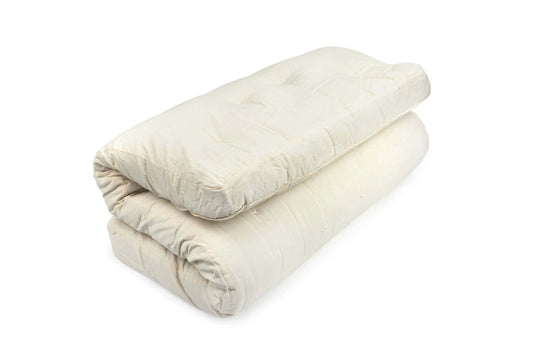
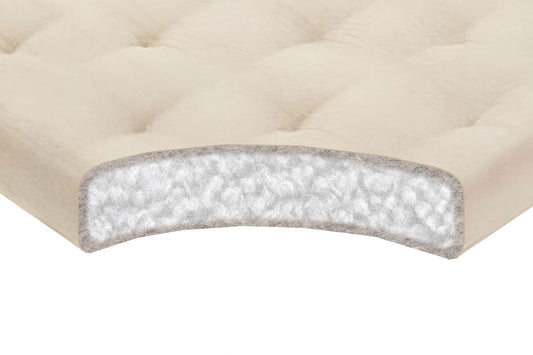
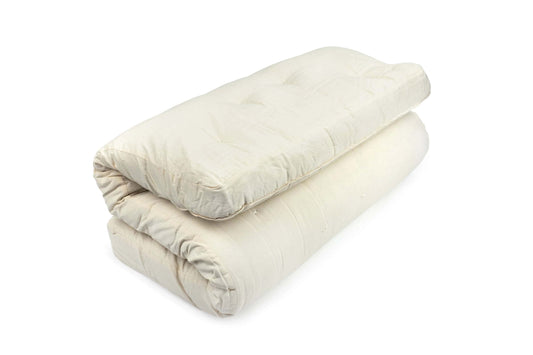
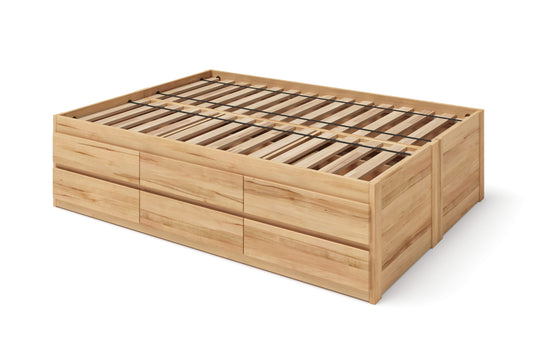
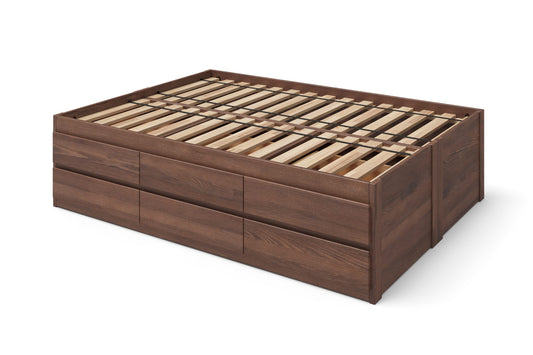
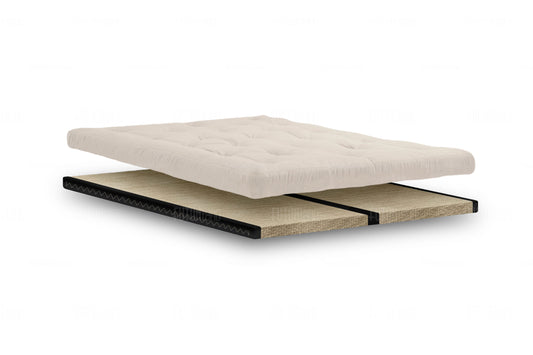
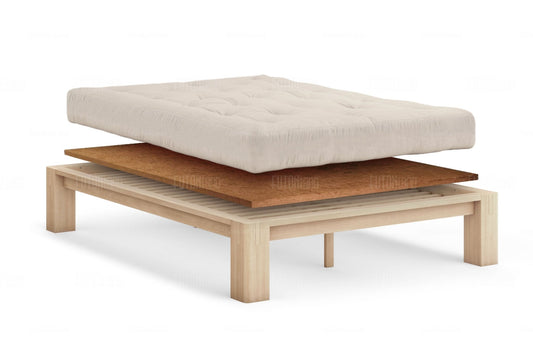
To get a truly clean couch, you have to rethink how the furniture is built. A component-based system is the only logical answer. Instead of one big block of fabric and foam glued together, you use three independent parts: the frame, the mattress, and the cover. This is exactly how high-quality solid wood futon frames operate.
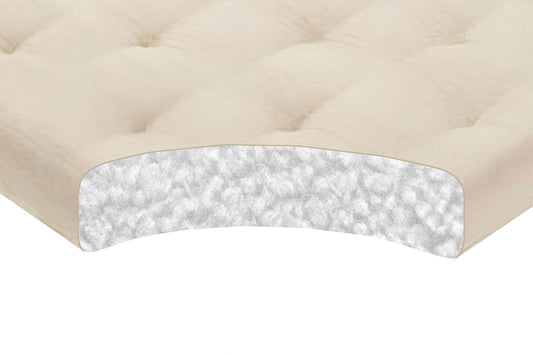
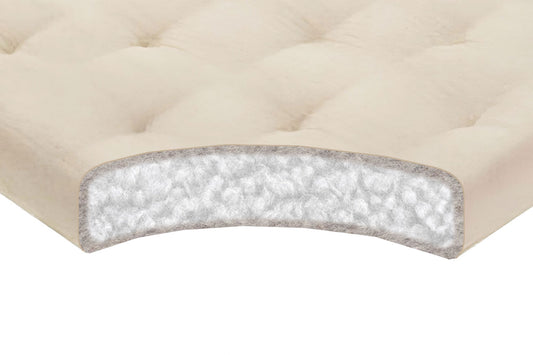
The hardwood frame provides the indestructible base. An organic mattress provides the deep, ergonomic comfort. And a zippered fabric cover provides the protection.
This setup is an absolute game-changer for pet owners and parents. If your dog jumps on the couch with muddy feet, you do not need to panic. You just unzip the cover, drop it off at the dry cleaner, and it comes back looking pristine. The mattress underneath stays clean, and the living room smells fresh instead of smelling like "wet dog." It takes the anxiety out of living in your own home.
-
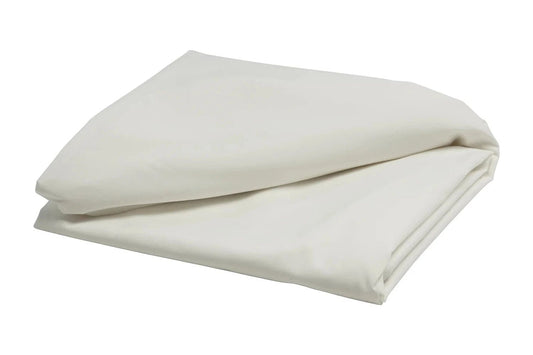
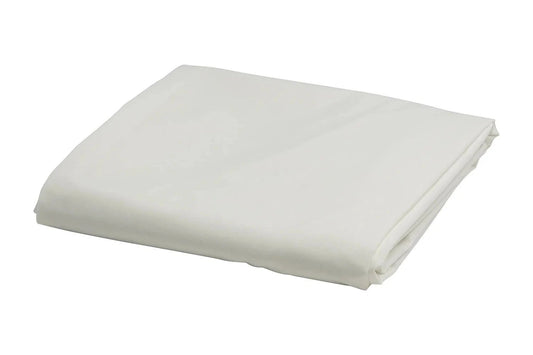
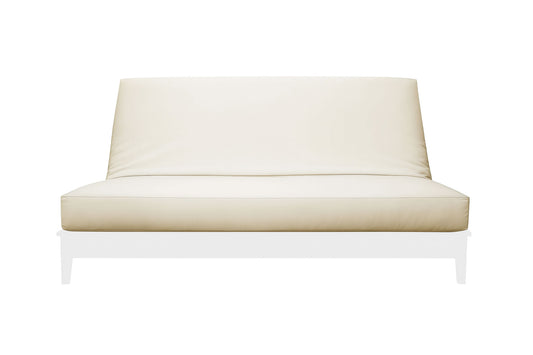
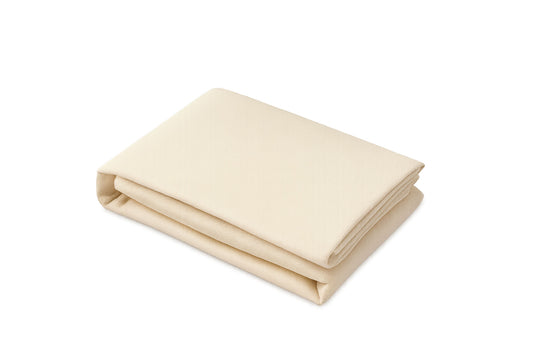
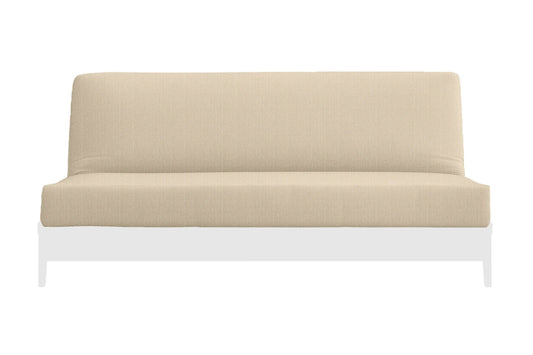
Premium 100% Cotton Twill Futon Mattress Cover
Regular price $79.99Regular price $129.99 Sale price $79.99Sale -
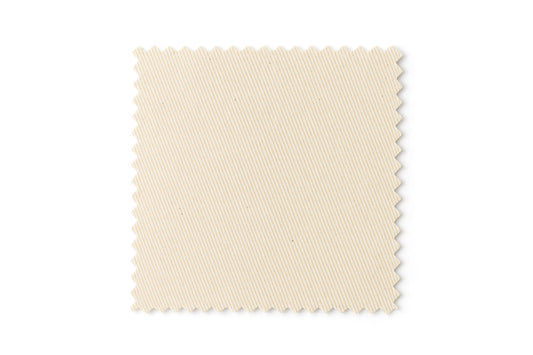
Natural 100% Cotton Fabric Futon Mattress Cover - Natural
Regular price From $94.99Regular price $164.99 Sale price From $94.99Sale -
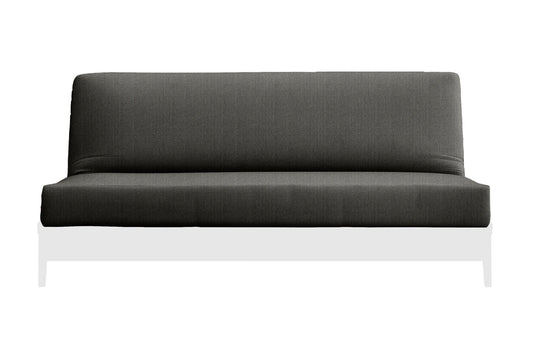
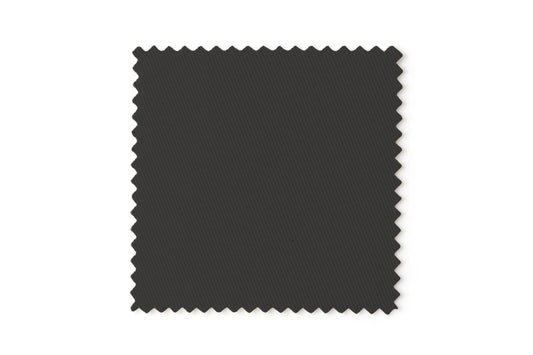
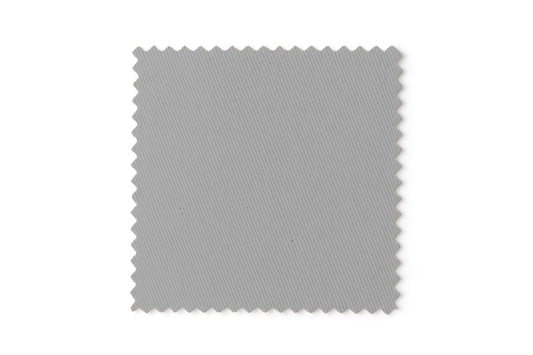
Natural 100% Cotton Fabric Futon Mattress Cover - Dark Graphite
Regular price From $94.99Regular price $164.99 Sale price From $94.99Sale -
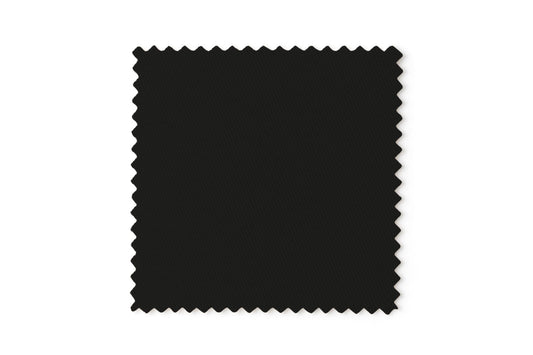
Natural 100% Cotton Fabric Futon Mattress Cover - Black
Regular price From $94.99Regular price $164.99 Sale price From $94.99Sale -
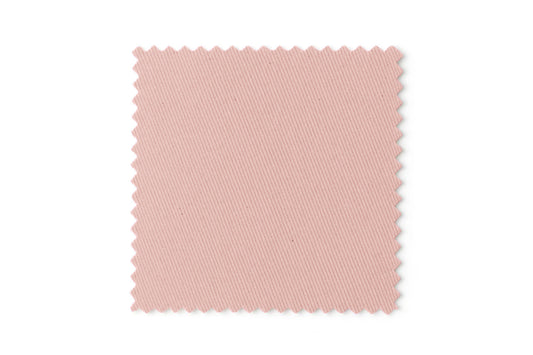
Natural 100% Cotton Fabric Futon Mattress Cover - Light Pink
Regular price From $94.99Regular price $164.99 Sale price From $94.99Sale -
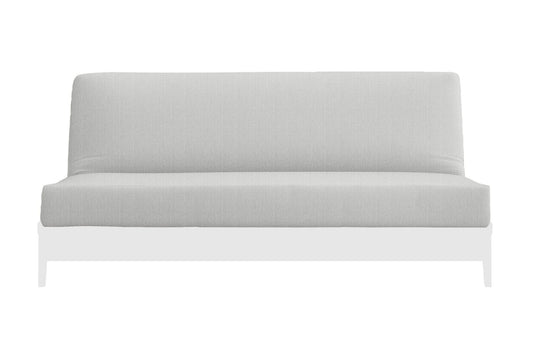
Natural 100% Cotton Fabric Futon Mattress Cover - Light Gray
Regular price From $94.99Regular price $164.99 Sale price From $94.99Sale -
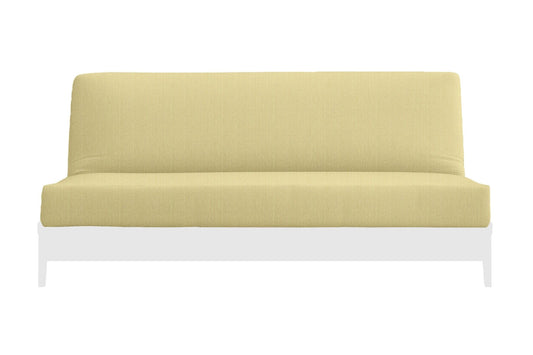
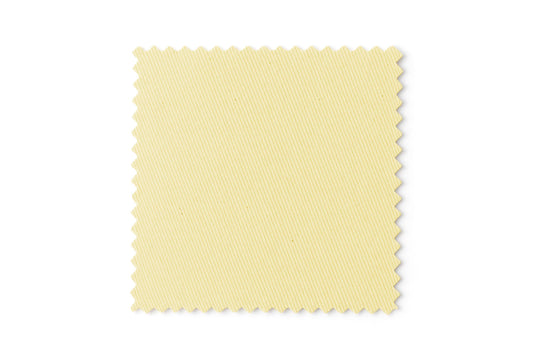
Natural 100% Cotton Fabric Futon Mattress Cover - Pale Yellow
Regular price From $94.99Regular price $164.99 Sale price From $94.99Sale -
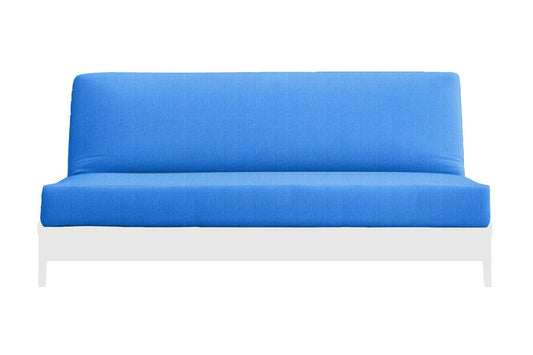
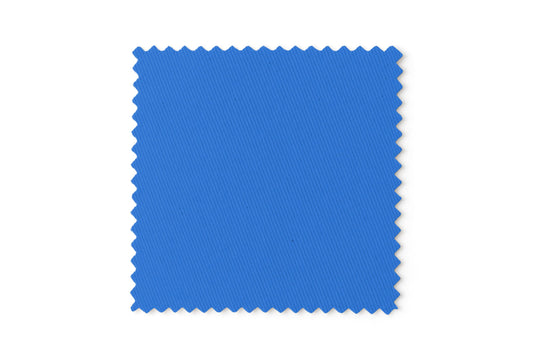
Natural 100% Cotton Fabric Futon Mattress Cover - Air Force Blue
Regular price From $94.99Regular price $164.99 Sale price From $94.99Sale -
Protective Covers for Shikibutons
Regular price From $119.99Regular price $199.99 Sale price From $119.99Sale -
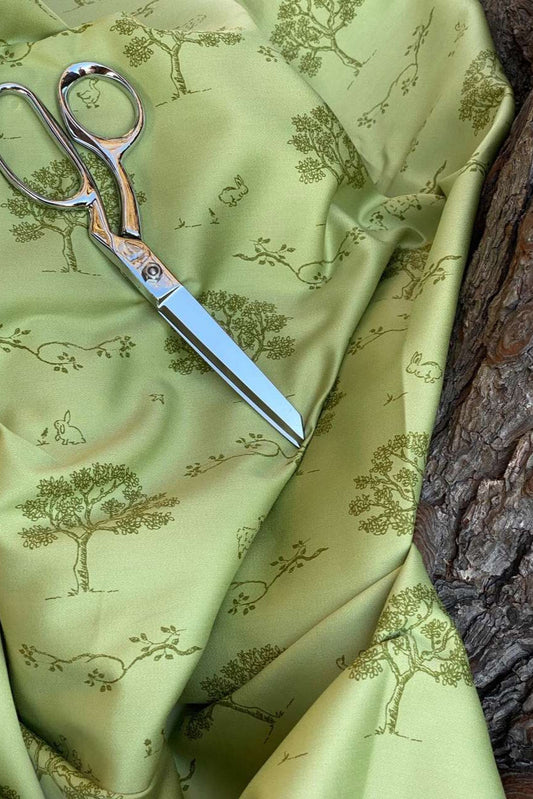
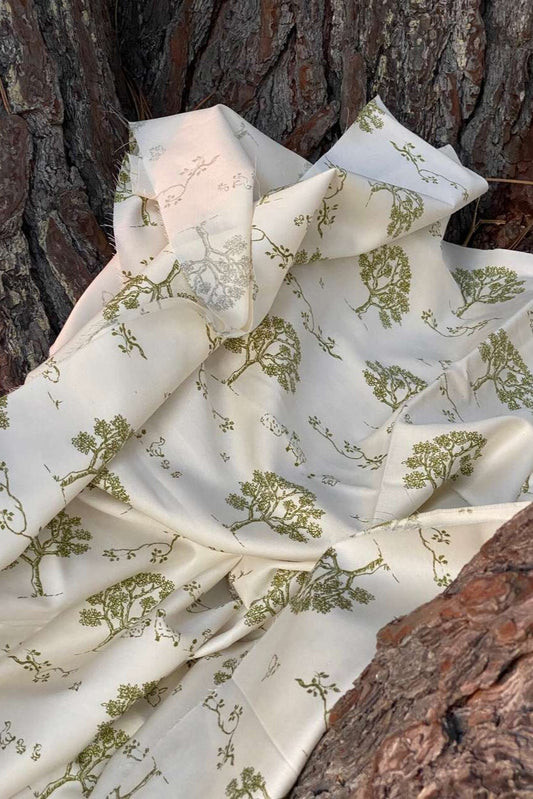
Shiki Mat Cover - Animal Farm (Tarragon Green)
Regular price From $172.00Regular price Sale price From $172.00 -
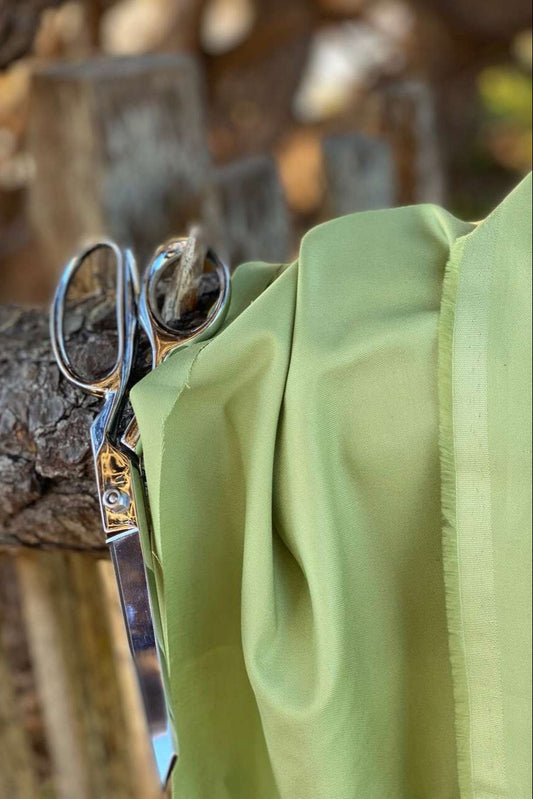
Shiki Mat Cover - Tarragon Green
Regular price From $172.00Regular price Sale price From $172.00 -
Shiki Mat Cover - Animal Farm (Natural)
Regular price From $172.00Regular price Sale price From $172.00






The Economics of Removable Covers vs. Entire Couches
Traditional upholstered couches are basically disposable items. Think about it. When the fabric gets stained or torn by a cat's claws, the whole thing goes to the landfill. Even if the wooden frame inside is perfectly fine, you throw it away because the fabric is ruined. Buying a new couch every five to seven years is a massive financial drain.
With a convertible sofa using removable covers, you only ever replace the parts that wear out. If the cover is torn after years of heavy use, you do not throw away the solid wood frame or the mattress. You simply purchase a replacement cover. If you decide to paint your living room a different color, you don't need to buy a matching sofa—you just buy a new cover.
| Event | Traditional Upholstered Couch | Component-Based Sofa |
|---|---|---|
| A Major Spill | Expensive professional in-home cleaning required. Stains often return. | Drop the removable cover at the dry cleaner for a deep, complete clean. |
| Pet Damage / Torn Fabric | Must replace entire couch or pay for expensive reupholstery. | Buy a new replacement cover for a fraction of the cost. |
| Changing Decor/Colors | Stuck with the original color forever. | Easily zip on a new cover in a different color. |
| Internal Hygiene | Foam absorbs dust mites, dead skin, and sweat permanently. | Mattress can be easily aired out in the sun; cover is dry cleaned as needed. |
Choosing the Right Life-Proof Fabric
Not all fabrics handle cleaning the same way. The success of a removable seating system depends heavily on the fabric you choose for the outer layer. When browsing for futon covers, pay attention to the weave and the raw material.
- Cotton Duck Canvas: This is arguably the most durable natural option for a highly active household. Duck canvas features a tight, heavy weave that resists snags from pet claws. The tight weave also prevents dirt and pet hair from embedding deeply into the fabric, allowing it to be easily brushed or vacuumed off. It softens beautifully over time with proper care and dry cleaning without losing its structural integrity.
- Natural Linen: Linen offers a relaxed, sophisticated aesthetic that fits perfectly into Japandi or Scandinavian room designs. While it is highly breathable and comfortable, the weave is slightly looser. It requires professional dry cleaning to maintain its exact shape and is an excellent choice for homes that prioritize a soft, organic texture and do not have destructive pets.
Having multiple covers allows you to rotate them while one is at the dry cleaner, ensuring your couch is never out of commission. Many households choose a lighter, breathable cotton cover for the summer months and swap to a heavier, darker fabric for the winter, effectively changing the entire look of the living room in ten minutes.

Protecting the Core Against Major Spills
While an outer cover handles dirt, pet hair, and minor spills perfectly, it is still a woven fabric. If a large volume of liquid is spilled—such as a whole cup of coffee or a pet accident—the liquid can eventually seep through the weave of the cover and reach the mattress core underneath.
Because organic mattresses are built from thick layers of cotton, wool, and latex, you want to avoid soaking them. To make the sofa completely life-proof, you should introduce a barrier layer between the decorative outer cover and the mattress itself.
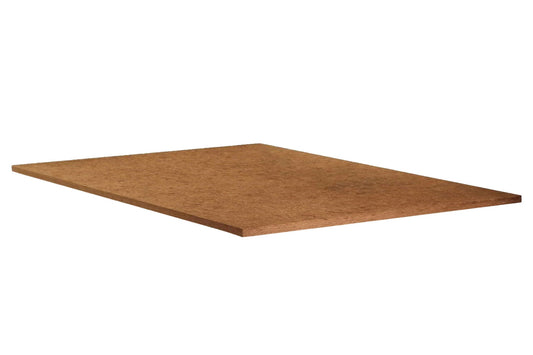
Using specialized mattress protectors that are specifically sized for your convertible frame guarantees that no liquid will ever reach the core. Modern waterproof protectors use ultra-thin, breathable membranes rather than crinkly plastic, meaning they do not generate noise or trap heat when you sit down. If a major accident occurs, you simply remove the outer decorative cover and the waterproof protector. You can usually machine wash the protector at home, drop the cover at the dry cleaner, and your couch remains perfectly pristine.
How to Clean Your Sofa Covers Without Regret
To keep your covers from shrinking, fading, or losing their tailored fit, you have to follow a few simple rules. First, always vacuum the cover before removing it from the couch. This removes loose pet hair and crumbs that could cause wear during the cleaning process. Next, unzip the cover carefully. If the cover is quite tight, fold the mattress slightly to release the tension on the zipper, preventing the tracks from splitting.
The most important rule? Check the care tag. The vast majority of high-quality natural covers are strictly dry-clean only. Natural fibers like heavy cotton and linen will shrink and lose their exact dimensions if subjected to hot water and tumbling in a standard washing machine. By taking them to a professional dry cleaner, you ensure the fabric retains its color, texture, and perfect fit.
If you happen to own a cover that specifically states it is machine washable, always use cold water and a gentle detergent. Avoid bleach at all costs. Do not put a 100% cotton or linen cover in a hot dryer. Instead, air dry it until it is about 90% dry. While it is still slightly damp, stretch it back over the mattress and zip it up. It will dry perfectly smooth and tight to the cushion.
Frequently Asked Questions
Are slipcovers and tailored sofa covers the same thing?
No. Traditional slipcovers drape loosely over an entire fixed couch and usually look messy or wrinkled. Component-based sofa covers are tailored specifically to encase the separate mattress cushion of a convertible wood frame. They zip tightly shut, providing a clean, upholstered look without the looseness of a standard slipcover.
Will a cotton sofa cover shrink if I wash it at home?
Yes, natural cotton covers can shrink significantly if exposed to water or heat in a standard washing machine. This is why most tailored covers are strictly dry-clean only. Taking your cover to a professional ensures it will not shrink, allowing for a perfect, tight fit when you zip it back onto the mattress.
How do I protect my couch from pet claws?
Choose a cover fabric with a very tight weave, such as heavy cotton duck canvas. Loose weaves like linen or bouclé are much easier for cats to snag. Because the cover is removable, even if your pet does manage to damage it over time, you can replace just the cover instead of the whole couch.
Can I put a waterproof cover on a futon mattress?
Yes. It is highly recommended to place a thin, breathable waterproof mattress protector over the futon mattress before putting on the decorative outer cover. This ensures that any large liquid spills are caught before they can soak into the cotton and wool core.
If you are looking for more ways to create a non-toxic living space, read our comprehensive guide on spotting greenwashing in furniture. To understand the mechanics behind this type of seating, review our article on how convertible frames and positions actually work.