
Are Accent Tables Worth It in a Small Bedroom?
-

 Sale
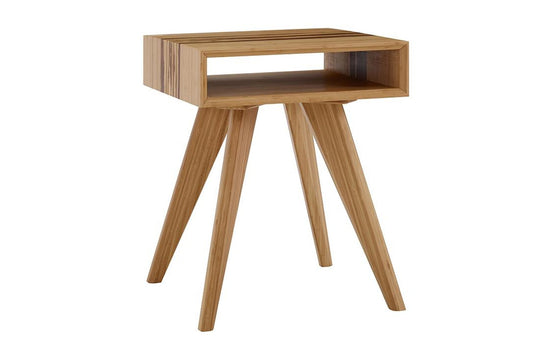
SaleAzara End Table
Regular price From $609.00Regular price $729.00 Sale price From $609.00Sale -
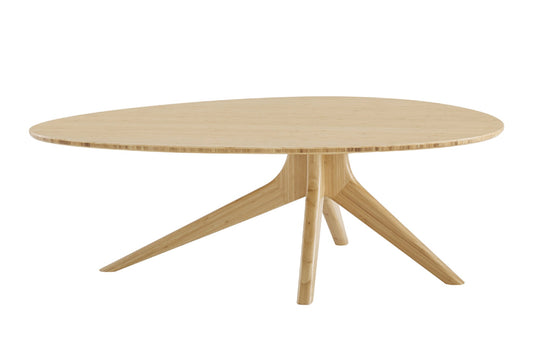
Rosemary Coffee Table
Regular price $969.00Regular price $1,159.00 Sale price $969.00Sale -

 Sale
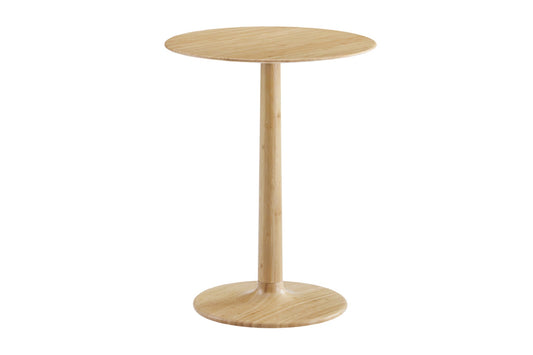
SaleSol Side Table
Regular price $419.00Regular price $499.00 Sale price $419.00Sale -
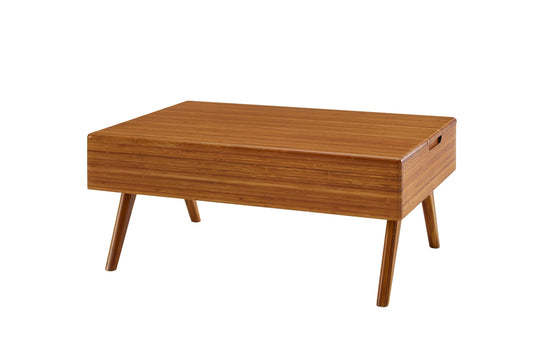
Rhody Lift Top Coffee Table
Regular price $1,159.00Regular price $1,389.00 Sale price $1,159.00Sale -

 Sale
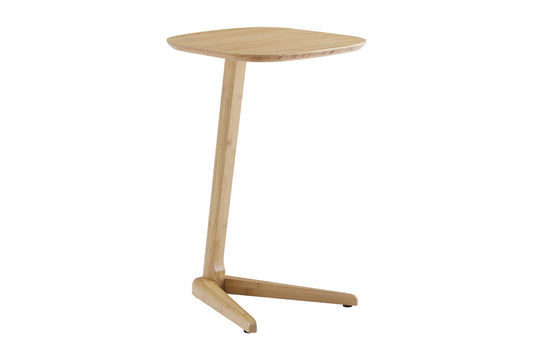
SaleThyme Side Table
Regular price $329.00Regular price $389.00 Sale price $329.00Sale -

 Sale
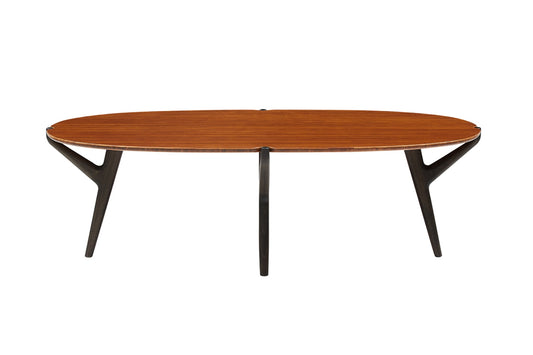
SaleTofino Coffee Table
Regular price $1,299.00Regular price $1,559.00 Sale price $1,299.00Sale -

 Sale
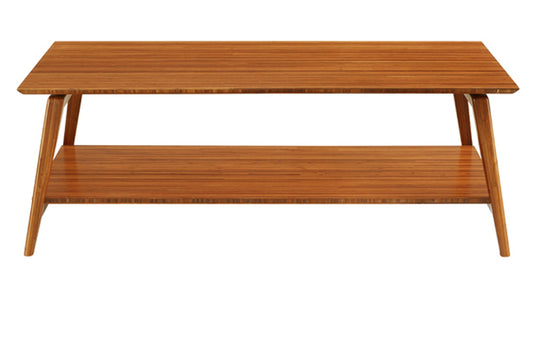
SaleAntares Coffee Table
Regular price $1,189.00Regular price $1,429.00 Sale price $1,189.00Sale -
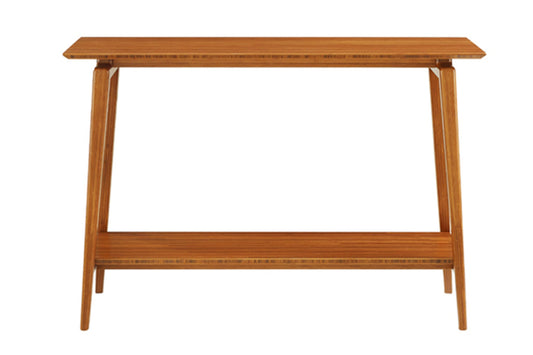
Antares Console Table
Regular price $909.00Regular price $1,089.00 Sale price $909.00Sale -

 Sale
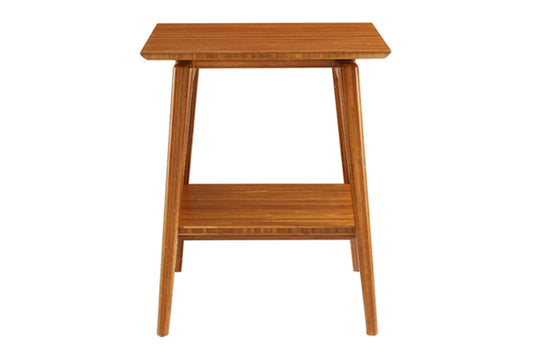
SaleAntares End Table
Regular price $709.00Regular price $849.00 Sale price $709.00Sale -

 Sale
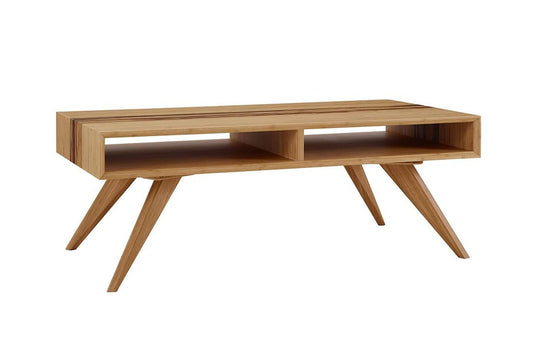
SaleAzara Coffee Table
Regular price From $999.00Regular price $1,199.00 Sale price From $999.00Sale -

 Sale
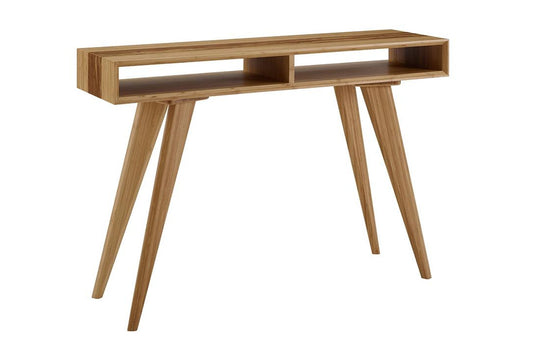
SaleAzara Console Table
Regular price From $869.00Regular price $1,049.00 Sale price From $869.00Sale -
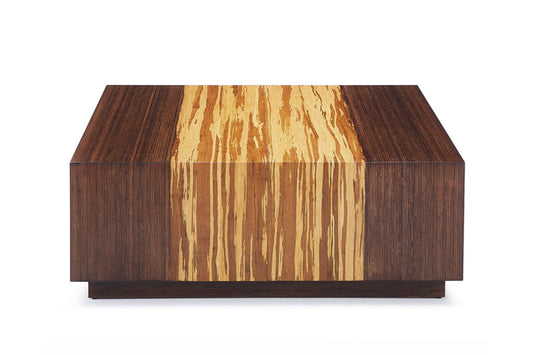
Azara Cube Coffee Table
Regular price $1,869.00Regular price $2,489.00 Sale price $1,869.00Sale








The Small Bedroom Problem: Surfaces vs. Storage
In a tight bedroom, you are usually balancing two needs that can feel at odds:
- You need flat surfaces to hold a lamp, a book, a glass of water, your phone, and maybe a plant.
- You also need enclosed storage for clothes, linens, and all the small items that tend to pile up.
One way to solve this is a large nightstand with several drawers. The downside is that oversized case goods can make the room feel visually heavy, especially when they sit right at eye level next to the bed. A more flexible approach is to let dressers and chests handle most of the storage, and let accent tables handle the surfaces.
If you are still figuring out how to divide those jobs, it may help to skim this guide to dressers, nightstands, and under-bed drawers in small bedrooms. Once those big pieces are settled, it becomes much easier to see where a small table can slip in and make your daily routines smoother.
Accent Tables as Nightstand Alternatives
In many small bedrooms, an accent table simply takes the place of a nightstand—and does it better. Instead of a deep, boxy cabinet with several drawers, you get a slender, open-base piece that holds what you actually use every day and leaves more of the floor visible. In many homes, this is also called a bedside table.
If you are using an accent table in the nightstand role, look for:
- A height that roughly matches the top of your mattress (often 22–28 inches, depending on the bed).
- A top surface large enough for a lamp, water glass, and a book or phone, but not so big that it invites clutter.
- Legs that are set toward the corners, leaving plenty of open space underneath.
Open-base designs are especially helpful in small rooms because you can still see the flooring underneath, which tricks the eye into reading the space as larger and less crowded. Solid wood tables also tend to feel calmer and more grounded than metal-and-glass pieces, which can sometimes glare under bedroom lighting.
If you know you need at least one drawer near the bed for medications, chargers, or personal items, you can always balance a single compact nightstand from the collection of slim night tables on one side of the bed and a lighter accent table on the other. This asymmetry is very common in small rooms and can look intentional rather than mismatched when both pieces share similar wood tones and finishes.

Using Accent Tables as Laptop Desks and Reading Stations
A small bedroom often doubles as something else: a home office, reading room, or even a place to stretch and do light exercise. A good accent table can support those roles without committing to a full desk.
Here are a few ways small tables can quietly expand what your bedroom can do:
- Beside a chair or bench, a compact table becomes a laptop perch for short work sessions or evening browsing.
- By the window, a small round top gives you a spot for tea and a book, turning a corner into a tiny reading nook.
- Next to a meditation cushion, a low table can hold candles, a small plant, or a cup of water without needing a whole shelving unit.
The trick is to choose a table that is large enough for a laptop and a mug, but not so large that it starts behaving like a second desk. Pieces that are designed as flexible side tables tend to work best here, because you can move them around as your needs change.
Extra Seating and Perches Without Real Chairs
Some accent tables—especially solid, drum-style tables or very sturdy stools—can pinch-hit as extra seating in a pinch. In a small bedroom, this can be surprisingly useful. You might not have space for an upholstered chair, but having a stable perch for tying shoes, sorting laundry, or chatting with someone sitting on the bed can be more comfortable than kneeling on the floor.
If you want a table that can double as seating, pay attention to:
- Construction: solid hardwood is far more reliable for sitting on than hollow or lightweight materials.
- Top dimensions: a slightly wider top is usually more comfortable than a tiny pedestal when used as a perch.
- Height: aim for something in the range of a low stool rather than a tall bar table.
Not every accent table needs to serve this role, but choosing at least one piece in the room that can multitask as a seat keeps the rest of your layout simpler. It is often easier to bring in a solid wood side table than to shoehorn in a second chair.

Why Solid Wood and Open Bases Matter in Tight Spaces
In small bedrooms, the materials and lines of your furniture are just as important as the footprint. Two pieces that take up the same square footage can feel very different depending on how they are built.
Solid wood accent tables with slender legs and open undersides tend to:
- Let light move through the room, because they do not block large sections of the floor or wall.
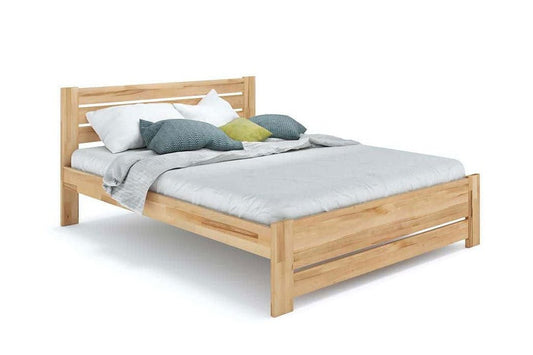
- Feel more stable and permanent, especially when paired with a solid wood bed from the platform bed collection.
- Age gracefully, picking up a patina over time instead of peeling or chipping like some veneered or laminated pieces.
They also align naturally with minimalism in the practical sense: fewer bulky objects, more visual breathing room, and only the surfaces you actually use.
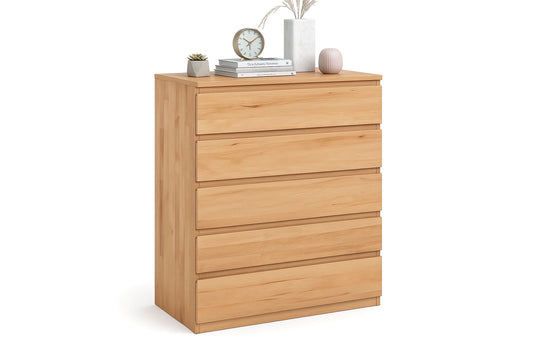
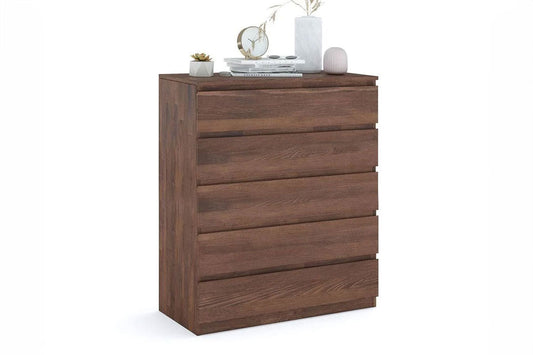
Closed, heavy bases can still work, but in small bedrooms it is often better to reserve that visual weight for a single piece—like a chest or dresser—from the solid wood bedroom chest lineup. Let your accent tables carry a lighter, airier presence so the room does not feel boxed in.
How Many Accent Tables Do You Really Need?
The right number of tables in a small bedroom is usually fewer than you think. A simple framework:
- Single bed: one table is often enough—either a compact nightstand or an accent table doing double duty.
- Full or queen bed: two surfaces are ideal, but they do not have to match. One side can have a drawer-based nightstand, the other a lighter accent table.
- Guest room or multi-use room: one main table at the bed and one small side table near a chair or window can keep the space flexible.
If you find yourself with more tables than that in a tight room, it may be a sign that some should be consolidated into better vertical storage. A tall chest or a set of under-bed drawers from the under-bed storage collection can often do more for your daily life than a third small table.

Pairing Accent Tables with the Rest of the Room
Accent tables earn their keep when they feel like part of a coherent story. They do not need to match every other piece exactly, but coordinating wood tone, finish, or leg style with your bed and storage makes the room feel intentional.
Here are a few combinations that work well in small bedrooms:
- A natural wood platform bed from the collection of hardwood bed frames, one small case-goods nightstand, and one open-base accent table in a similar finish.
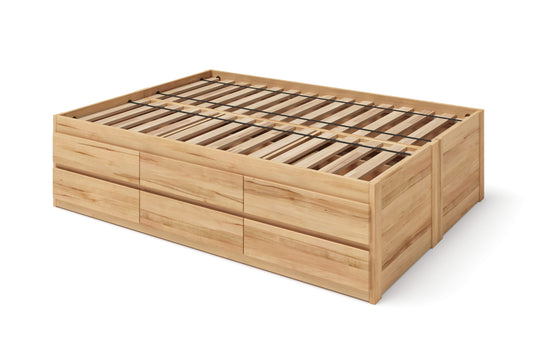
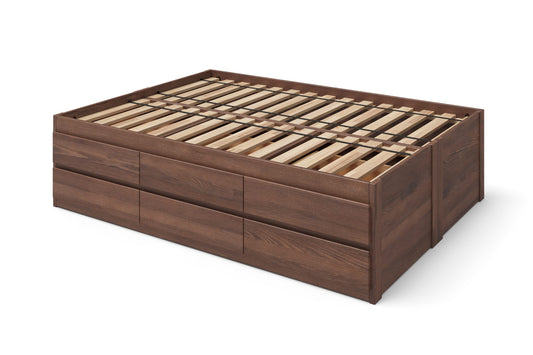
- A captain’s bed or platform with under-bed storage, a slim chest from the bedroom chest range, and a pair of tiny round side tables instead of full nightstands.
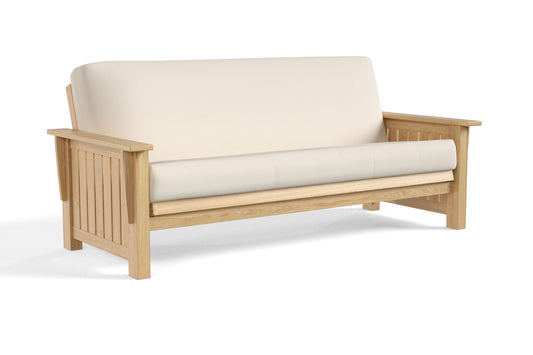
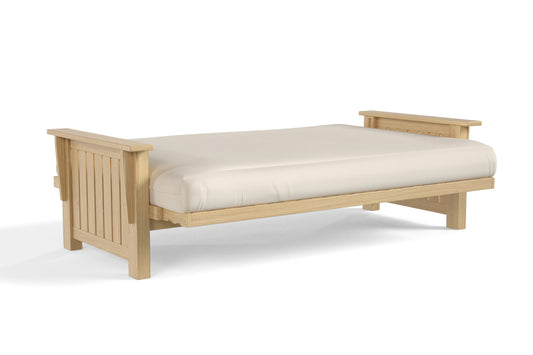
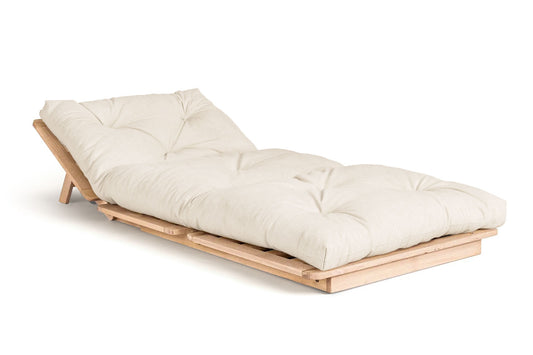
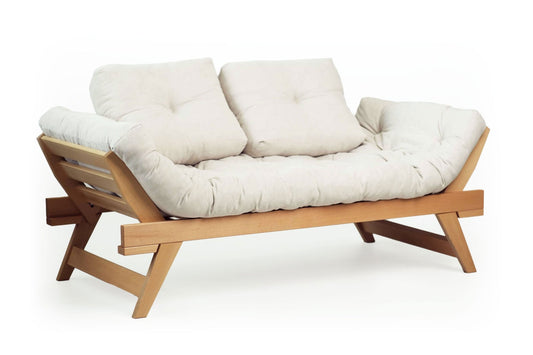
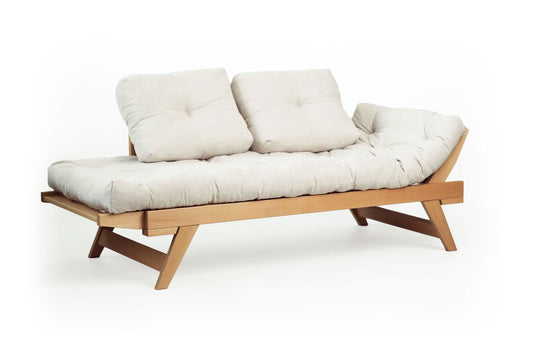
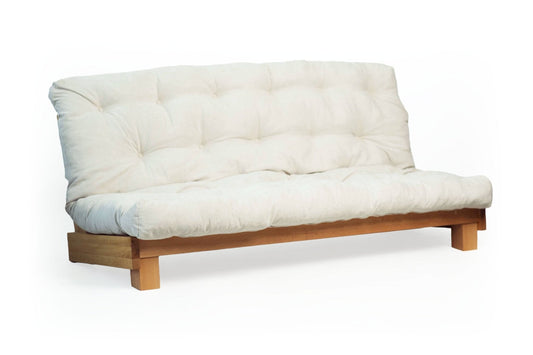
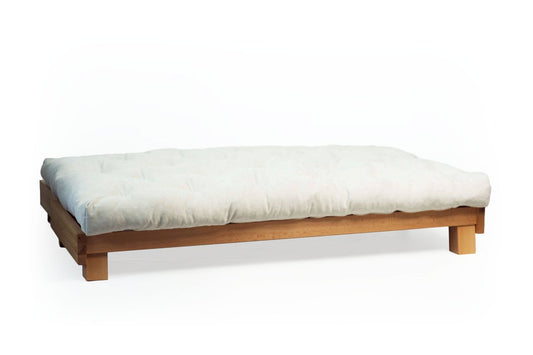
- A futon-style bed in a studio, a single accent table by the pillow end for nighttime essentials, and another small table near the door for keys and a handbag, chosen in the same general wood tone.
When in doubt, start with the bed, then choose storage, and treat accent tables as the final layer that fills gaps in your daily routine. That order tends to produce rooms that feel balanced and practical instead of over-furnished.
A Quick Checklist Before You Buy
If you are staring at a small bedroom floor plan and wondering whether an accent table is worth the space, run through this simple checklist:
- Do I have a dedicated spot to set down a glass of water, a book, and my phone by the bed?
- Could a small table replace a larger piece I am only half using, like an oversized nightstand?
- Will an open-base, solid-wood design make the room feel lighter than my current setup?
- Can this table serve at least two roles (bedside surface, laptop perch, extra seating, or reading nook companion)?
- Does its finish and shape play well with my existing bed, dresser, and storage pieces?
If you can honestly answer yes to most of these, an accent table is not just “worth it” in your small bedroom; it is likely to become one of the most-used pieces in the space.
FAQ: Accent Tables in Small Bedrooms
Are accent tables worth it in a small bedroom?
Yes, if they solve a daily problem. A compact accent table can replace a bulky nightstand, add a clear landing zone for essentials, and keep clutter off the floor without making the room feel heavier.
What size accent table works best next to a bed?
Look for a height close to your mattress top (often 22–28 inches) and a surface that holds a lamp and basics without becoming a clutter magnet. In small rooms, slimmer tops and open bases usually feel best.
Can an accent table replace a nightstand?
In many bedrooms, yes. An open-base table provides the surface you need while keeping the floor visible. If you need hidden storage, use one compact nightstand with a drawer on one side and an accent table on the other.
How many accent tables should a small bedroom have?
Usually one or two surfaces are enough. A single table works for a twin or minimalist setup. For a full or queen, two surfaces are ideal, but they do not have to match.
Why do open-base tables feel better in small rooms?
Open legs and visible floor reduce visual weight. Even when the footprint is similar, a lighter silhouette can make the room feel less crowded and easier to move through.
So, Are Accent Tables Worth It in a Small Bedroom?
When they are chosen thoughtfully, absolutely. A compact, well-made accent table gives you just enough surface to keep essentials close, supports reading and working habits, and keeps clutter from spreading to the floor or the top of your dresser. Solid wood designs with open bases stay visually light, so even very small rooms can handle one or two without feeling overstuffed.
If you are ready to experiment, start by browsing the solid wood accent table collection for pieces that could float between bedside and reading nook duties. Then, balance them with storage from the natural bedroom chest assortment, nightstands from the compact bedside collection, and a bed frame from the platform bed lineup that suits your room. In a small, healthy bedroom, the “extra” table is often the piece that quietly makes everything else work.