
What’s Inside a Tatami Mat? Igusa Weave, Core Types, Borders, Scent & Color Over Time
Tatami is the classic washitsu (Japanese-style room) floor covering—calm underfoot, breathable, and beautifully simple. If you’re comparing “rush grass tatami” or wondering what tatami is actually made of, this guide breaks down every layer: the igusa (surface weave), the core (rice straw vs. composites), the border fabric, back-side options, and why new mats smell grassy and shift from green to golden with age. We’ll also explain the differences between standard and split panels (for shipping and use), plus thin folding tatami-style mats.
The Surface: Igusa (Woven Rush Grass)
The face of a traditional tatami mat is the igusa—a tightly woven rush grass cover. Those tiny nodes you see in close-ups are natural to rush, and they’re part of why tatami feels springy yet stable. Fresh igusa has a clean, grassy scent and a soft green tone that gradually warms to a honey-gold with light and use. That patina isn’t damage; it’s the normal, admired aging of authentic tatami.
Care note: clean with the weave (never against it) using a brushless vacuum head or a barely damp, well-wrung cloth. Grit wears fibers, so go barefoot or use soft socks on tatami. Color may vary slightly between mats—buying a set from the same production batch helps if uniformity matters.
The Core: Dense Rice Straw vs. Composite Options
Under the igusa is the tatami core (doko), which determines weight, resilience, and breathability.
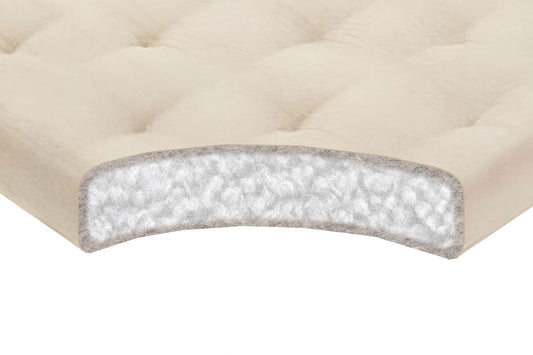
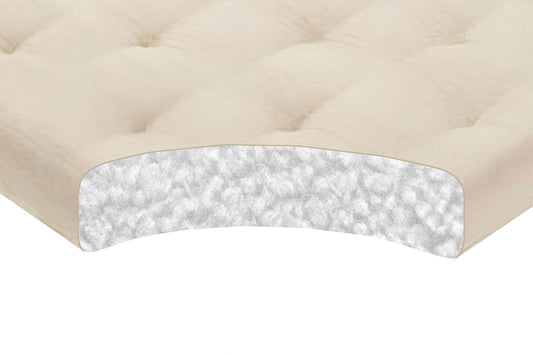
- Dense rice straw core (traditional): tightly packed, kiln-dried straw delivers a resilient “micro-spring” feel and excellent vapor buffering. It’s substantial in weight, supportive under a shikibuton, and time-tested for everyday living. This is the build we use for our main panels—dense straw covered with woven rush for an authentic, breathable feel.
- Composite cores: some modern mats use compressed fiber or foam “sandwich” constructions. They’re lighter and consistent, but the feel is firmer and airflow can be different than straw. “Tatami-style” foam panels mimic the look but are best viewed as decorative or exercise surfaces, not as the long-term base for a Japanese sleep system.

| Core Type | Feel | Airflow | Weight | Best Use |
|---|---|---|---|---|
| Dense rice straw | Springy, supportive | Excellent moisture buffering | Heavier, very stable | Sleep systems, living areas |
| Compressed fiber composite | Flatter, firmer | Good, varies by build | Moderate | Mixed-use rooms, lighter panels |
| Foam “tatami-style” | Soft or spongy | Varies; often lower | Lightest | Decor/exercise; not a long-term base for futons |
Back Side Options: Rush vs. Non-Woven
We offer two practical backings so you can match the surface that touches your floor to your space:
- Rush grass back: the most natural option—rush on both faces. It’s the healthier “all-plant” build and maximizes breathability. On rough wood floors, it can show wear sooner if dragged.
- Non-woven back: a durable synthetic back that’s tougher against abrasion and saves a bit on cost. It’s a classic, long-wear choice when the underside will see more friction.
Either way, avoid sliding mats; lift to reposition, and use felt or a thin, breathable underlay if needed to protect delicate floors.
-

 Sale
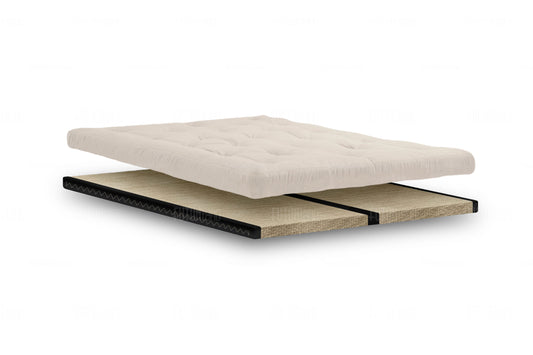
SaleTatami Mat
Regular price From $169.99Regular price $219.99 Sale price From $169.99Sale -

 Sale
SaleFolding Tatami Mat
Regular price From $179.99Regular price $269.99 Sale price From $179.99Sale -
 Sale
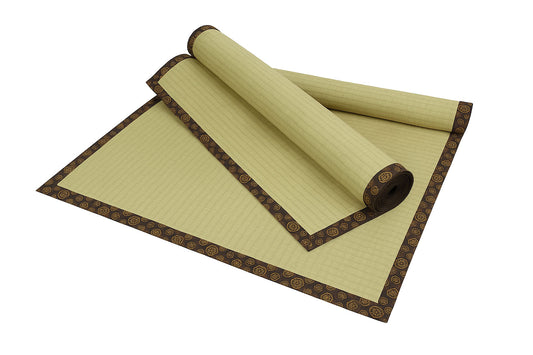
SaleGoza Tatami Mat
Regular price $89.99Regular price $129.99 Sale price $89.99Sale -

 Sale
SaleTatami Room Kit
Regular price From $779.99Regular price $1,289.99 Sale price From $779.99Sale -
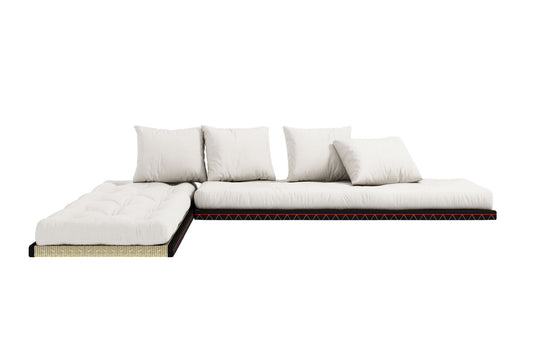
Tatami Daybed Sofa Sleeper
Regular price From $1,349.99Regular price $2,099.99 Sale price From $1,349.99Sale -
Tatami Platform Base (Low Profile)
Regular price From $749.99Regular price Sale price From $749.99 -
Tatami Platform Base (High Profile)
Regular price From $1,099.99Regular price Sale price From $1,099.99 -
Floor Bed – Shikifuton Tatami Mat Bundle
Regular price From $729.99Regular price $1,009.99 Sale price From $729.99Sale -
Flip & Roll – Shikifuton Tatami Mat Bundle
Regular price From $369.99Regular price $519.99 Sale price From $369.99Sale -
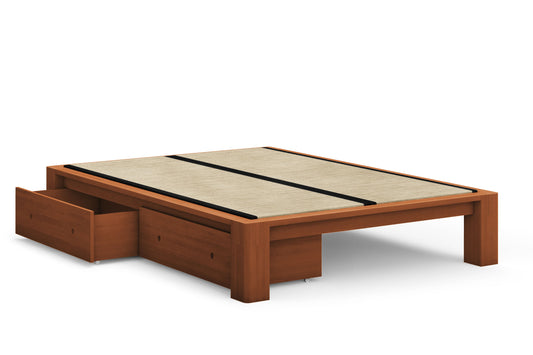
Japanese Tatami Platform Bed
Regular price From $729.99Regular price $929.99 Sale price From $729.99Sale -
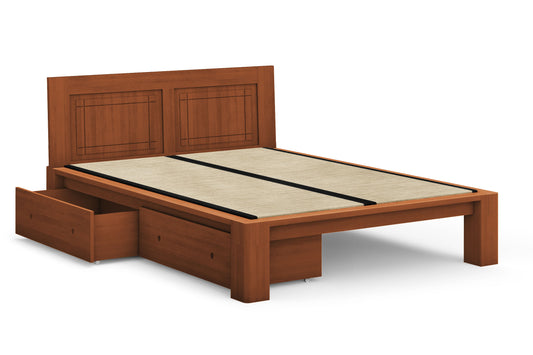
Japanese Tatami Platform Bed with Grooved Headboard
Regular price From $899.99Regular price $1,099.99 Sale price From $899.99Sale -
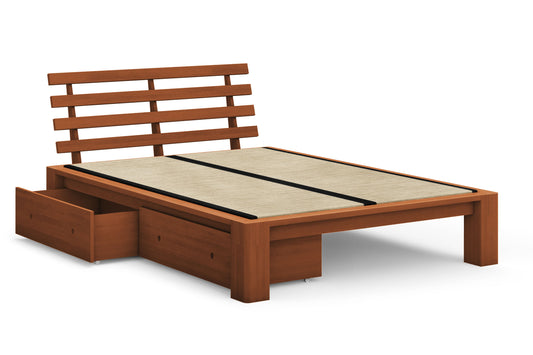
Japanese Tatami Platform Bed with Slatted Headboard
Regular price From $819.99Regular price $1,019.99 Sale price From $819.99Sale


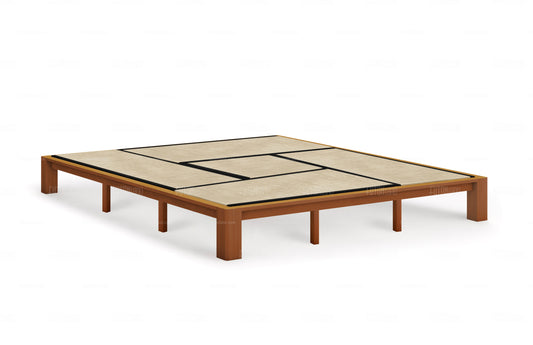
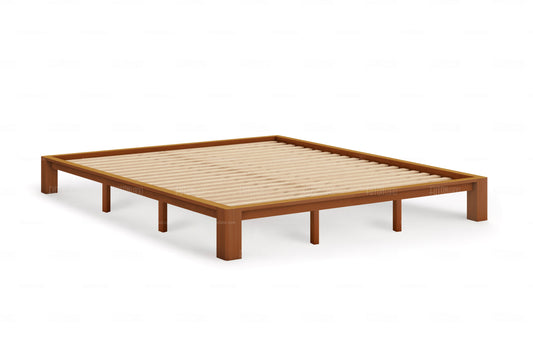

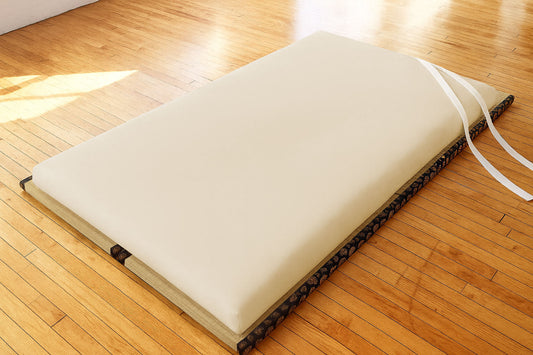
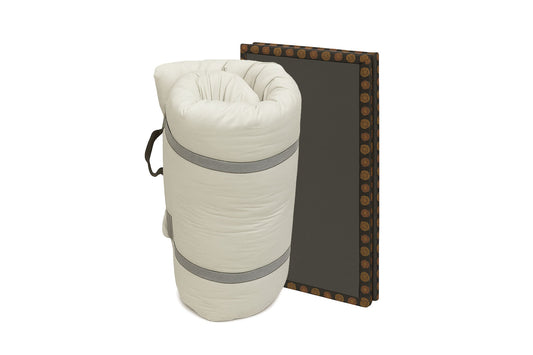



Models: Standard Panels vs. Split Panels (and Thin Folding Mats)
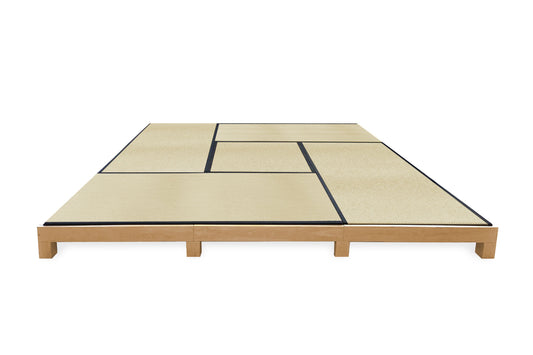
- Standard panels: larger, traditional modules. They ship via freight (LTL) and are exceptionally stable under a shikibuton or as a defined floor zone. Less seam shift on hard floors.
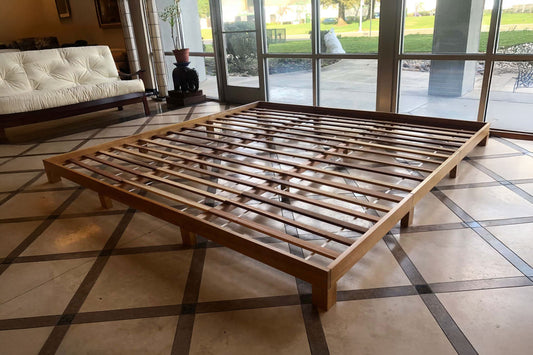
- Split panels: two smaller panels per bed size for parcel shipping—easier to maneuver through stairs, apartments, and RVs. On solid floors they’re very workable; on bed frames, either model functions like a breathable foundation or bunkie-board replacement with minimal shift. If you’re exploring compact or portable setups, browse options in our tatami collection.
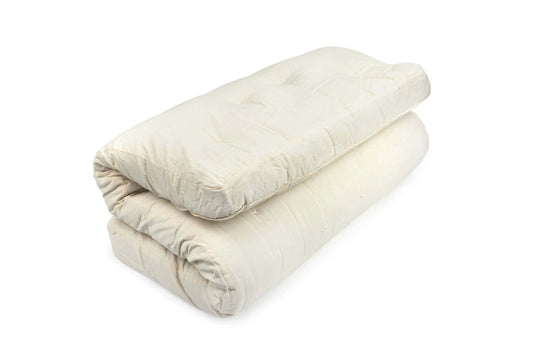
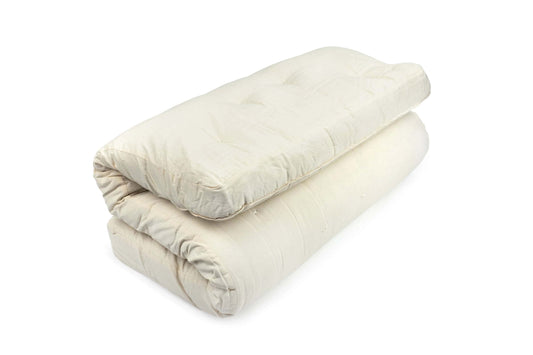
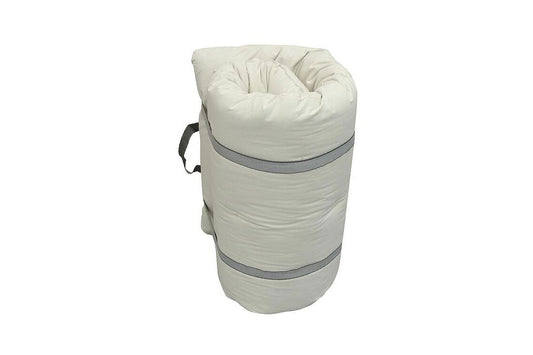
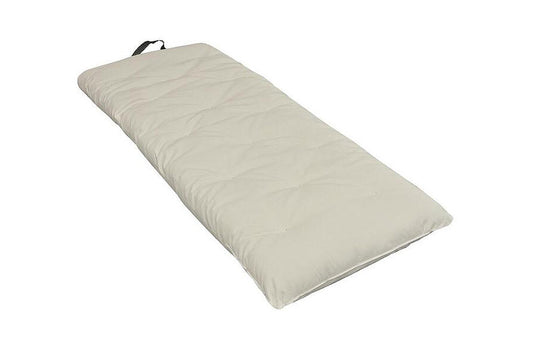
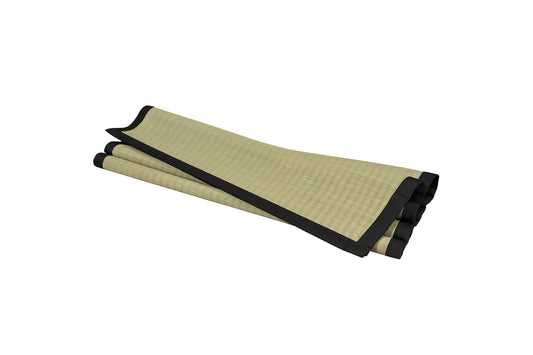
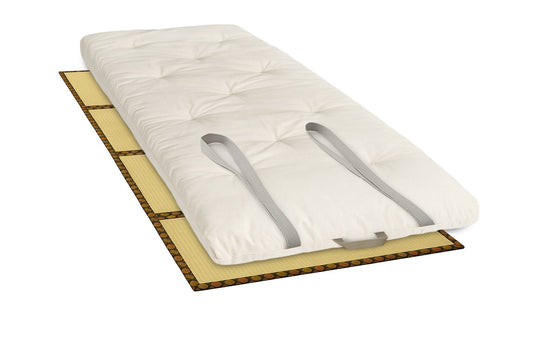
- Thin folding tatami: lightweight, portable mats for travel, temporary floor setups, and daily fold-away “floor beds.” They provide the look and some feel of tatami with maximum convenience.
The Border (Heri): Protection with Style
The edge binding protects high-wear seams and adds a design accent. Traditional borders use cotton or poly-cotton with classic Japanese motifs; modern black bindings deliver a minimal look. We carry both patterned and clean black borders so you can match a tea-room vibe or a contemporary interior. Practical tip: don’t drag furniture over the border—use wide feet and felt pads.
Scent, Color & Light: What to Expect
Scent: authentic igusa has a fresh, grassy aroma when new. Air rooms on delivery and enjoy the scent’s gradual softening over a few weeks. If you’re very scent-sensitive, ventilate on dry days with a fan for faster fade.
Color: igusa begins green and shifts to golden with sun and time. This patina is prized in Japan for its warmth and character. To keep color changes even, rotate mats periodically and favor indirect light. Tatami mats may slightly vary in tone from piece to piece—this is normal with natural materials.
Shoes off: as with all tatami, remove shoes before stepping on the mat to preserve its integrity and maintain its clean, welcoming feel.

Use in Homes, Studios—Even Community Rooms
Tatami appears in bedrooms with shikibutons, meditation corners, tea rooms, and sometimes in community or school spaces designated for cultural activities. Wherever it’s installed, two rules keep it beautiful: maintain airflow (especially if bedding sits on top) and keep grit off the surface (no shoes).
Choosing the Right Tatami for Your Setup
- Daily sleep system: dense rice-straw core with igusa weave for stable support and breathability under a shikibuton.
- Mixed-use living room: straw or quality composite, depending on weight and budget; add felt pads under furniture feet.
- Apartment/RV or fold-away beds: split panels (easy shipping/storage) or thin folding tatami for portability.
Ready to compare sizes and models? See our current selection in the tatami mats collection.
Care & Longevity (Essentials)
Keep relative humidity between ~40–60%. Vacuum weekly with the weave, wipe only with a barely damp cloth when needed, and allow air to move both above and below the mat—especially if you place a futon or mattress on top. Rotate mats to even out foot traffic and light. For stains, act fast and blot (don’t rub). For a step-by-step schedule and mold prevention, see our full tatami care guide. If you’re troubleshooting musty bedding on tatami, this airflow & mold guide covers how to dry out and refresh a shikibuton safely.
Adding a ventilating layer under bedding helps, too—browse breathable bed rugs & foundations for year-round airflow under futons and mattresses.
FAQ
What are tatami mats made of?
Traditional tatami combines a woven rush-grass (igusa) surface with a dense rice-straw core and a fabric border. Some modern versions use compressed fiber or foam cores with a rush-style cover.
What is tatami used for?
As a Japanese floor covering in bedrooms, tea rooms, and living spaces—often as the foundation for a shikibuton sleep system thanks to its supportive, breathable feel.
Do tatami mats smell?
New igusa has a natural grassy scent that fades over several weeks. Ventilation speeds the process.
Why did my tatami turn yellow?
Igusa naturally shifts from green to a golden hue with light and age. Rotate panels for even color development.
Can I put tatami on carpet or radiant heat?
On carpet, increase airflow and check humidity to prevent moisture trapping. With radiant heat, keep surface temperatures moderate and avoid heavy insulating layers over the mat.
Shoes on tatami?
No. Removing shoes preserves the fibers, prevents abrasion, and keeps the surface clean and welcoming.
Meticulously crafted with a dense rice-straw core and woven rush surface, our tatami panels deliver long-lasting durability, breathable comfort, and an authentic feel that cheaper synthetics can’t match. Choose rush or non-woven backs, patterned or black borders, and standard or split panels to fit your room and routine.