The Ultimate Guide to Floor Beds: Tradition, Benefits, and Modern Tips
This article is written by the Comfort Pure editorial team and contains links to our featured products.
Share
Floor beds have grown in popularity among minimalists, parents adopting new developmental philosophies, and individuals simply seeking a healthier, simpler way to rest. But what exactly constitutes a floor bed? Why do so many cultures—particularly in Japan—embrace sleeping so close to the ground?
This comprehensive guide explores floor beds in depth. We will look at their historical roots, the physical benefits and drawbacks, the materials involved, and the daily realities of maintaining them. Most importantly, we will help you figure out if moving your mattress to the floor is actually the right physical decision for your body.
What Is a Floor Bed?
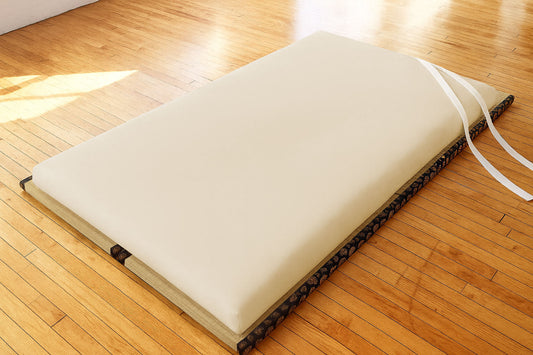
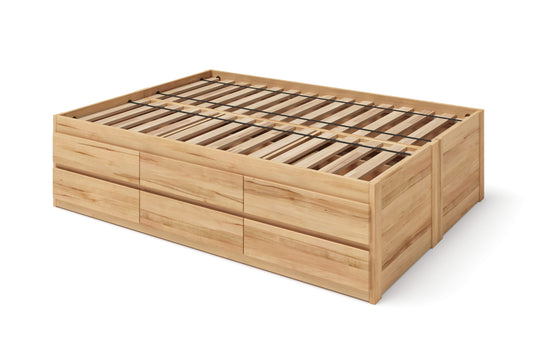
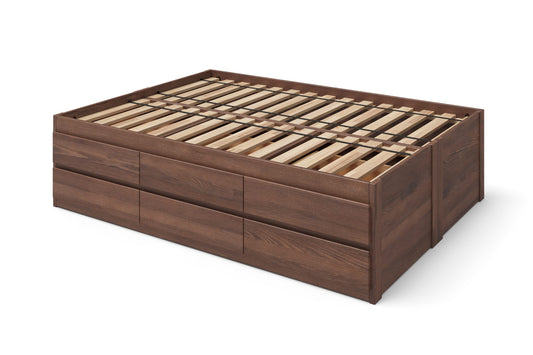
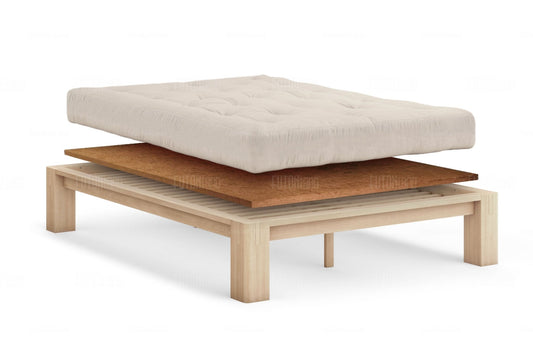
A floor bed is exactly what it sounds like: a sleeping arrangement placed directly on, or very near, the floor, completely bypassing the traditional raised bed frame and box spring. Some setups sit directly on the ground, while others utilize a very low-profile platform or slatted base to provide a tiny bit of elevation for airflow.
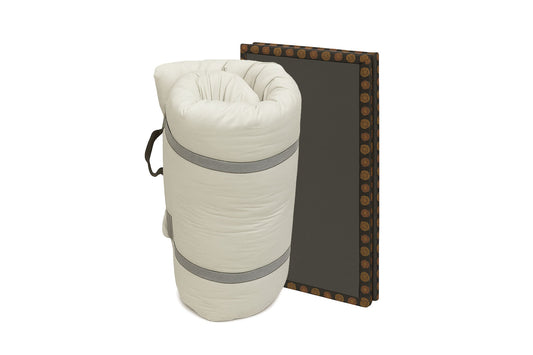
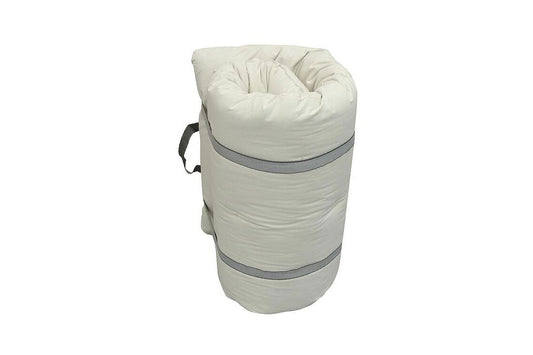
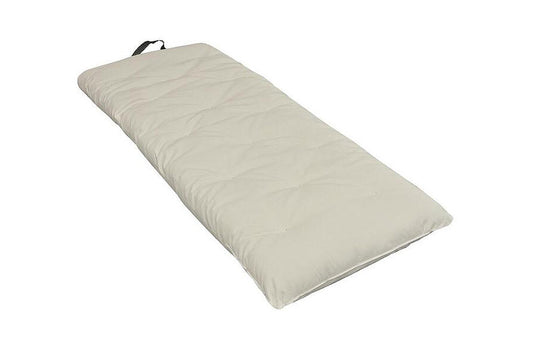
People often associate floor beds with futon mattresses, tatami mats, or minimalist Japanese-inspired designs. However, a floor bed can technically be any mattress size or type placed low to the ground. For instance, a full-size floor bed might refer to a standard Western full-size mattress resting on a low wooden frame, or it could mean a traditional foldable roll-out pad.
This style of sleeping is not a modern internet trend. It has been the default way of sleeping for millions of people across various cultures for centuries.
Why Do Japanese People Sleep on the Floor?
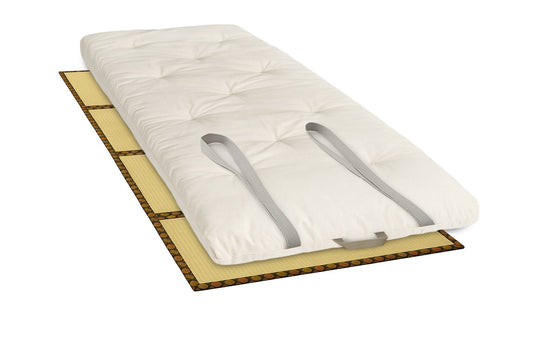
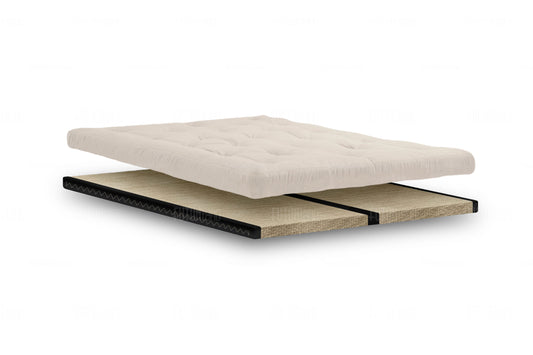
Japanese culture has an incredibly long, well-documented tradition of floor sleeping. Traditionally, the Japanese sleep system consists of a tatami mat base topped with a futon mattress.
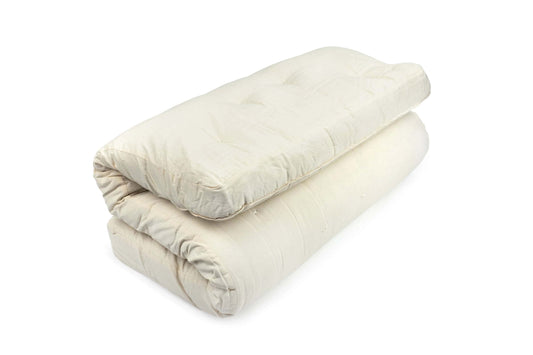
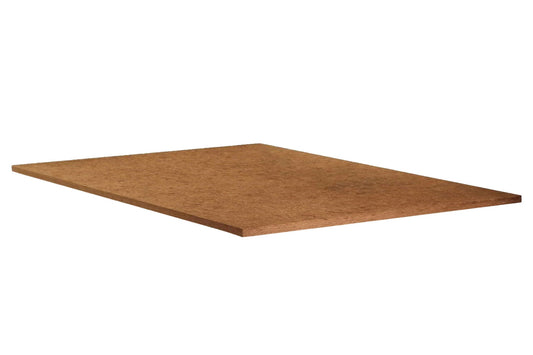
Tatami mats are firm, flat mats traditionally made with a core of rice straw, covered with a woven straw mat surface of soft rush grass known as igusa. This grass is naturally breathable and provides slight cushioning. On top of the tatami goes the shikibuton—the actual mattress—which is usually stuffed with cotton or wool.
This practice is deeply tied to traditional Japanese architecture and the demands of the local climate. Japan experiences high humidity, especially in the summer. Sleeping on breathable rush grass and natural cotton allows air to circulate around the body, preventing the buildup of sweat and moisture.
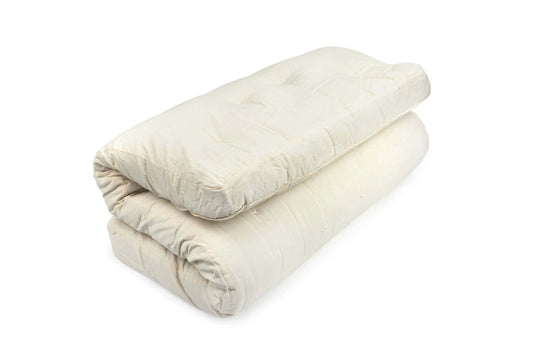
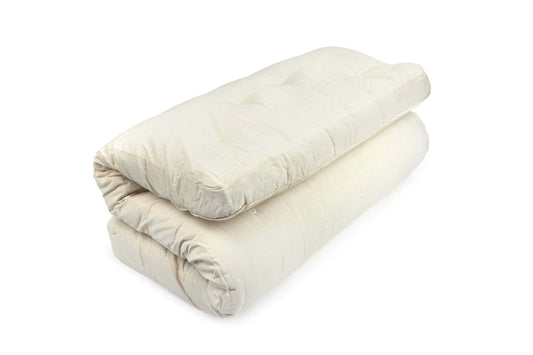
Furthermore, Japanese homes have historically prioritized multi-functional living spaces. A room used for sleeping at night needs to transform into a living room or dining area during the day. A shikibuton is designed to be folded up and stored in a closet (an oshiire) every single morning. This maximizes the home's square footage and keeps the living space feeling open, clean, and entirely uncluttered.
Is Sleeping on a Floor Bed Healthy?
The health impacts of floor sleeping depend entirely on your current physical condition, your sleeping position, and what you are transitioning away from. For many, a firm, supportive floor bed is a massive upgrade for spinal health.
Western mattresses, especially thick memory foam models, tend to degrade and sag over time. When a mattress sags, your hips sink lower than your shoulders, pulling your spine out of its natural alignment. This hammock effect is a leading cause of lower back pain.
Sleeping closer to the floor on a firm surface prevents this unnatural curving. A solid surface forces your bones to bear the weight of your body rather than your muscles, which allows your muscles to completely relax overnight. Additionally, cooler air settles near the floor. Since human core body temperature needs to drop slightly to initiate deep sleep, sleeping lower to the ground can naturally regulate your temperature, especially during hot summer months.
However, floor beds aren’t for everyone. While beneficial for many, individuals transitioning from very soft mattresses might experience an adjustment period as their body adapts to the firmer support. People with existing joint pain, circulation issues, or trouble getting up from the ground may find them uncomfortable.
Regular price
$289.99
$289.99
Sale price
From $189.99
Sale
1 / of4
What Are the Advantages of a Floor Bed?
There are distinct lifestyle and physical benefits that draw people away from traditional Western bed frames:
Better Posture and Support: A firmer surface, such as a futon on a tatami mat, can help keep the spine aligned. Many back and stomach sleepers report waking up with less stiffness after adjusting to a firmer setup.
Minimalist Aesthetic: Floor beds bring a calm, uncluttered feel to a bedroom. Removing bulky headboards and high frames makes a room feel taller and less chaotic.
Versatility: A foldable futon mattress can be put away daily, freeing up floor space. You can roll up your bed and use the room for yoga, a home office, or a play area for children.
Affordability: Without a complex bed frame or box spring, floor beds can be much more budget-friendly. This allows you to invest your budget entirely into the quality of the mattress itself.
Cultural Connection: Adopting a Japanese-style floor bed brings a sense of tradition and mindfulness to your space.
What Are the Disadvantages of a Floor Bed?
It is important to look at the practical downsides before dismantling your current bed.
Dust and Dirt: Being closer to the floor means you’ll need to vacuum more often. Dust, pet dander, and dirt settle on the floor, putting your face right in the drop zone for household allergens.
Cold or Moisture: In damp or poorly insulated homes, sleeping on the floor can feel chilly or encourage mold. A mattress sitting directly on a hardwood floor has zero airflow. If you do not actively manage this moisture by lifting or folding the bed, mildew will grow.
Accessibility: Older adults or people with limited mobility may struggle to get in and out of a floor bed. Lowering yourself all the way to the floor and standing back up requires core strength and mobility.
What Age Is Appropriate for a Floor Bed?
Floor beds are popular for babies and toddlers following Montessori principles, as they promote independence by allowing children to freely access their sleeping space without needing an adult to lift them over a crib rail. There is no strict upper age limit — floor beds for adults are perfectly acceptable as long as you are comfortable sleeping low to the ground and have the mobility to stand up easily.
What Is the Floor Bed Theory?
The “floor bed theory” refers to the idea that humans are well-adapted to sleeping on firm, low surfaces. This concept is supported by traditional cultures worldwide, from Japanese futon systems to nomadic sleeping mats, suggesting that elevated, highly cushioned beds are not strictly necessary for good rest—and might even contribute to poor musculoskeletal health by holding the body in a stagnant position.
Are Japanese Futon Mattresses Comfortable?
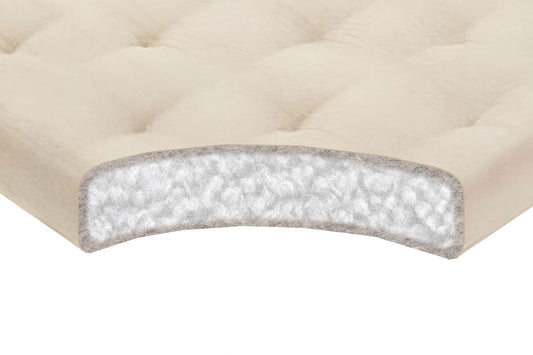
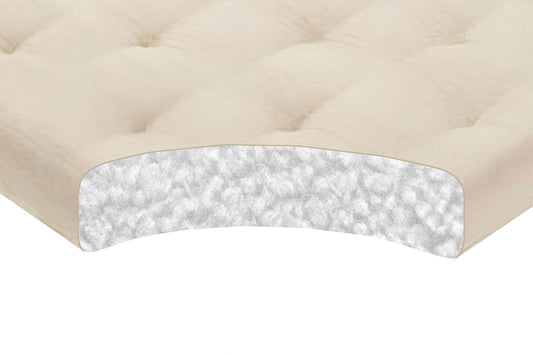
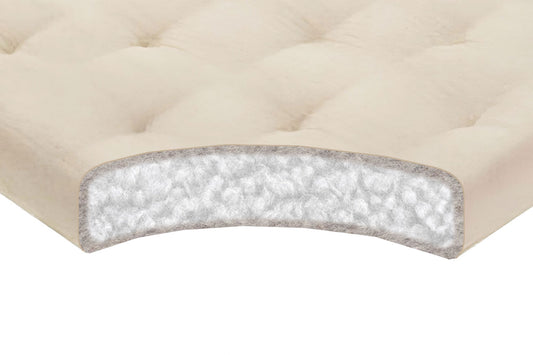
Yes, a quality Japanese futon mattress (known as a shikibuton) is designed to be supportive yet cushioned enough for daily sleep. It is important to differentiate a true Japanese shikibuton from the cheap, lumpy futon pads commonly found in college dorm rooms. A genuine shikibuton is filled with layers of high-quality raw cotton, and sometimes a layer of wool for temperature regulation.
When placed on a tatami mat, it balances firmness and gentle give. The floor provides absolute, rigid support, while the compressed cotton and the woven grass offer just enough surface cushioning to prevent your joints from aching, making it surprisingly comfortable for many sleepers.
Should You Use a Bed Frame with a Floor Bed?
A minimalist or low-profile bed frame can be paired with a floor mattress if you want a bit more air circulation and to protect against cold or moisture. Placing a mattress directly on a carpet or hardwood floor traps moisture. Using a simple wooden slat platform or a tatami mat base to lift the mattress slightly preserves the floor-sleeping feel while drastically reducing the risk of mold.
How to Keep a Floor Bed Clean
Because floor beds sit near the ground, cleanliness is essential. Your cleaning routine needs to be far more rigorous than with a traditional bed:
Sweep or vacuum around the bed frequently: You must clean the floor around and beneath the bed at least once a week to keep dust mites at bay.
Air out your futon mattress regularly: If your mattress is directly on the floor, you must pick it up. Prop it against a wall weekly to let the underside dry out.
Consider using a tatami mat: This provides ventilation underneath and acts as a barrier between your sleep surface and the raw floor dirt.
Rotate and sun-dry the mattress: Traditional cotton mattresses benefit immensely from direct sunlight. Hanging the mattress in the sun naturally kills bacteria, neutralizes odors, and helps the cotton fibers fluff back up to prevent mold.
The Reality of Floor Sleeping: Expectations vs. Practice
At first glance, it seems like a beautifully simple solution. A thin mattress, a clean floor, maybe a tatami mat underneath — and suddenly you have a minimalist setup. But floor sleeping works wonderfully for some people, and very poorly for others. Understanding why can save you a lot of frustration.
The Minimalist Trend vs. Real Life
Traditional floor sleeping has deep roots in cultures where people grow up with it from childhood. In Japan, for example, the body adapts to the firmness early in life. For many people in the United States, however, the situation is different. Most of us have spent decades sleeping on thick spring or foam mattresses that are 10–14 inches high. Switching suddenly to a thin floor mattress can be a big physical shock.
A simple room with a low bed and natural materials looks beautiful, but lifestyle trends don’t always translate perfectly into everyday comfort. Floor sleeping is not meant to replicate a traditional luxury mattress. It’s simply a different style of resting.
Thin Floor Mattresses Are Not Magic
A common misconception is that a thin mattress can somehow deliver the same comfort and pressure relief as a thick bed. Physics doesn’t quite work that way. The floor provides zero give. A 3- or 4-inch cotton mattress placed directly on it will feel very firm.
Thin mattresses also compress over time. Natural cotton mattresses, in particular, become firmer as the cotton settles and compacts with use. This is normal and expected, but it can surprise people who expect the mattress to stay exactly as soft as it was on day one.
Is a Floor Bed Right for You?
Floor sleeping isn’t inherently better or worse than a traditional bed. The most important step is being honest about your expectations and your body’s preferences. Here are a few questions to ask yourself:
Can you comfortably get down to and up from the floor? If your knees or back make standing up difficult, this setup will be a daily struggle.
Do you like a firm sleeping surface? If you prefer very firm support, floor sleeping will feel great. If you like plush, cloud-like beds, you will likely find it painful.
What is your sleeping position? Back and stomach sleepers thrive on firm floor beds. Side sleepers often struggle because their hips and shoulders hit the hard floor, causing pressure point pain.
Are you drawn to minimalist or Japanese-inspired design? If you value open space and multi-purpose rooms, rolling up a bed is a huge benefit.
Can you keep your sleeping area clean and dry? If you are willing to air out bedding and sweep frequently, your mattress will last. If you live in a highly damp environment and don't want to fold your bed, moisture will be an issue.
If you answered yes to the lifestyle questions but are worried about the firmness, consider a compromise: a futon frame or low platform bed paired with a thicker 6-to-8-inch mattress. This provides the aesthetic of a floor bed with much better pressure relief for side sleepers.
Final Thoughts
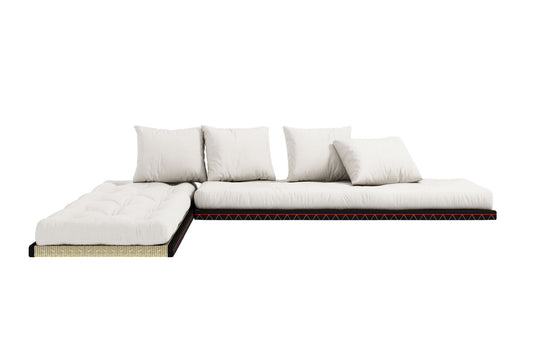
Floor beds blend tradition, minimalism, and practicality into one streamlined sleep system. From Japanese-style futon mattresses on tatami mats to modern full floor beds with a low-profile bed frame, there are countless ways to tailor this ancient practice to modern living.
When chosen thoughtfully, floor sleeping can be a healthy and satisfying way to rest. If you’re curious about trying it, start by setting realistic expectations. Invest in a quality futon mattress, pair it with a breathable tatami mat or slatted base, and experience firsthand why so many cultures have chosen to sleep closer to the earth.
Authentic comfort starts with strict oversight. Miles spends his days grilling suppliers on certifications and analyzing raw material specs down to the fiber. His job is to cut through the marketing fluff and verify that our organic components are chemically safe, structurally sound, and truly pure.