
Cooling Gel vs Wool in Mattresses: The Physics of Sleeping Cool
It’s a familiar scenario. The new "cooling" memory foam mattress feels refreshing to the touch for the first fifteen minutes. But by 2:00 a.m., the situation changes.
You wake up damp, the sheets are clinging to you, and that "cool" mattress now acts like a heating pad. Flipping the pillow offers only temporary relief before it heats up again.
This isn't a marketing trick; it is simply physics at work.
While cooling gel is often marketed as the solution to hot sleep, the thermodynamics suggest otherwise. Gel creates a temporary sensation, but it often fails to sustain a comfortable temperature through the night. Here is why chemical cooling has limits, and why a cotton-core wool mattress remains the superior choice for long-term temperature regulation.
Why Gel Stops Working: Thermal Equilibrium
To understand why cooling mattresses fail, it helps to understand Thermal Equilibrium.
Most cooling foams are standard polyurethane foam infused with gel beads or phase-change chemicals. Gel is a conductor. When you first lie on it, it pulls heat away from your warm body. This creates the initial "cool" sensation, similar to holding an ice pack against your skin.
However, like an ice pack, gel absorbs heat only until it reaches the same temperature as your body. Once the gel is "full" of heat, the cooling effect stops. It reaches equilibrium.
The "Heat Soak" Effect
The problem is compounded by the material underneath the gel. Memory foam is an insulator (essentially dense plastic), meaning it has nowhere to move that absorbed heat.
The body heat absorbed by the gel in the first 20 minutes gets trapped directly underneath you. This is known as the "Heat Soak" Effect. The mattress effectively becomes a thermal battery, storing body heat and reflecting it back at the sleeper for the rest of the night.

The Role of Humidity
Deep sleep is often disrupted not just by heat, but by humidity.
Synthetic foam, cooling gels, and polyester fabrics are generally non-porous. They react to temperature but do not effectively manage moisture.
The body releases moisture vapor constantly during sleep. On a foam mattress or synthetic pad, that vapor hits the barrier of the foam and gets trapped against the skin. Eventually, this vapor condenses into liquid sweat. By the time you feel clammy, the micro-climate under the duvet has become saturated, prompting the body to wake up to regulate its temperature.
The solution is not necessarily a colder mattress, but a drier one.
Wool and Evaporative Cooling
This is where a wool mattress functions differently. It relies on Evaporative Cooling rather than just being cool to the touch.
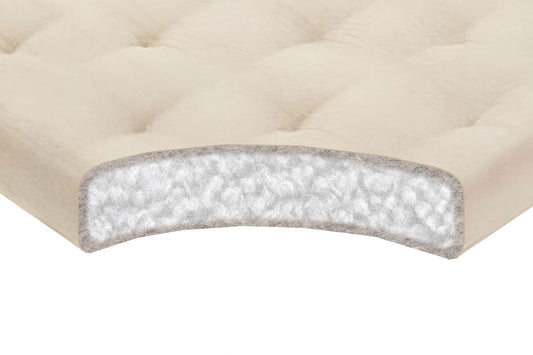
Unlike synthetic gel, wool is hygroscopic. The core of a virgin wool fiber can absorb up to 30-35% of its weight in moisture vapor without feeling wet.
The physics of this process supports better sleep in three ways:
- Vapor Absorption: Wool pulls moisture vapor away from the skin before it condenses into liquid sweat, preventing that clammy feeling.
- Breathability: Because wool is porous, it allows moisture to evaporate into the air rather than getting trapped.
- Active Cooling: Evaporation requires energy (heat). When wool releases moisture into the air, it physically pulls heat energy away from the body to fuel that evaporation.
It acts like a biological climate control system. Rather than passively absorbing heat, it actively moves both heat and moisture away from the sleeper.
Active vs. Passive Regulation
When comparing high-tech foam beds and natural wool beds, the fundamental difference lies in the mechanism of action. You can think of it as the difference between a bucket and a pump.
- Cooling Gel is Passive (The Bucket): It catches heat until it is full. Once it reaches capacity, it has nowhere else to put the energy, so it stops working.
- Wool is Active (The Pump): It continuously moves heat and moisture away from the body and releases it into the air, resetting your temperature throughout the night.
| Feature | Cooling Gel / Memory Foam | Natural Wool |
|---|---|---|
| Primary Mechanism | Conduction (Absorbs heat like a sponge) | Evaporation (Releases heat into the air) |
| Duration of Cooling | Temporary (Stops at thermal equilibrium) | Continuous (Active all night) |
| Humidity Handling | Traps Moisture (Leads to "clammy" feeling) | Wicks Vapor (Keeps skin dry) |
| Regulation Type | Passive (Storage) | Active (Exchange) |
Optimizing Your Sleep System
Upgrading to natural materials is the most effective way to solve overheating. This can be done by replacing the mattress or by adjusting the contact layers.
The Foundation: The Wool & Cotton Mattress
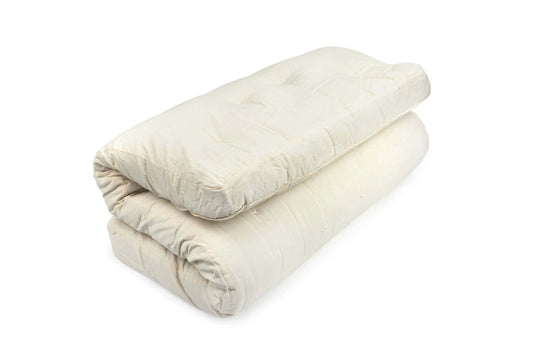
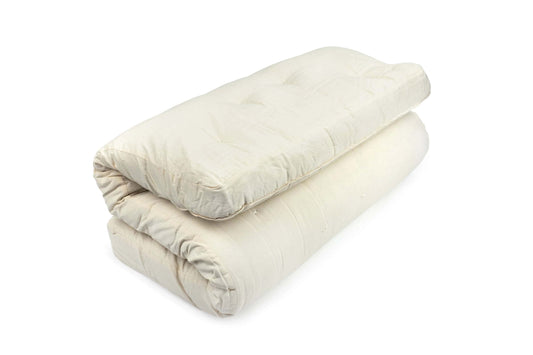
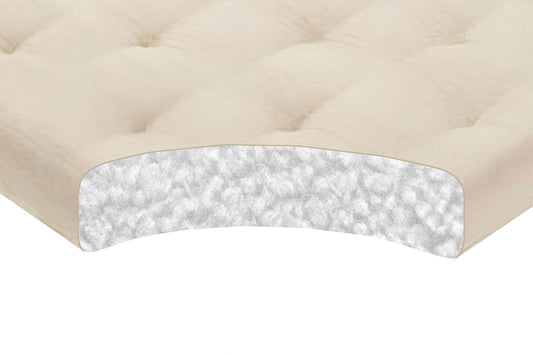
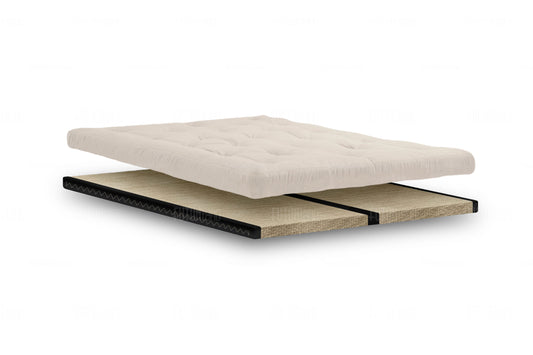
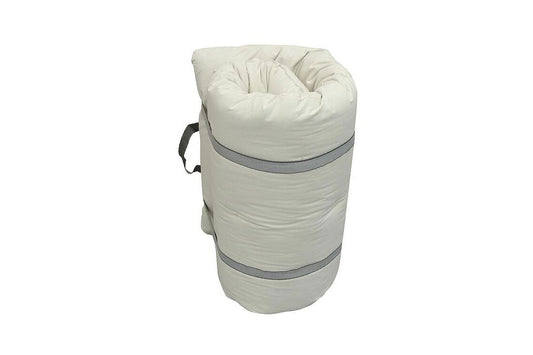
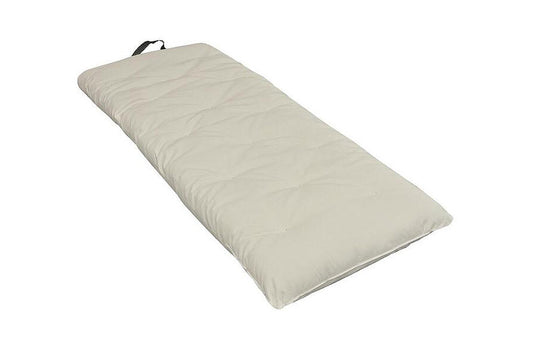
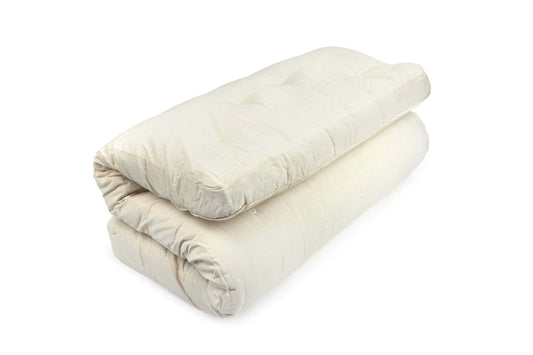
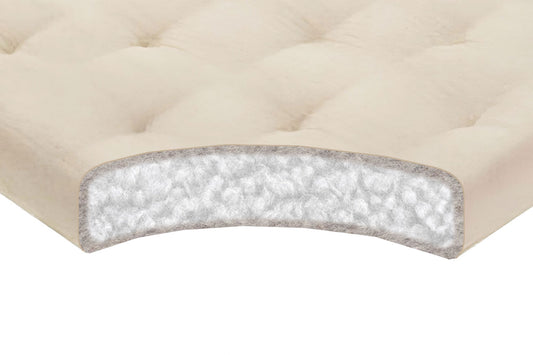
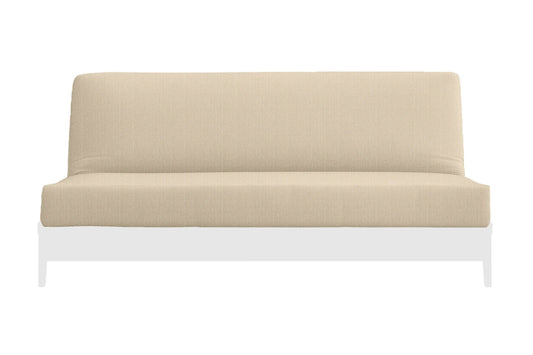
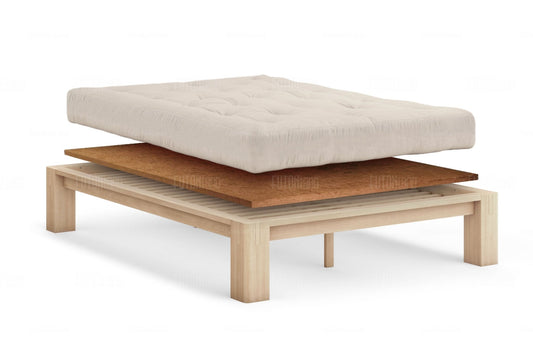
Sleeping on a breathable core is the ideal solution. Our cotton wool mattress combines the dense support of cotton with the active climate control of a wool wrap.
The Retrofit: The Wool Topper
If replacing a memory foam mattress isn't an option yet, a wool mattress topper serves as an effective buffer. A 3-inch layer of wool between the sleeper and the foam prevents body heat from getting trapped in the synthetic material below.
The Wool Pillow
The head releases significant heat during sleep. On a solid block of memory foam, this heat is trapped. A wool pillow allows heat to escape through loose fibers. Unlike down (which can collapse) or foam, wool maintains its loft and breathability.

Natural Fire Resistance
Beyond temperature regulation, wool offers a safety advantage: it is naturally fire resistant.
- Synthetic mattresses often require chemical flame retardants to meet safety standards.
- A wool mattress made in the USA utilizes the fiber's high nitrogen and water content to pass flammability tests naturally.
- Wool self-extinguishes; it creates a char layer that prevents the spread of flame, whereas polyester and foam melt and burn.
Frequently Asked Questions
Q: Is a wool mattress itchy?
A: No. The virgin wool used in bedding is distinct from rough wool clothing. It is encased in soft organic cotton ticking, so the skin never touches the raw fiber. You feel the support and breathability through the smooth cotton cover.
Q: Does it have a scent?
A: Raw wool comes from sheep, so it can have a scent. However, high-quality hypoallergenic wool is scoured to remove lanolin and impurities. While a faint, natural scent might be present when unboxing, it dissipates quickly and indicates a natural material rather than chemical off-gassing.
Q: What is "Virgin Wool"?
A: "Virgin" means the wool has never been used, recycled, or processed before. It is the strongest and most resilient grade. Recycled wool fibers can be short and brittle, which leads to lumping. Virgin wool maintains its loft and structure for years.
The Bottom Line
We are often trained to view technology as something invented in a lab, assuming a chemical gel must be superior to a traditional fiber. But biology offers a different perspective. The body needs to regulate heat, and while plastic and foam inhibit that process, wool facilitates it. It’s a shift from sleeping on a heat sink to sleeping on a material that breathes.