Why Choose Bamboo Furniture?

Why Choose Bamboo Furniture
-

Caramel
-

Sable
-

Amber
-

Black Walnut
-

Wheat
-

Caviar


Sustainability & Fast Growth
A Rapidly Renewable, Climate-Friendly Material
Bamboo is one of the fastest-growing plants on Earth, reaching harvest maturity in a fraction of the time it takes most trees. This rapid growth means bamboo forests can be replenished quickly, reducing pressure on traditional timber resources. Bamboo is also highly efficient at sequestering carbon and releases roughly 35% more oxygen than an equivalent stand of trees, making it a powerful ally in supporting cleaner air.

Responsible Harvesting & Forest Health
Selective Harvesting, Ongoing Regrowth
High-quality bamboo furniture typically starts with culms that are individually selected and harvested by hand. This selective approach preserves the health of the bamboo forest and leaves the root system intact, so new shoots can emerge naturally year after year. Compared to clear cutting methods used in some timber operations, selective harvesting helps maintain biodiversity and long-term forest resilience.

Low-Waste Manufacturing
Making the Most of Every Bamboo Culm
Bamboo lends itself to efficient, low-waste production. In many modern facilities, nearly 100% of the bamboo culm is used in some way—solid components for furniture, smaller pieces for panels, and even sawdust repurposed for energy or other by-products. This whole-plant approach minimizes waste and supports a more circular, resource-conscious way of making furniture.

Strength & Durability
Harder Than Many Traditional Hardwoods
Beyond sustainability, bamboo is impressively strong. Engineered bamboo materials often test harder than widely used hardwoods like Red Oak, making them highly resistant to everyday wear, dents, and scratches. When manufacturers use mature bamboo (such as Moso bamboo) and robust construction methods, the result is furniture that feels solid, stable, and built to last—ideal for busy homes that don’t want to compromise on style or performance.
Bring Bamboo Into Your Everyday Living
-

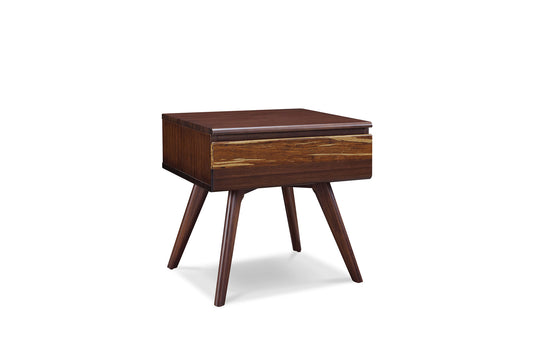 Sale
SaleAzara Nightstand
Regular price $709.00Regular price $849.00 Sale price $709.00Sale -

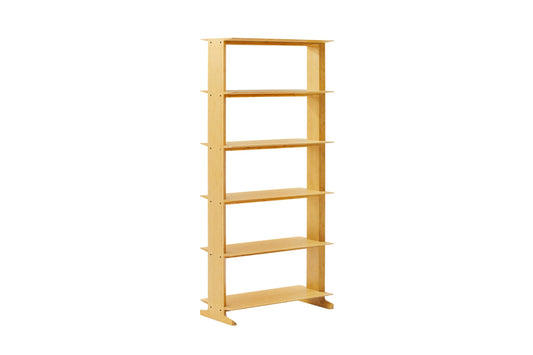 Sale
SaleNeo Tall Shelf
Regular price From $2,749.00Regular price $3,299.00 Sale price From $2,749.00Sale -

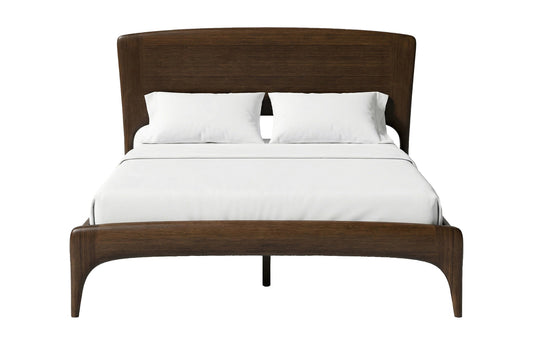 Sale
SaleZeva Platform Bed
Regular price From $2,999.00Regular price $3,599.00 Sale price From $2,999.00Sale -

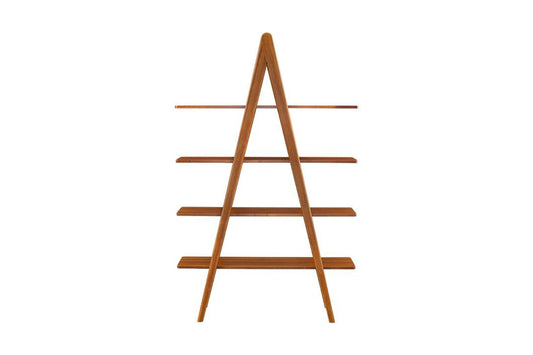 Sale
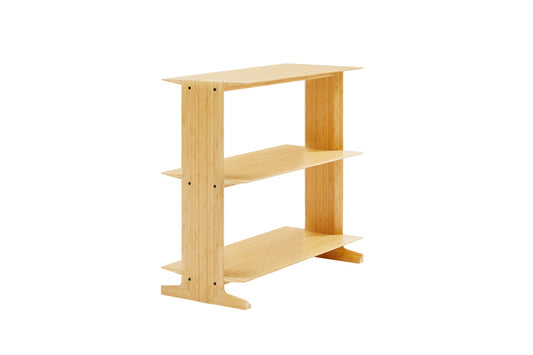
SaleStudio Plus Shelf
Regular price $1,289.00Regular price $1,549.00 Sale price $1,289.00Sale -

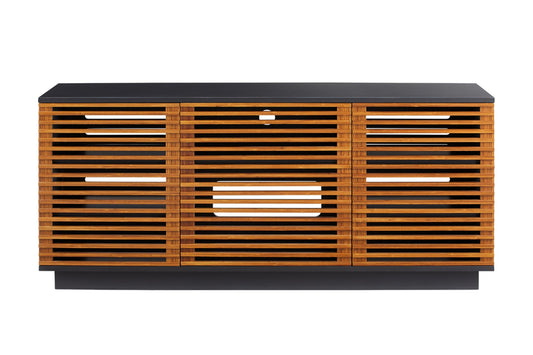 Sale
SaleRowan Media Center
Regular price From $2,249.00Regular price $2,699.00 Sale price From $2,249.00Sale -

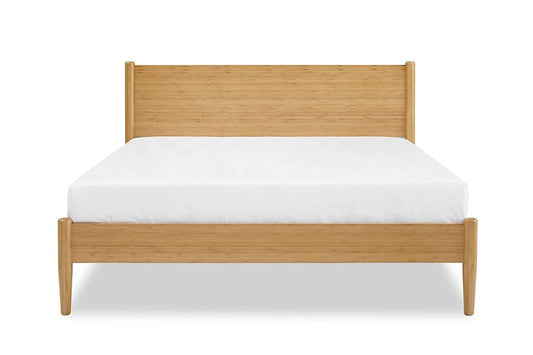 Sale
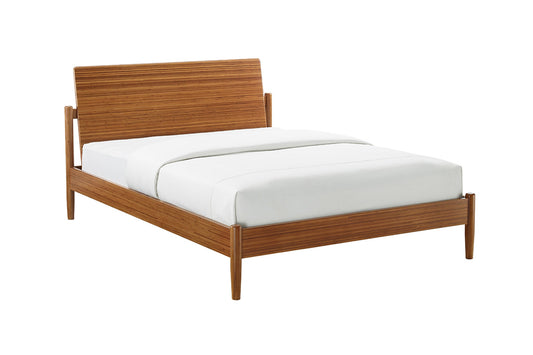
SaleRia Platform Bed
Regular price From $1,929.00Regular price $2,310.00 Sale price From $1,929.00Sale -
Monterey Platform Bed
Regular price From $2,089.00Regular price $2,509.00 Sale price From $2,089.00Sale -

 Sale
SaleCurrant Nightstand
Regular price $709.00Regular price $849.00 Sale price $709.00Sale -
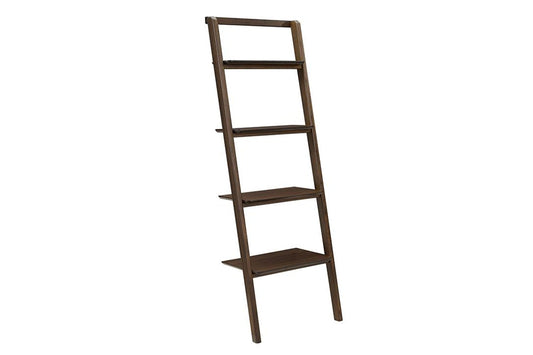
Currant Leaning Bookshelf
Regular price From $809.00Regular price $969.00 Sale price From $809.00Sale -

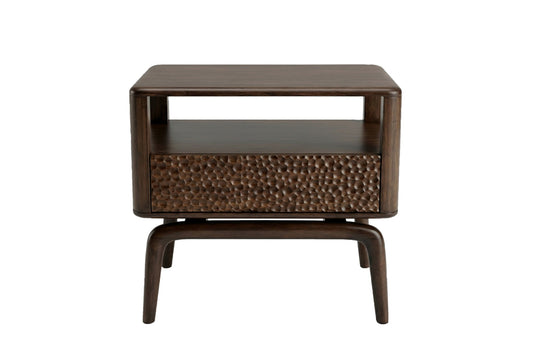 Sale
SaleZeva Nightstand
Regular price $999.00Regular price $1,199.00 Sale price $999.00Sale -

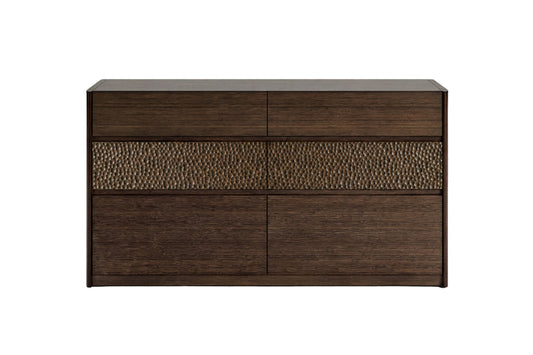 Sale
SaleZeva Dresser
Regular price $3,999.00Regular price $4,799.00 Sale price $3,999.00Sale -

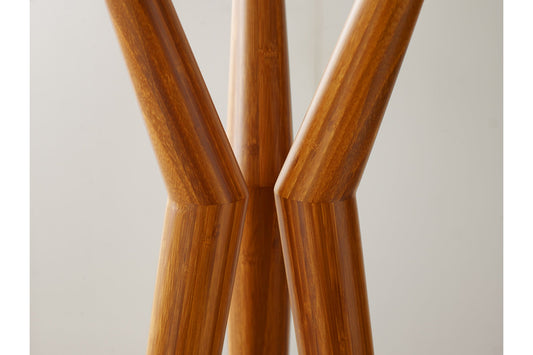 Sale
SaleSpire Coat Tree
Regular price $789.00Regular price $949.00 Sale price $789.00Sale -

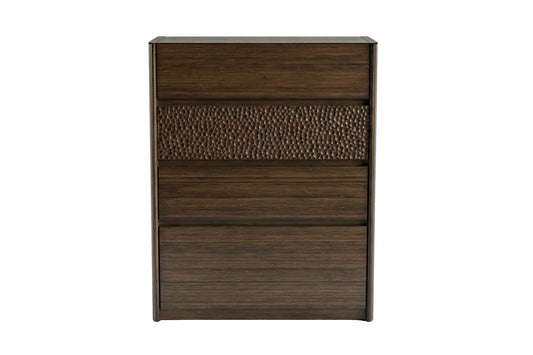 Sale
SaleZeva Chest
Regular price $2,999.00Regular price $3,599.00 Sale price $2,999.00Sale -
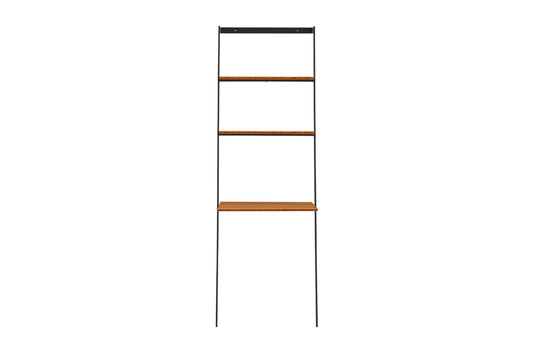
Studio Plus Leaning Desk
Regular price $809.00Regular price $969.00 Sale price $809.00Sale -

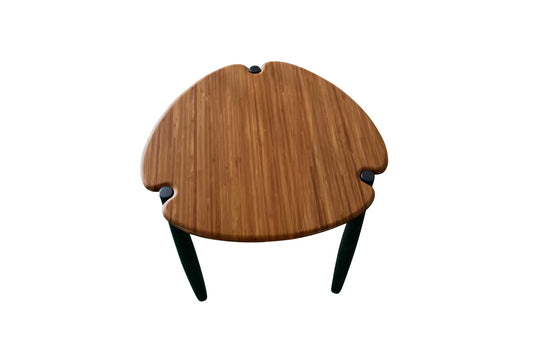 Sale
SaleTofino Side Table
Regular price $379.00Regular price $449.00 Sale price $379.00Sale -

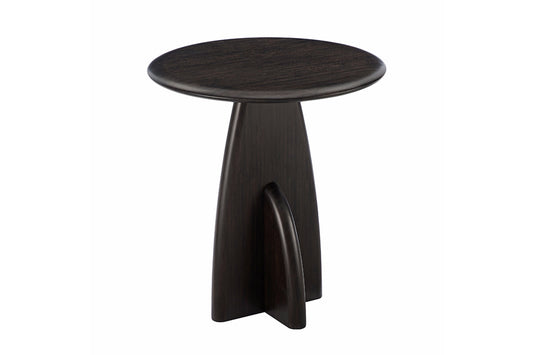 Sale
SaleZephyr Side Table
Regular price From $549.00Regular price $649.00 Sale price From $549.00Sale -

 Sale
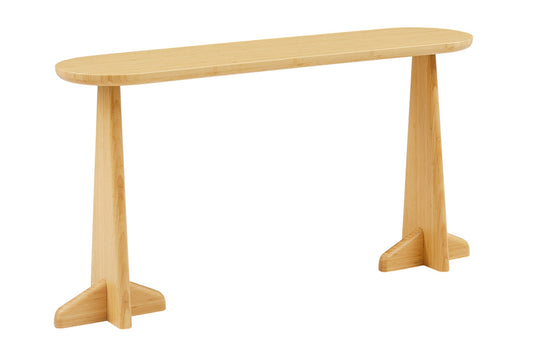
SaleZephyr Console Table
Regular price From $1,189.00Regular price $1,429.00 Sale price From $1,189.00Sale -

 Sale
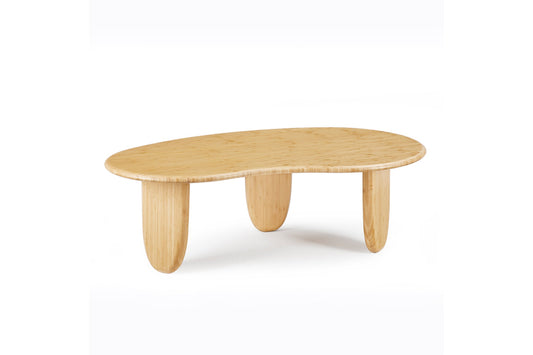
SaleZephyr Coffee Table
Regular price From $1,109.00Regular price $1,329.00 Sale price From $1,109.00Sale -

 Sale
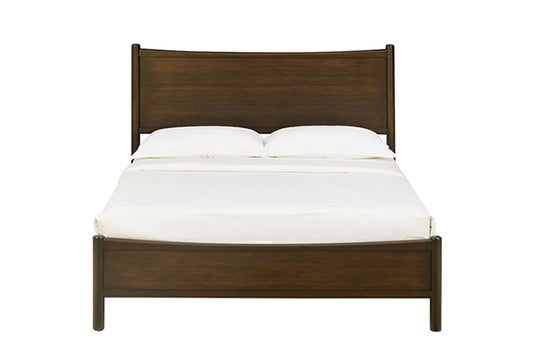
SaleWeston Platform Bed
Regular price From $2,209.00Regular price $2,649.00 Sale price From $2,209.00Sale